Off Calais Pier — History & Analysis
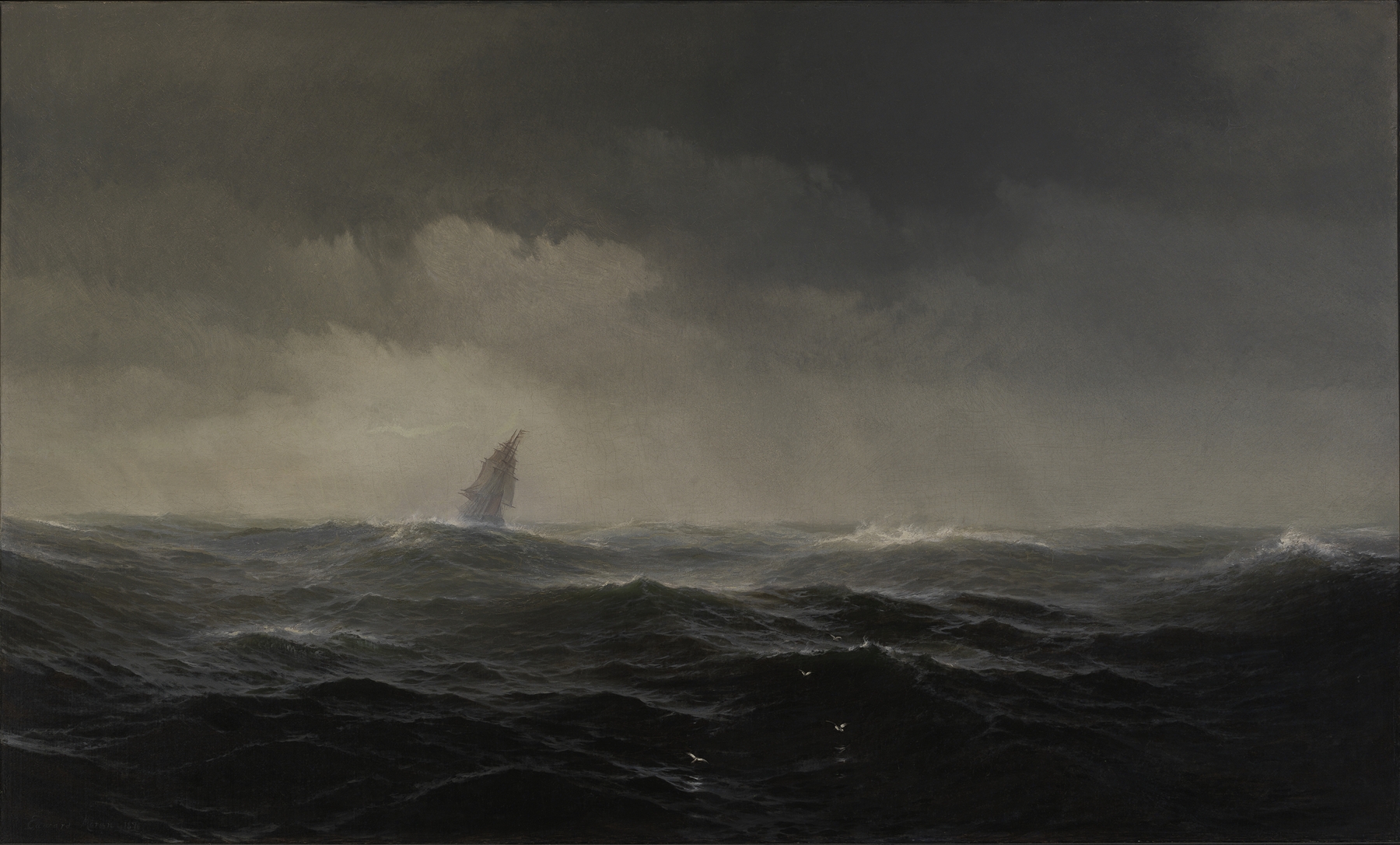
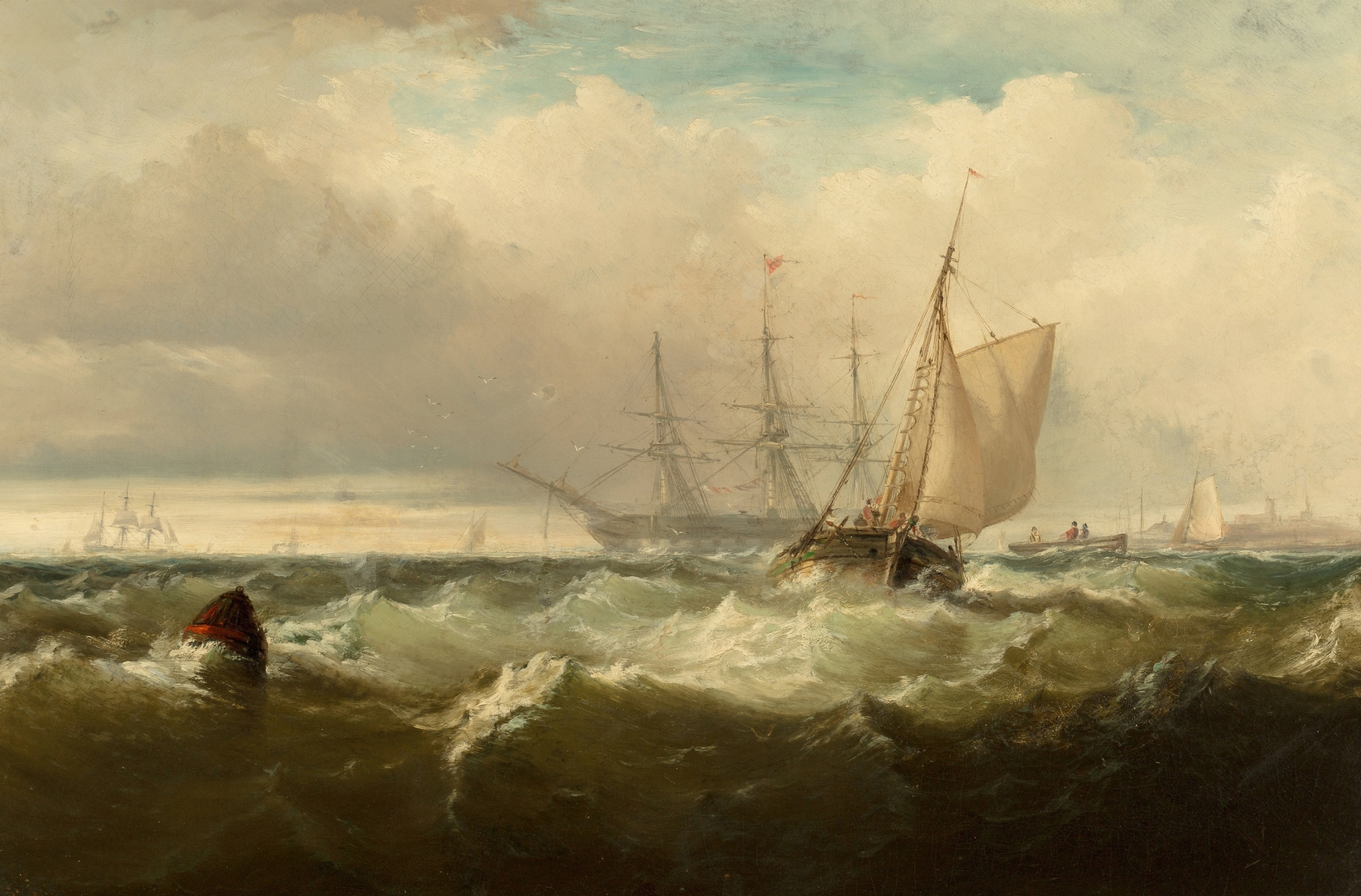
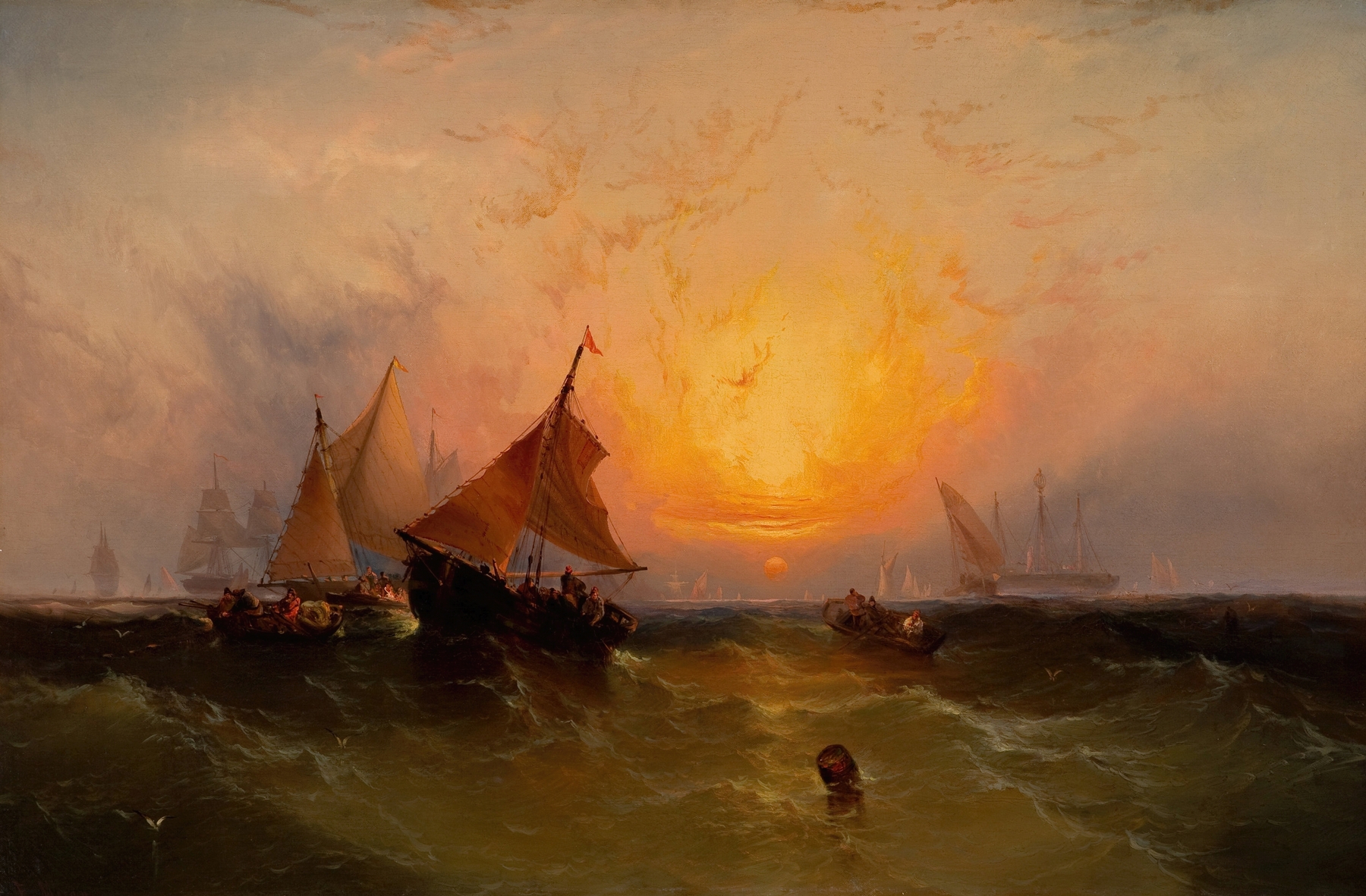
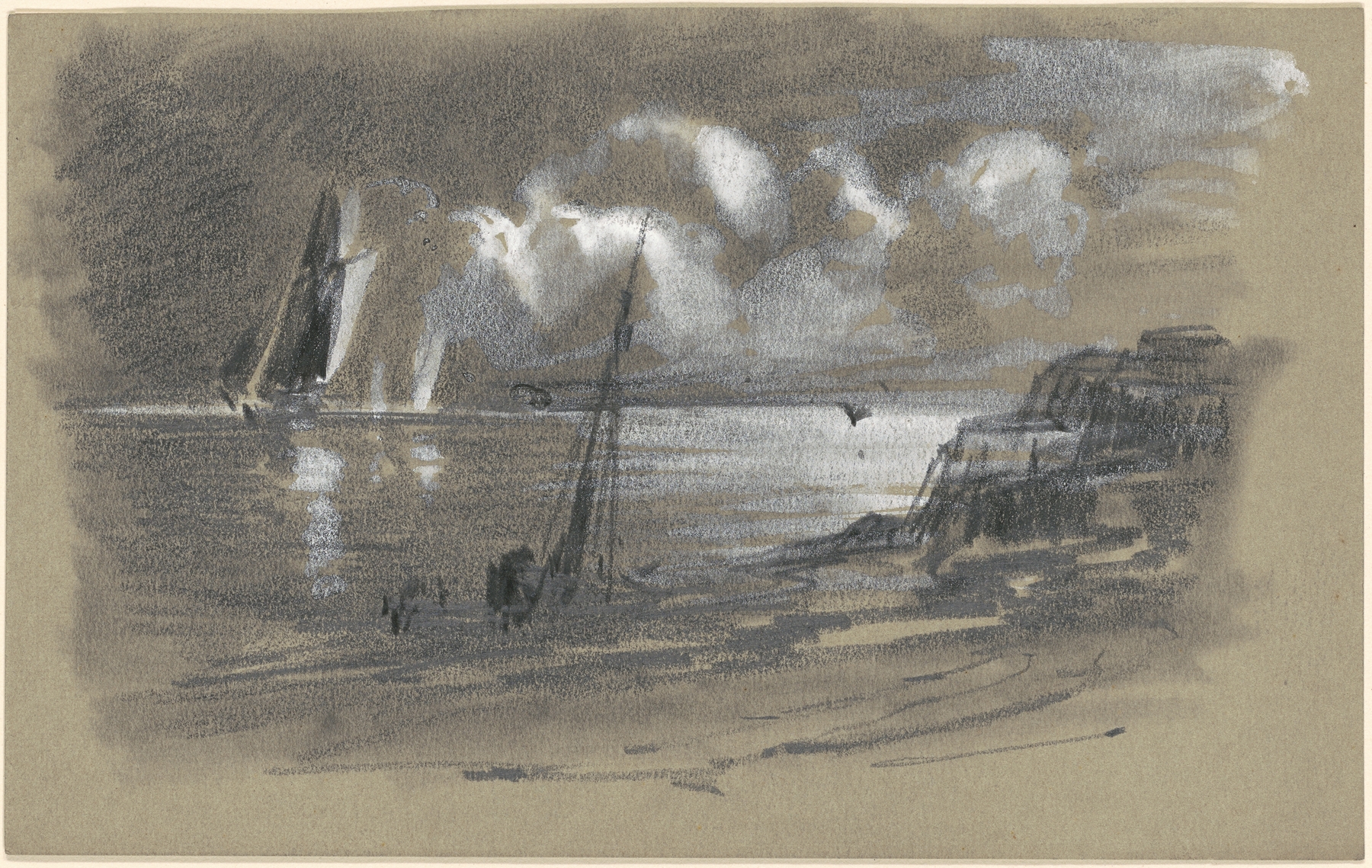
“Between color and silence, truth hides.” In the vast expanse of a muted seascape, the quietude of the moment reverberates like a distant echo. The shimmering water speaks in a hushed tone, and the soft interplay of light and shadow invites contemplation. Look to the left at the ships, their sails catching the gentle breeze, poised like whispers against the horizon. The artist's brushwork captures the subtle variations of blues and greys, creating a serene atmosphere that envelops the viewer. Notice how the distant pier emerges from the haze, its forms grounded yet ephemeral, suggesting a world just beyond reach.
The warm tones on the water's surface contrast beautifully with the cooler skies, revealing a meticulous balance reminiscent of a fleeting memory. Beneath the tranquil surface lies a tension between presence and absence. The ships, poised for departure, embody a sense of longing, while the empty pier hints at a dialogue left unspoken. Each brushstroke captures not just the physical but the emotional weight of silence, inviting us to explore the interplay of adventure and stillness.
The scene conveys a delicate harmony, suggesting that amidst the rush of life, moments of serenity hold profound truths. Moran created this work in 1878, during a period when maritime themes were becoming increasingly popular in American art. Living in New York City, he was influenced by the growing fascination with coastal life and the sea, reflecting the industrial and cultural changes of his time. His deep respect for the natural world and its nuances is evident, as he sought to capture not just a scene, but an atmosphere steeped in quiet introspection.