Old Barn, Shady Valley — History & Analysis
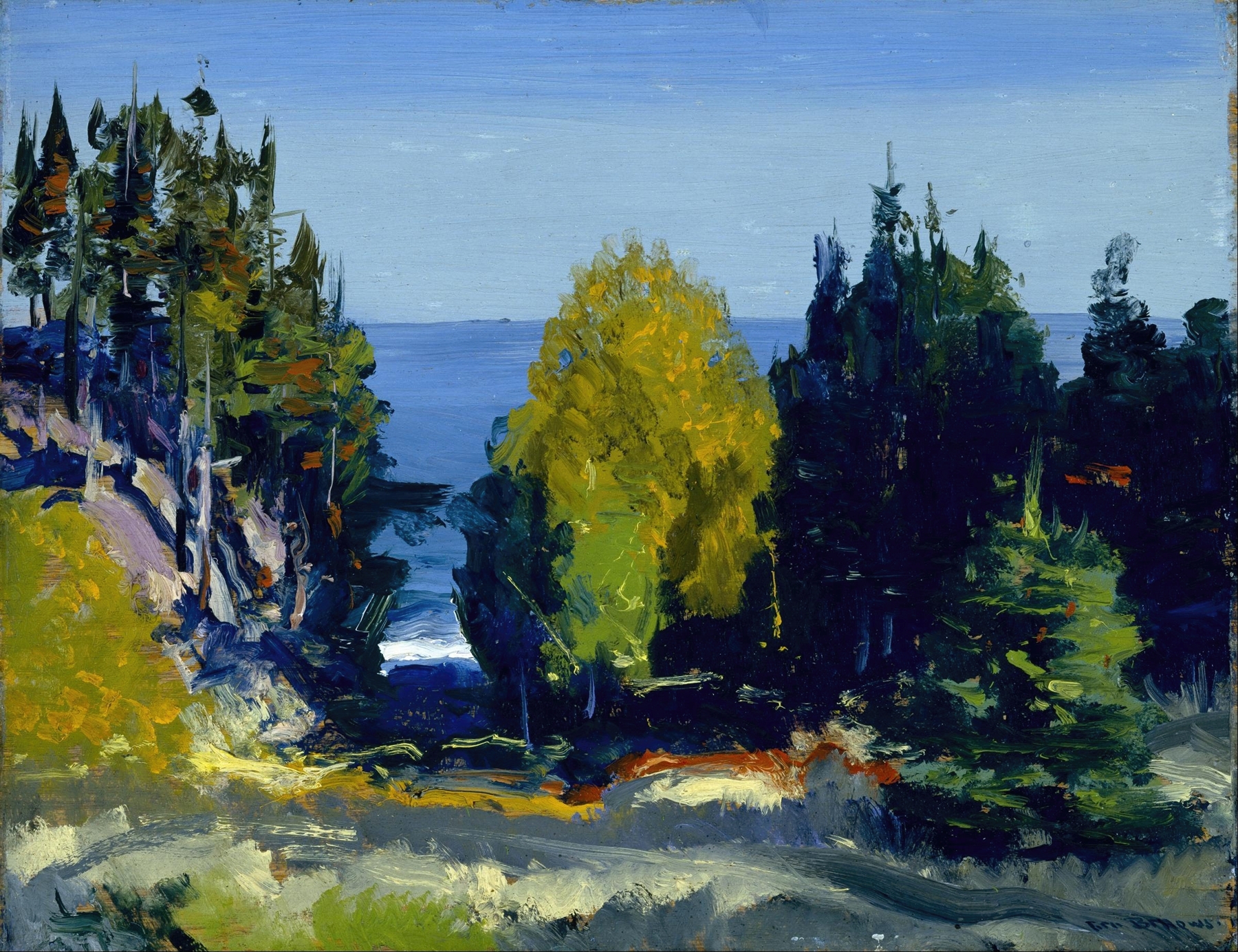
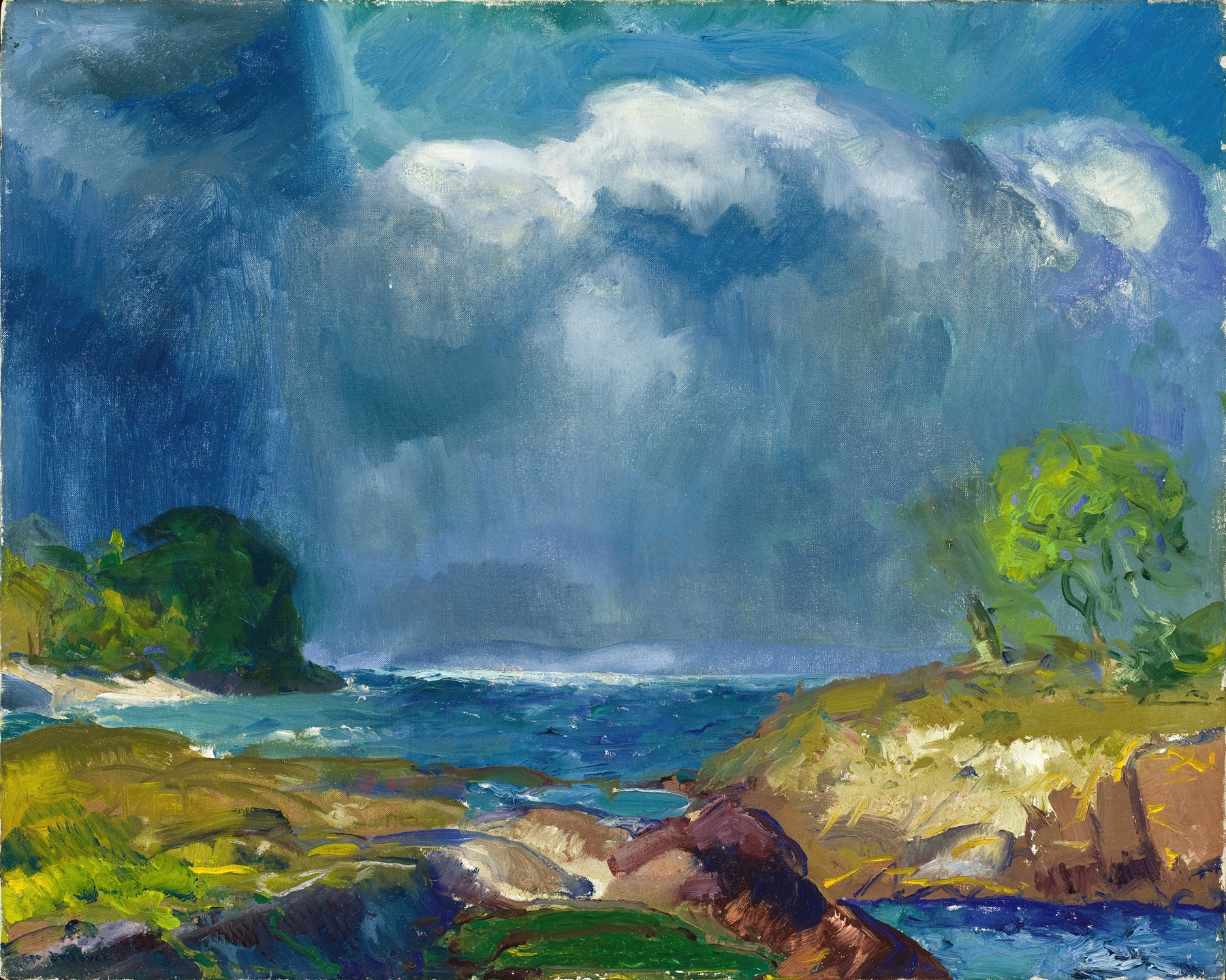
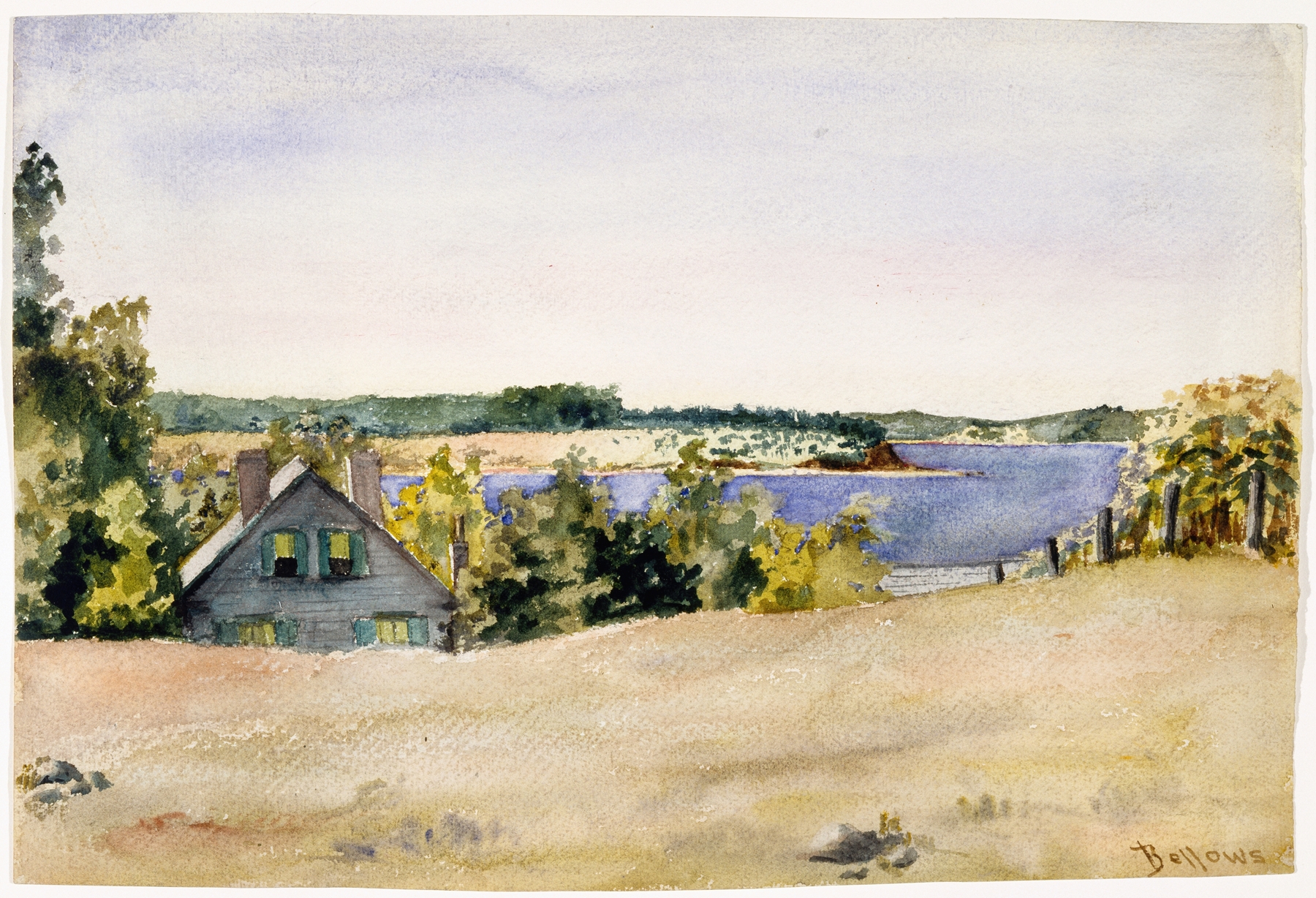
“Sometimes beauty is just pain, disguised in gold.” This sentiment echoes through the weathered wood and soft pastels of a forgotten landscape where grief lingers like a distant whisper. Focus on the center of the canvas, where the old barn stands resolute, its faded walls rich with stories of time. The gentle play of light dances across the surface, revealing textures that speak of decay yet resonate with a poignant beauty. Notice how the shadows wrap around the structure, deepening the contrast between warmth and sorrow, inviting the viewer to explore the layers of emotion embedded within.
The barn, a symbol of resilience, contrasts sharply with the lush green valley surrounding it. Here lies a tension between the vibrancy of life and the vestiges of loss, as if the earth itself mourns what once was. Look closely, and you’ll see hints of warmth in the color palette—soft yellows and muted greens—implying an undercurrent of nostalgia, a reminder of fleeting moments that linger despite absence.
In 1920, George Wesley Bellows painted this piece during a transformative era in American art, marked by a shift toward realism and regionalism. Living in New York, he was influenced by the changing urban landscape and the aftermath of World War I, which shaped his desire to capture the subtle interplay of human emotion and environment. This work reflects not only his personal exploration of grief and memory but also a broader cultural narrative, where the remnants of the past continue to echo in the present.