Old Tower at Avignon — History & Analysis
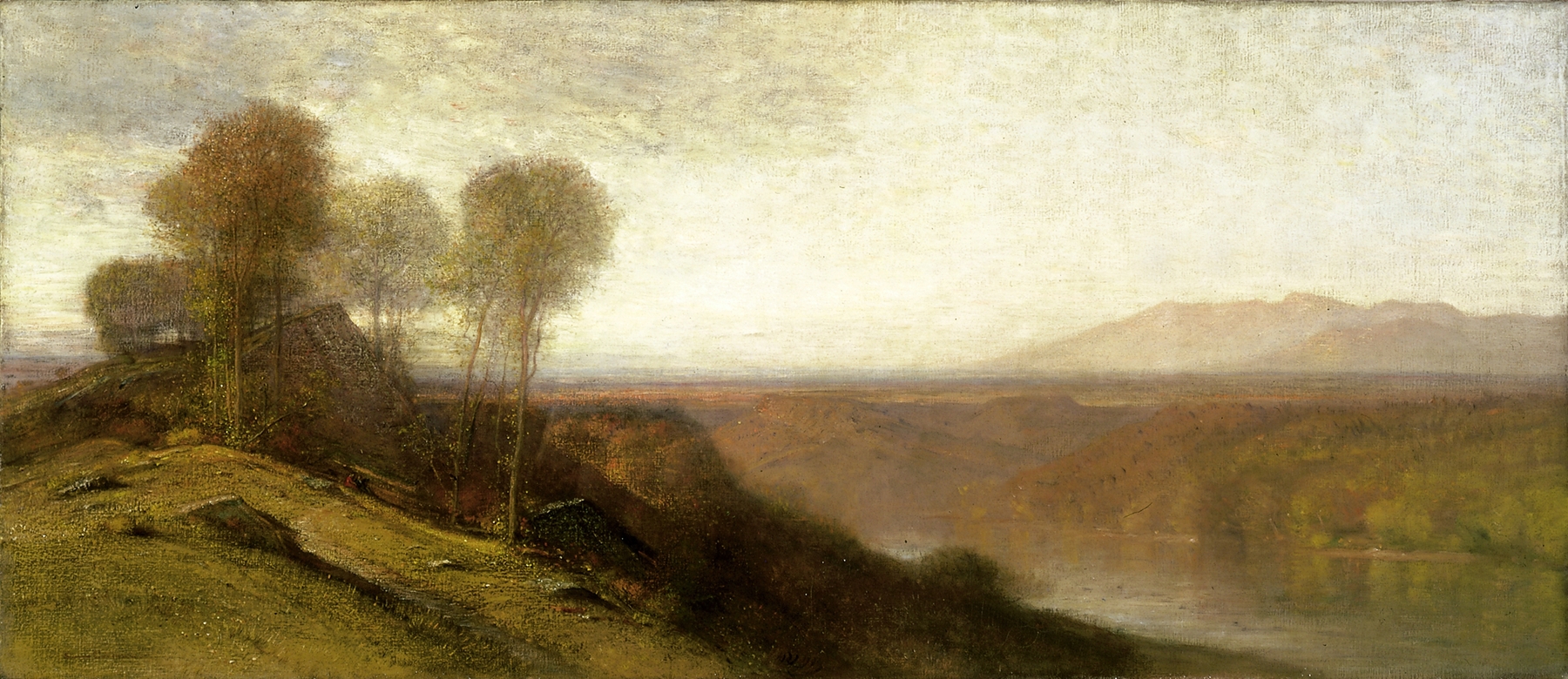
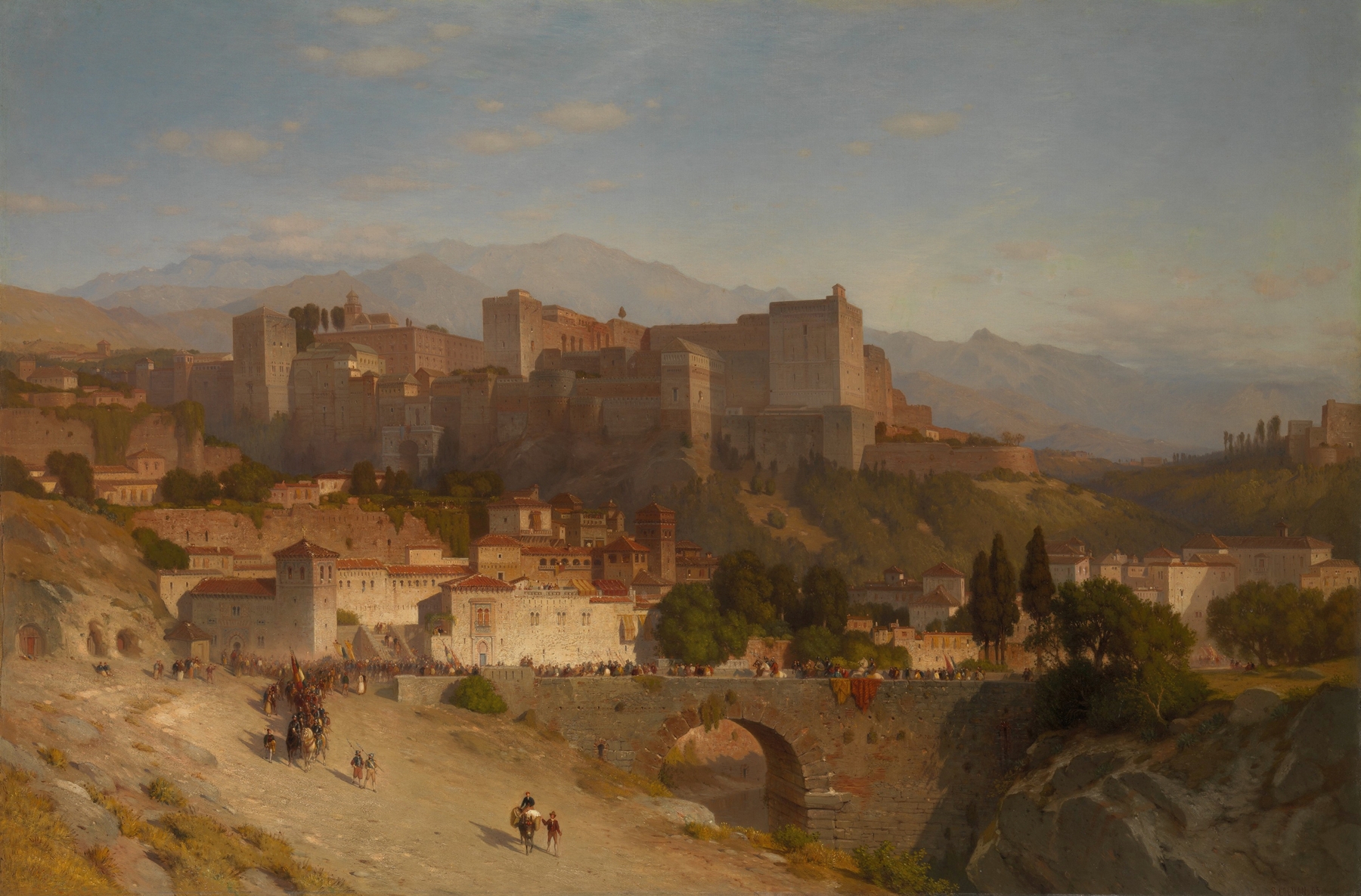
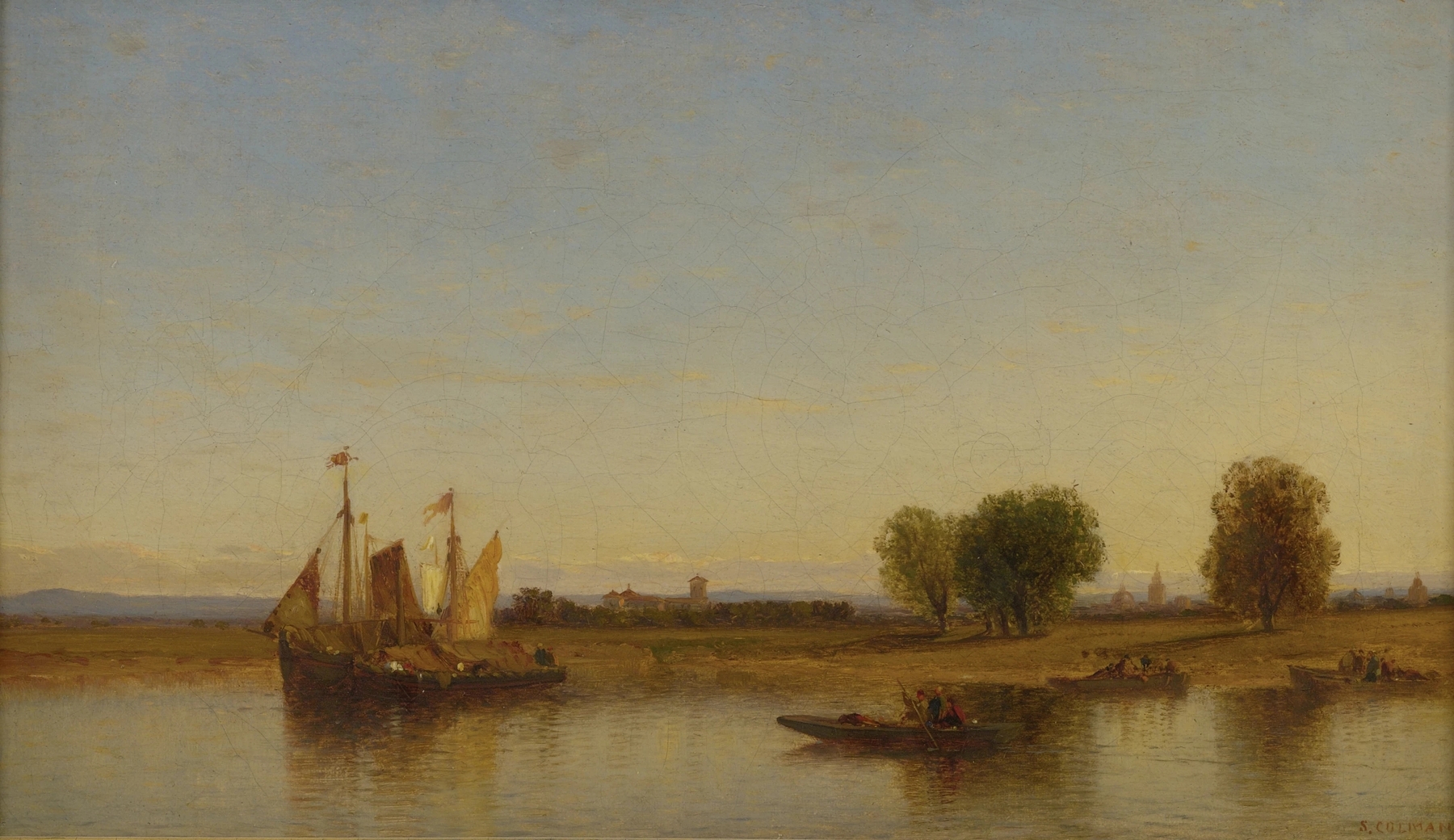
“Under the brush, chaos becomes grace.” In the heart of a bustling world, art reveals hidden truths, inviting the viewer to discover layers of revelation beyond the canvas. Direct your gaze first to the towering structure in the center, its weathered stones steeped in shadows and sunlight. Notice how the light dances across the crumbling facade, illuminating flecks of color that breathe life into the scene. Surrounding this ancient edifice, a soft palette of greens and blues creates a serene contrast, unifying the natural world with the remnants of human history.
The brushwork, fluid yet deliberate, conveys a sense of motion, as if the landscape itself were responding to the tower’s stoic presence. Delving deeper, the juxtaposition of old and new comes to the forefront. The tower, a relic of the past, stands resolute against the encroaching vibrancy of nature, hinting at the interplay between time and memory. One might ponder the stories etched into its stones, evoking a sense of nostalgia and loss.
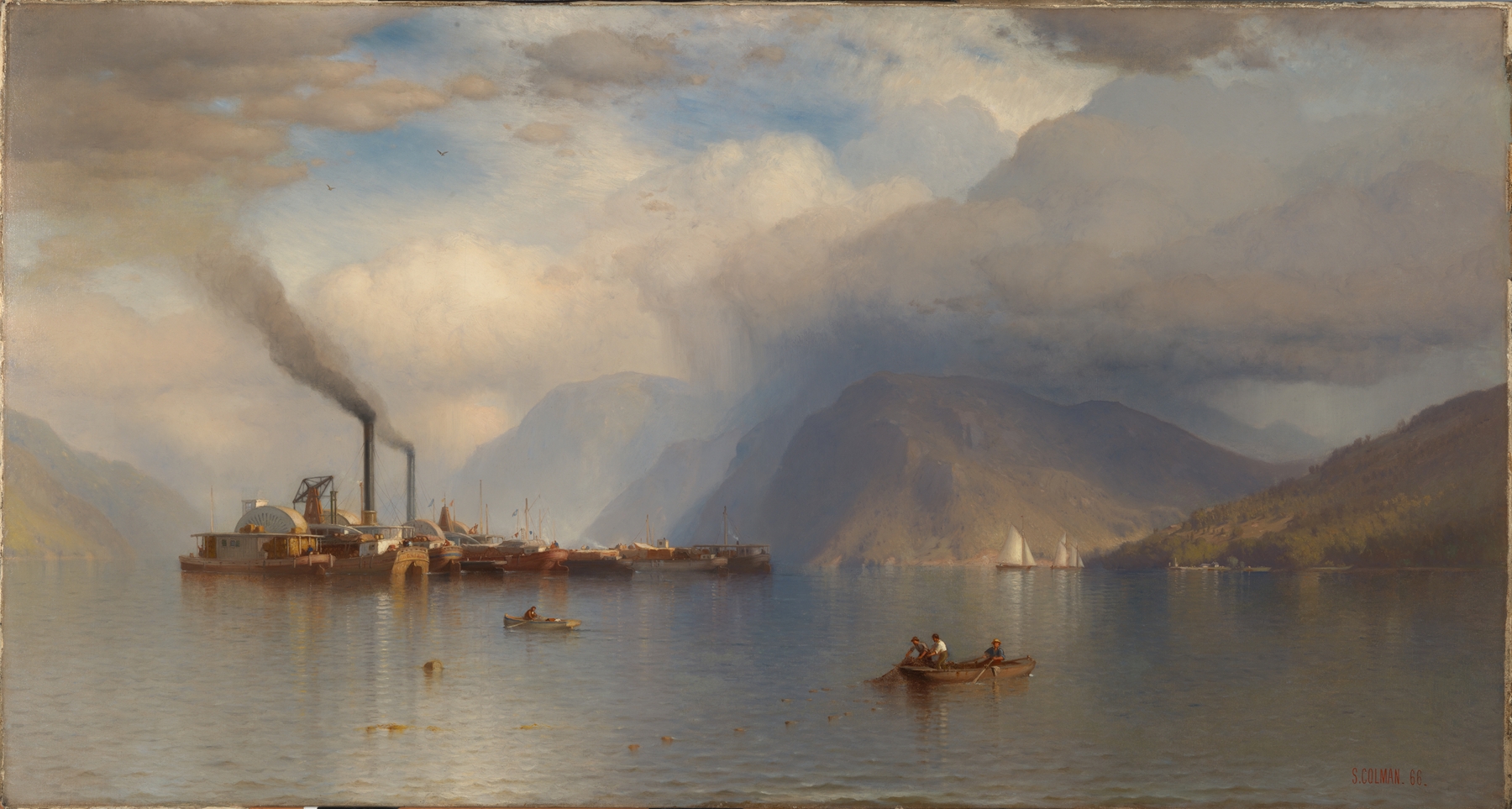
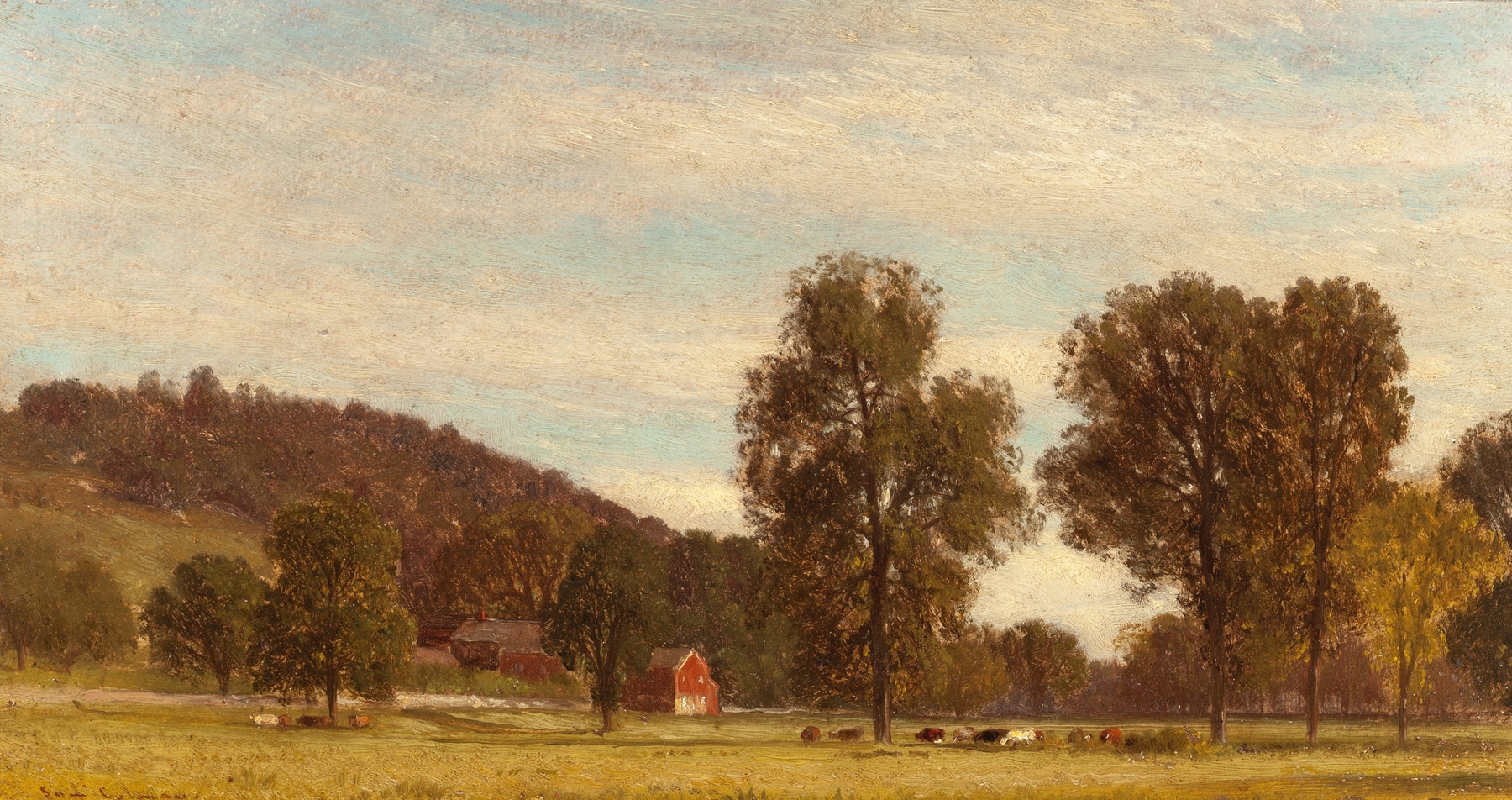
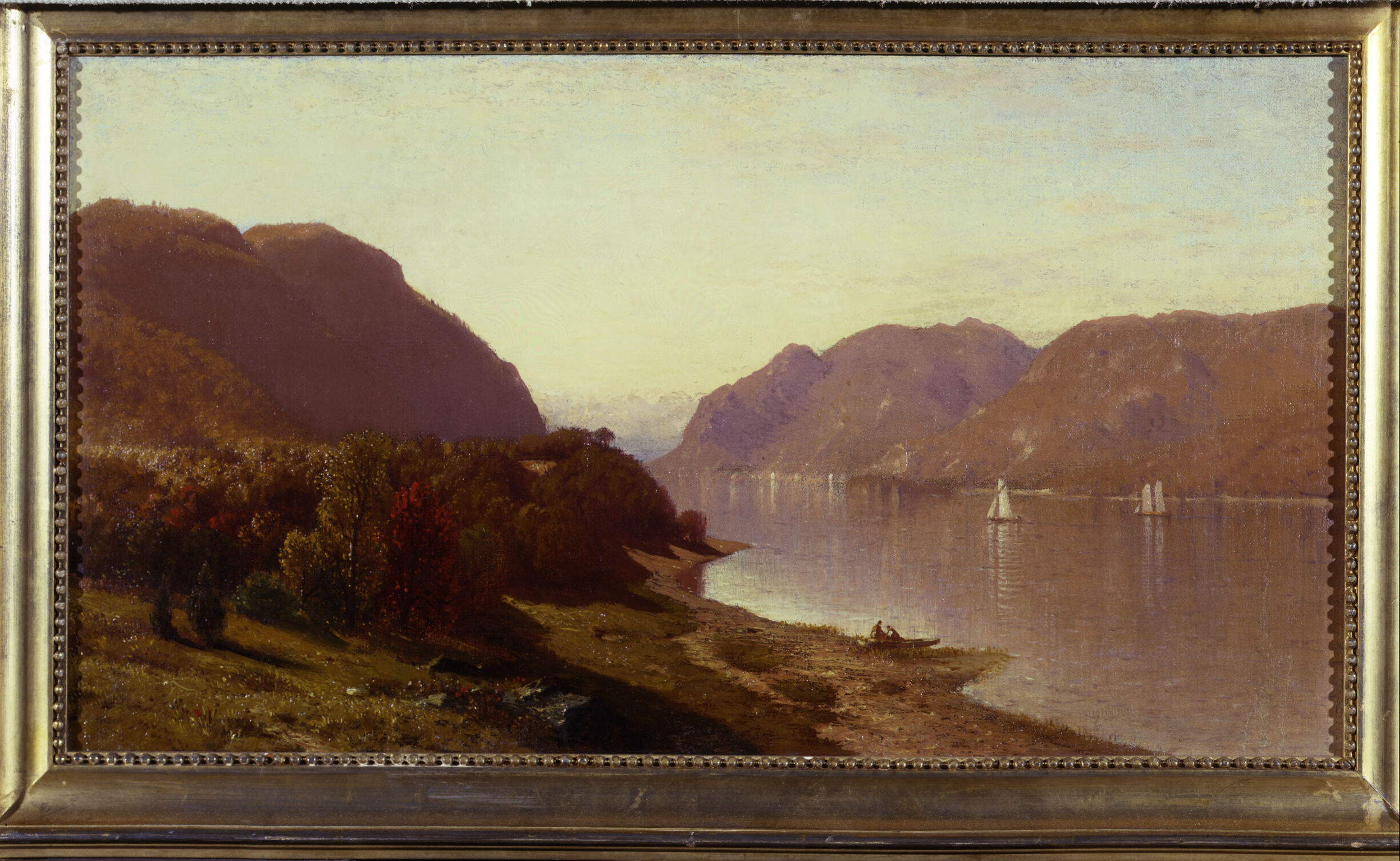
Meanwhile, the surrounding foliage thrives, symbolizing renewal and the passage of time, painting a complex narrative of decay and rebirth. Samuel Colman painted this work around 1875, during a period when he was deeply engaged with landscape painting, influenced by the Hudson River School. He created it in the United States, a time of artistic exploration and innovation, as artists sought to capture the essence of the American experience amidst a rapidly changing world. Colman's embrace of naturalism and atmospheric effects reflected not only his personal artistic evolution but also the broader movements in the art landscape of his time.