Old Tower at Avignon — History & Analysis
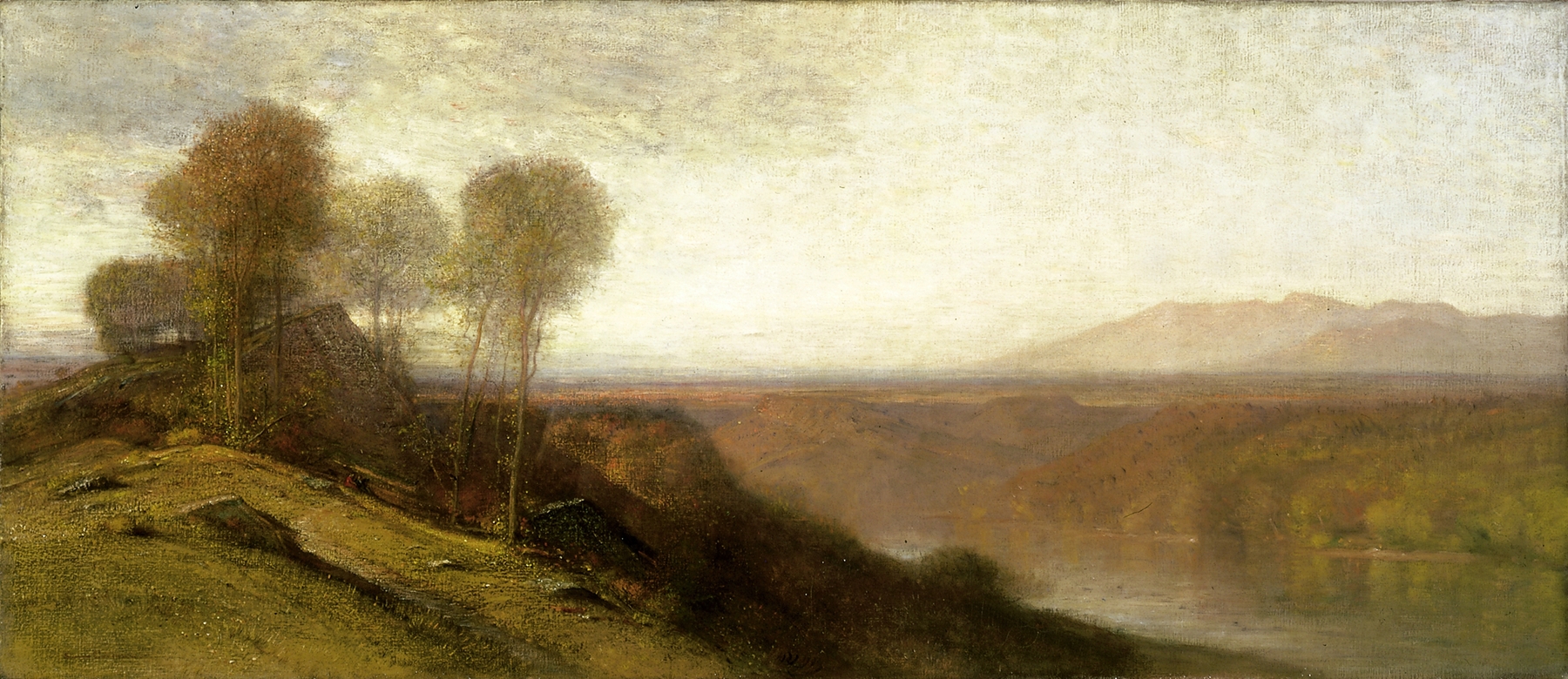
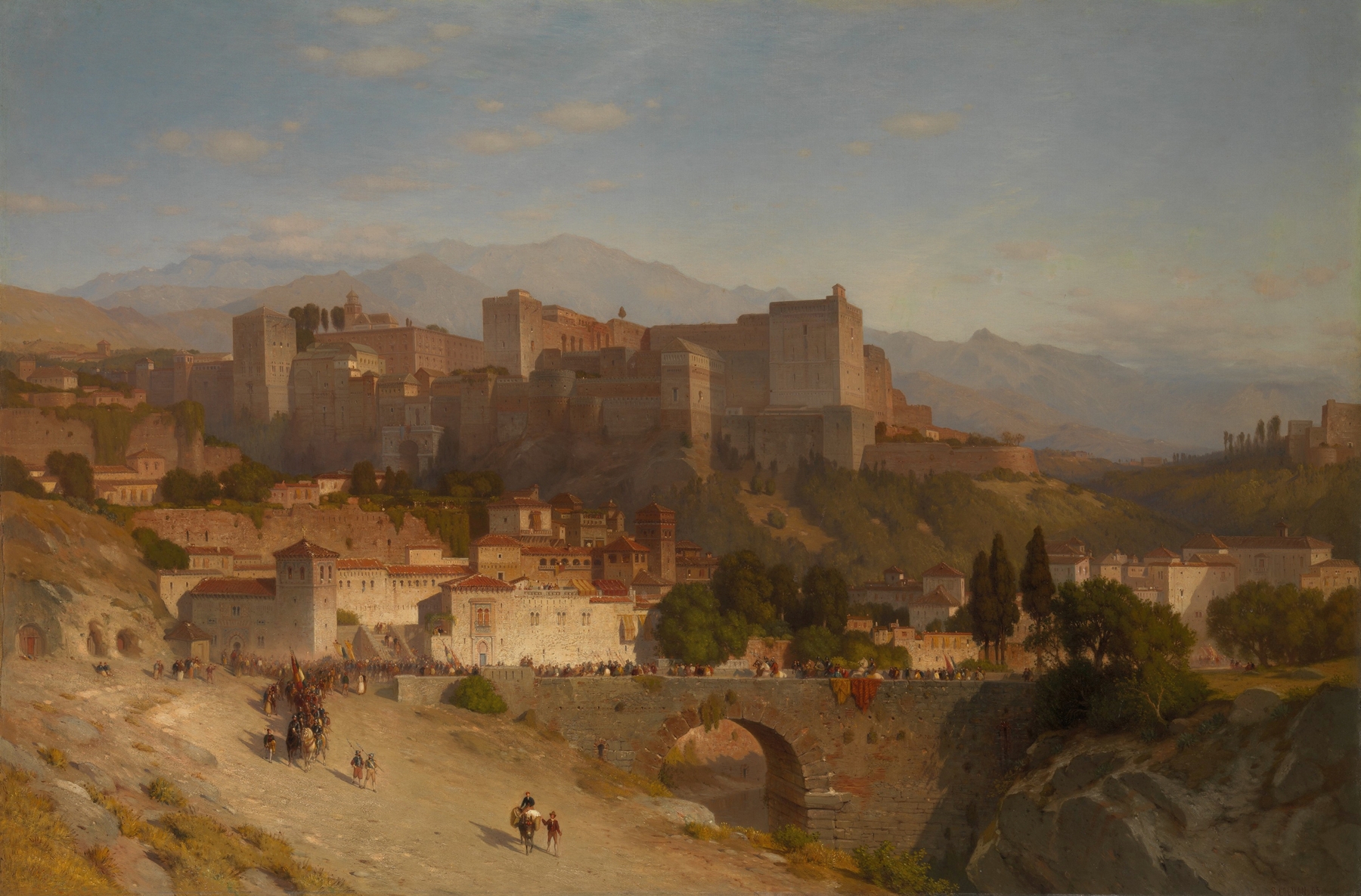
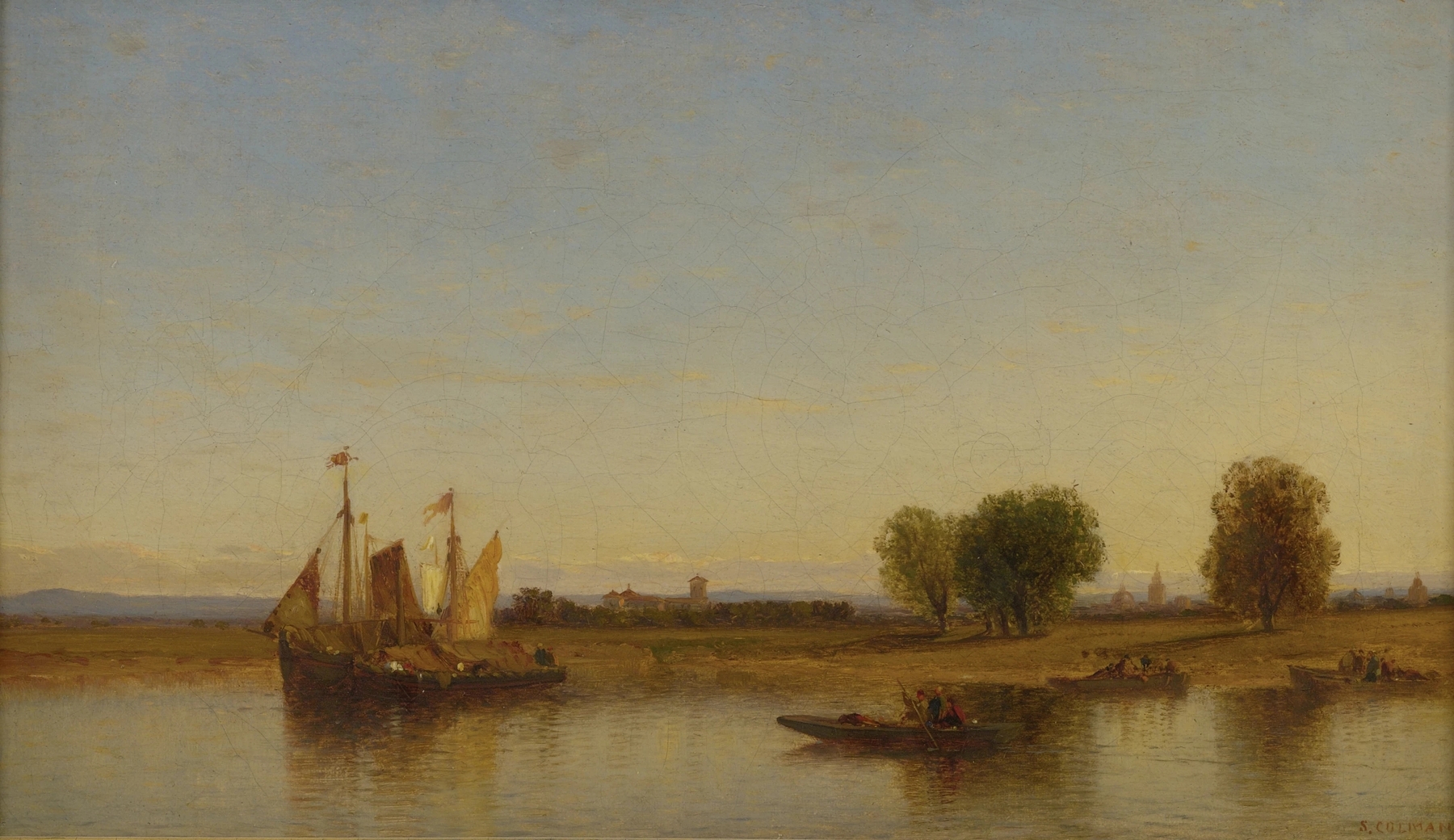
Who listens when art speaks of silence? In Old Tower at Avignon, tranquility is captured in a moment that invites introspection and reflection, revealing the serene essence of life itself. Look to the left at the solemn tower, its weathered stones standing resolutely against the backdrop of soft, muted skies. The artist employs a gentle palette of browns and greens, evoking a sense of history and timelessness. Notice how the light caresses the tower’s surface, creating a delicate interplay of shadows that suggest both permanence and vulnerability.
The composition draws the eye upward, inviting one to ponder the stories hidden within those ancient walls. Delve deeper and you might sense the contrast between the robustness of the tower and the ethereal quality of the surrounding landscape. The stillness of the scene reflects a sense of patience, as if time itself has paused to listen. The sparse presence of trees in the foreground hints at nature’s quiet companionship, allowing viewers to feel both solitude and solace.
This duality encapsulates the harmony between human constructs and the environment — a silent dialogue that echoes beyond the canvas. Samuel Colman painted this piece around 1875 during his travels in France, amidst an era where the Impressionists were redefining representation in art. Immersing himself in the quiet landscapes of Avignon, he sought to capture the interplay of light and form, drawing from both Romanticism and emerging modern ideas. This tranquil tower thus stands not only as a physical structure but as a testament to the artist’s exploration of serenity in an ever-changing world.