On the Beach at Scheveningen, Holland — History & Analysis
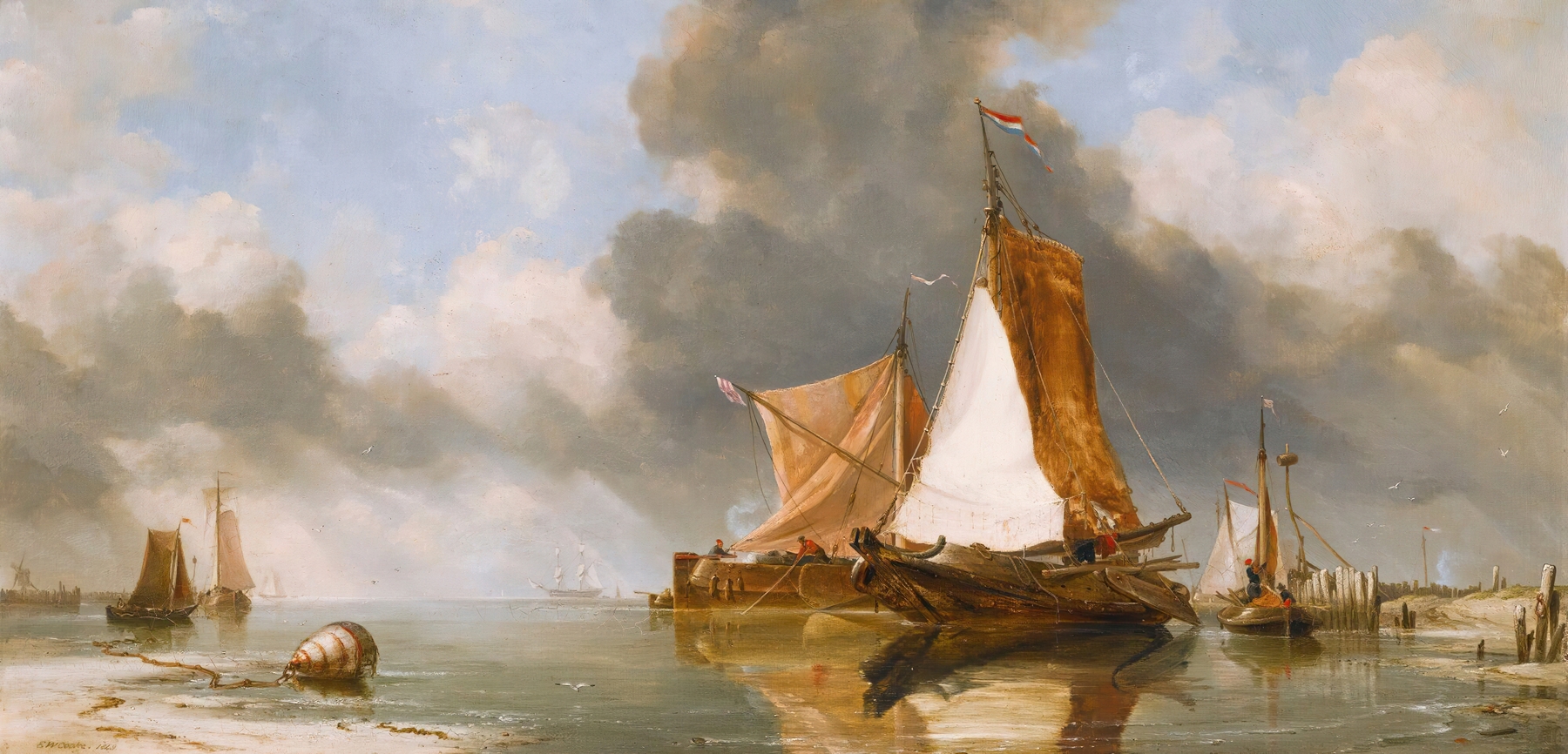
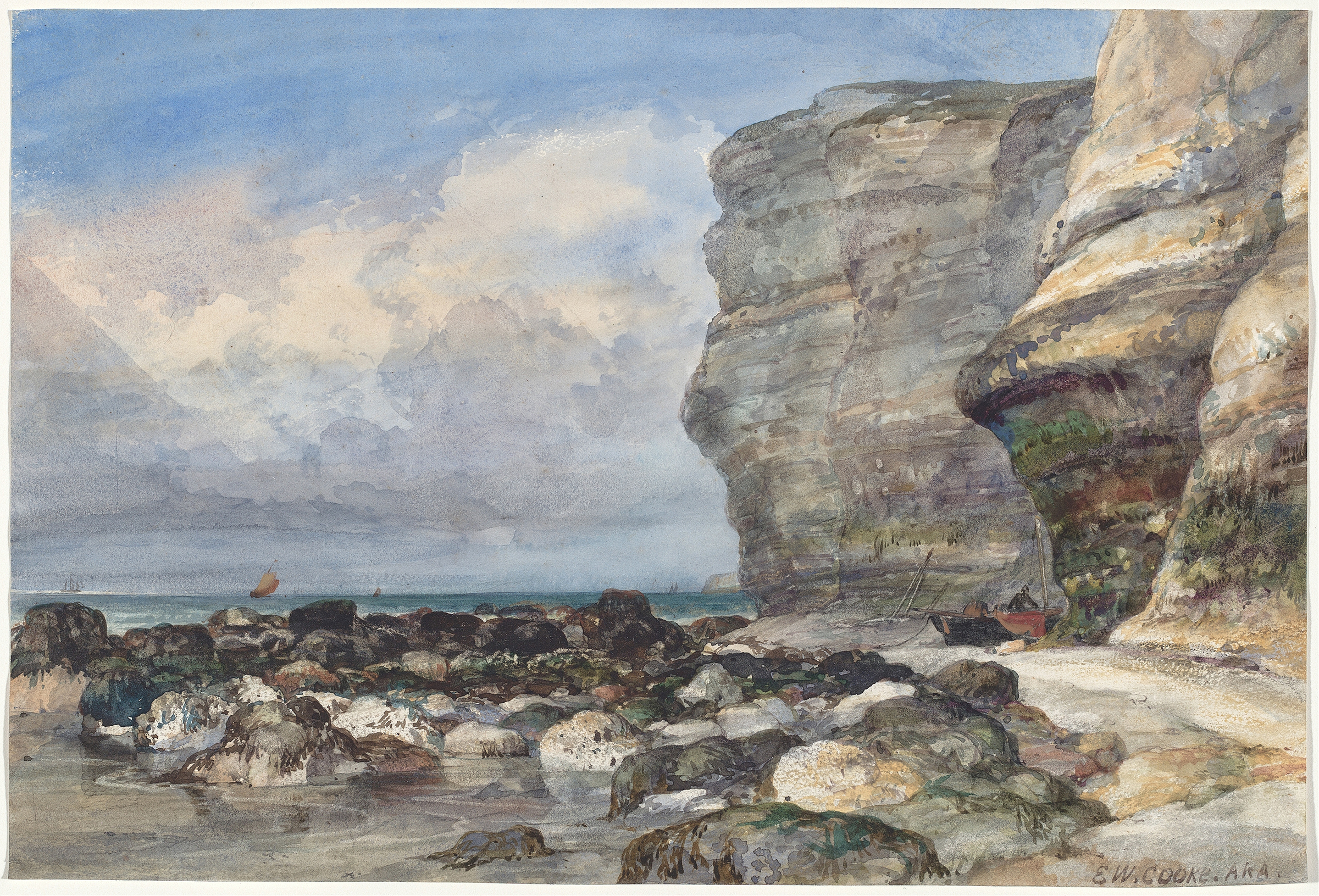
“To paint is to remember what time wants us to forget.” In the tumult of life, chaos often breeds beauty, waiting to be captured on canvas. Look to the center of the painting, where bustling figures mingle along the shoreline, their clothing fluttering like flags in the wind. Notice the sharp contrast of the turbulent waves against the soft, muted hues of the sand and sky, creating a discordant harmony. The brushstrokes are both frenetic and purposeful, evoking the very essence of movement and energy as sunlight dances across the water’s surface, reflecting fleeting moments of joy and uncertainty.
As you explore the scene, consider the juxtaposition between the crowd's animated gestures and the horizon's silent, beckoning calm. Each figure carries a story; some buried in laughter, while others appear lost in their own thoughts, hinting at an undercurrent of solitude amidst the chaos. The tension between the vibrant life on the beach and the looming sky suggests an impending storm, perhaps representing the unpredictability of both nature and human existence.
Created during the mid-19th century, this work emerged from a time when Edward William Cooke was deeply engaged in the exploration of maritime themes, influenced by the Romantic movement. Living in an era ripe with industrial change, he sought to highlight the relationship between humanity and nature, capturing both the excitement and anxiety of modern life. This painting reflects not only personal observations but also the broader shifts in society, echoing the sentiments of an age teetering between chaos and tranquility.