On the Nile — History & Analysis
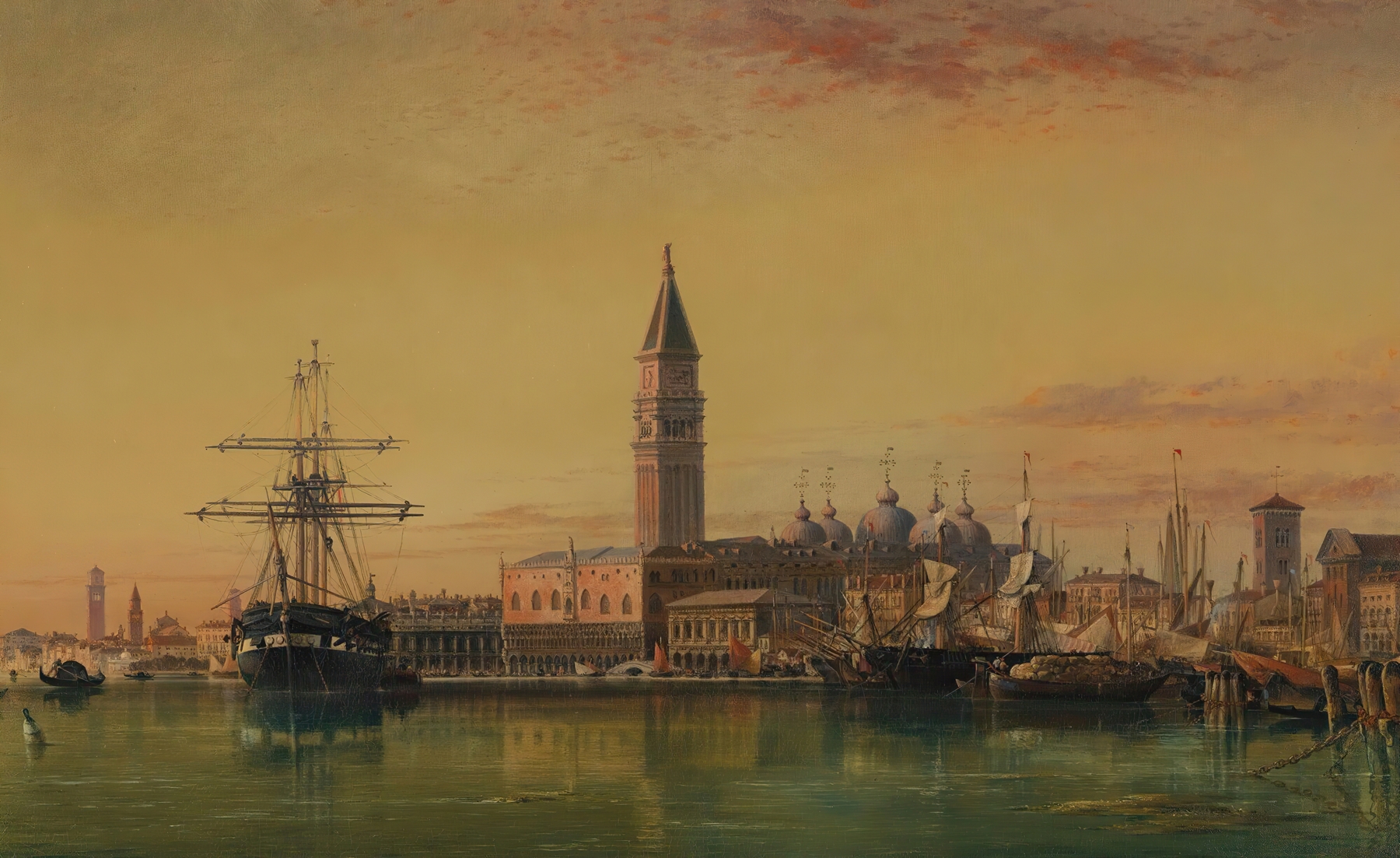
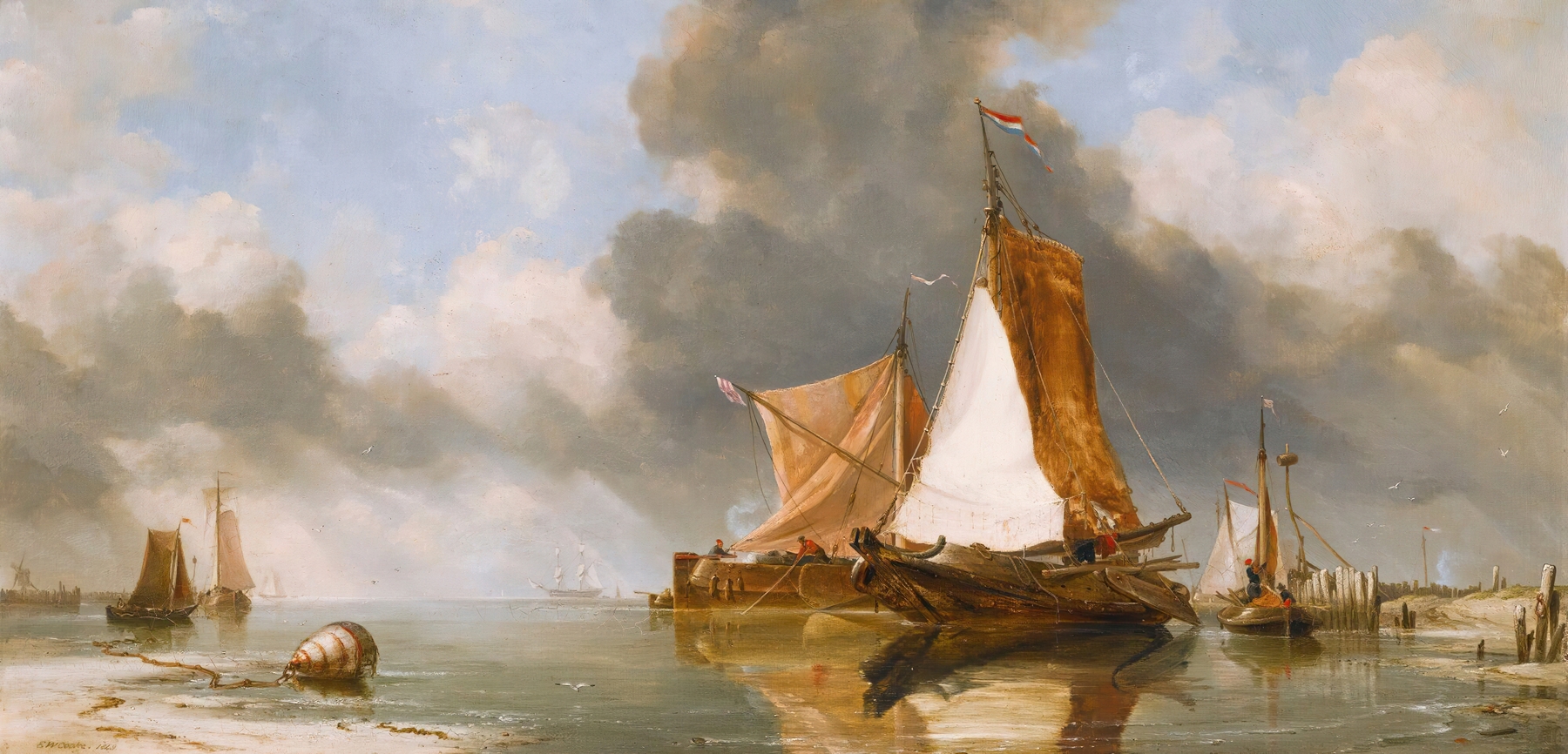
Can paint confess what words never could? In On the Nile, a legacy unfolds through the gentle brushstrokes that evoke the timeless dance of life along the river's edge. Look to the left where the sun bathes the scene in a golden hue, illuminating the serene waters that reflect the ethereal beauty of a distant horizon. Notice the intricate details of the boats gliding across the surface, their sails billowing softly as if whispering secrets of the past.
The palette of warm ochres and deep blues draws the viewer into a world where nature and humanity intertwine, evoking a sense of peace that belies the complexities of existence. Delve deeper into the composition, and you'll uncover the subtle tension between stillness and movement. The figures aboard the vessels, frozen in their journey, embody the transient nature of life, while the mighty Nile flows unceasingly, symbolizing endurance and continuity. The juxtaposition of vibrant activity against the tranquil backdrop speaks to the delicate balance we all strive to achieve, as well as the legacies we leave behind—both personal and cultural.
Created in 1860, this work emerged during a period of significant change in Edward William Cooke's life and the art world. At that time, Cooke was exploring themes of travel and landscape, capturing the allure of Egypt's untamed beauty while reflecting the European fascination with the Orient. This painting not only represents an artistic exploration but also serves as a historical marker, encapsulating a moment when the Western gaze was beginning to grapple with the complexities of foreign cultures.