Ontwerp voor een kerk — History & Analysis
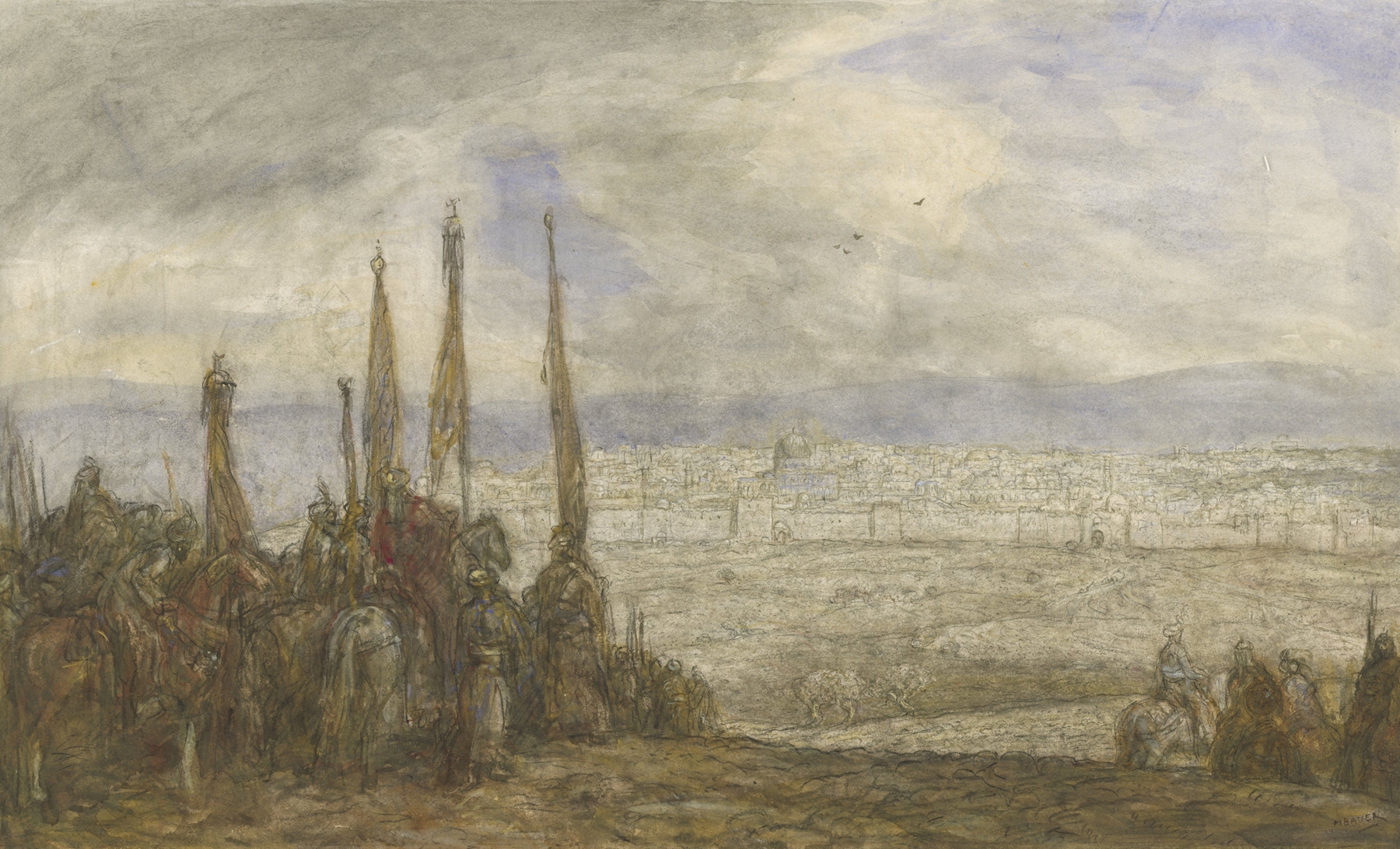
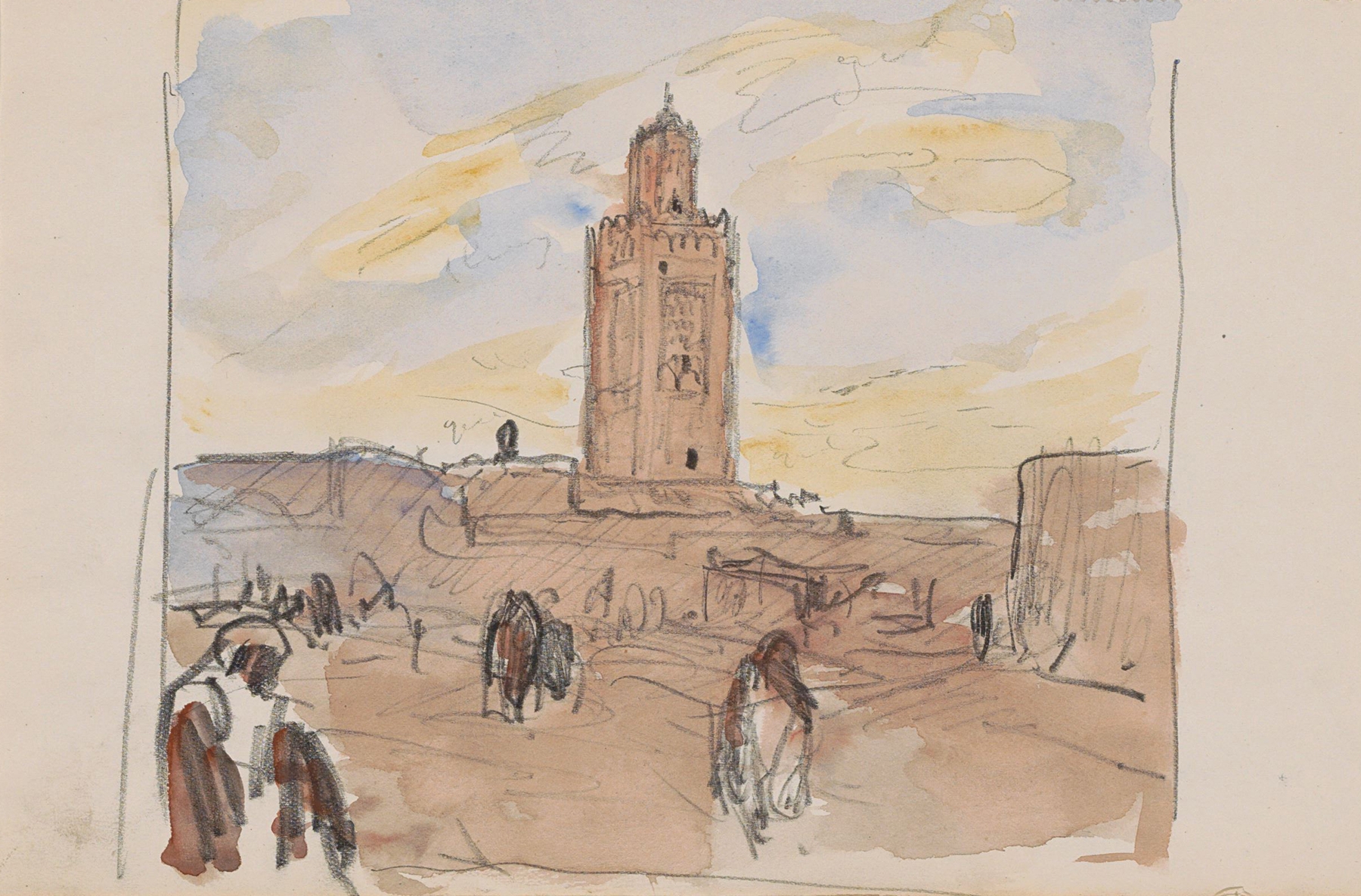
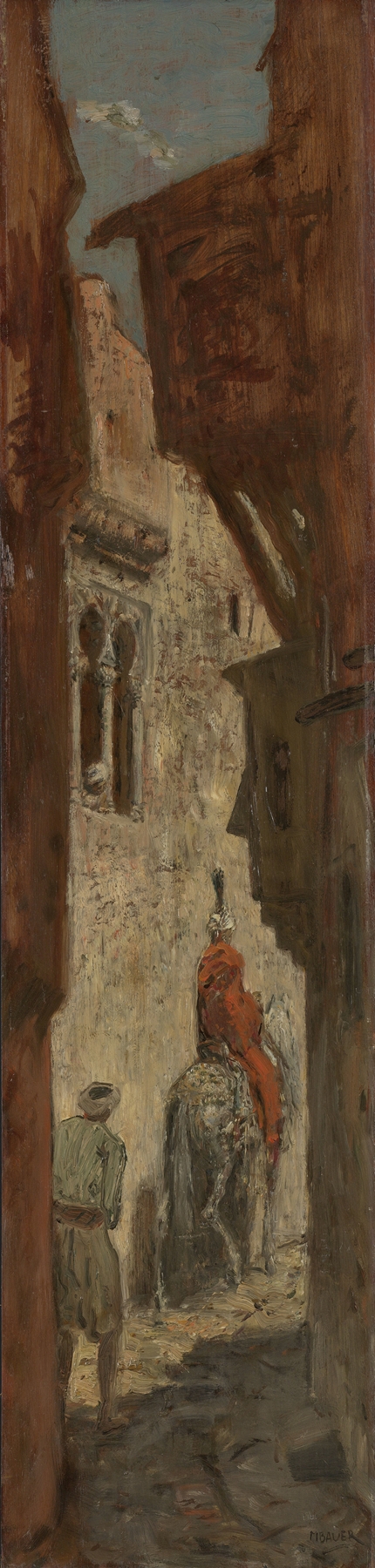
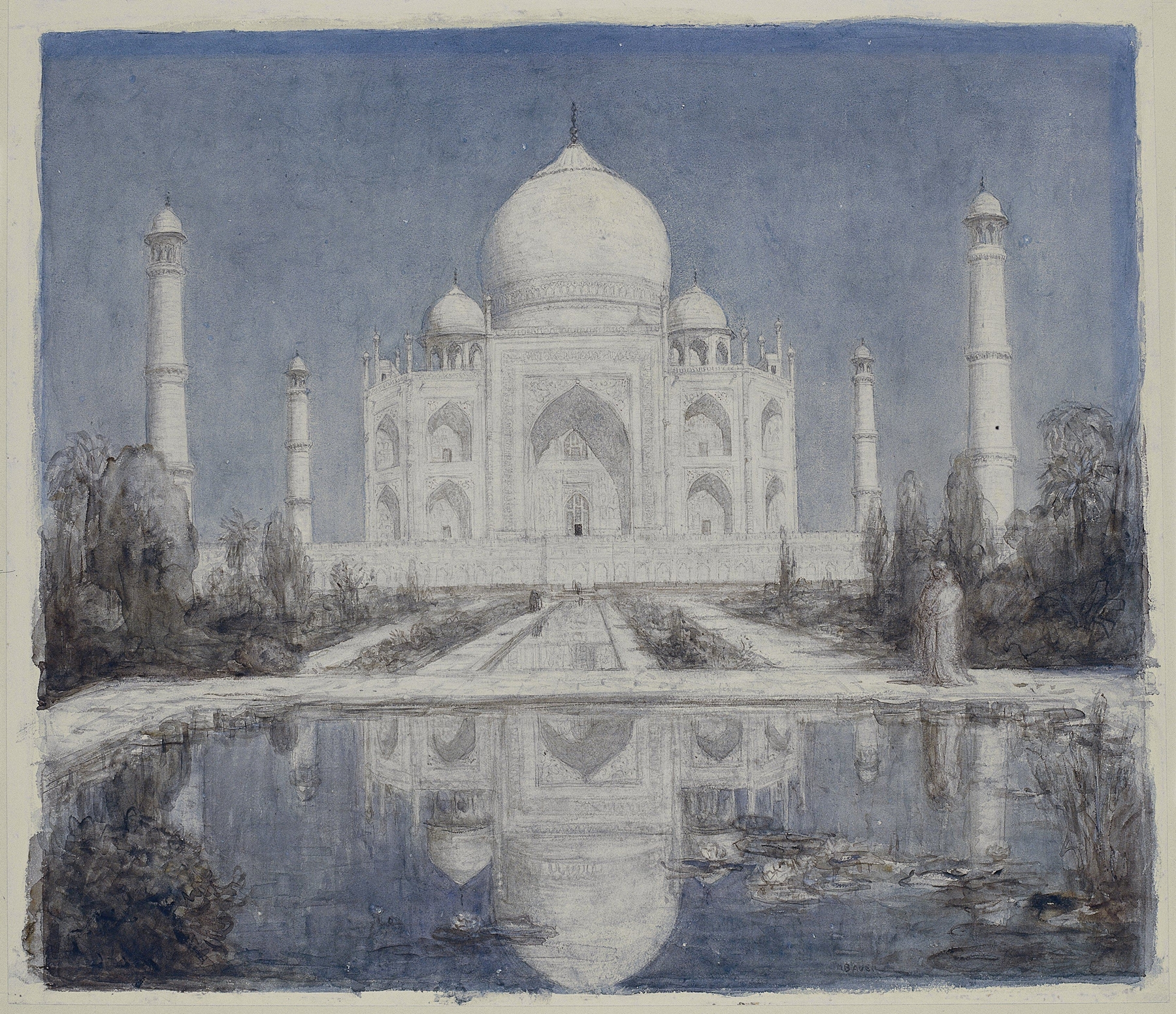
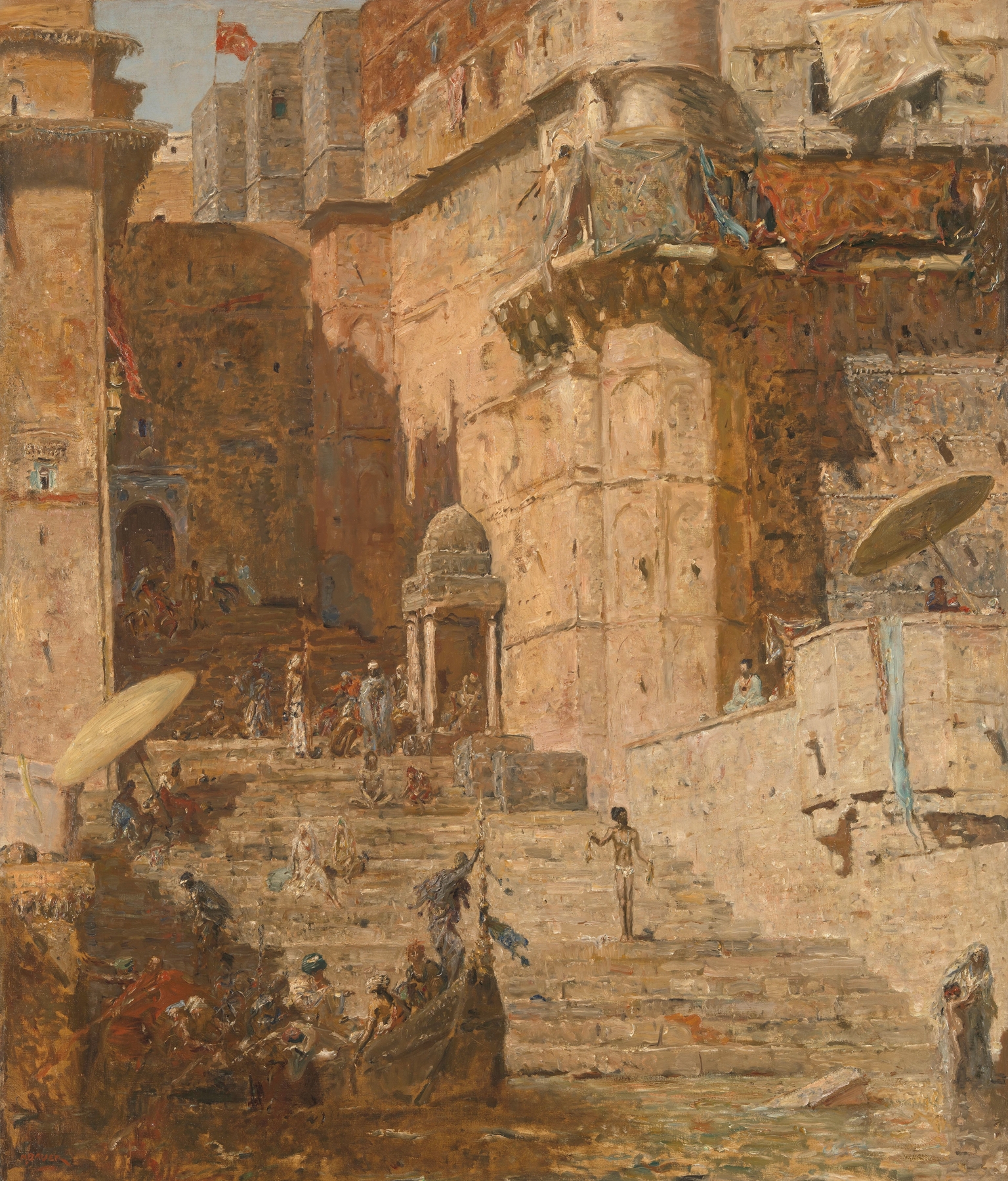
“Under the brush, chaos becomes grace.” In the realm of artistic creation, color transcends mere pigment, becoming a language of emotion that speaks directly to the soul. Look to the vivid hues that dominate the canvas, where bold strokes collide and intertwine, forming a harmonious blend that captivates the eye. Notice how deep blues and soft ochres create a dynamic contrast, drawing your gaze toward the intricate details of the architectural forms. The swirling patterns breathe life into the structure, suggesting movement and vitality that belies the stillness of the design.
At a closer glance, the juxtaposition of light and shadow reveals a deeper narrative—the interplay of stability and transience. The bright splashes of color suggest hope and vitality, while darker tones hint at the weight of history and memory, evoking a sense of longing for the sacred. These layers of meaning resonate with the viewer, inviting contemplation on the nature of faith and the spaces we inhabit.
During the late 19th and early 20th centuries, Marius Bauer worked on Ontwerp voor een kerk amidst a burgeoning interest in modern architecture and design. This was a time of experimentation and transformation within the art world, as artists began to redefine their roles in society. Living in a rapidly changing Europe, he sought to blend traditional values with contemporary aesthetics, allowing spirituality and innovation to inform his vision for sacred spaces.