Oriental scenery Pl.15 — History & Analysis
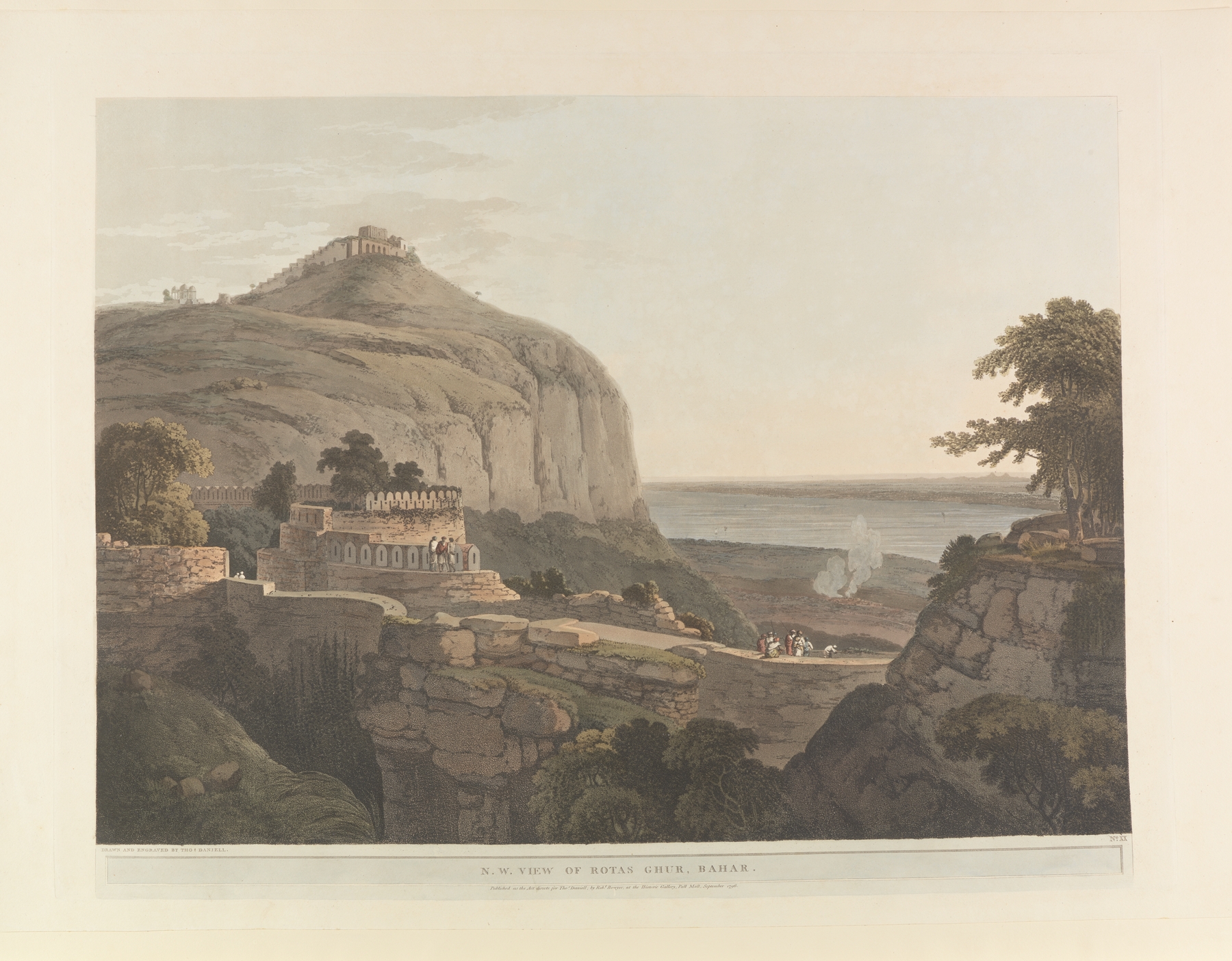
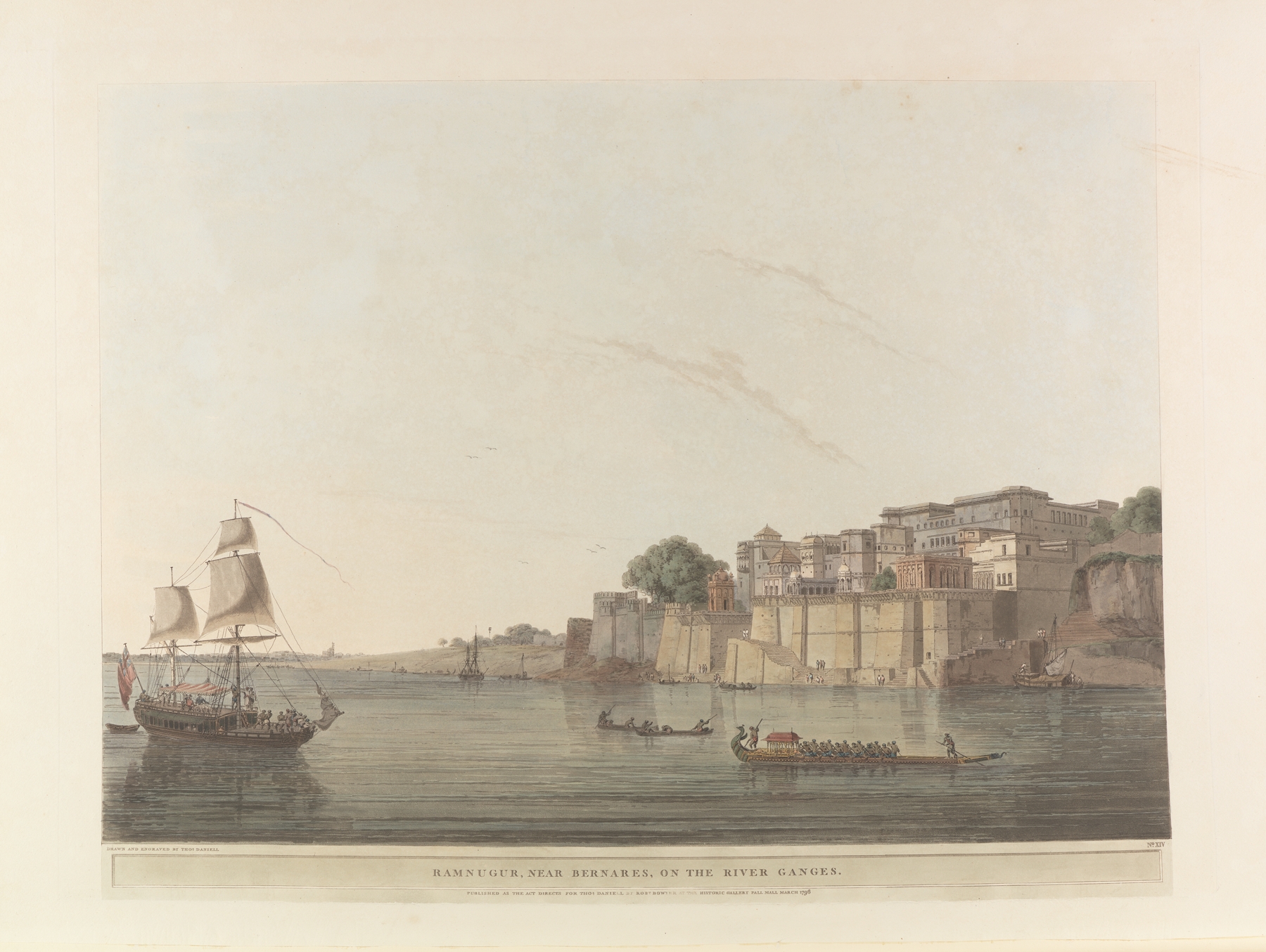
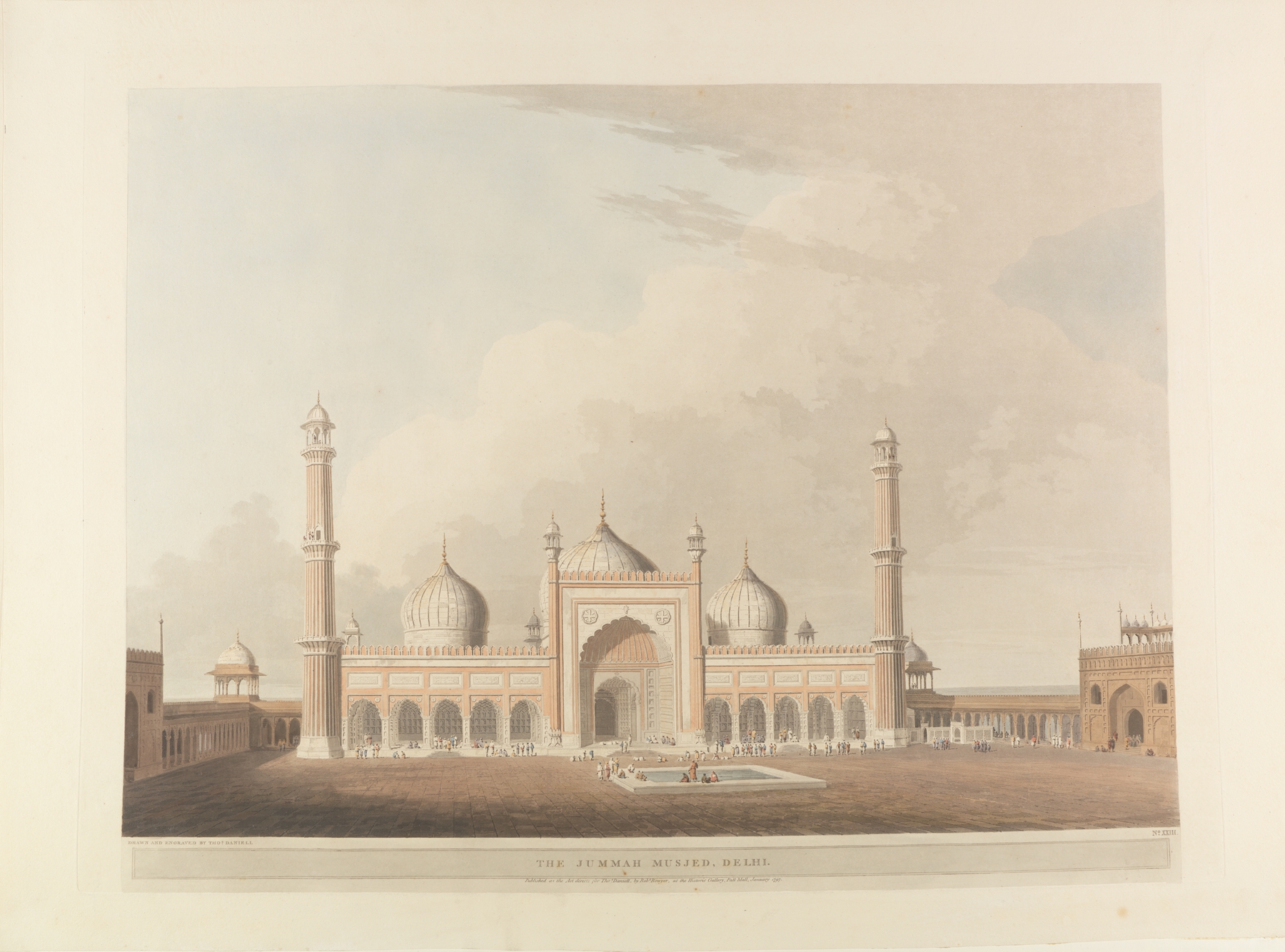
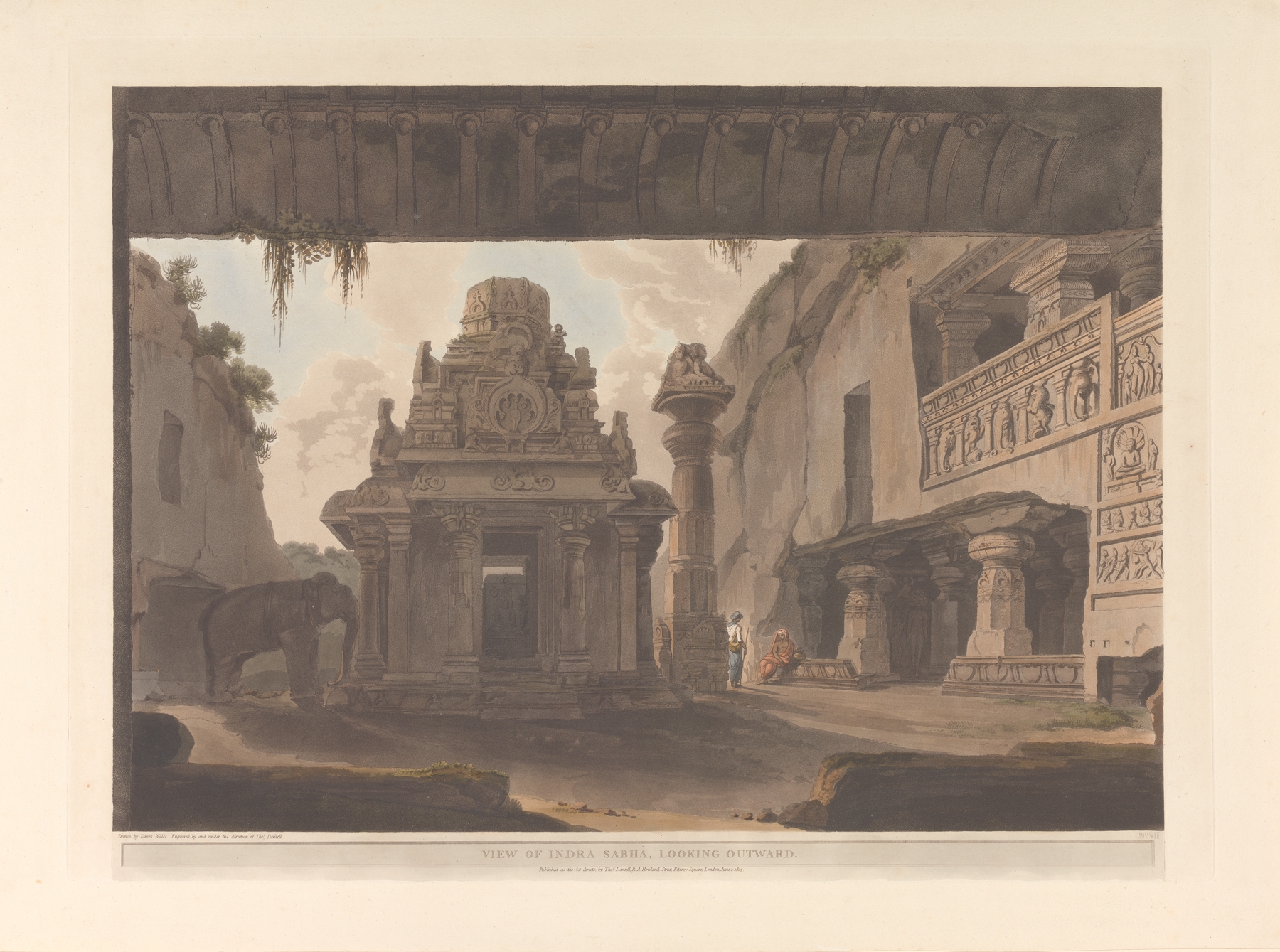
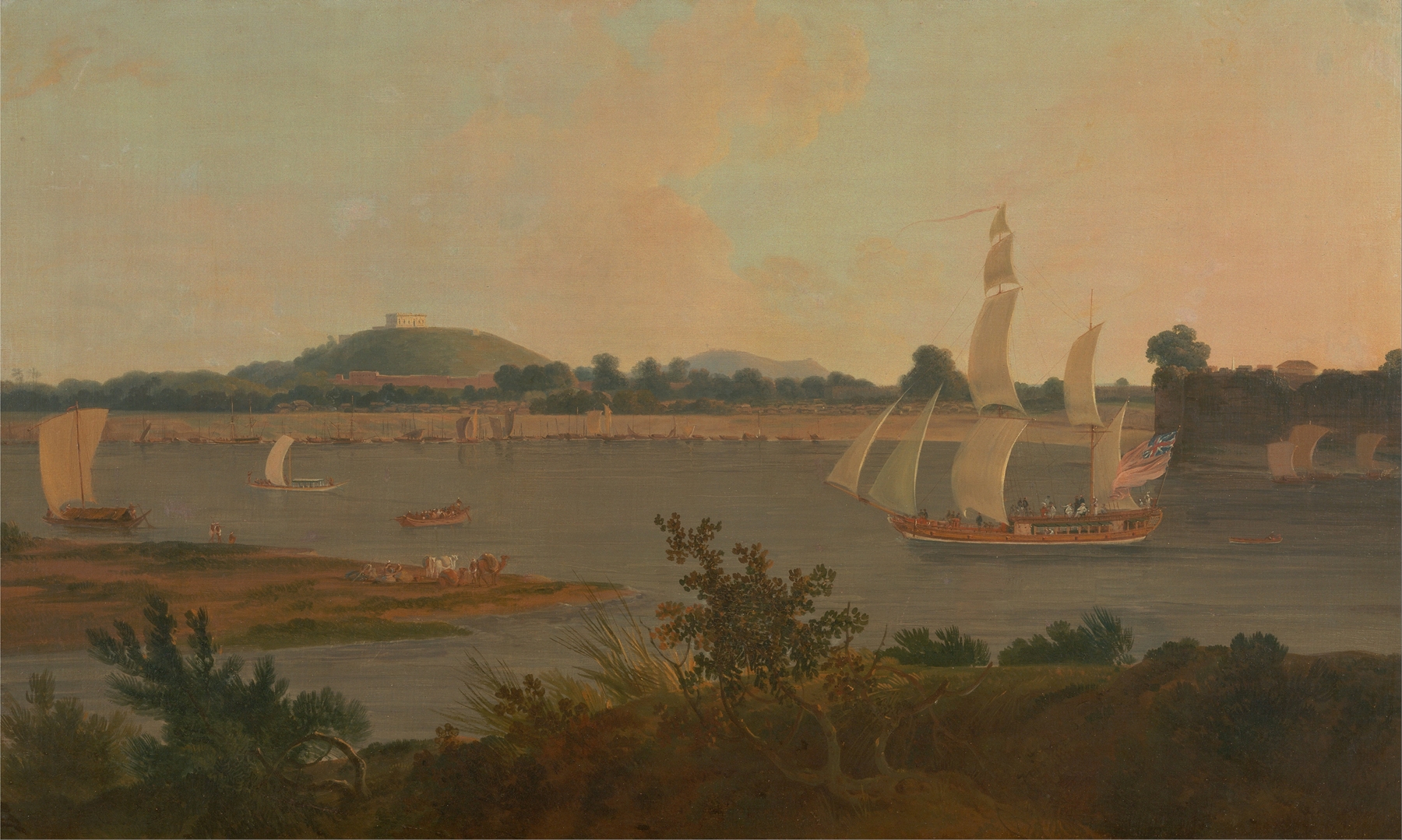
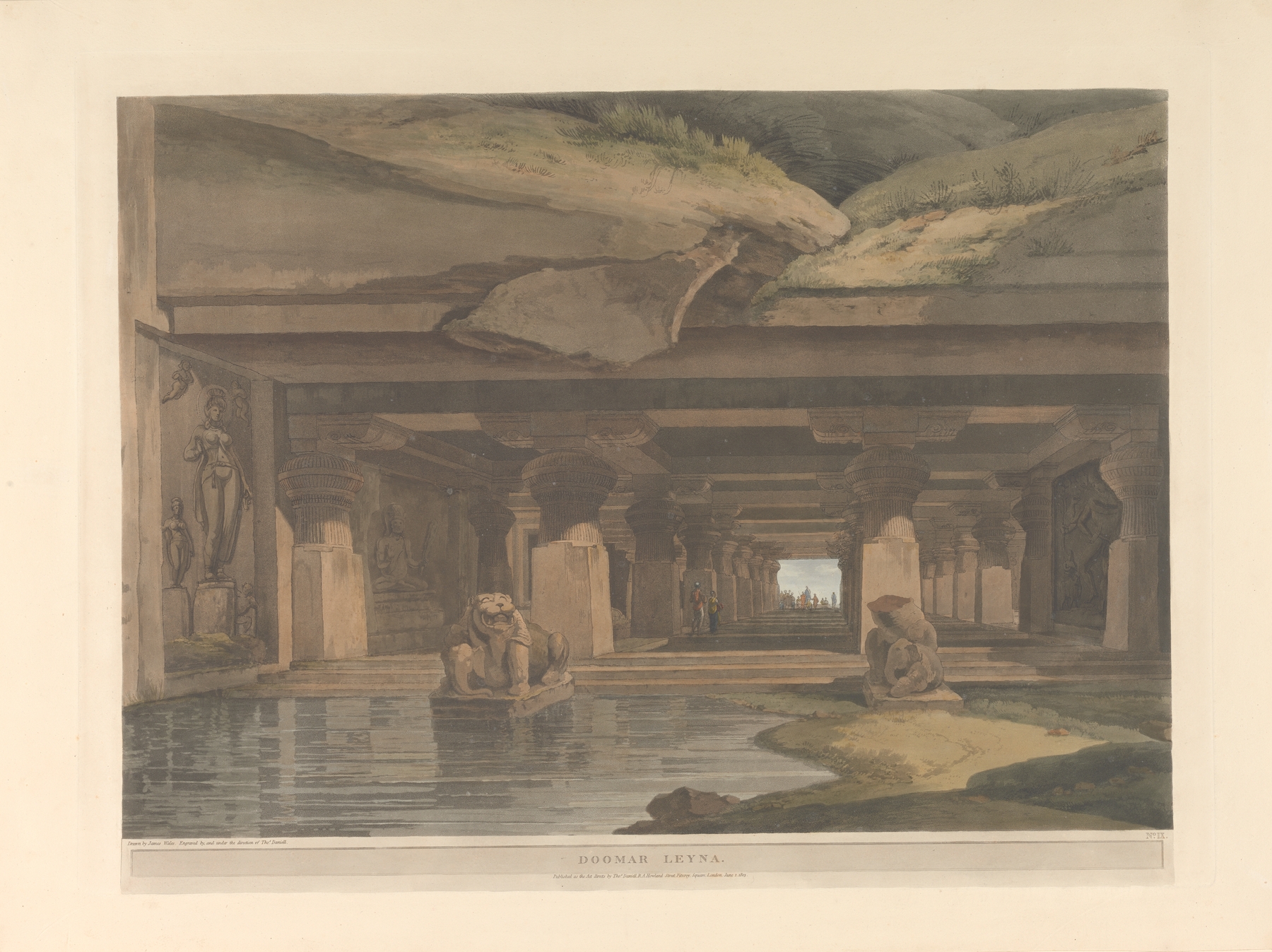
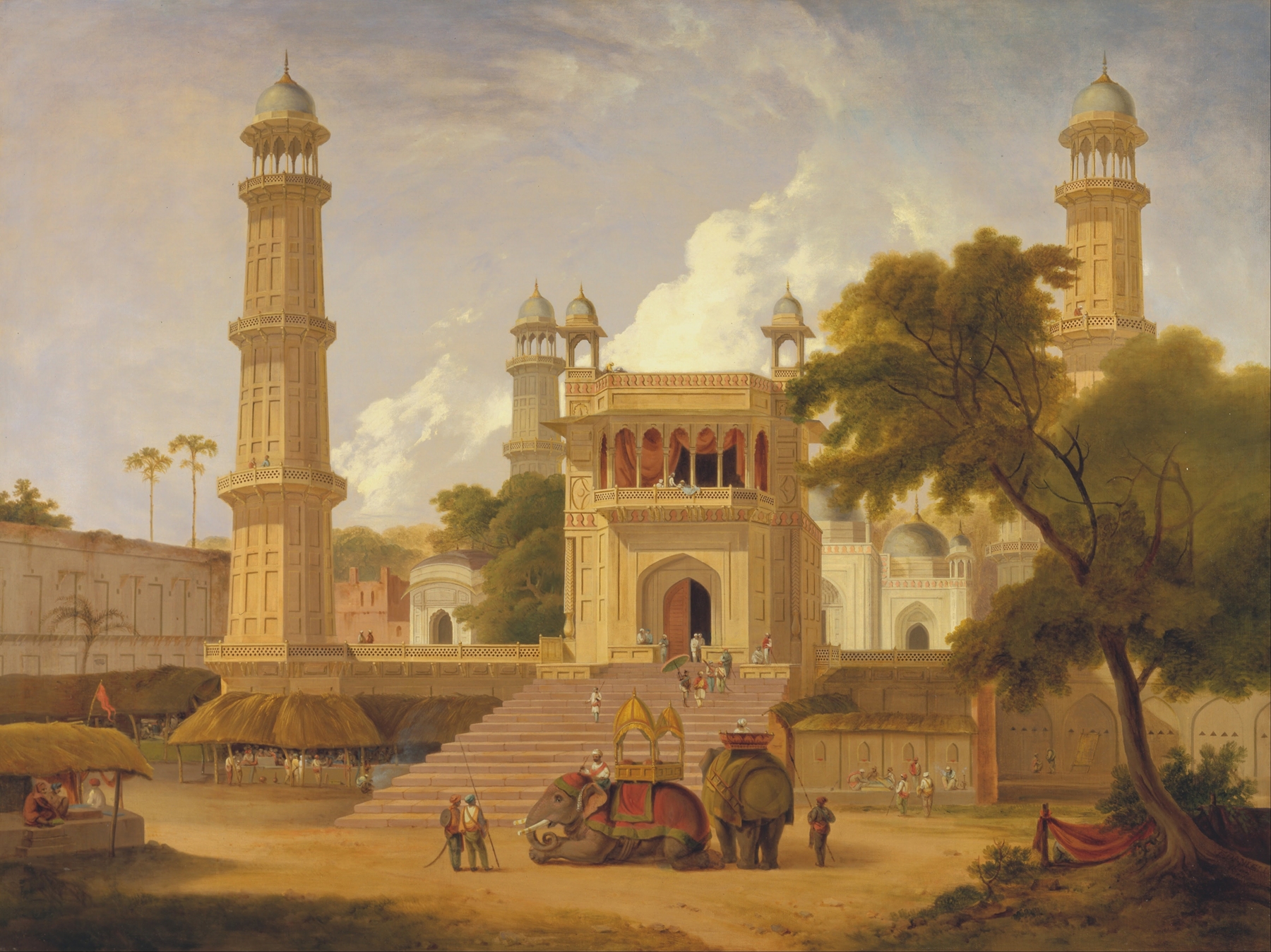
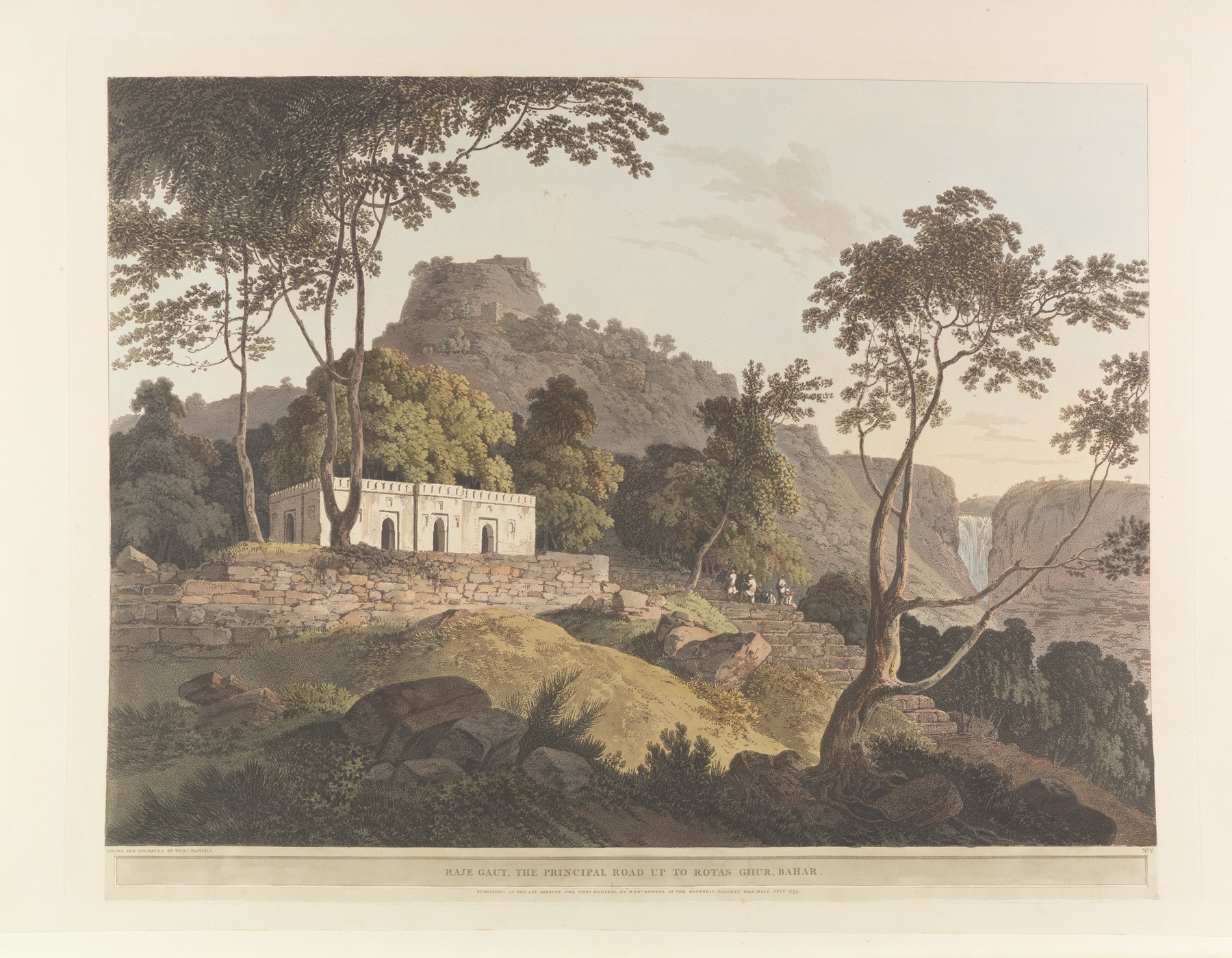
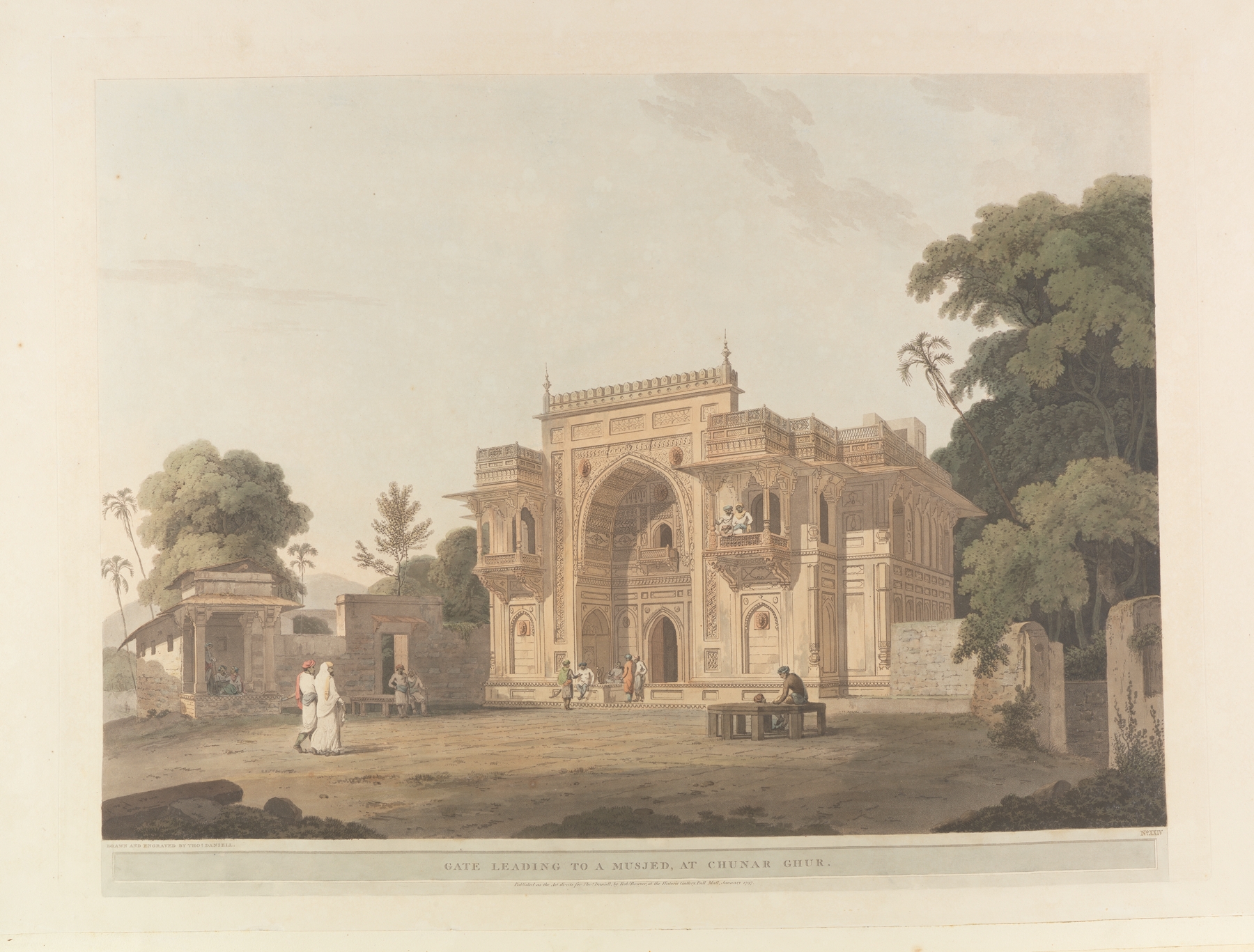
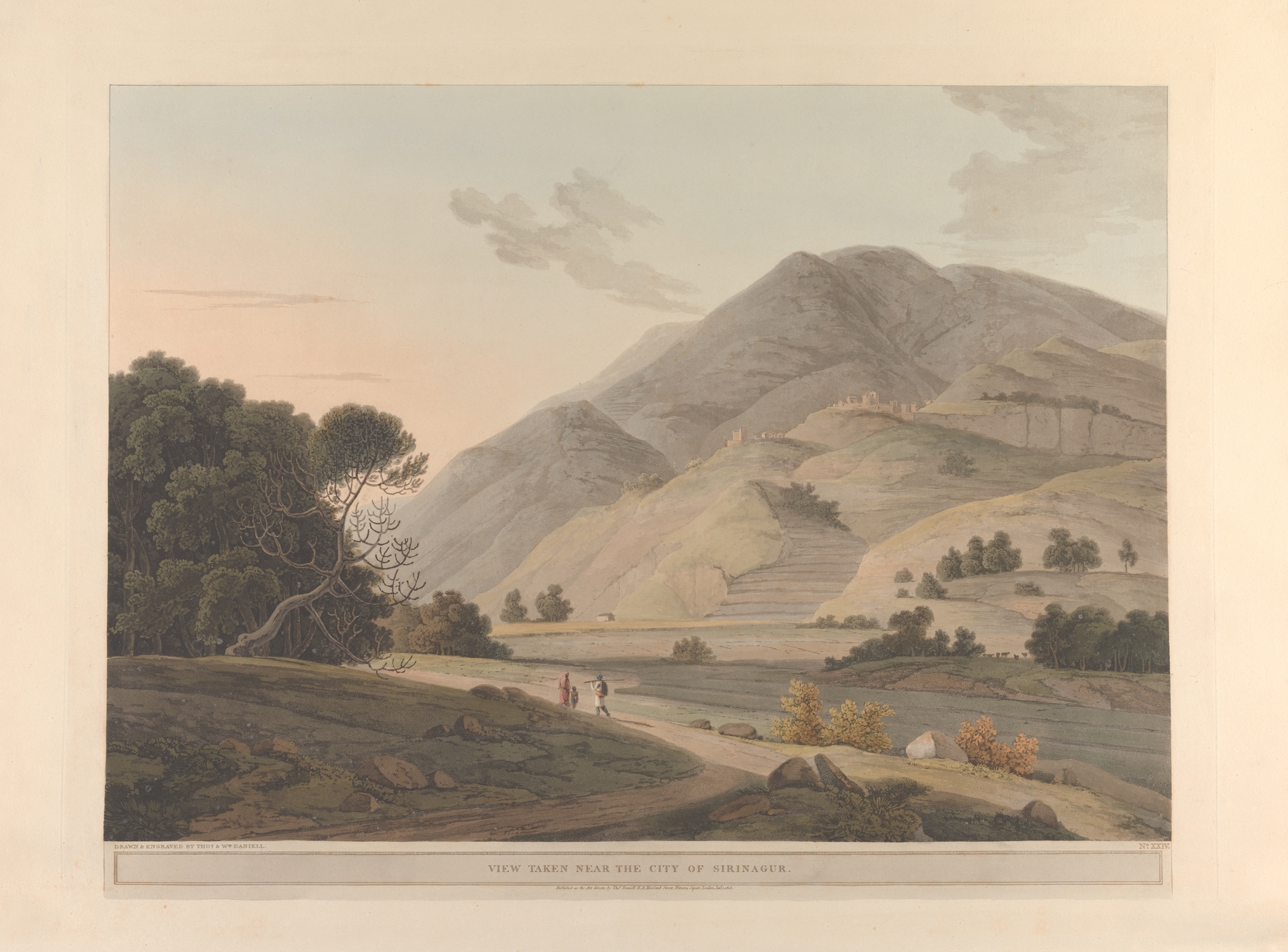
Could a single brushstroke hold eternity? In Oriental Scenery Pl.15, the vastness of an empty landscape resonates with the weight of silence, inviting us to ponder the essence of emptiness itself. Look to the left at the expansive horizon where a delicate interplay of soft blues and greens merges with the distant mountains. As your gaze moves across the canvas, notice the meticulously rendered details of the foreground—lush foliage, intricately shaped trees, and a soft, winding river.
Daniell's skilled use of watercolor technique blurs the boundaries between land and sky, creating a dreamlike quality that speaks to both serenity and isolation. Within this tranquil setting, contrasts emerge—between the lively hues of nature and the shadowy outlines of distant peaks, between the vibrancy of life and the stillness of the space that envelops it. The absence of human presence allows viewers to confront their own feelings of solitude, prompting reflection on the relationship between humanity and the vastness of the natural world. It whispers the potential that lies in emptiness, inviting us to explore what fills the void.
In 1808, Thomas Daniell was immersed in the exploration of Eastern landscapes, having traveled extensively through India. The world of art at that time was shifting, with the Romantic movement gaining momentum, emphasizing emotion and individual experience. His works from this period not only documented the beauty of the Orient but also sought to capture the transcendent essence of the places he encountered, merging observation with a deep, contemplative engagement with the landscape.