Oriental scenery Pl.17 — History & Analysis
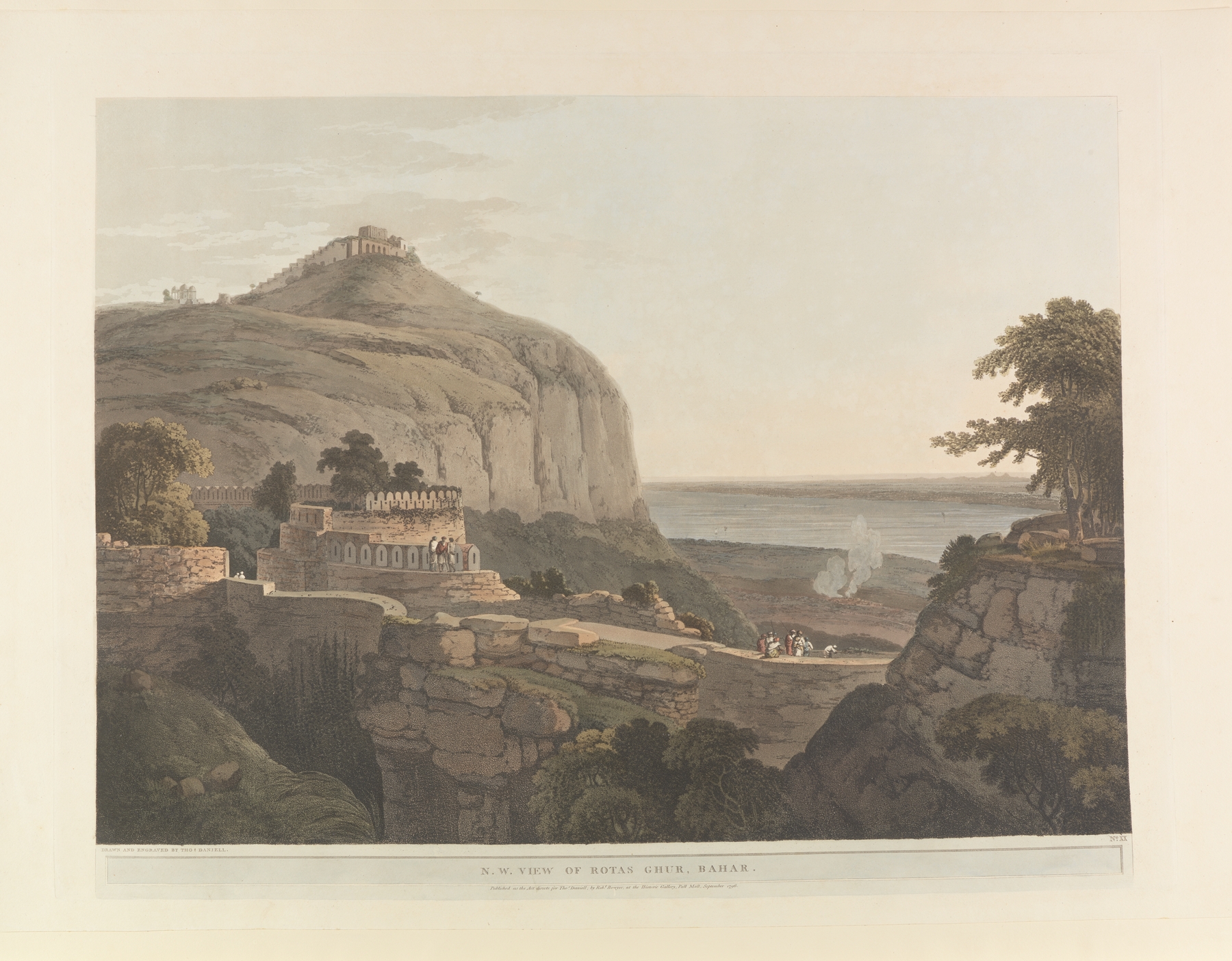
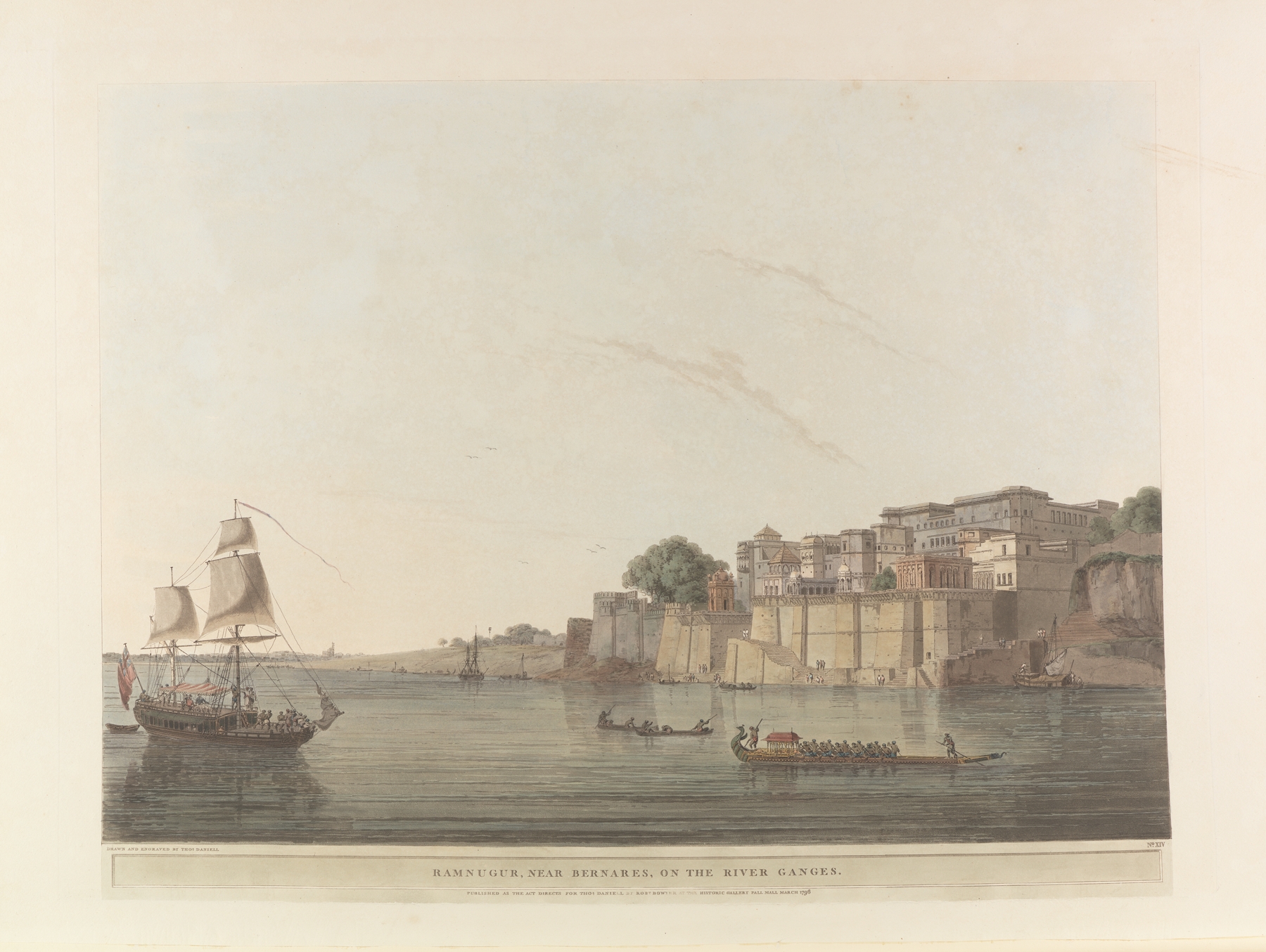
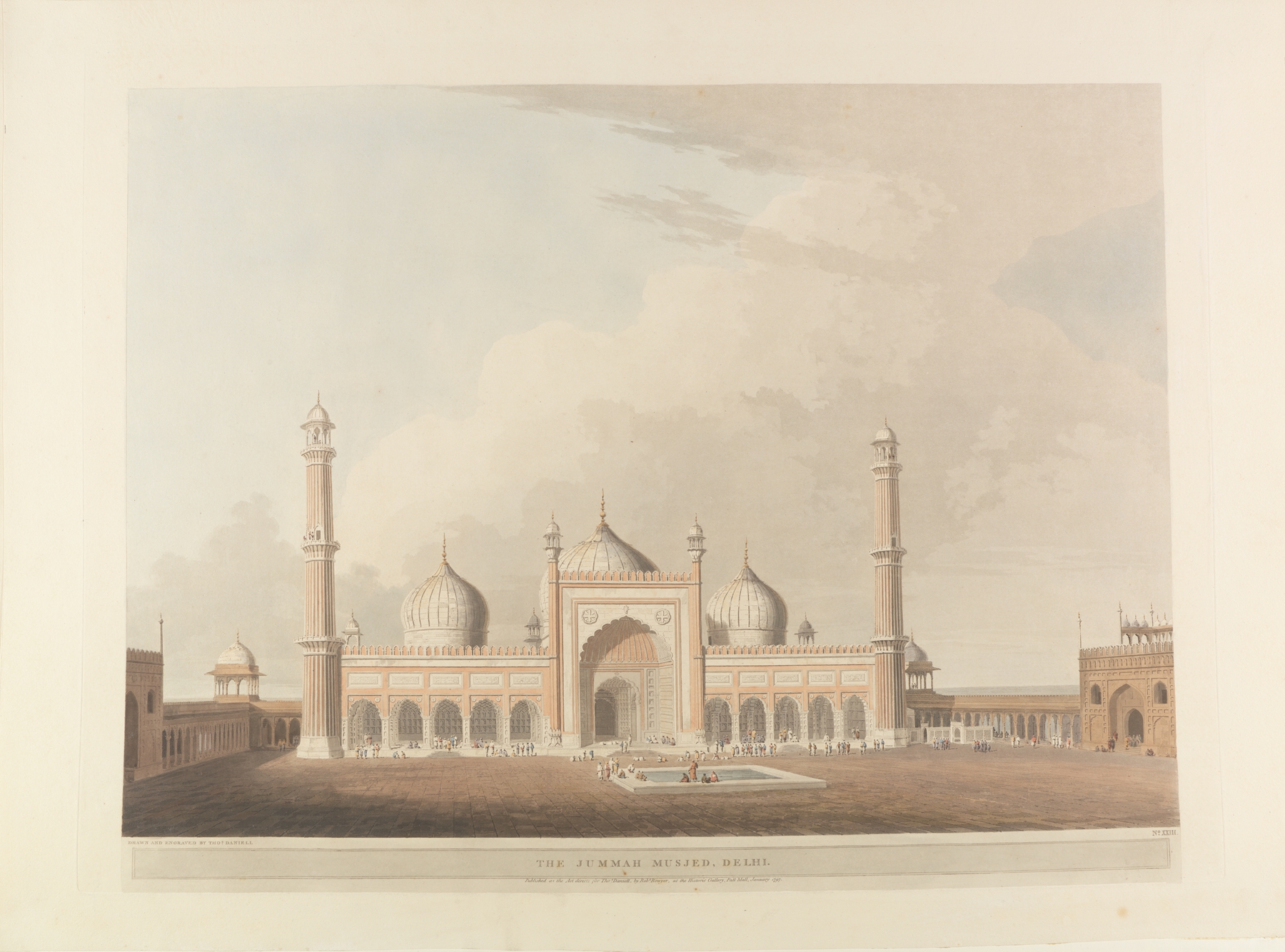
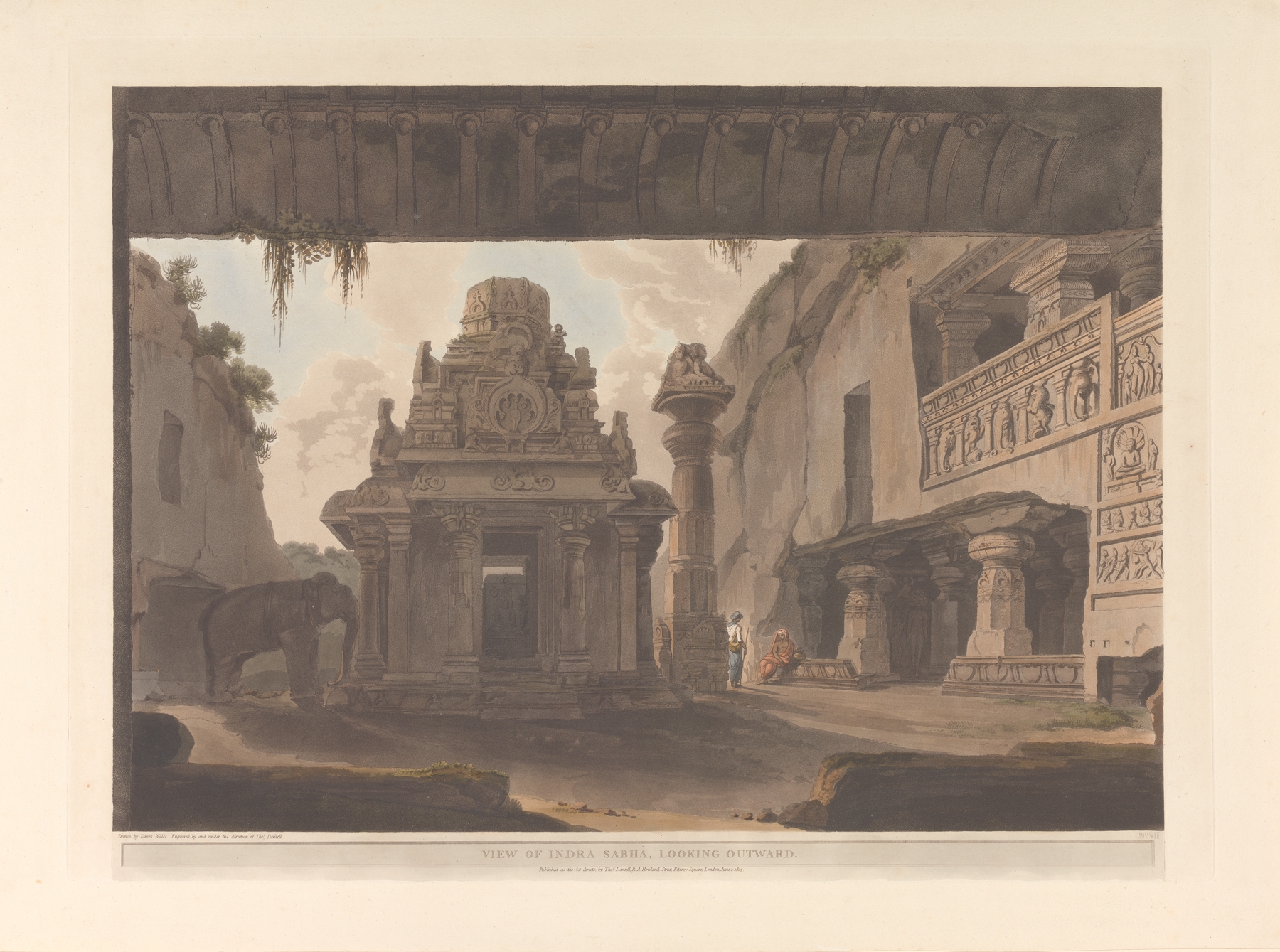
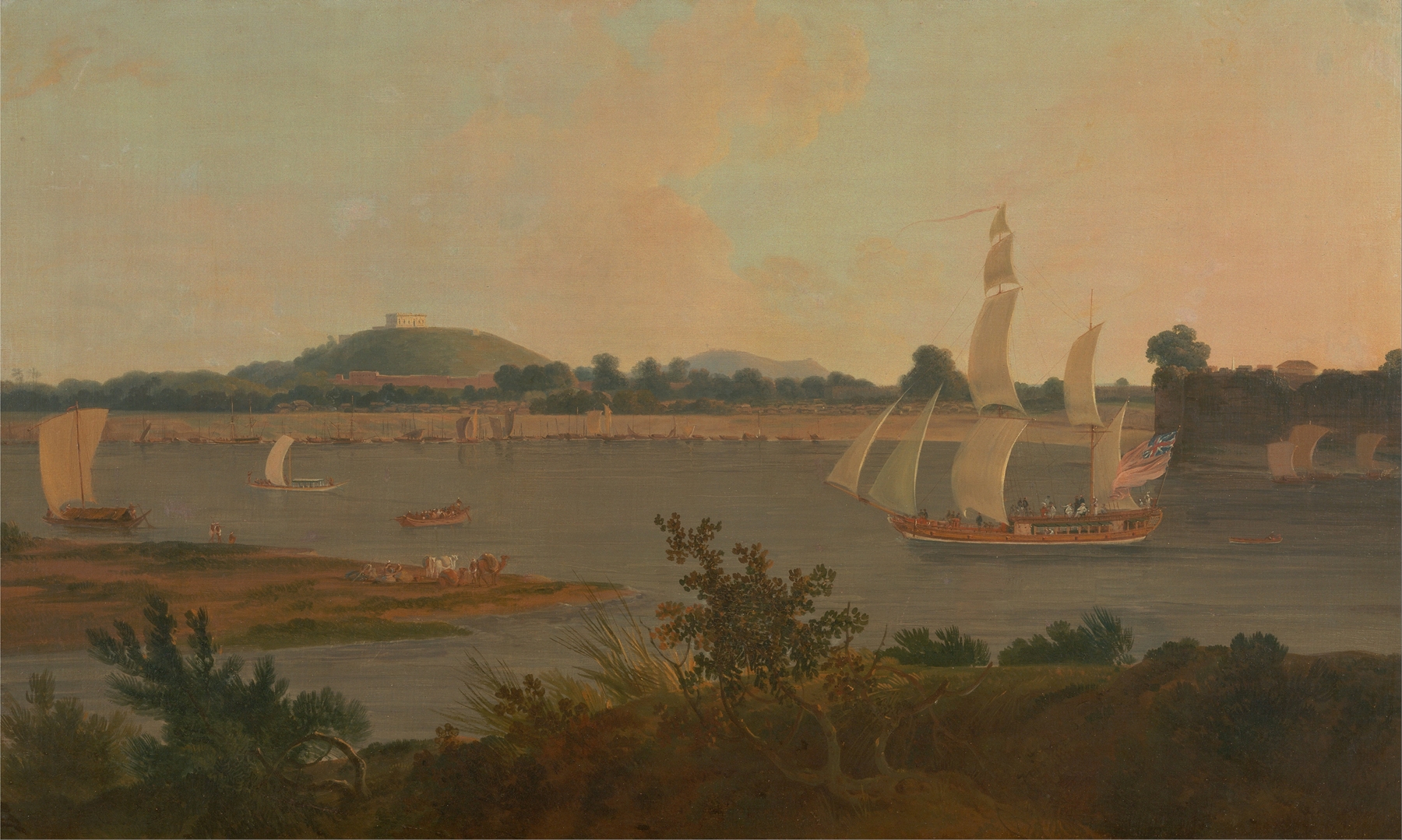
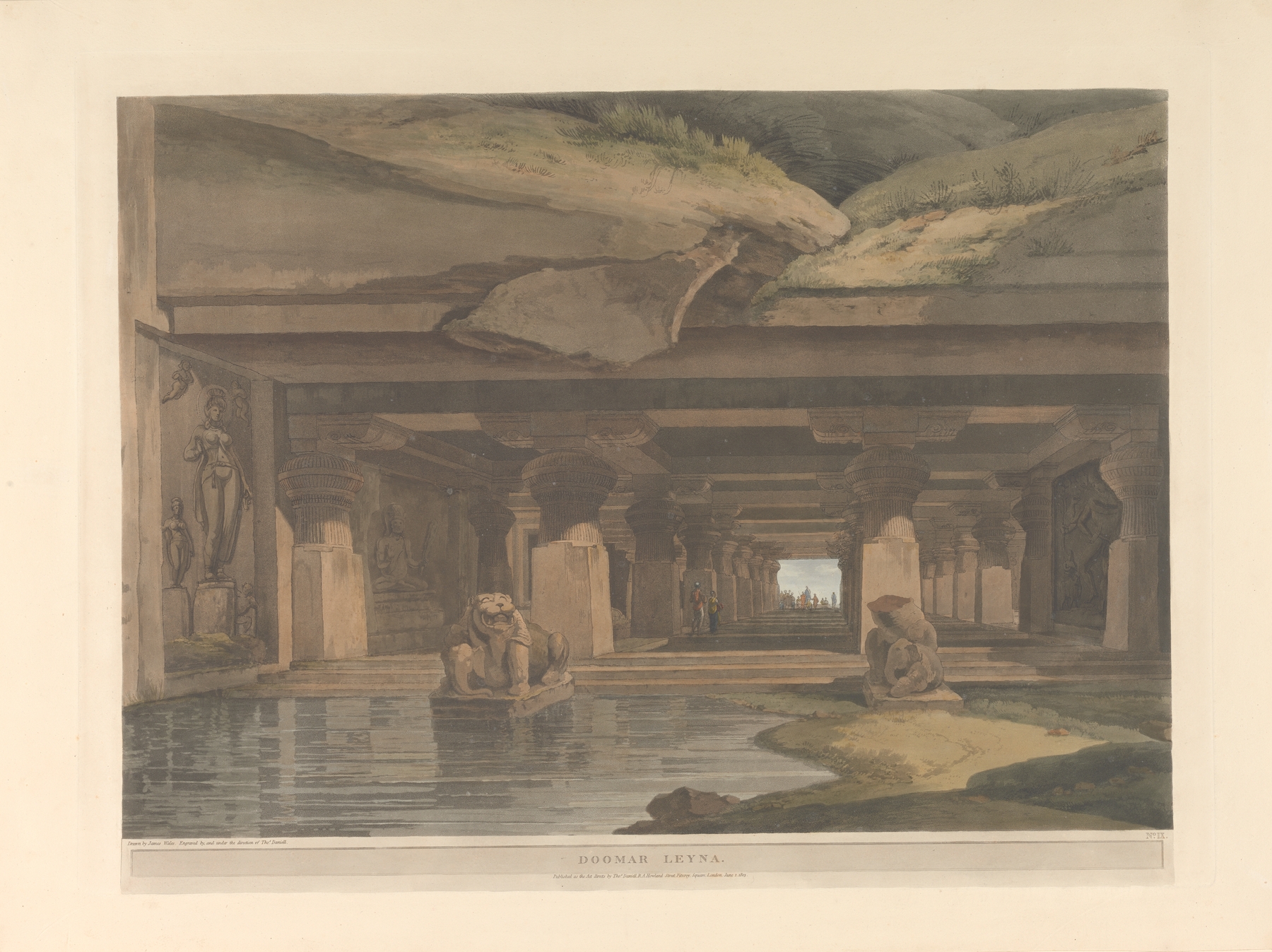
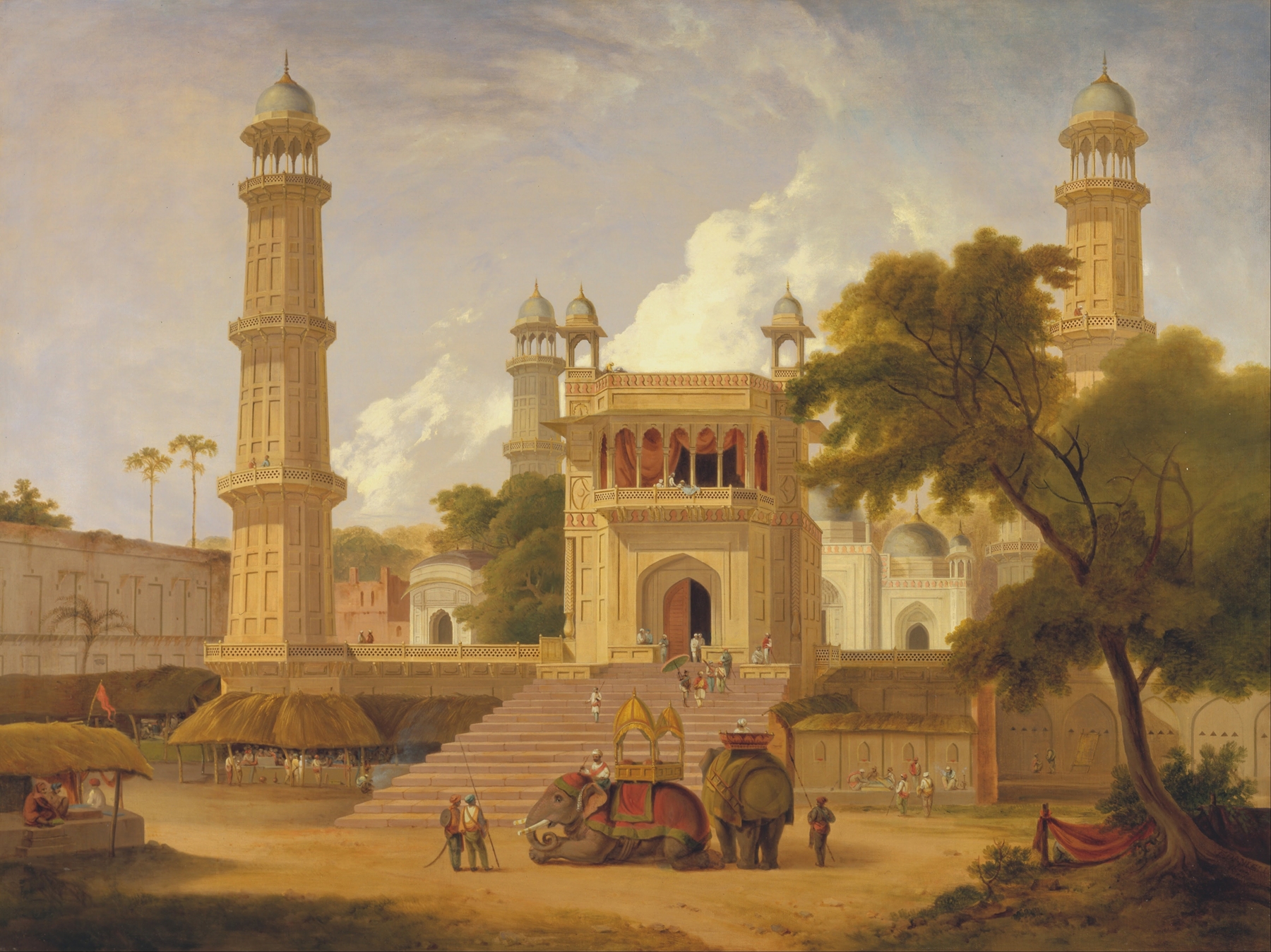
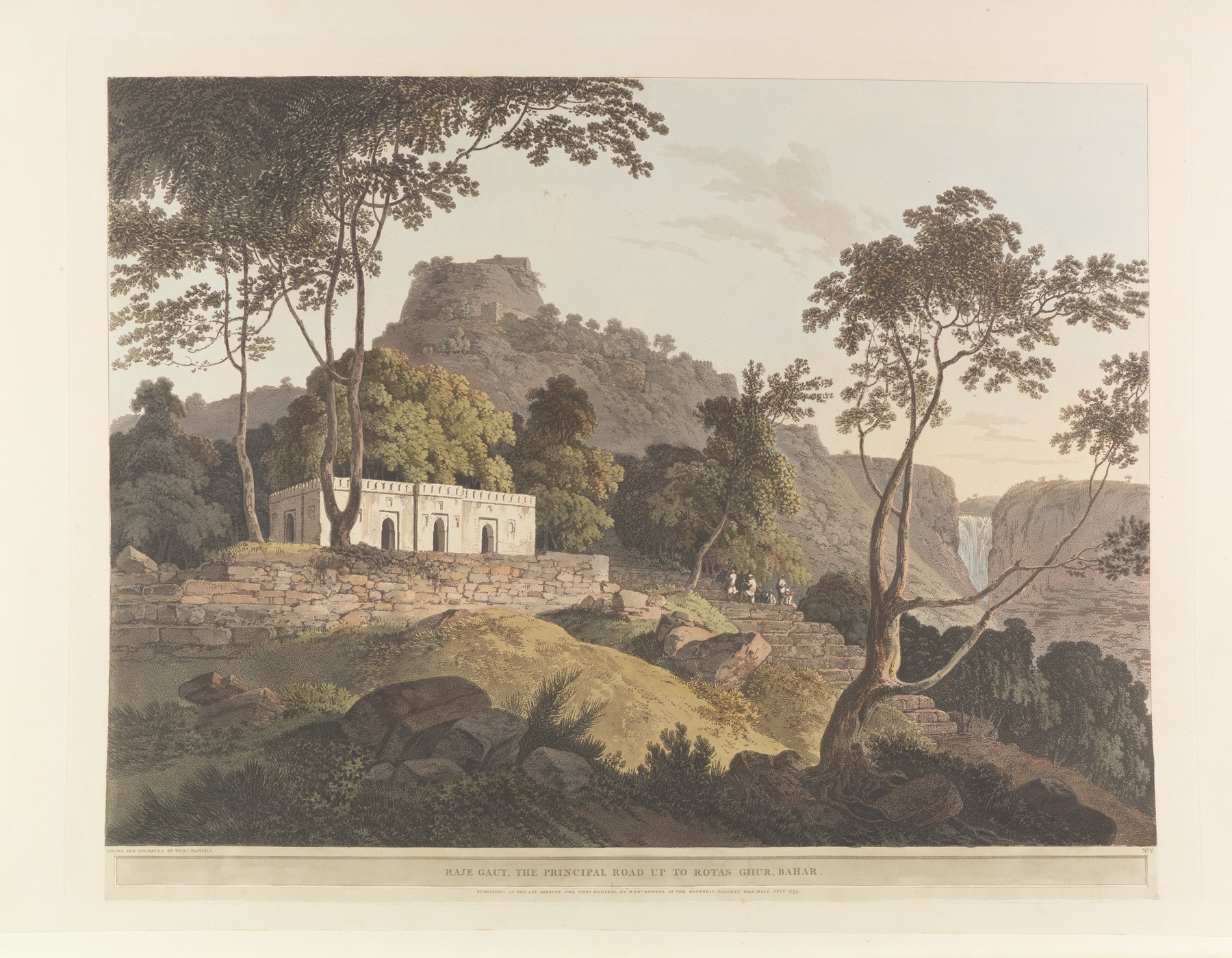
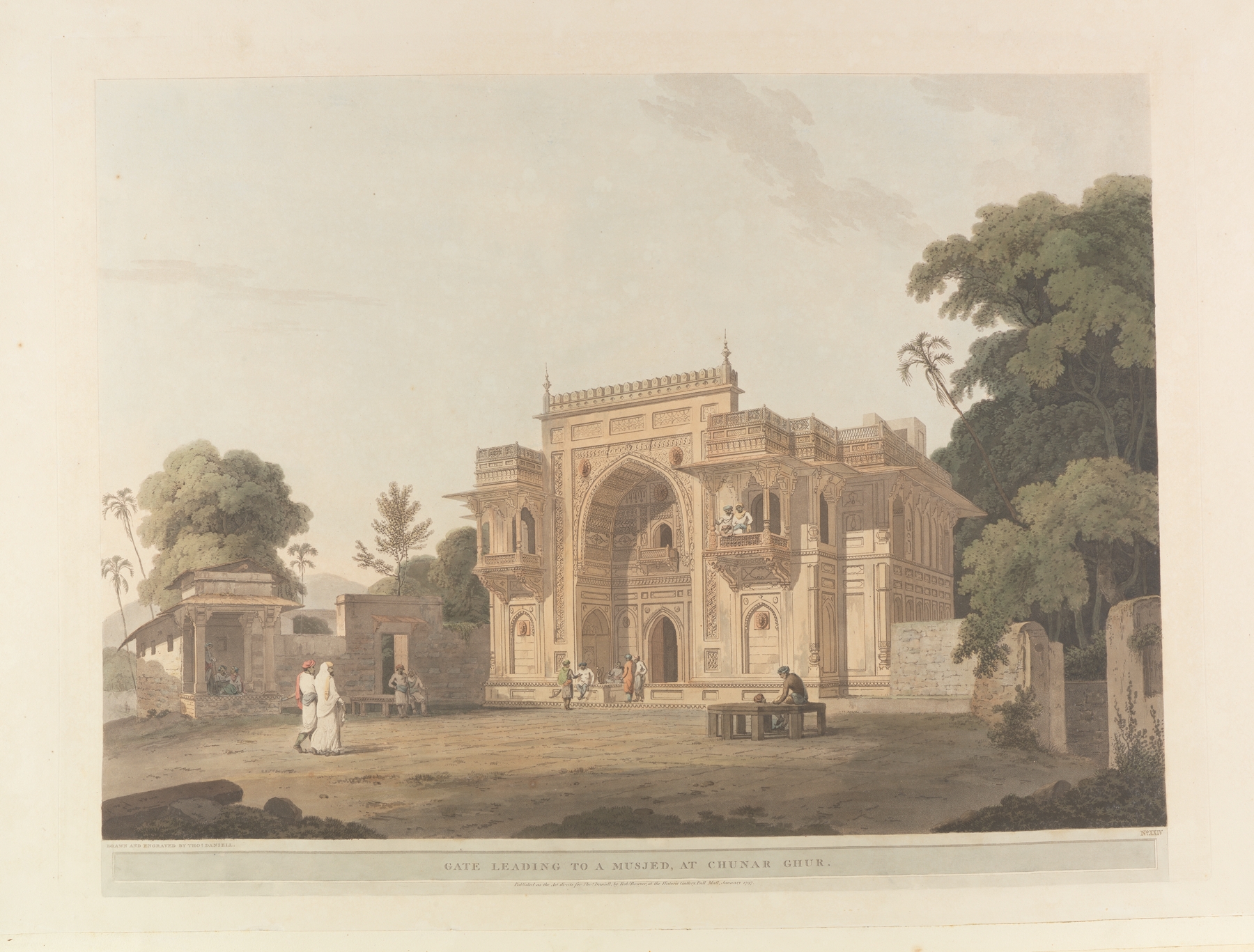
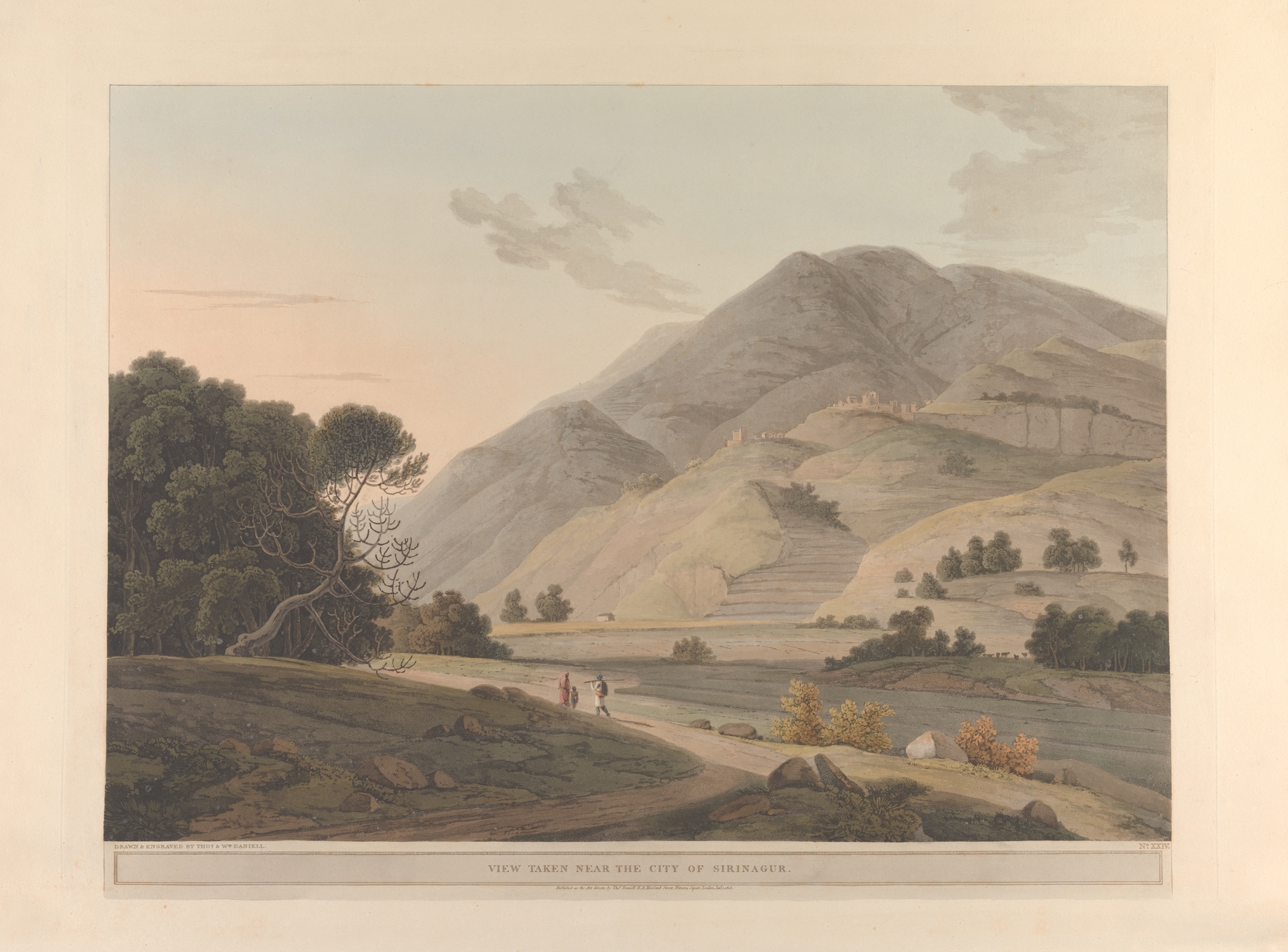
What if beauty was never meant to be finished? In Oriental Scenery Pl. 17, the lingering essence of time unfurls, inviting contemplation on the transitory nature of landscapes and our perceptions. Look to the foreground where delicate brushstrokes depict a tranquil river, its surface shimmering with hints of gold as the sun dips low on the horizon. Focus on the soft, blending hues of turquoise and green that characterize the lush banks, framing the expansive view with a sense of lush abundance.
The meticulous attention to detail in the foliage and distant mountains draws the viewer's eye deeper into the composition, creating a harmonious balance between serenity and vastness. Within this tranquil scene lies a tension between permanence and impermanence. The serene waters suggest stillness, yet the light hints at the fleeting moments of dusk, whispering of change to come. The silhouettes of mountains in the background evoke a sense of depth and infinity, contrasting with the ephemeral beauty of the foreground, where the echoes of nature's beauty remind us of our own transitory existence.
Created in 1808, Oriental Scenery Pl. 17 reflects Thomas Daniell's deep fascination with the landscapes of India, where he captured the charm of nature during his travels. This period marked a time of exploration and growing interest in Eastern cultures among Western artists, as Romanticism began to infuse their work with emotive themes and rich symbolism. Daniell’s blend of observation and imagination serves as a testament to the evolving narrative of art and the world beyond his canvas.