Ornamenteel sculptuur in de Santa Sabina te Rome — History & Analysis
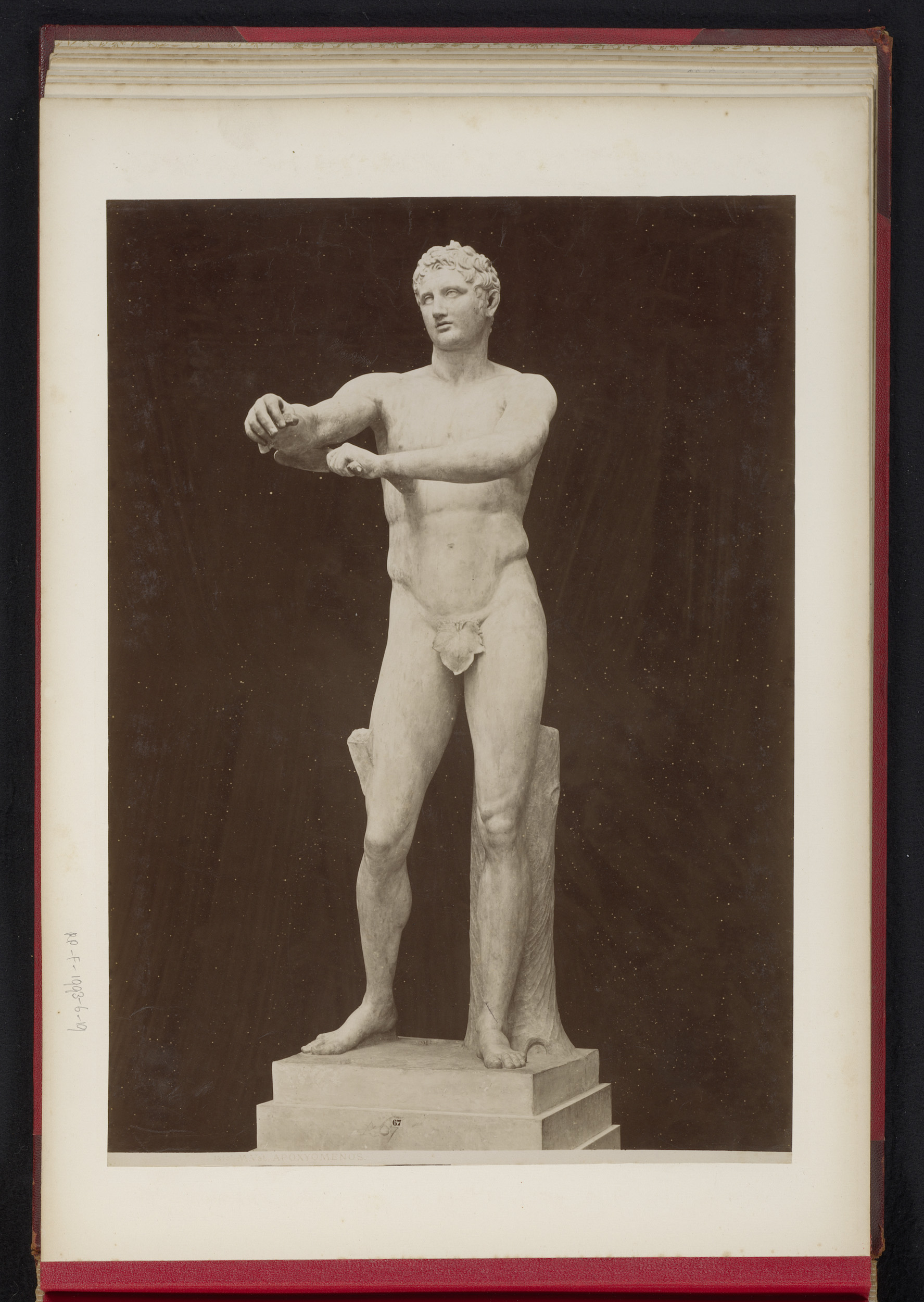
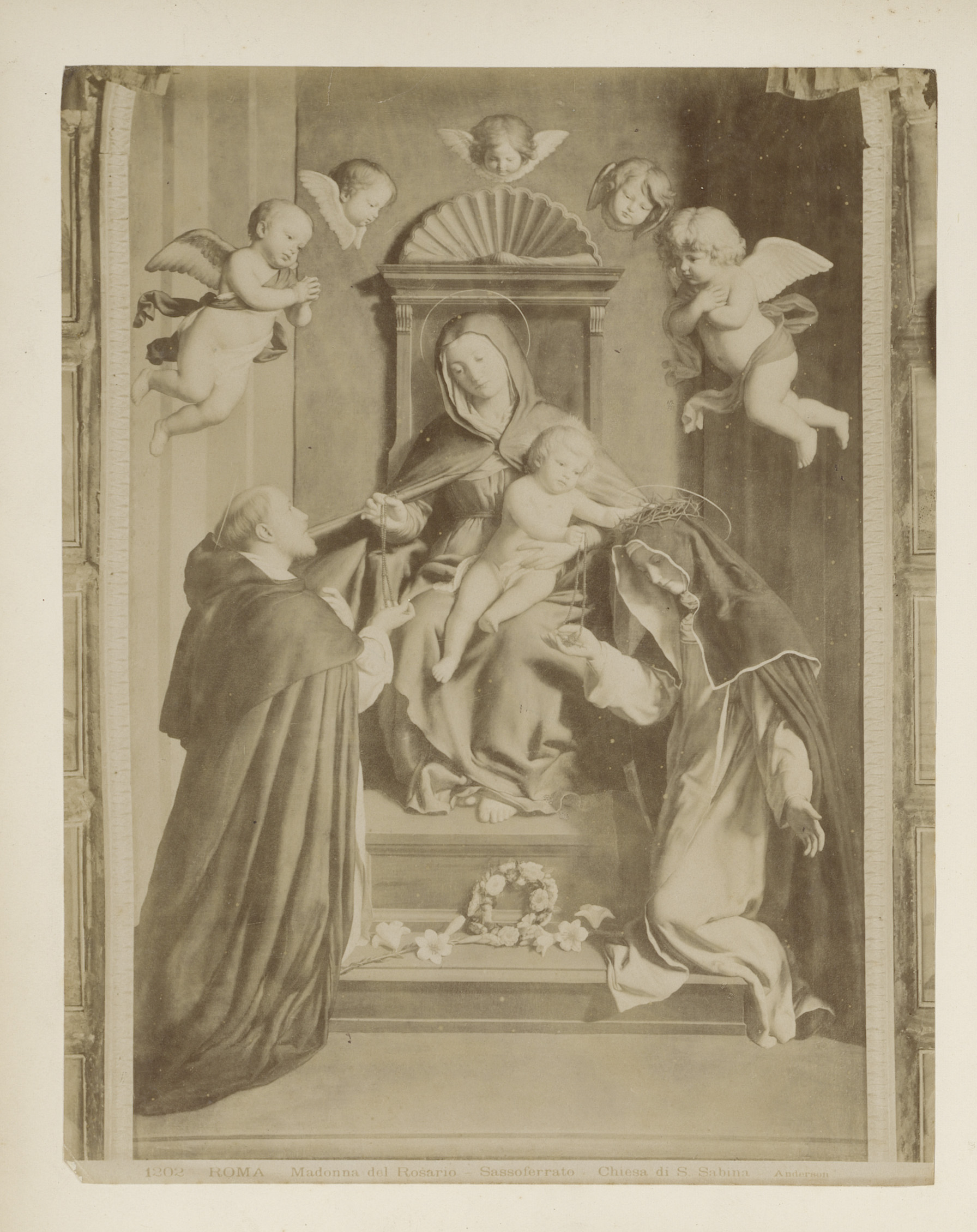
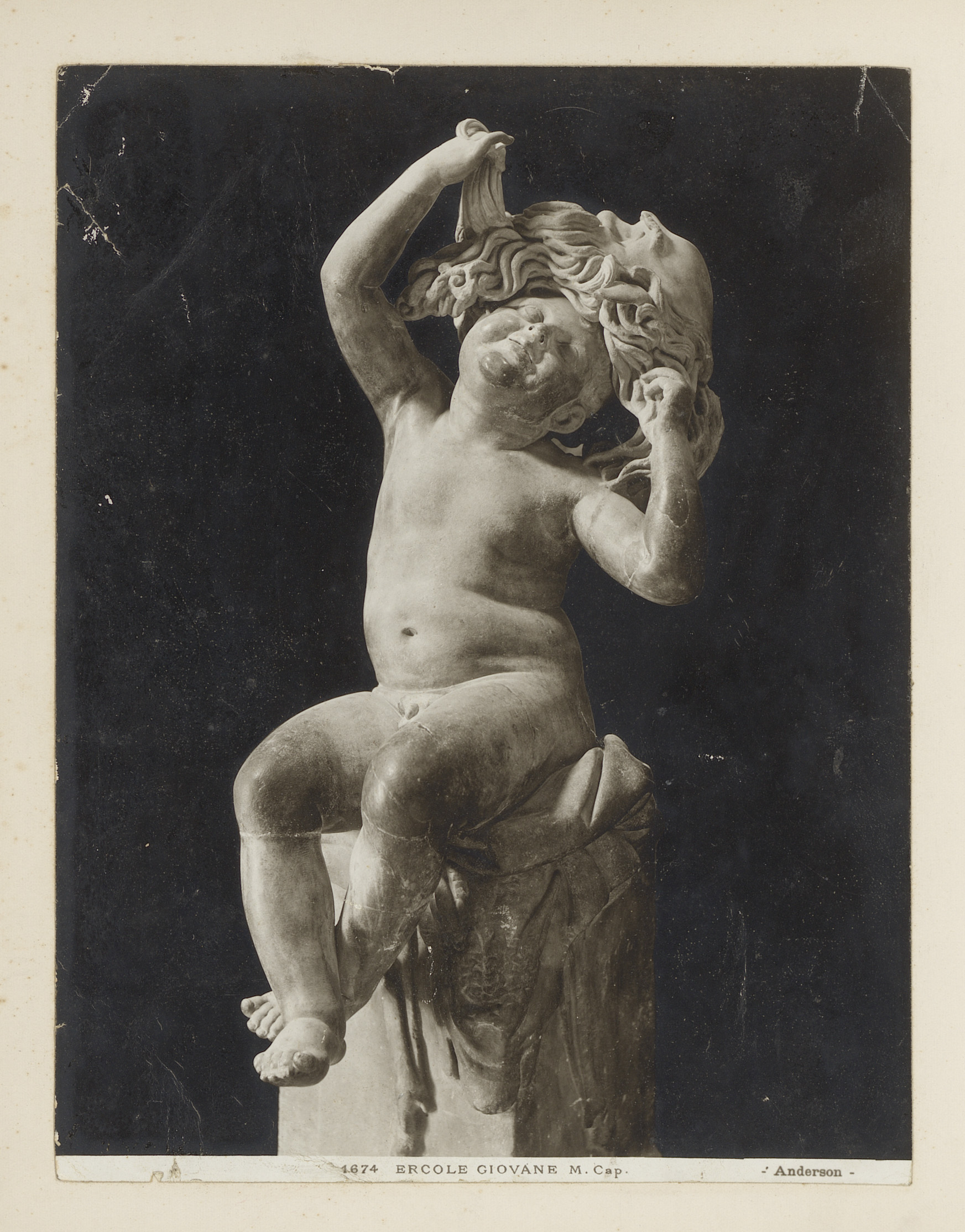
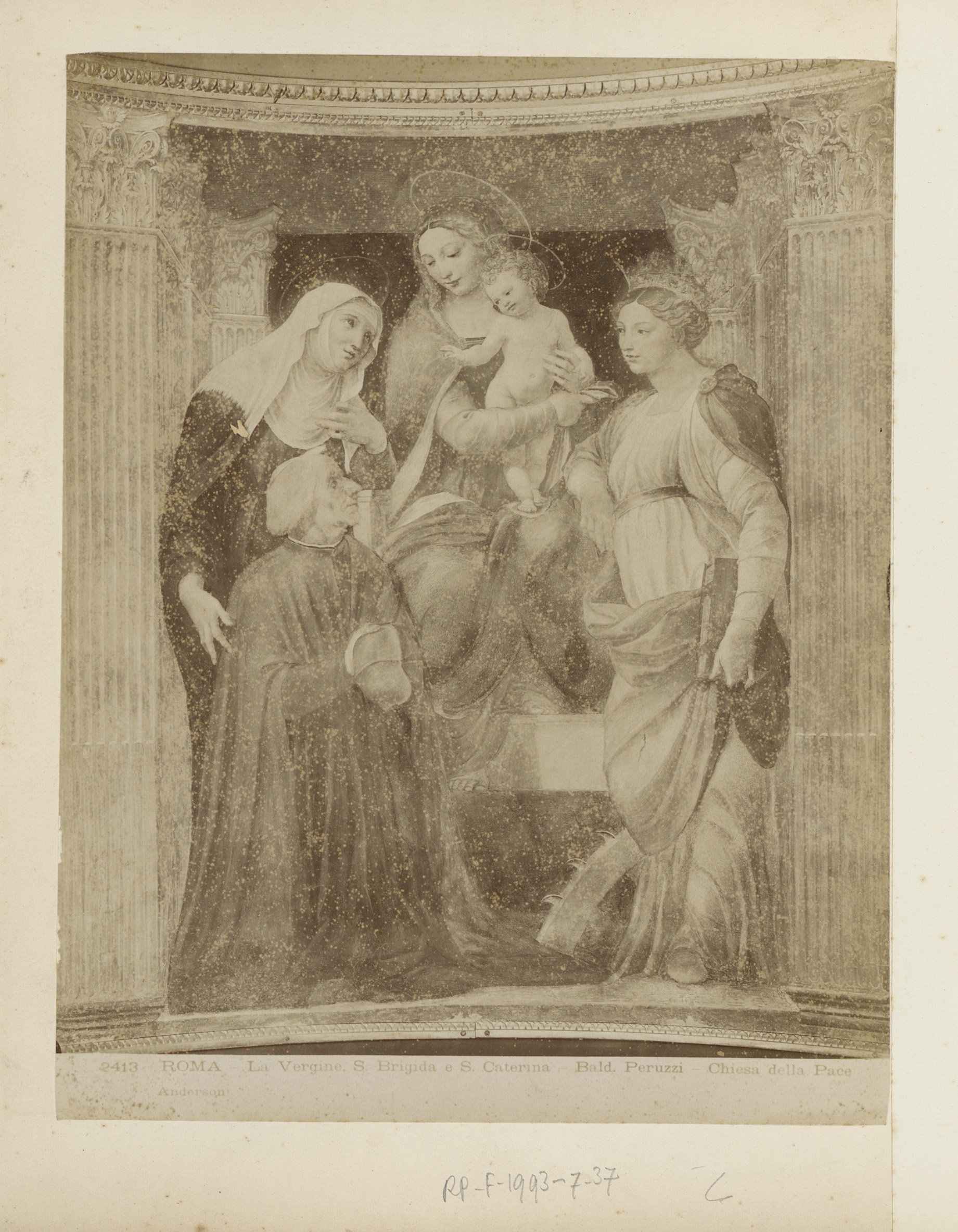
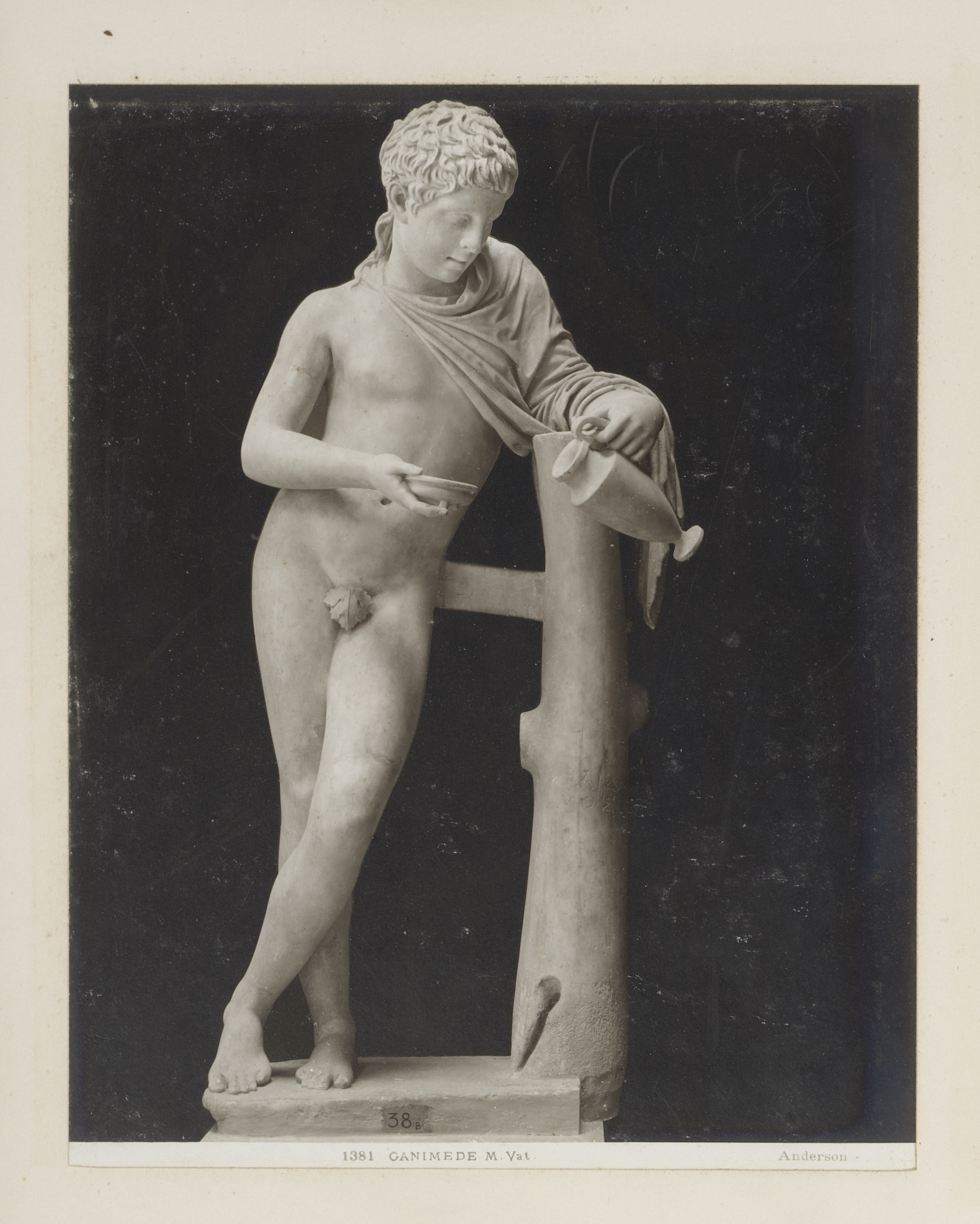
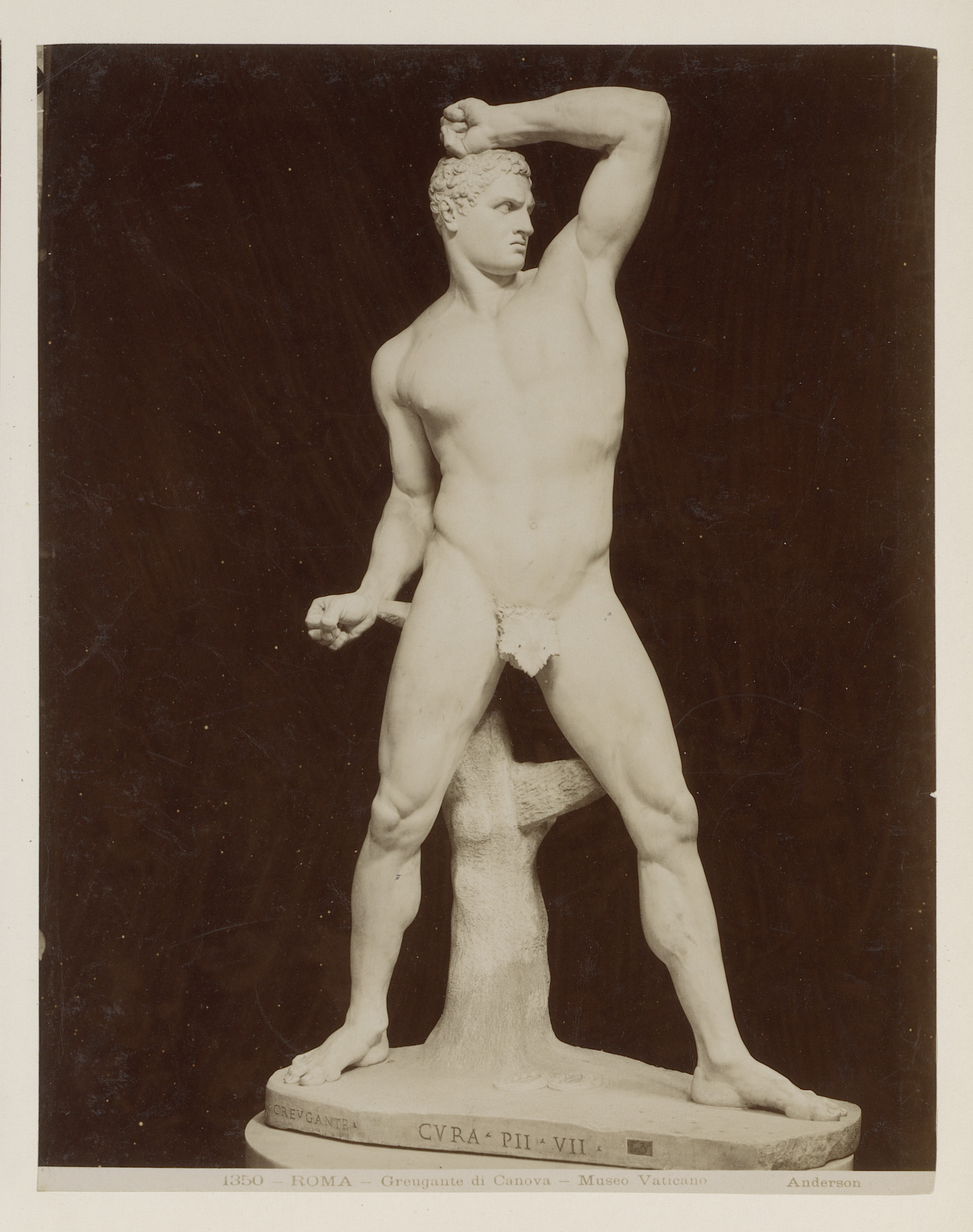
“To paint is to remember what time wants us to forget.” In a world that constantly shifts, moments of serenity are often lost but beautifully captured in art. Look closely at the intricate details of the sculptural elements. Notice how the light gently caresses the curves and contours of the ornamental design, illuminating the craftsmanship with a soft glow. The subtle palette of warm ochres and cool whites invites you to explore the textures that breathe life into the stone.
Each element seems to whisper stories of devotion and timeless beauty, all while framing the serene atmosphere of the Santa Sabina. Delve deeper to uncover the delicate interplay between light and shadow, revealing a dialogue between the sacred and the mundane. The ornate patterns may symbolize the spiritual journey, where each twist and turn leads to greater understanding. In this quiet elegance, there is a tension between permanence and fragility, urging viewers to reflect on the passage of time and their own search for peace amidst life’s chaos.
During the years between 1890 and 1925, James Anderson created this piece while residing in Rome, a city steeped in rich history and art. This period was marked by a growing interest in the interplay of architectural ornamentation, as artists embraced the past while responding to contemporary movements. Anderson’s work reflects not only personal exploration but also the broader cultural moment, capturing a serene essence amidst the complexities of the world around him.