Oude vrouw en de Dood — History & Analysis
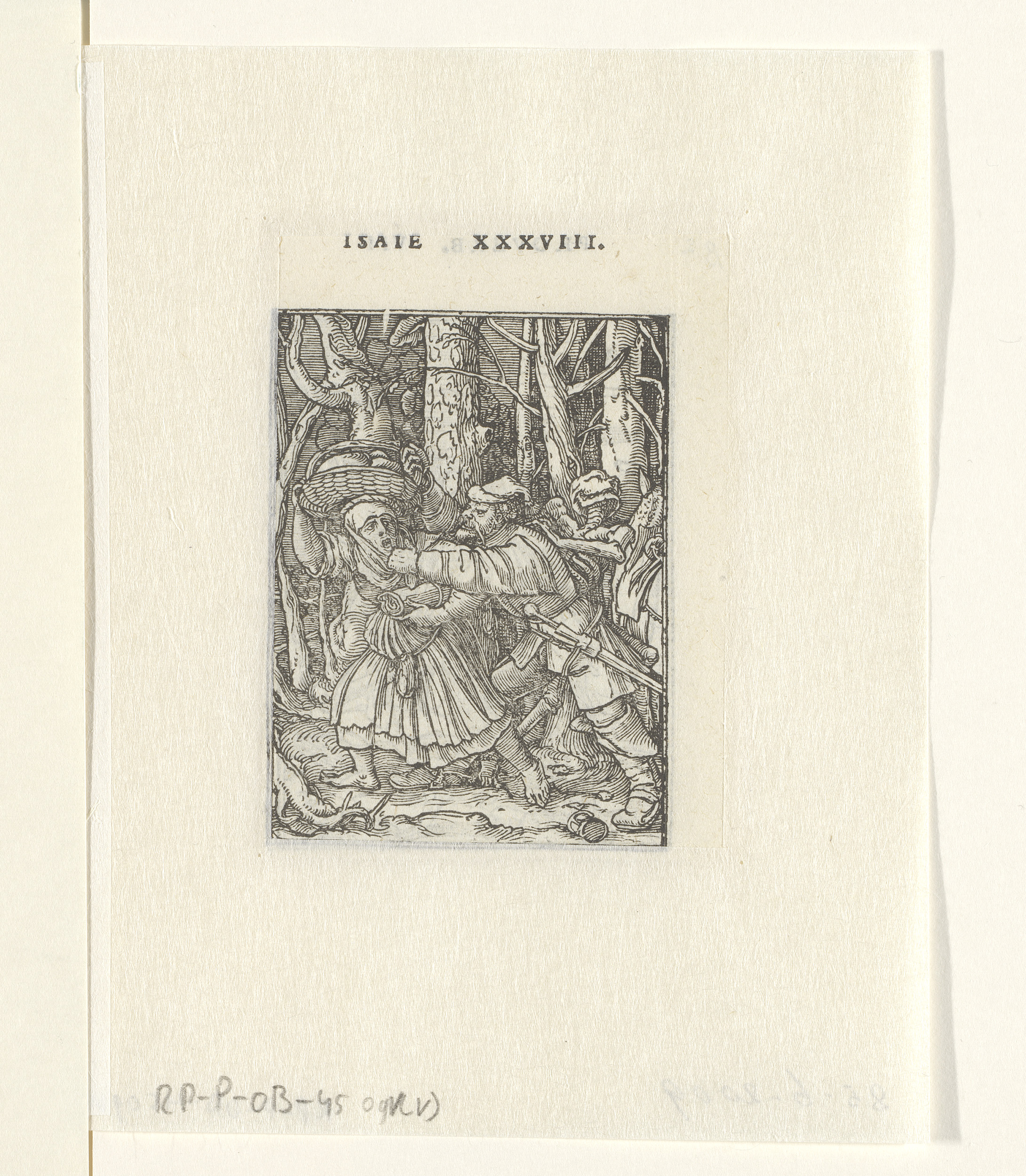
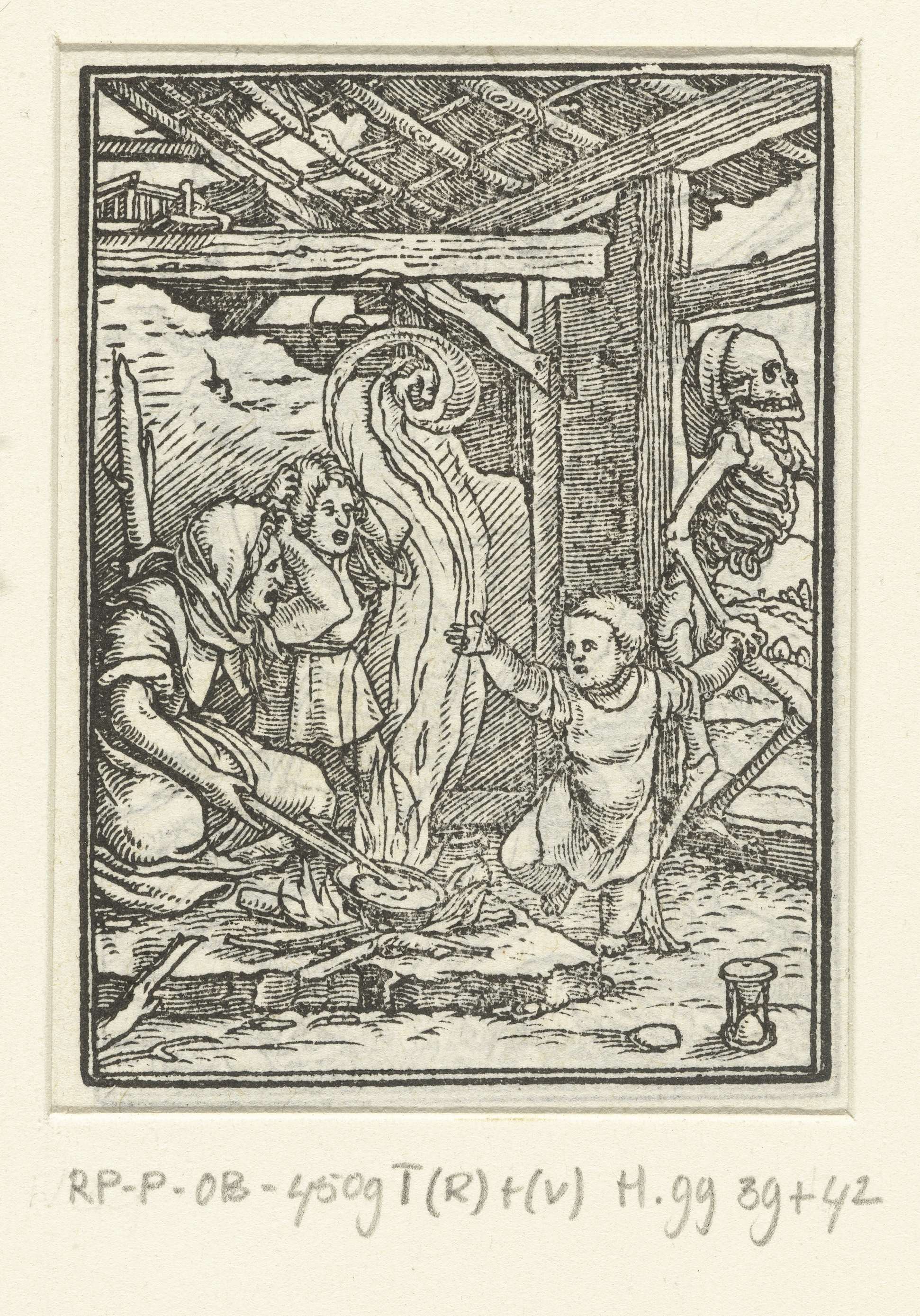
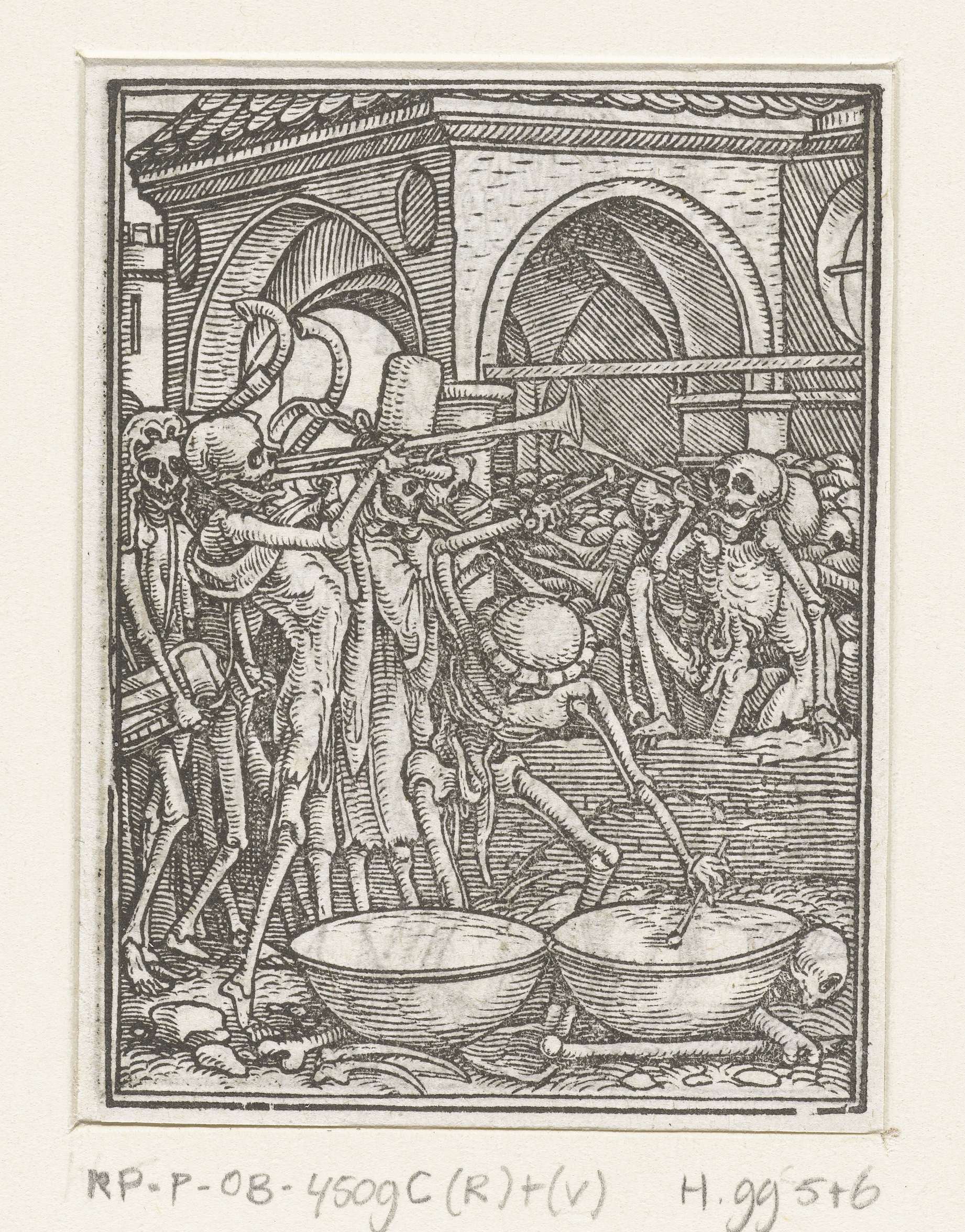
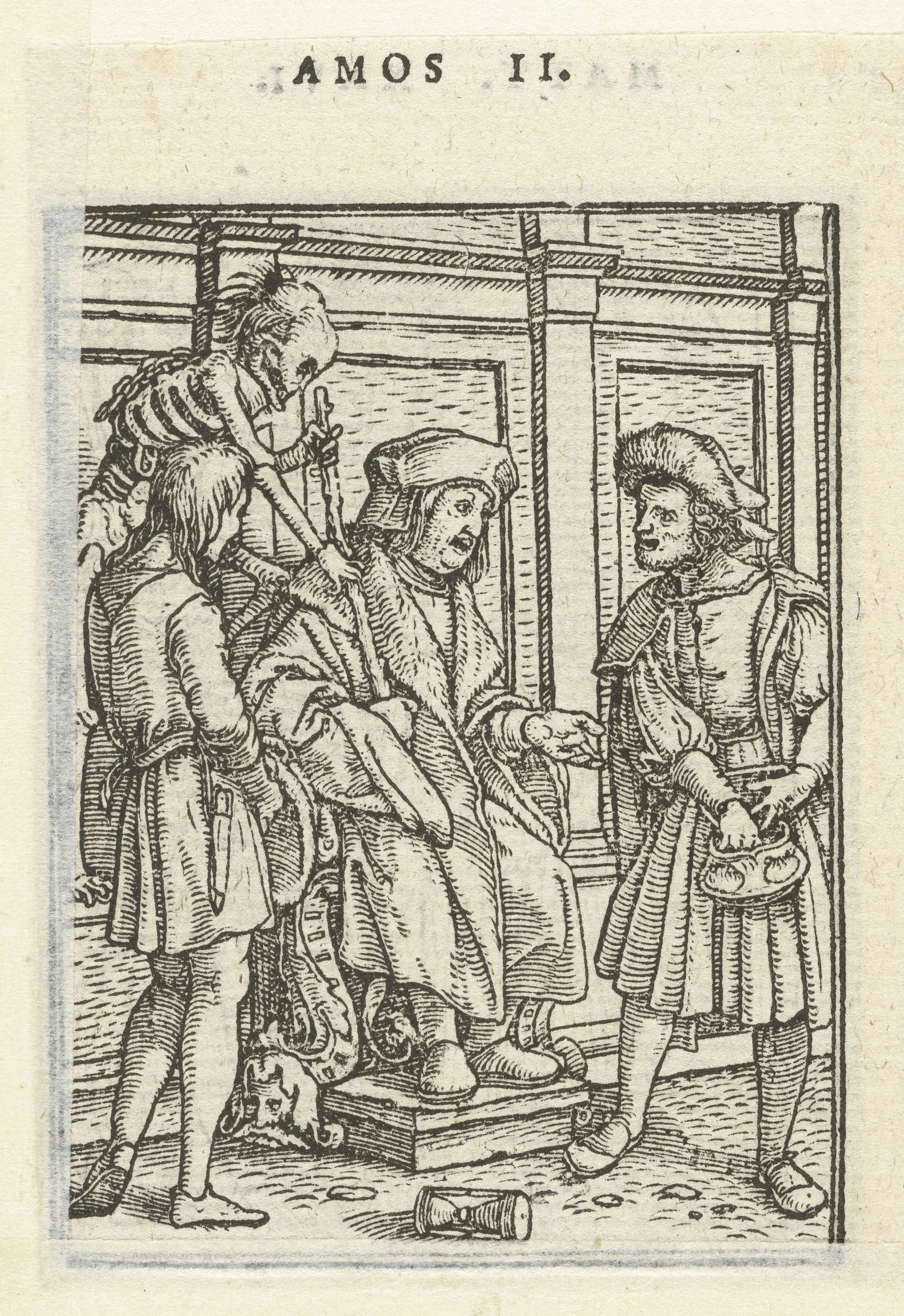
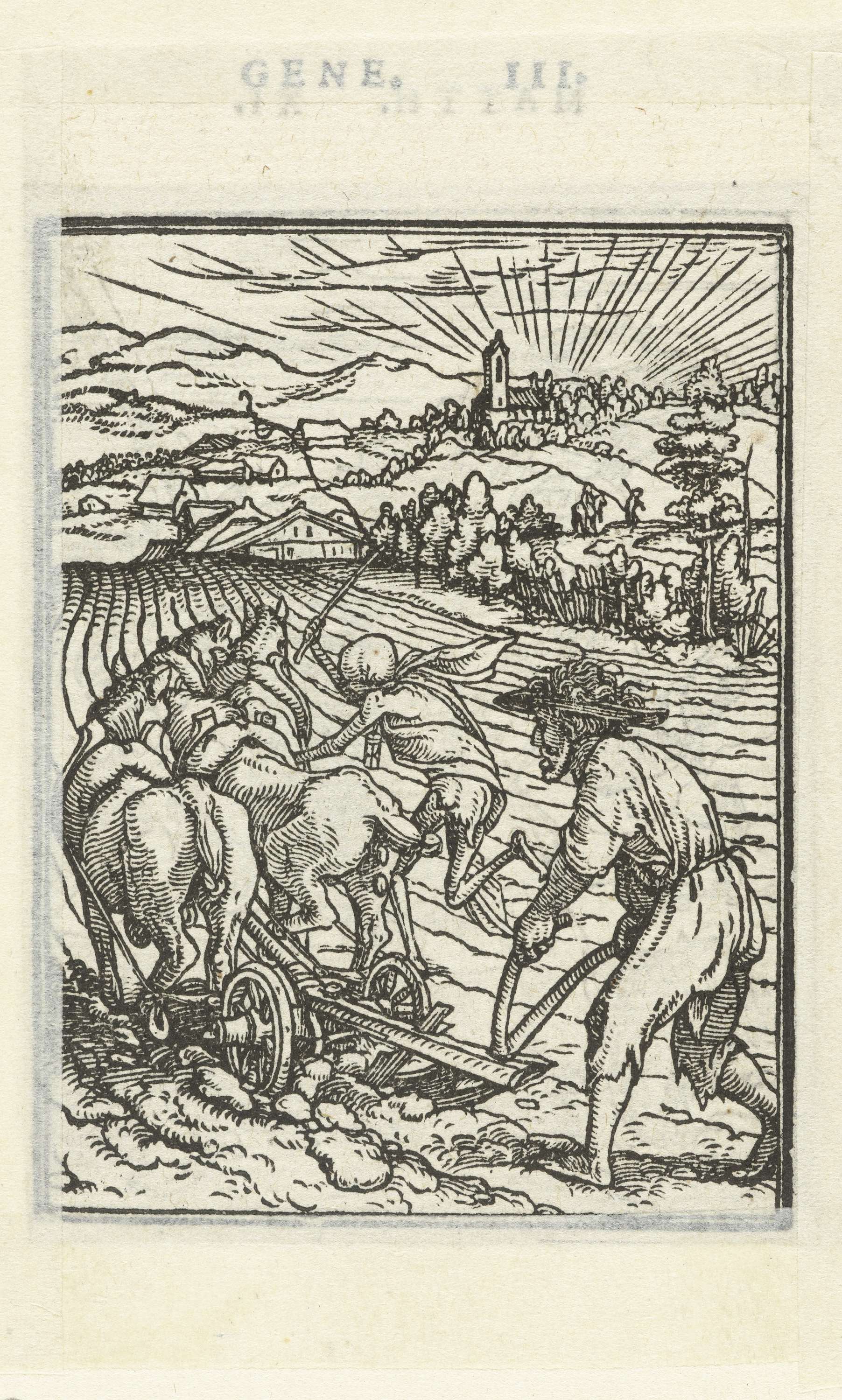
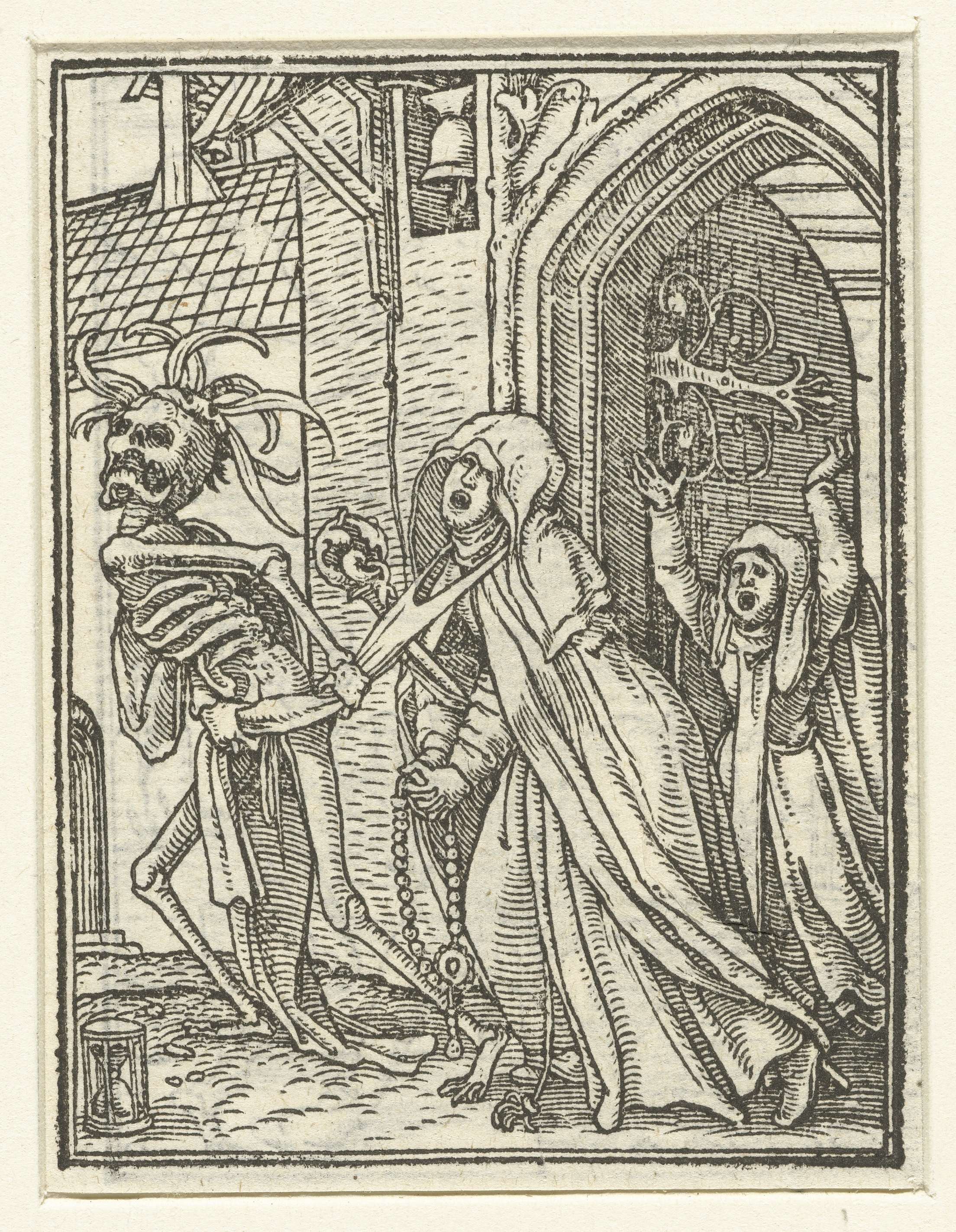
Could a single brushstroke hold eternity? In Oude vrouw en de Dood, the brushwork of Holbein captures the poignant intersection of life and mortality, inviting reflection on our fleeting existence. Look closely at the elderly woman's face, where deep-set wrinkles tell stories of endurance and sorrow. Notice how the light dances subtly across her skin, illuminating her somber expression, while the shadowed corners create a stark contrast that heightens the gravity of her gaze. To the left, the figure of Death looms, depicted as a skeletal presence draped in tattered robes, a chilling reminder of our inevitable fate.
The muted palette underscores the solemnity, drawing the eye towards the haunting interaction between the two figures. The juxtaposition of life and death in this piece embodies a profound emotional tension. The woman's wrinkled visage serves as a testament to a life lived, yet her unwavering stare meets Death with an eerie calmness, suggesting both acceptance and resistance. The flowers in her hand symbolize fleeting beauty, juxtaposed against the stark reality of mortality, hinting at the universal cycle of life, decay, and rebirth.
This stark contrast invites viewers to ponder their own existence, igniting an inner dialogue about the transient nature of time. Hans Holbein the Younger created Oude vrouw en de Dood in 1538 during an era marked by profound changes in art and society. As Europe grappled with the Reformation and shifting cultural paradigms, Holbein's work reflected a deep engagement with humanism and the exploration of mortality. Living in Basel at the time, he was immersed in the burgeoning dialogue surrounding life, death, and the human condition, themes that resonate powerfully in this poignant masterpiece.