Partie am Landwehrkanal Berlin — History & Analysis
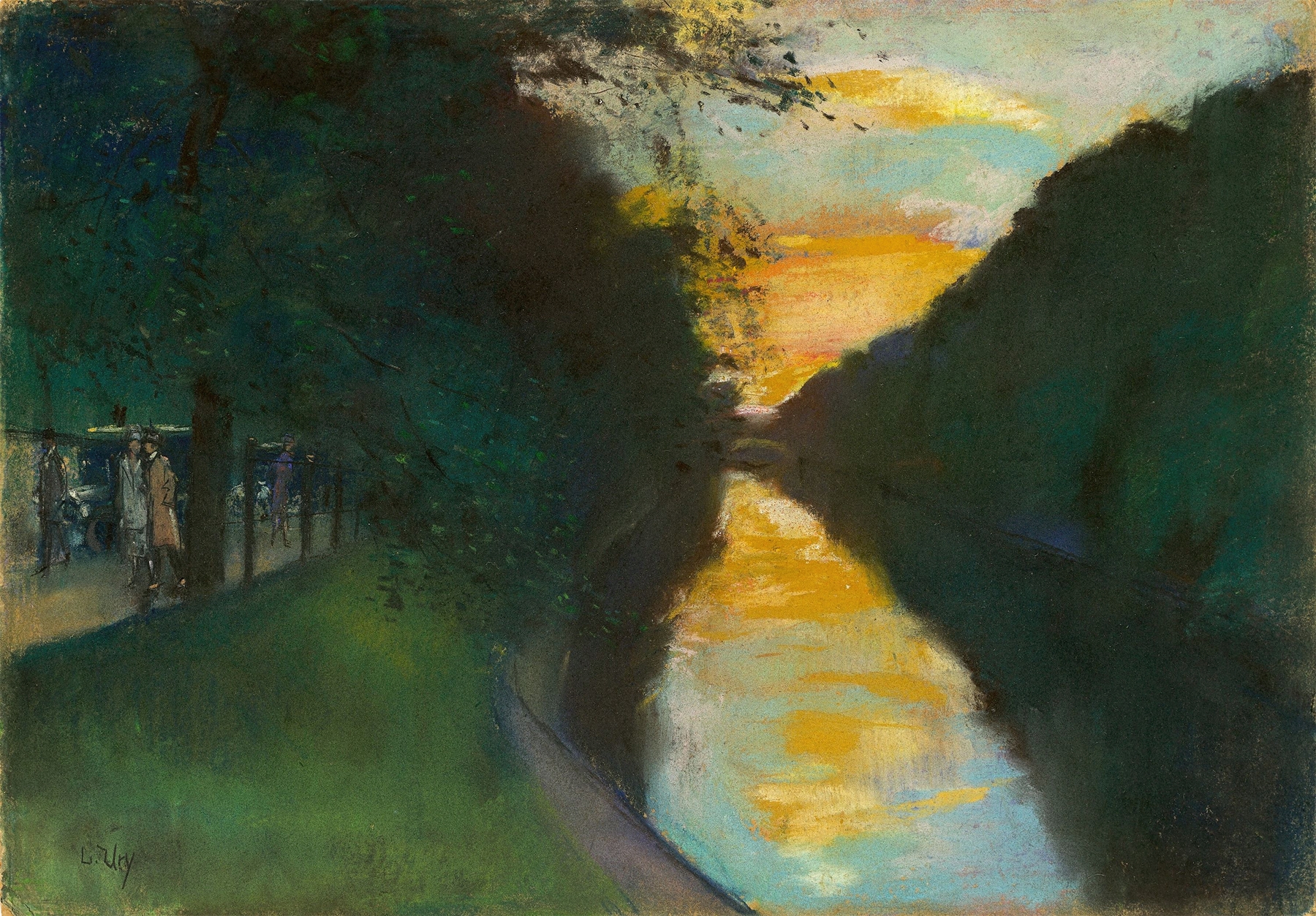
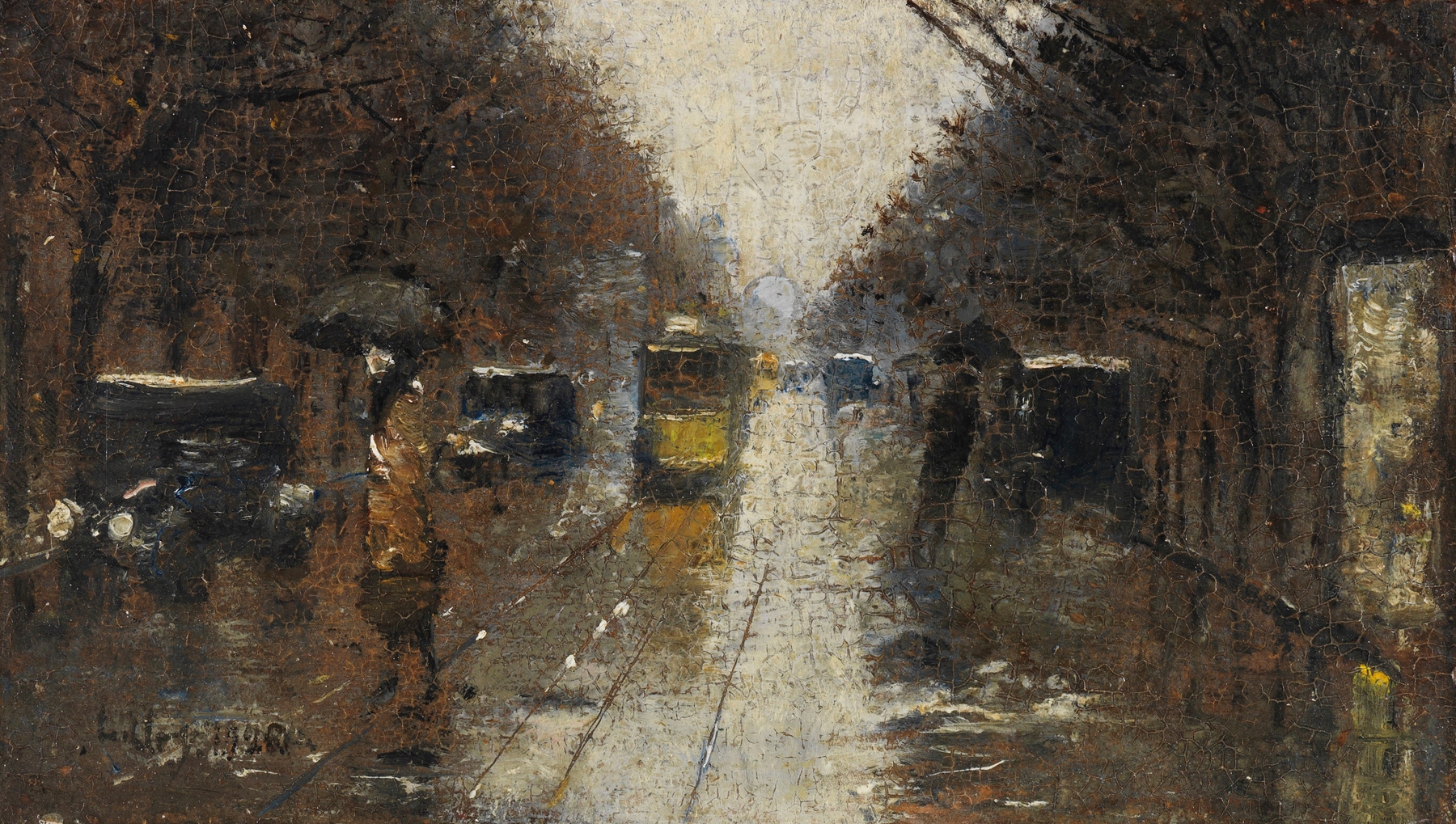
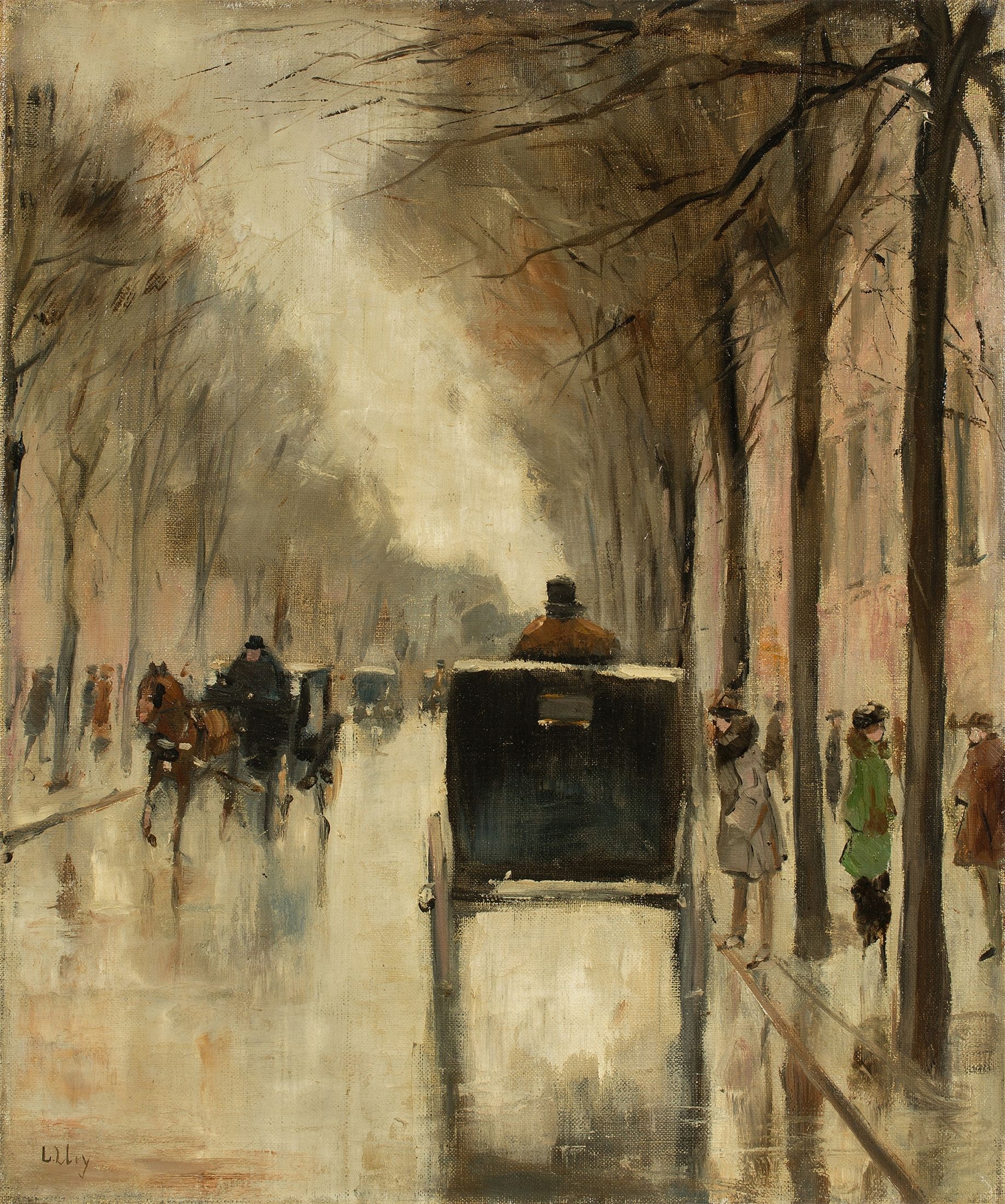
“Every brushstroke is a heartbeat remembered.” In the quiet moments of our lives, how often do we find ourselves captivated by what we can’t let go? Look to the left of the canvas, where the shimmering surface of the Landwehrkanal reflects a shimmering blend of blues and greens, urging your gaze towards the lively figures gathered on the bank. The brushwork is both fluid and spontaneous, weaving a tapestry of movement that hints at laughter and conversation. Notice how the gentle strokes of lighter hues illuminate the scene, casting a warm glow that invites you into this intimate gathering of souls, as vibrant colors dance harmoniously against the cool backdrop of water.
Beneath the surface charm lies a deeper tension: the transient nature of joy. The figures, engaged in their leisurely pursuits, embody an obsession with the fleeting moments of leisure that life offers. Some faces radiate happiness, while others, lost in contemplation, hint at the complexities of human emotion. The gentle ripples of water echo the incompleteness of these interactions, suggesting that every joyful moment is tinged with the inevitability of change.
Painted in 1888, this work reflects Lesser Ury's transition from the strictures of realism toward a more impressionistic style. At this time, Berlin was undergoing rapid change and modernization, causing the artist to explore themes of urban life with a new lens. Ury's obsession with light and atmosphere flourished during this period, as he sought to capture the ephemeral nature of existence amidst a city on the brink of transformation.