Passing Storm, Isle of Skye, Scotland — History & Analysis
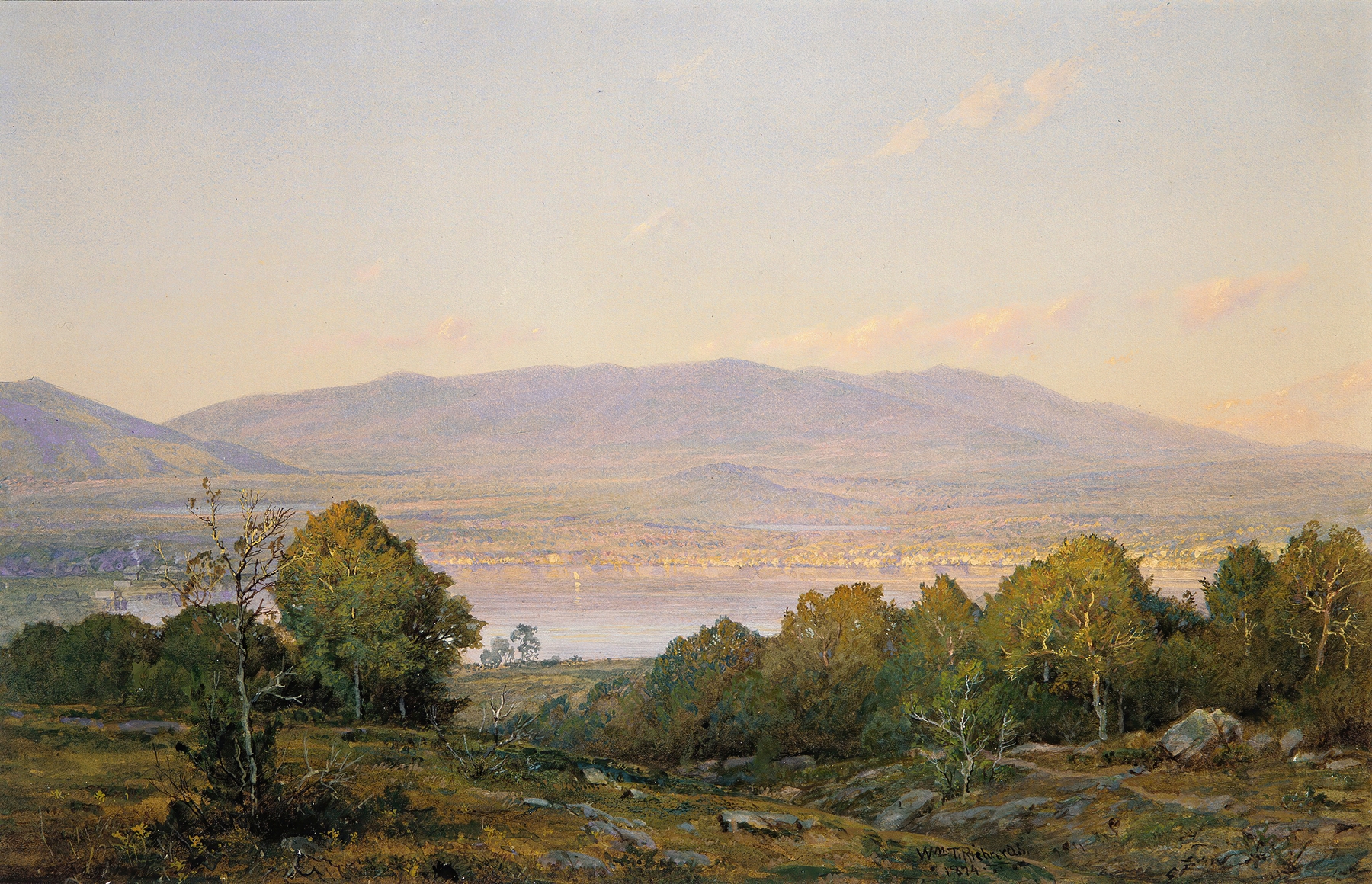
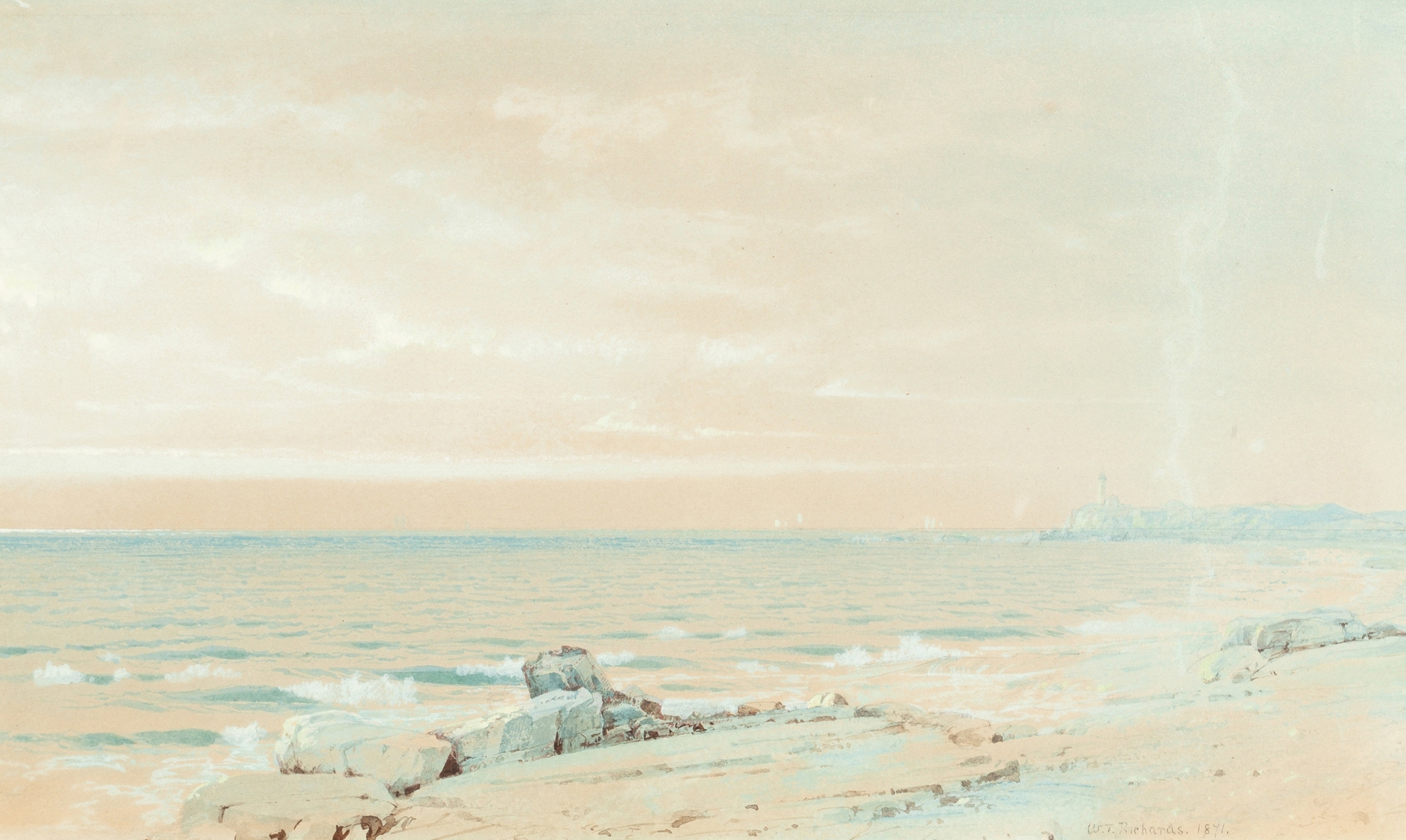
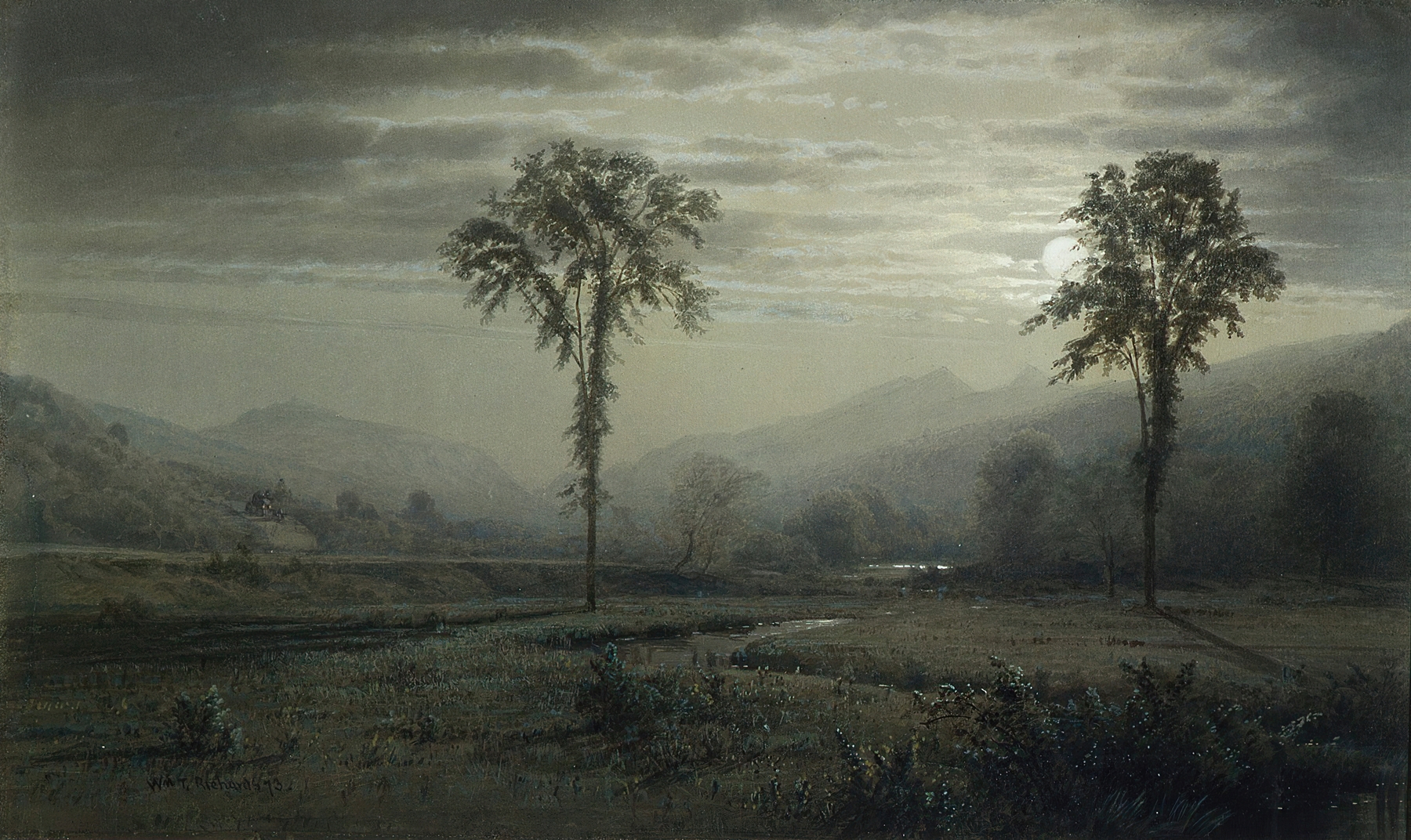
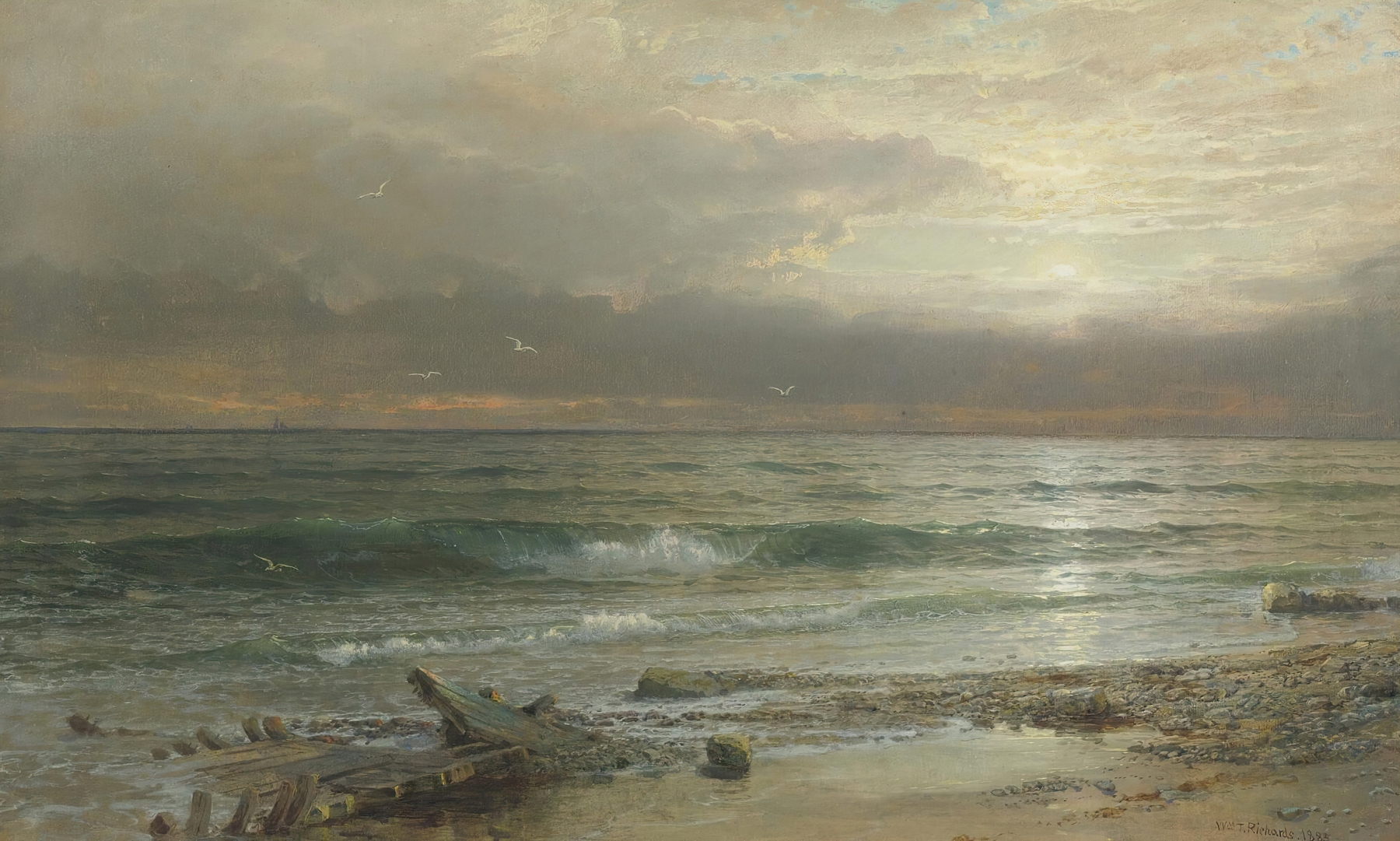
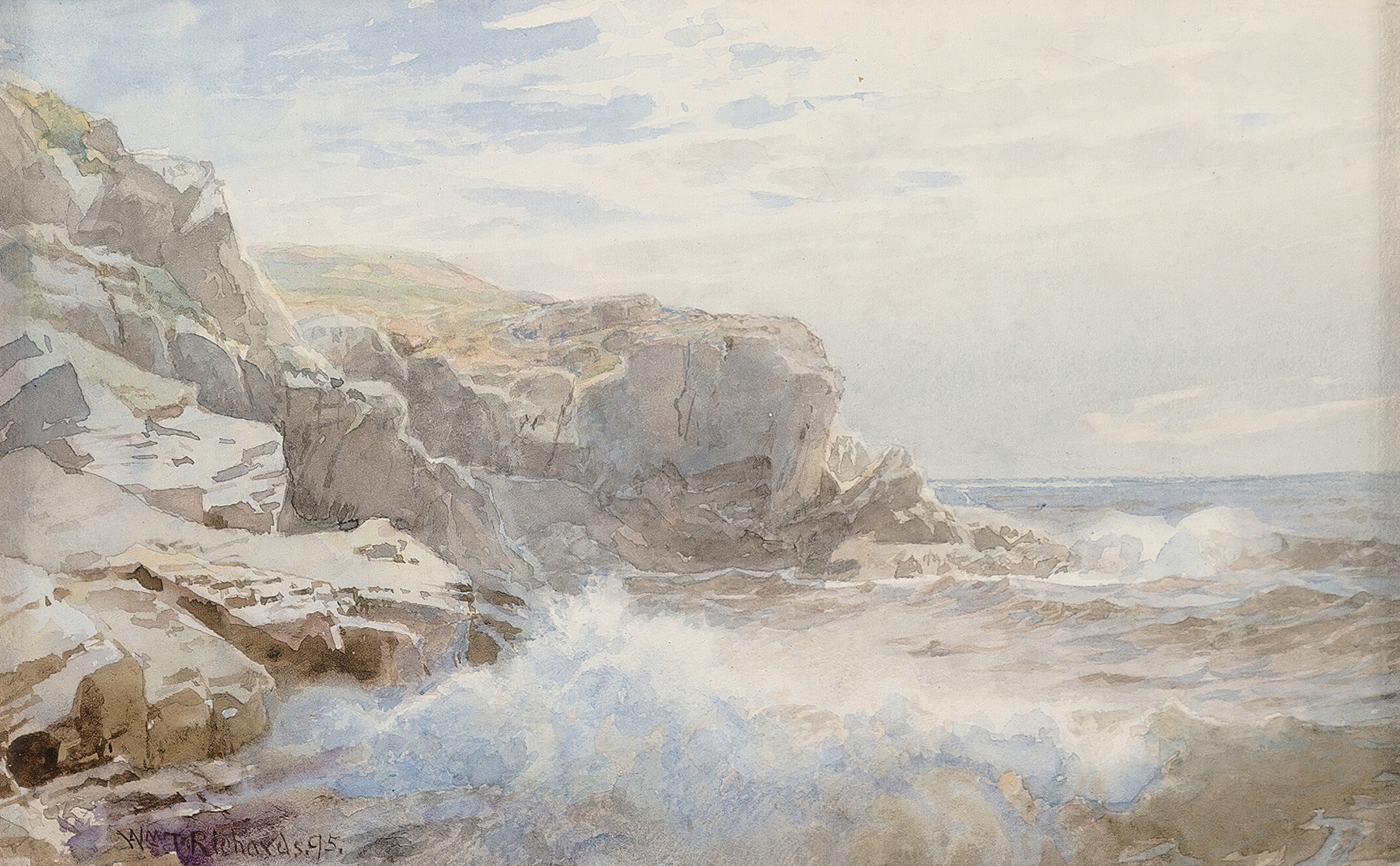
Could beauty survive in a century of chaos? In an age where tumult and transformation seemed relentless, the promise of untouched landscapes beckons like a whispered secret. Look to the foreground and allow the eye to be drawn to the tumultuous waves crashing against jagged rocks, their frothy edges a striking contrast to the muted, resolute earth. Notice how the light struggles against gathering clouds, casting a dim glow over the scene, creating a tapestry of grays and blues that evoke both foreboding and wonder.
Each brushstroke captures the intensity of nature, revealing the artist’s deft hand at portraying movement, light, and texture — a meditation on the relentless power of the elements. As you explore further, the storm brewing above hints at the precarious balance of beauty and danger. The almost palpable tension between the serene landscape and the approaching tempest suggests a deeper commentary on the fragility of existence itself. The stark contrasts between light and shadow reflect the duality of nature — both a nurturing force and a potential harbinger of destruction.
It’s an echo of the artist's own obsession with the sublime, the beauty that arises even in the midst of turmoil. Richards created this work during the late 19th century, a time when the natural landscape was frequently romanticized by artists and a burgeoning interest in environmental conservation emerged. Living in America, he often traveled to landscapes that inspired him, including the Isle of Skye. This period marked a significant shift in the art world, as artists sought to capture nature’s raw, unfiltered beauty, transcending the constraints of traditional representation.