Paysage — History & Analysis
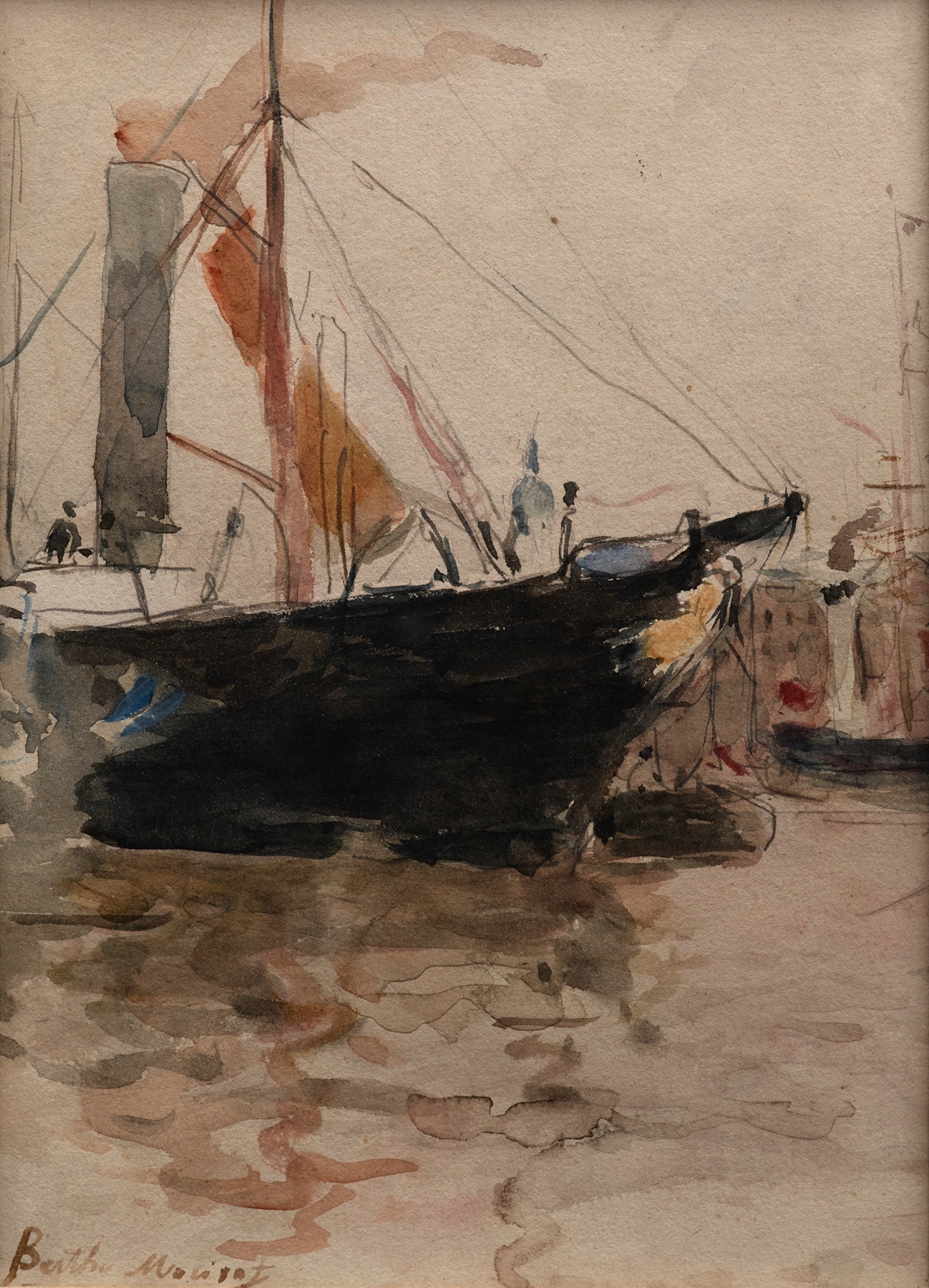
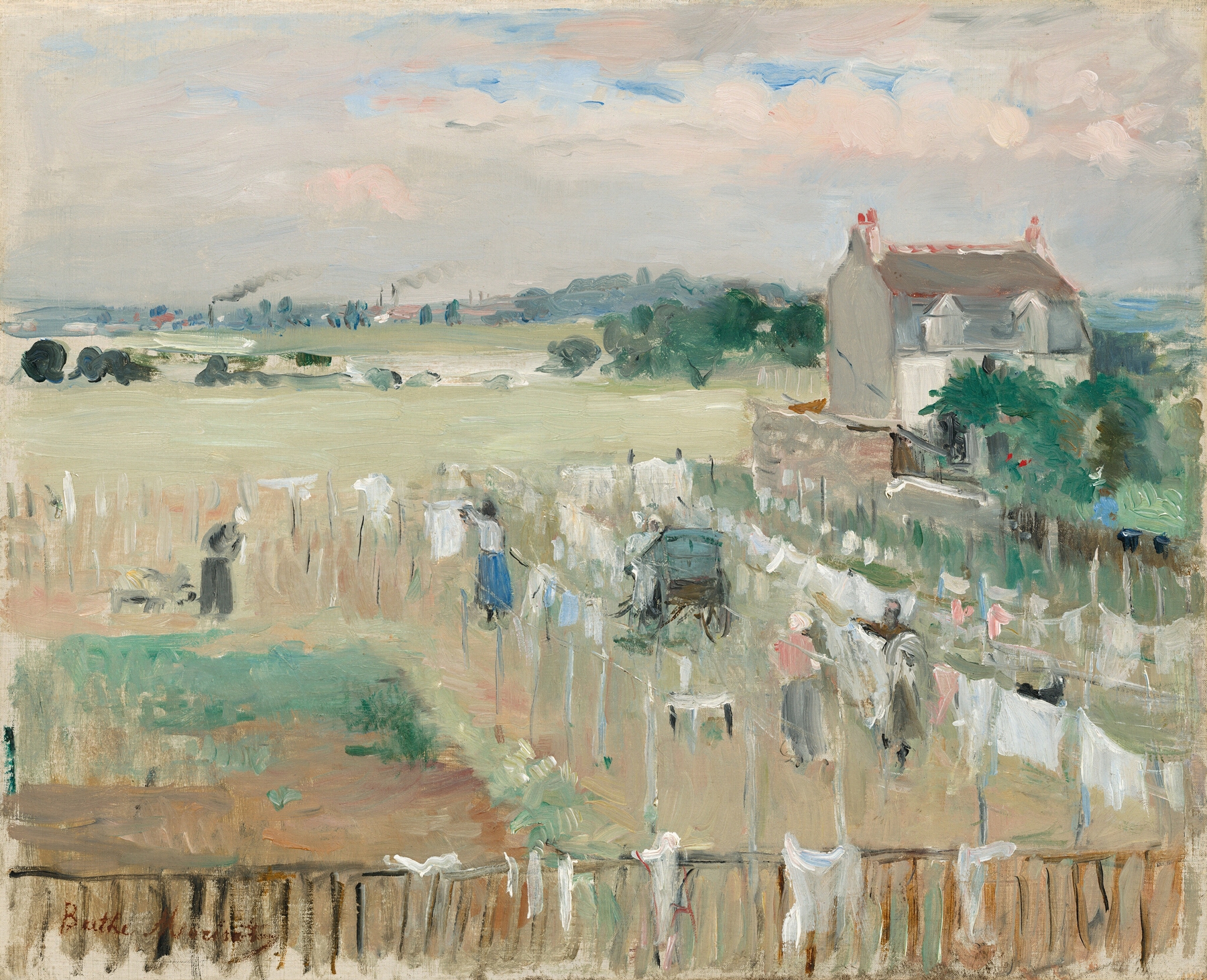
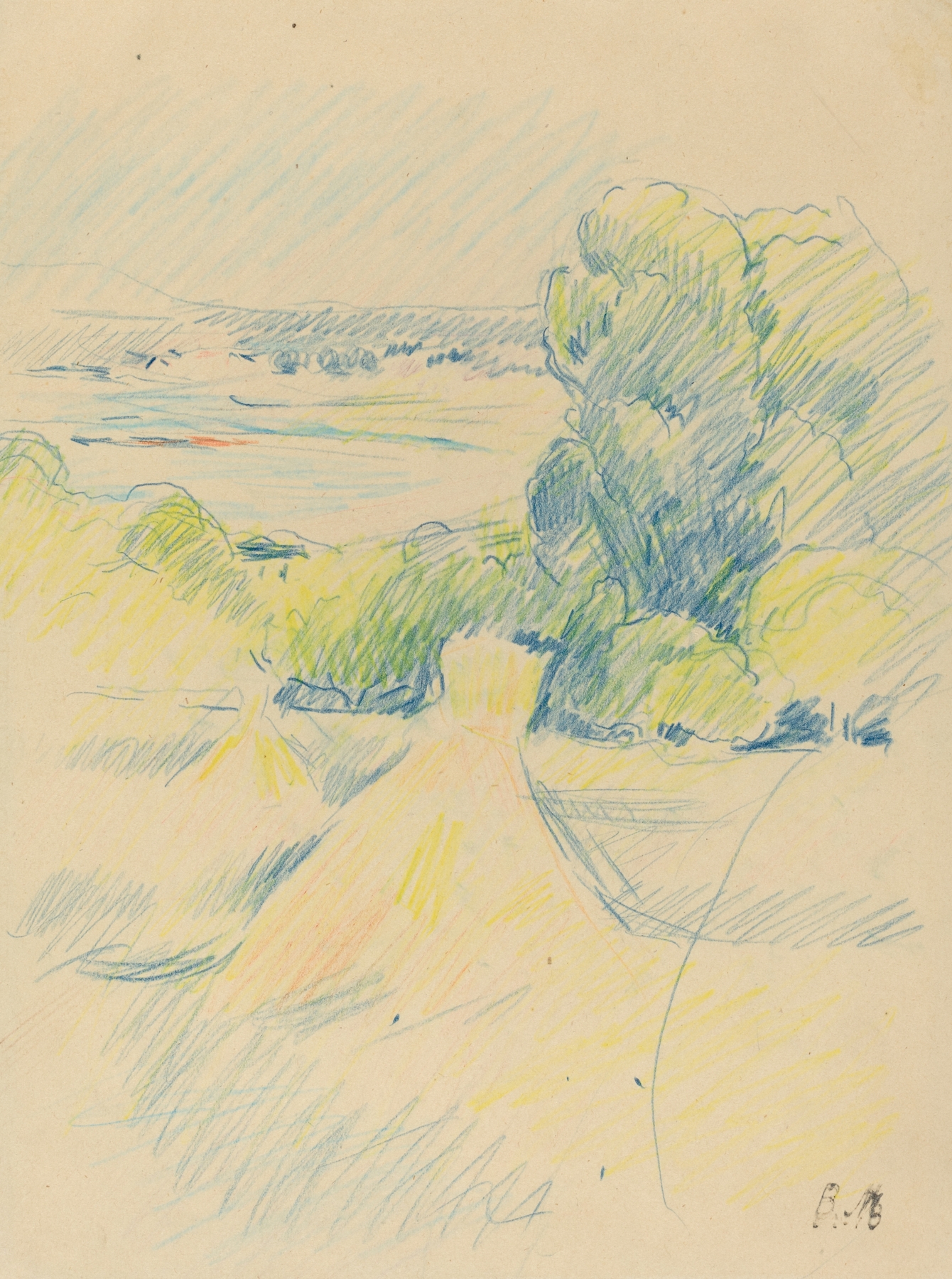
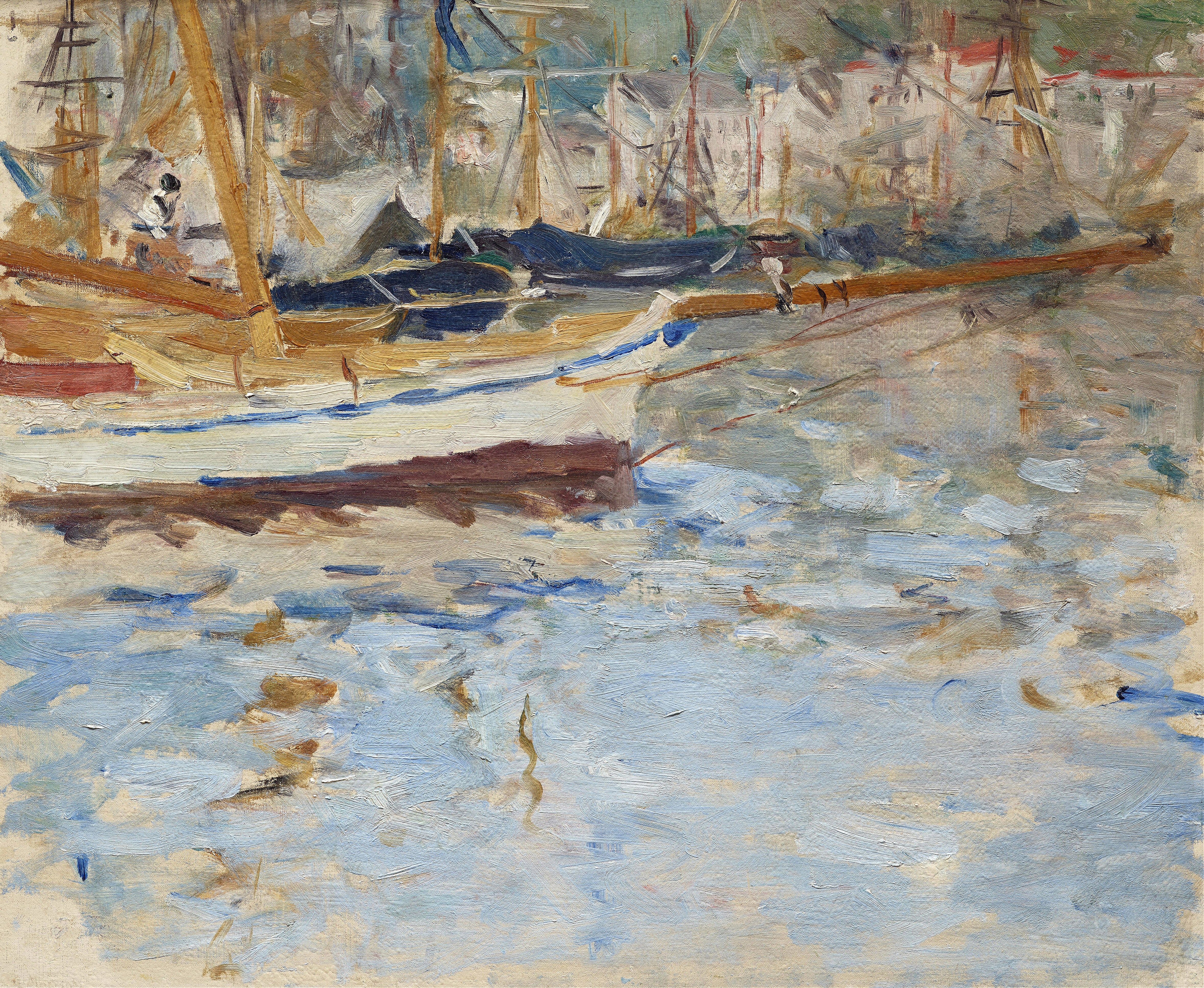
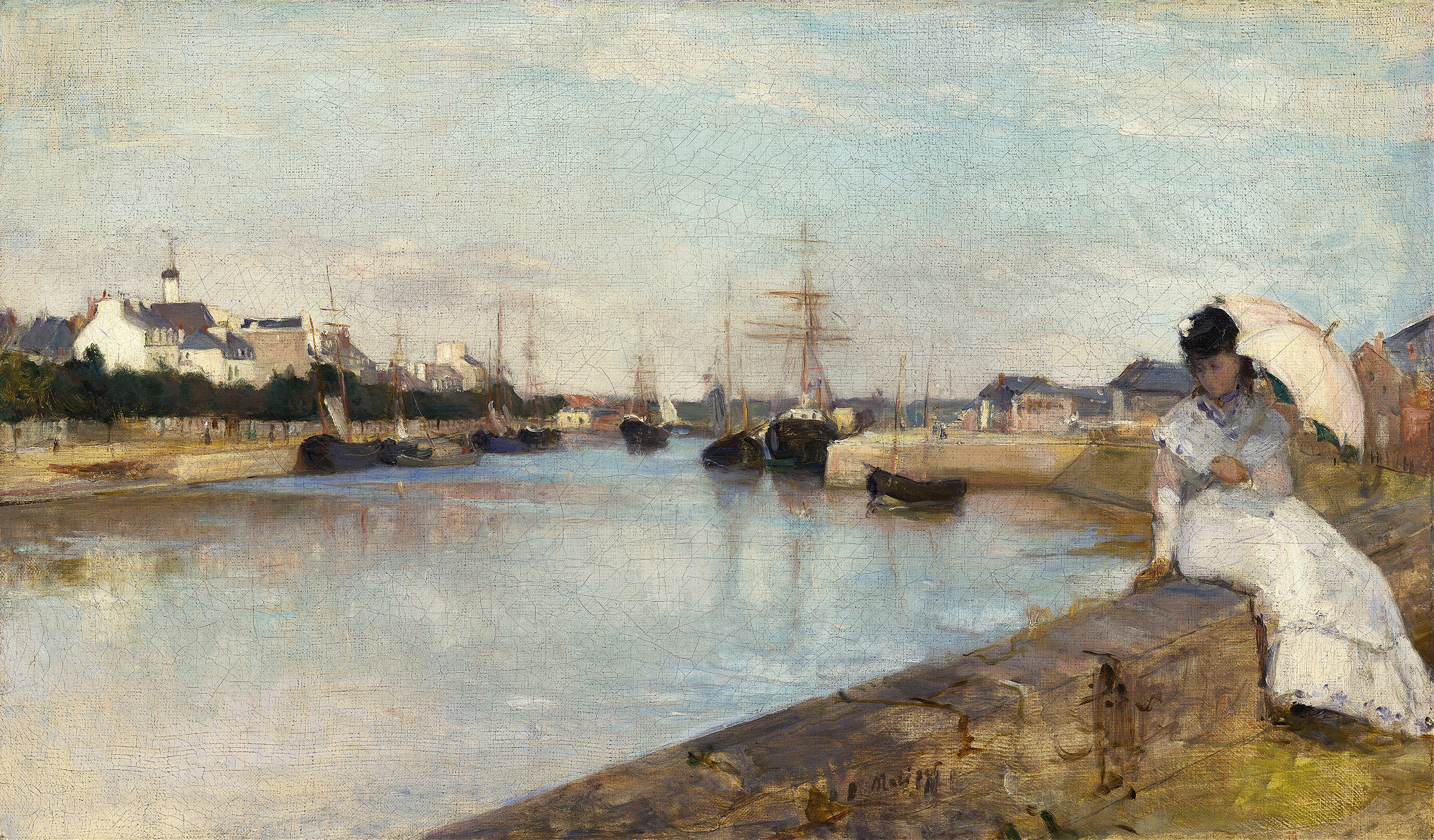
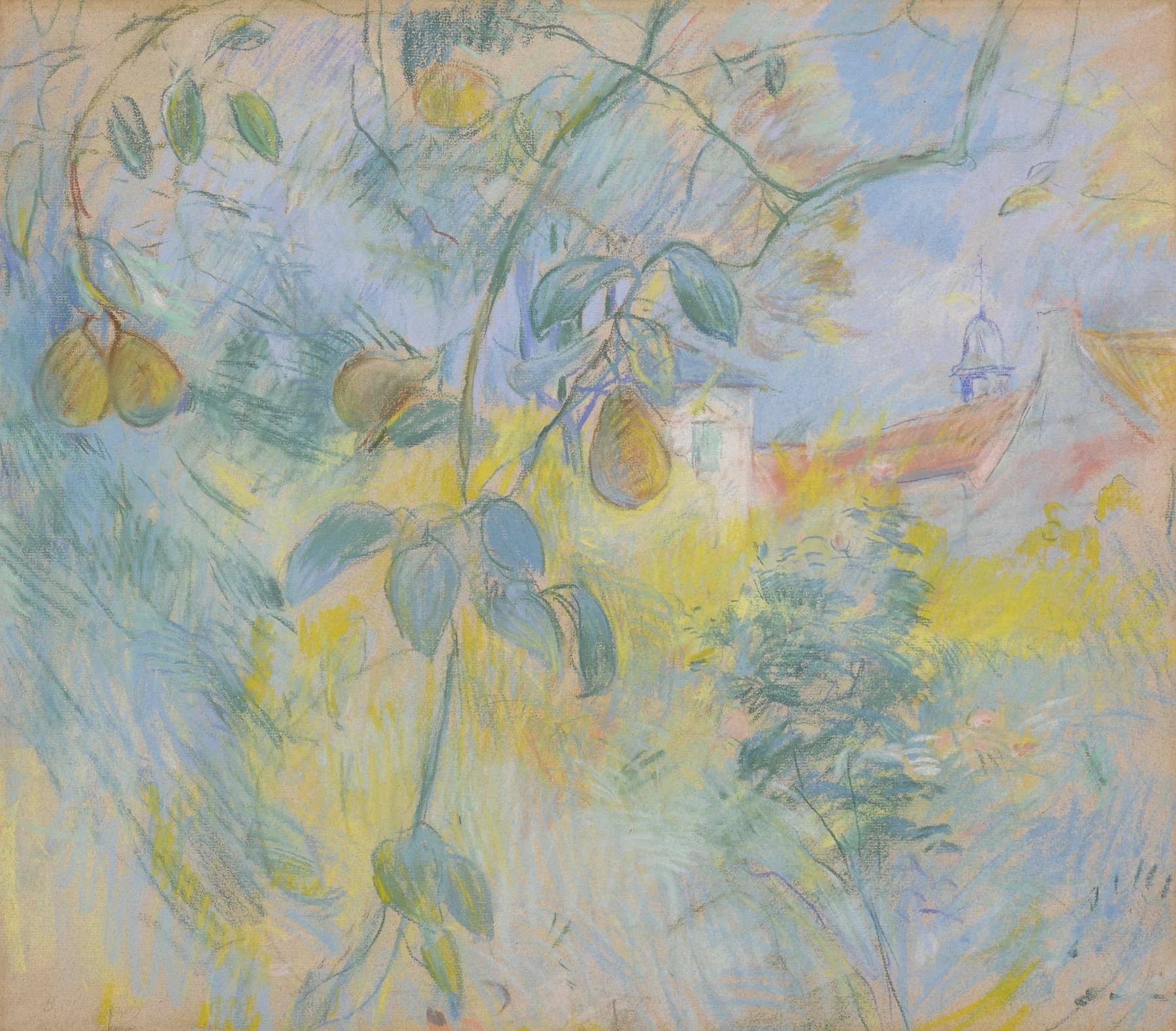
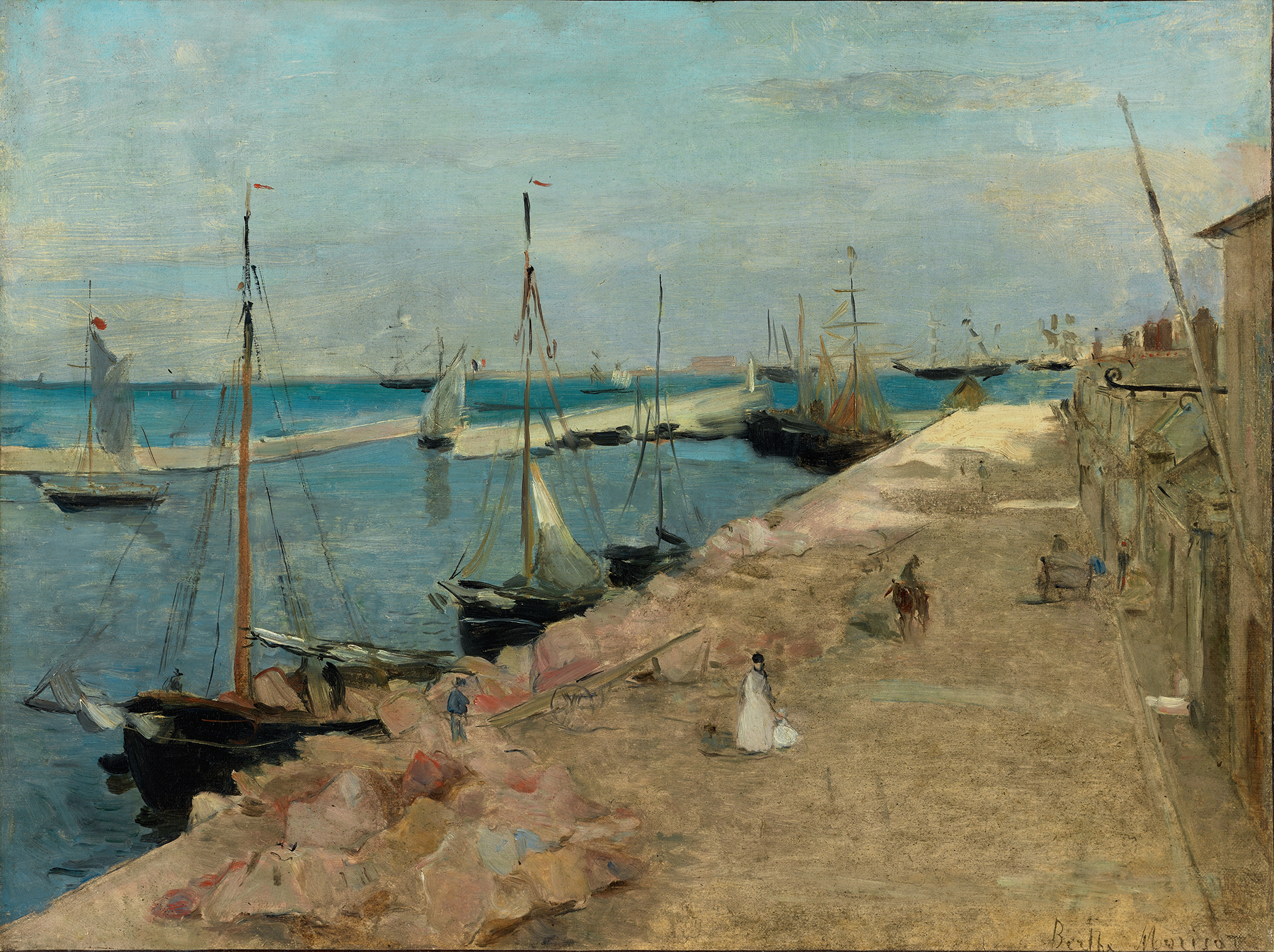
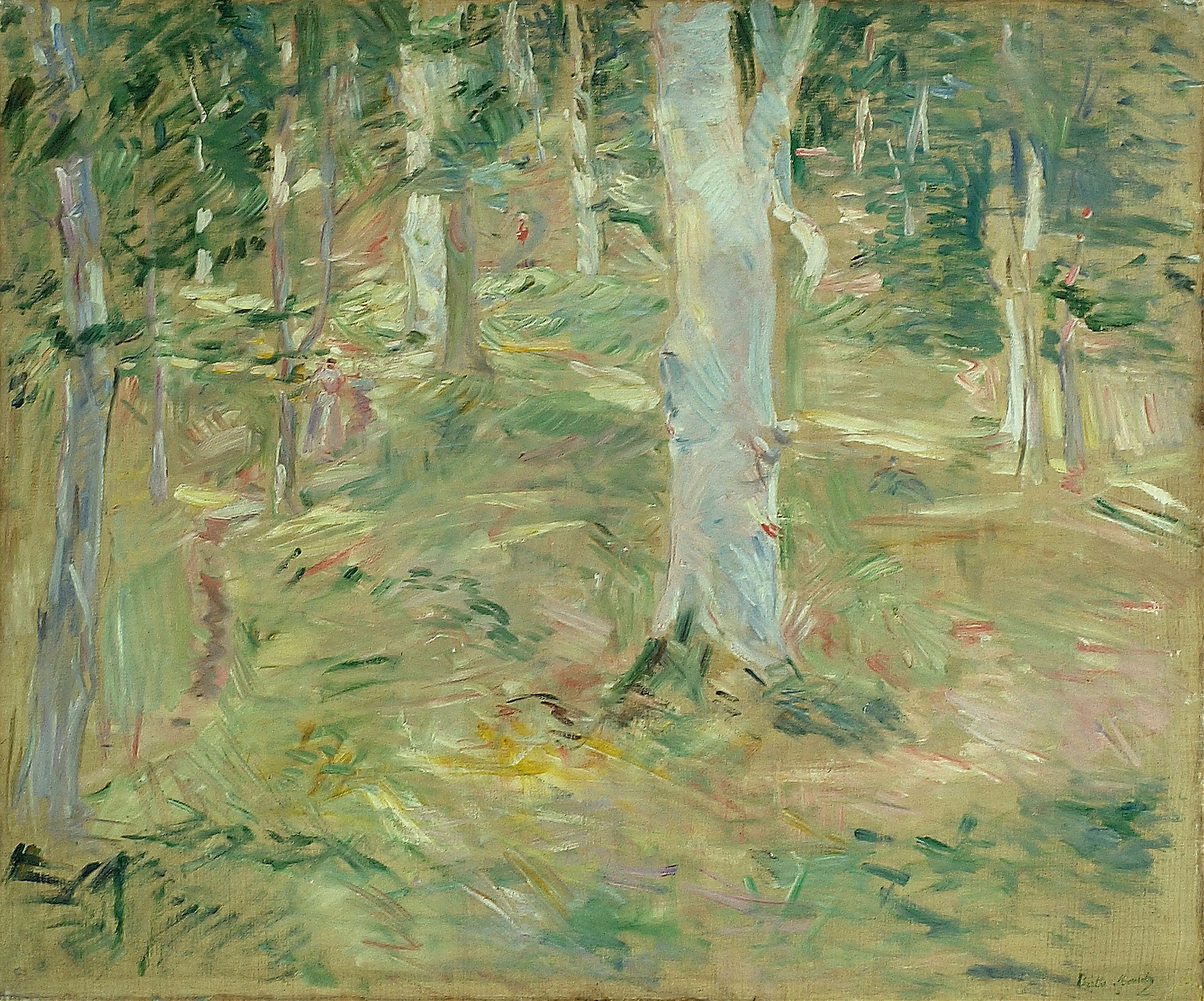
Can paint confess what words never could? In Paysage, Morisot captures the quiet transformation of nature, where each brushstroke hints at the unspoken stories held within a serene landscape. Focus on the subtle interplay of light and shadow in the upper left corner, where soft clouds mingle with a gentle sky. Notice how the colors shift from lush greens in the foreground to the delicate pastels that define the horizon.
The fluid brushstrokes create a sense of movement, as if the foliage is whispering secrets to the breeze, inviting you deeper into this tranquil scene. The juxtaposition of vibrant flora and the muted expanse of sky highlights the emotional tension between the vibrancy of life and the ephemeral nature of existence. Delve into the hidden details, like the tiny hints of sunlight that dance across the leaves, suggesting moments of joy amid a fleeting world. This harmony and discord mirror the artist's contemplative state, as she explores the essence of transformation—both in nature and within herself.
In 1867, while living in Paris, Morisot painted Paysage during a period when the Impressionist movement was gaining momentum. As a pioneering female artist, she faced both the challenges of her gender and the expectations of society. This work reflects her evolving style and her commitment to capturing the transient beauty of her surroundings, positioning her as a vital voice in the landscape of 19th-century art.