Paysage — History & Analysis
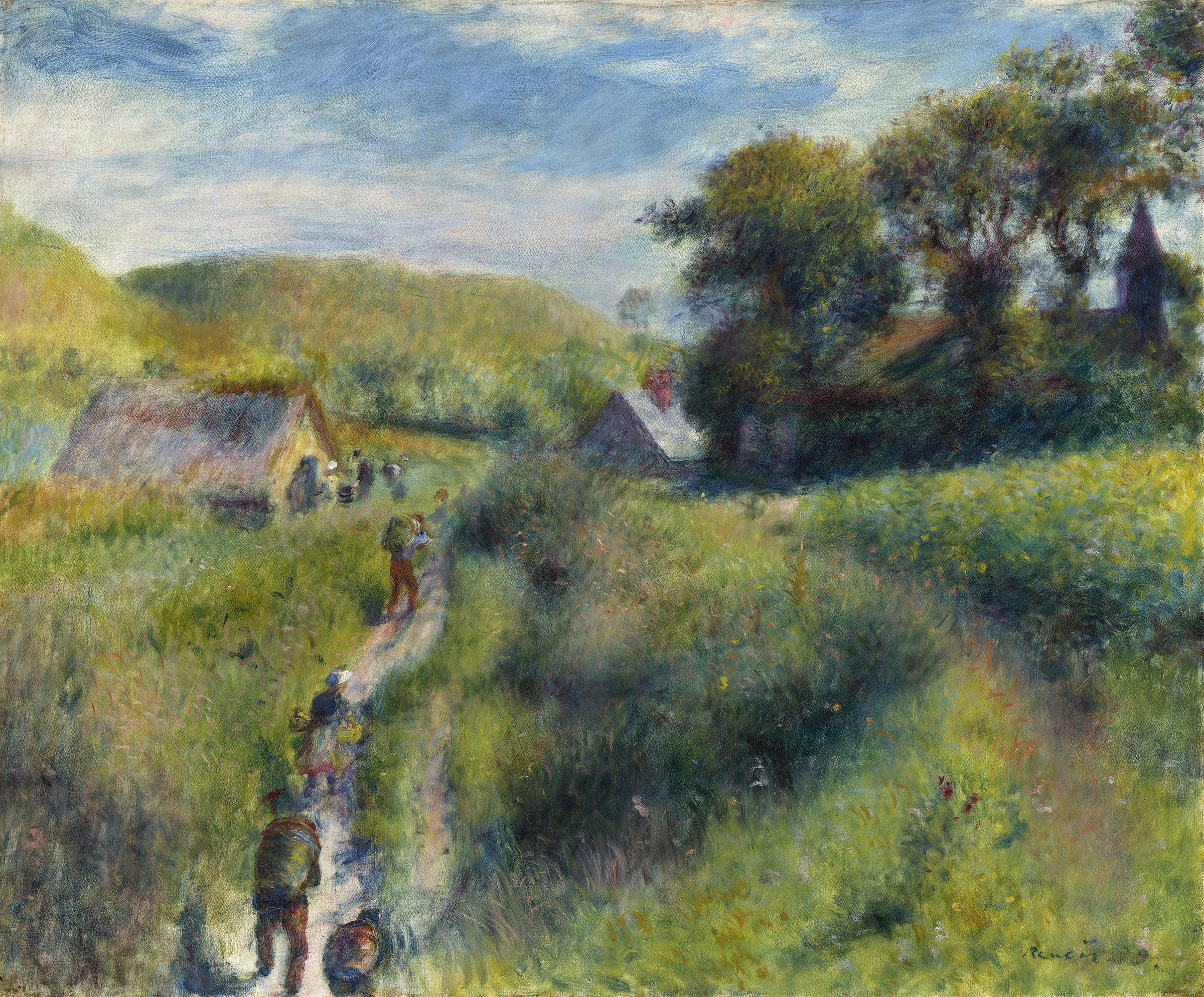
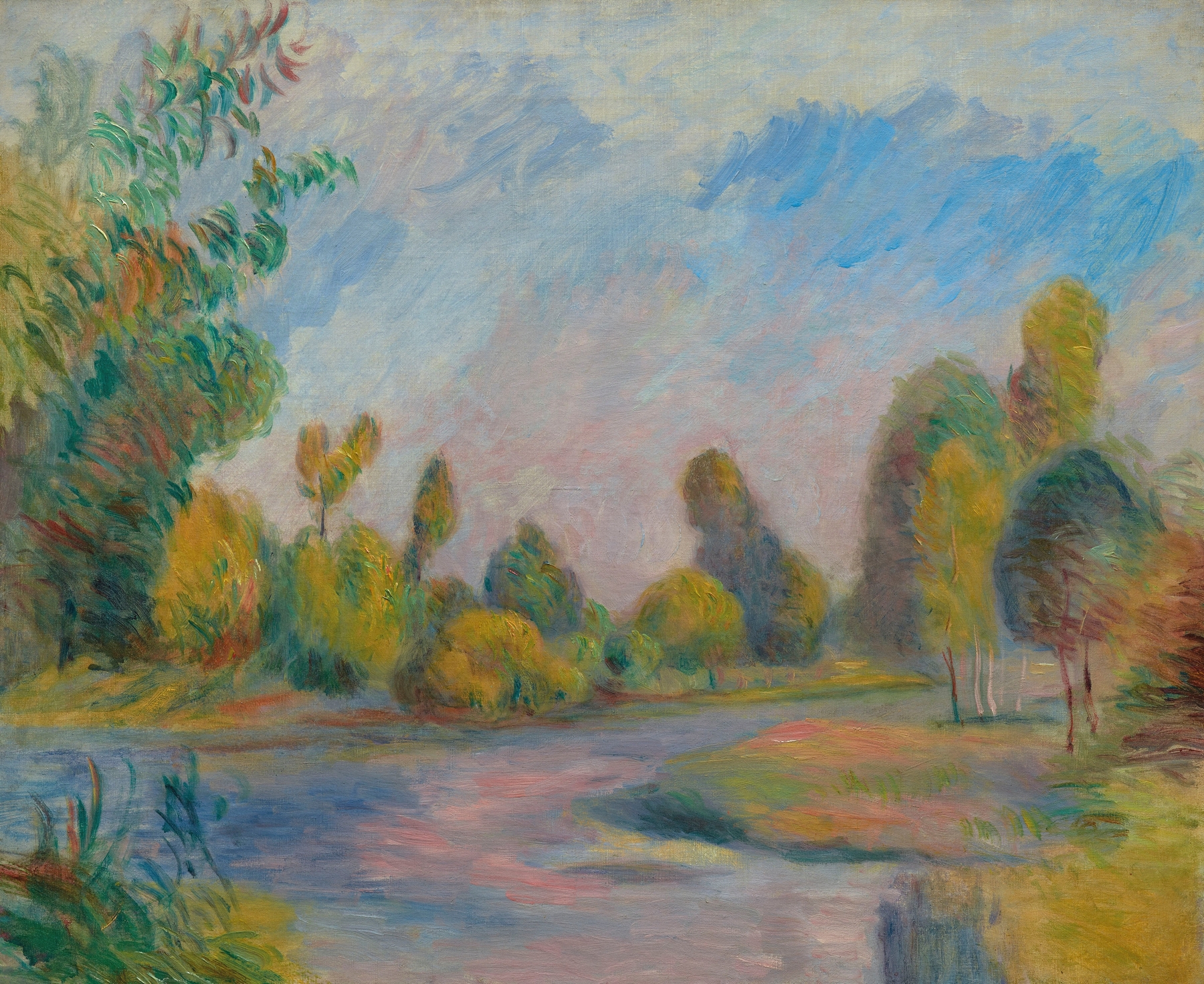
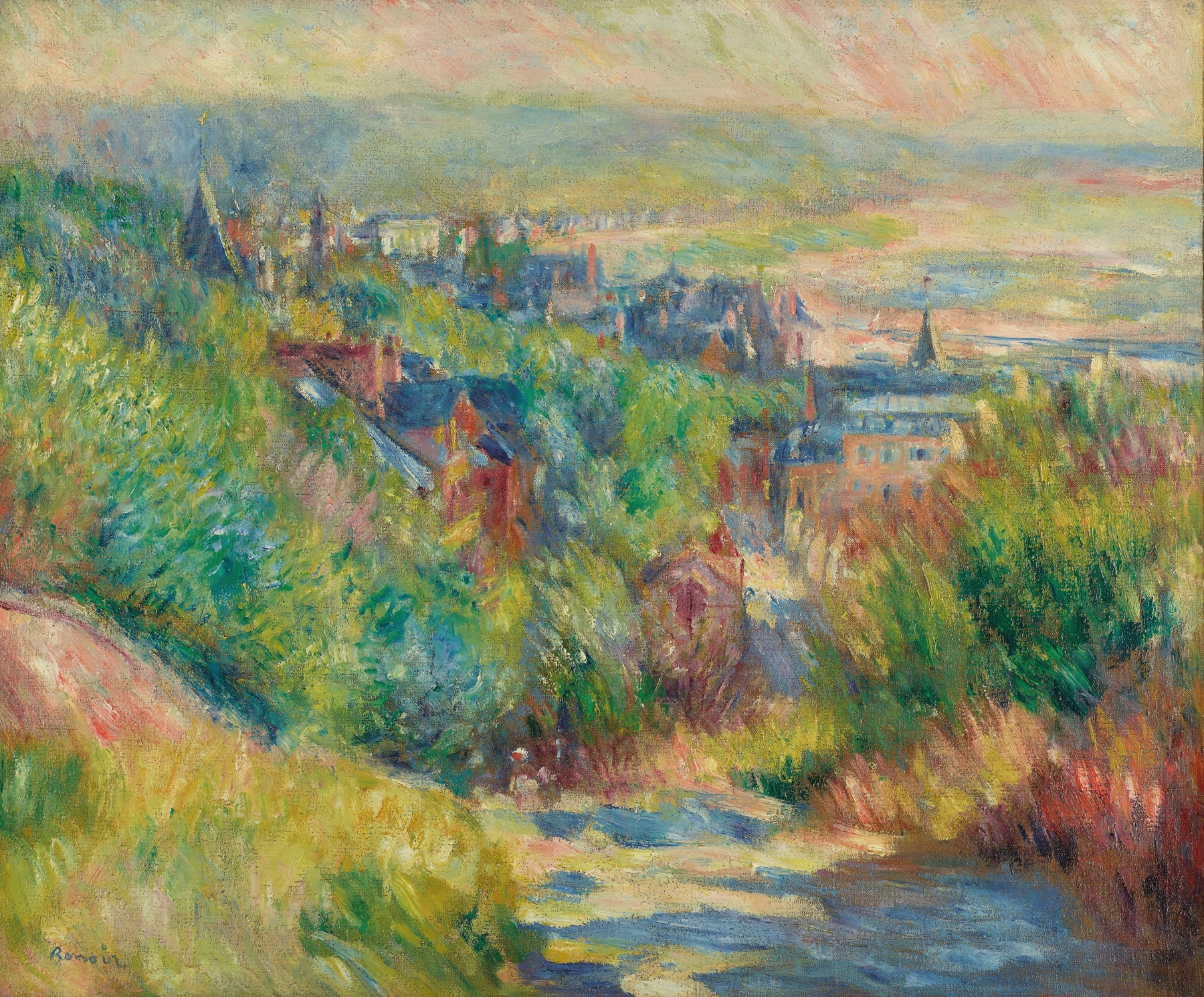
What if silence could speak through light? In Paysage, the gentle embrace of nature whispers secrets as vibrant colors dance across the canvas, inviting the viewer into a realm of serene contemplation. Look to the left at the sun-dappled trees, their lush greens intertwined with flecks of golden sunlight. The brushwork is loose yet deliberate, each stroke creating a sense of movement that breathes life into the landscape. Notice how the sky transitions from soft cerulean to warm ivory, a testament to the artist’s mastery of light and color.
The horizon blends seamlessly, guiding the eye through the scene while encouraging a feeling of expansiveness and freedom. Delve deeper into the subtleties of the painting. The interplay of light and shadow suggests both tranquility and fleeting moment—a paradox of permanence and transience. The vibrant hues evoke a sense of awe, yet the gentle brushstrokes convey a fleeting connection to nature, as if the viewer is witnessing a moment that exists only in memory.
The distant hills hold an air of mystery, hinting at the unknown while grounding the viewer in the present. In 1894, Pierre-Auguste Renoir painted Paysage during a period marked by personal struggles and a shift in the art world towards Impressionism. Living in France, he sought solace in nature amidst the bustling urban life, capturing fleeting moments that resonated with both his inner turmoil and the broader artistic movement. As the Impressionists began to celebrate light and color, this work stands as a testament to Renoir's dedication to exploring the beauty found in simplicity.