Paysage avec les petites montagnes mauresques — History & Analysis
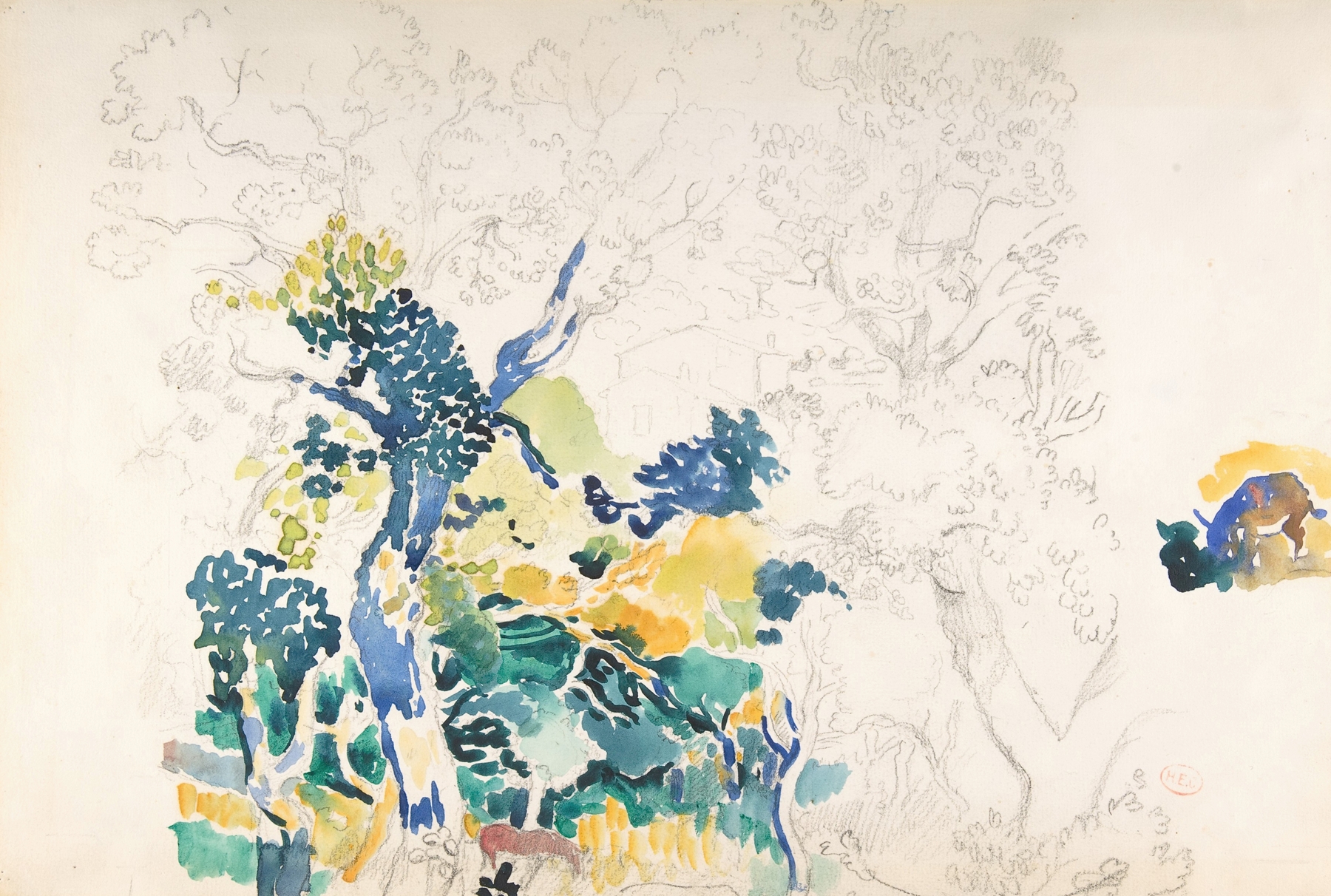
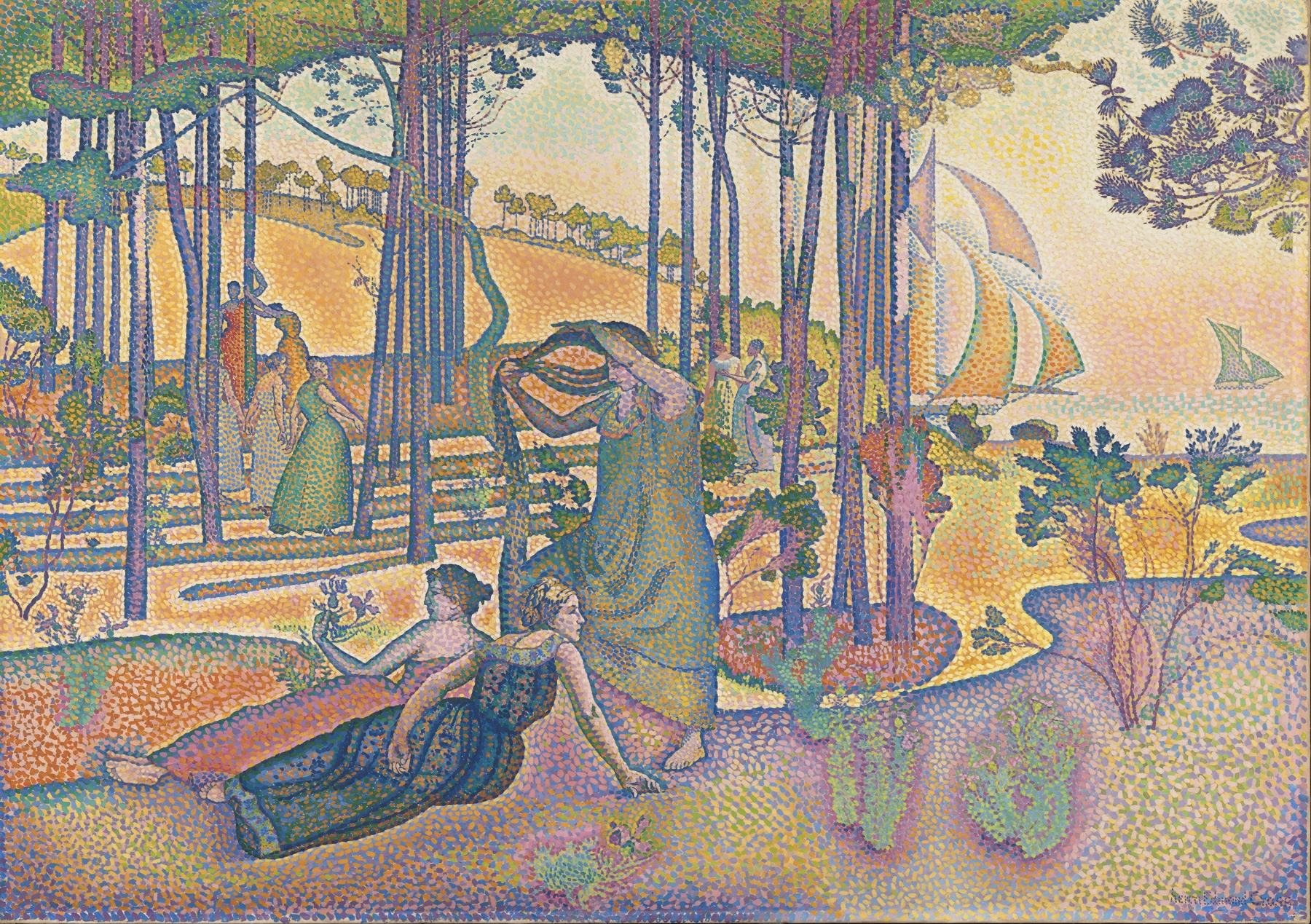
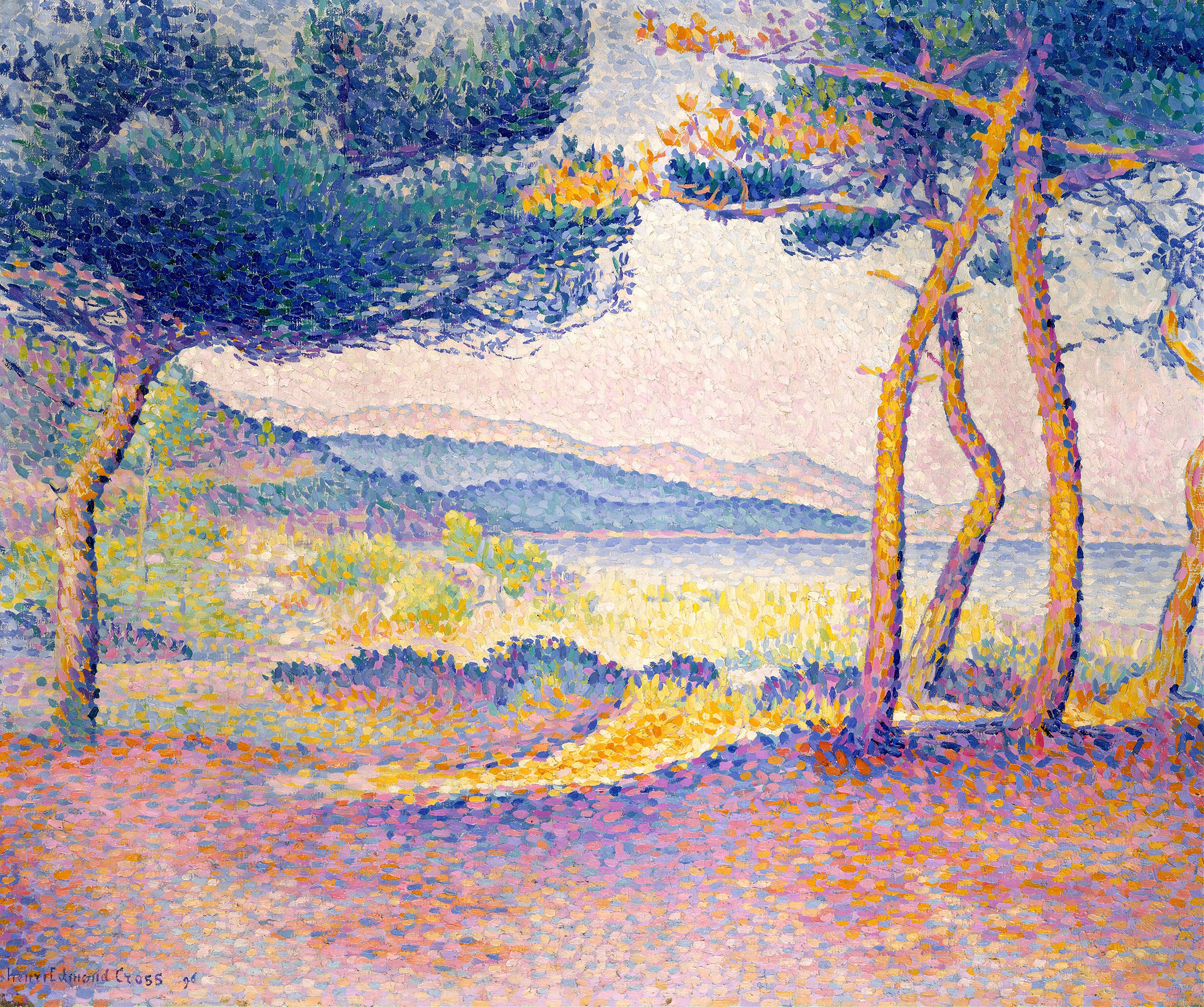
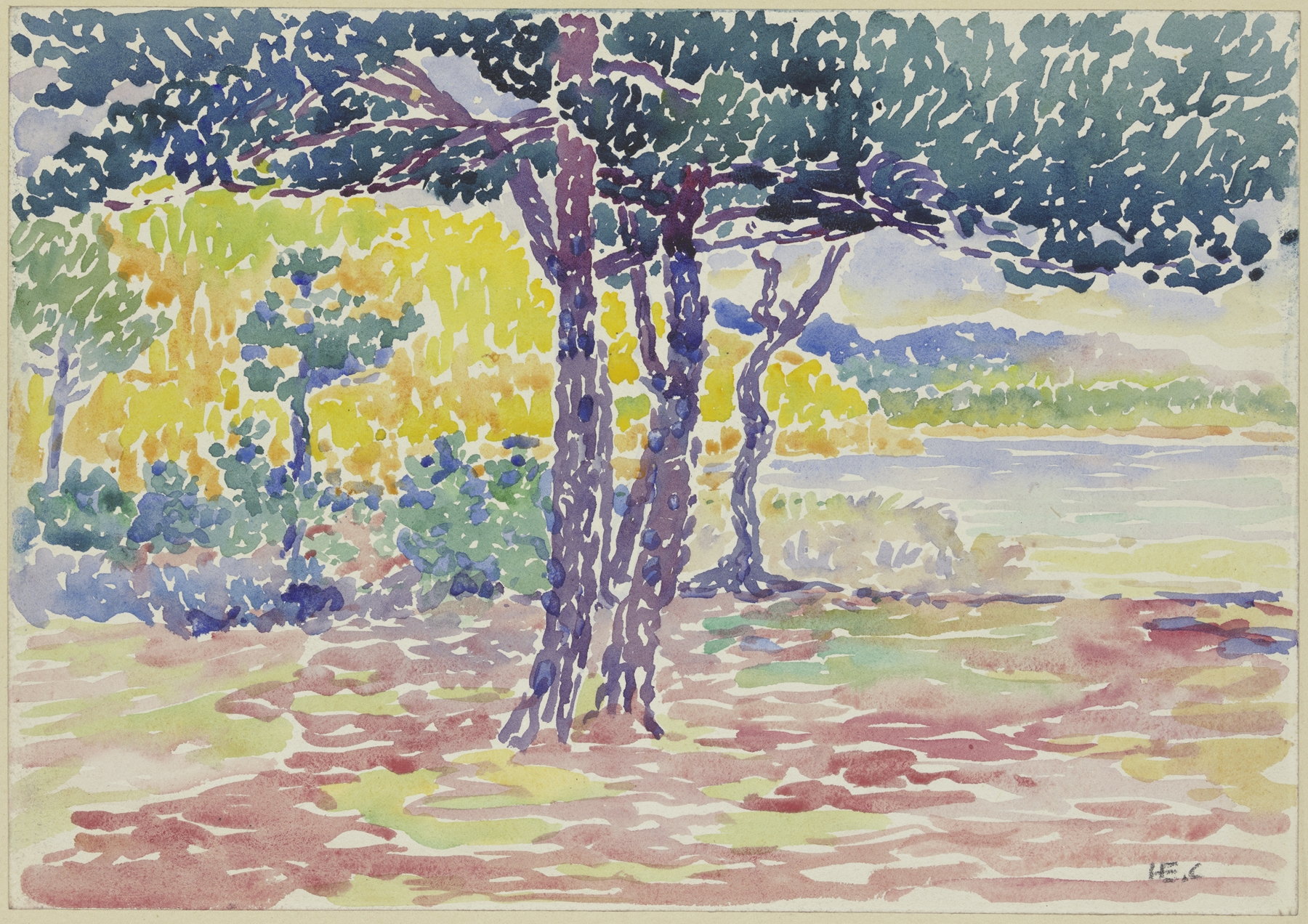
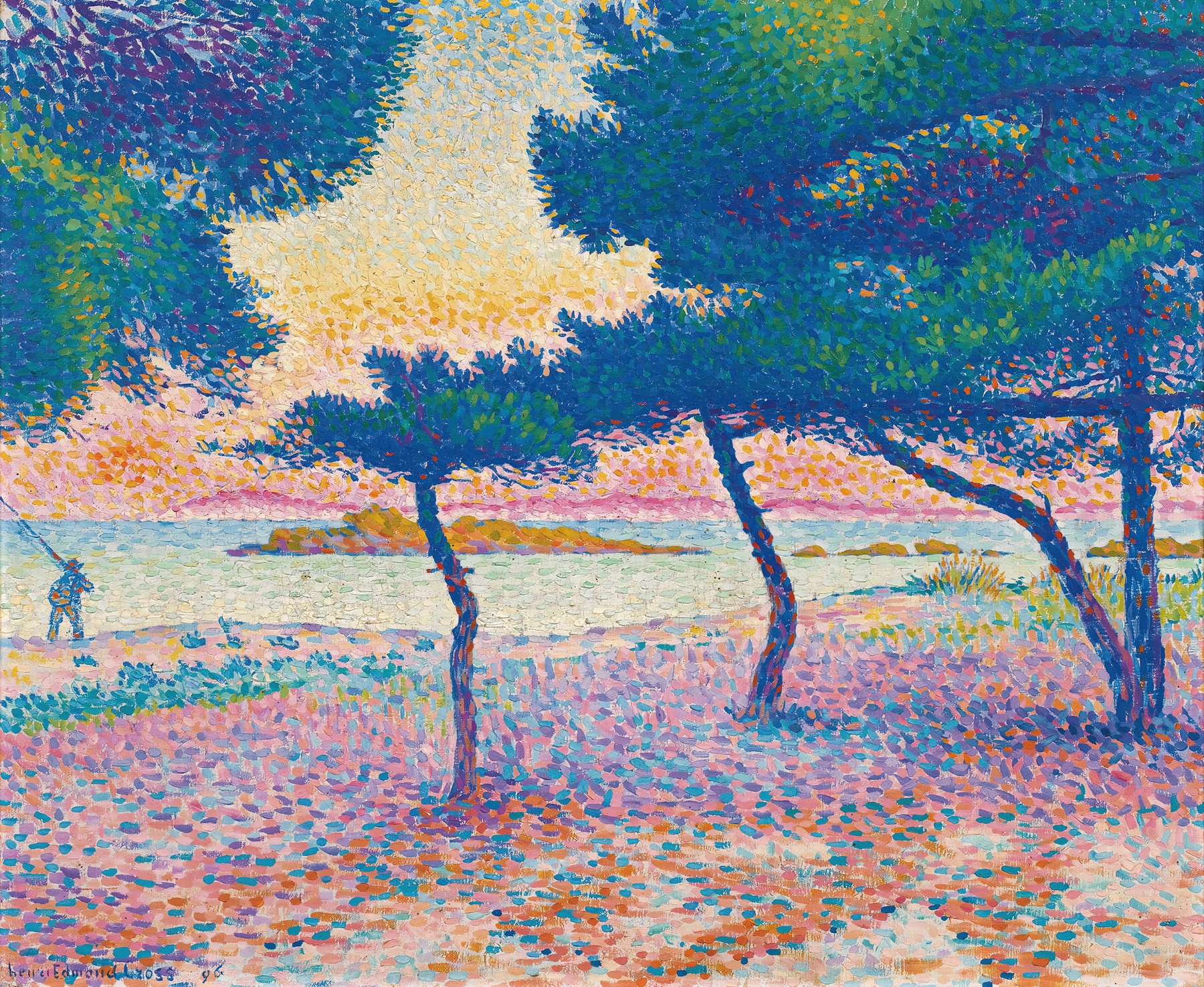
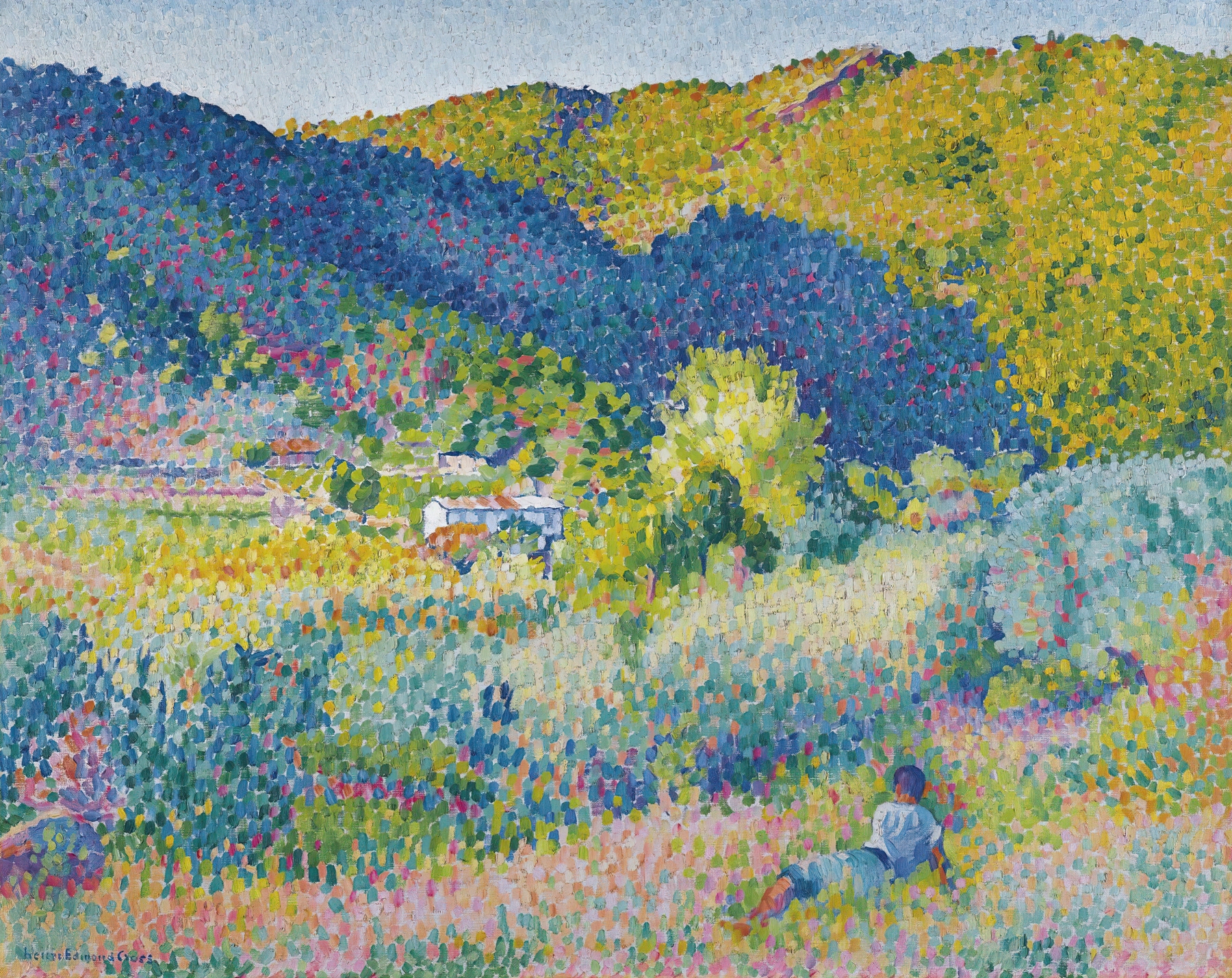
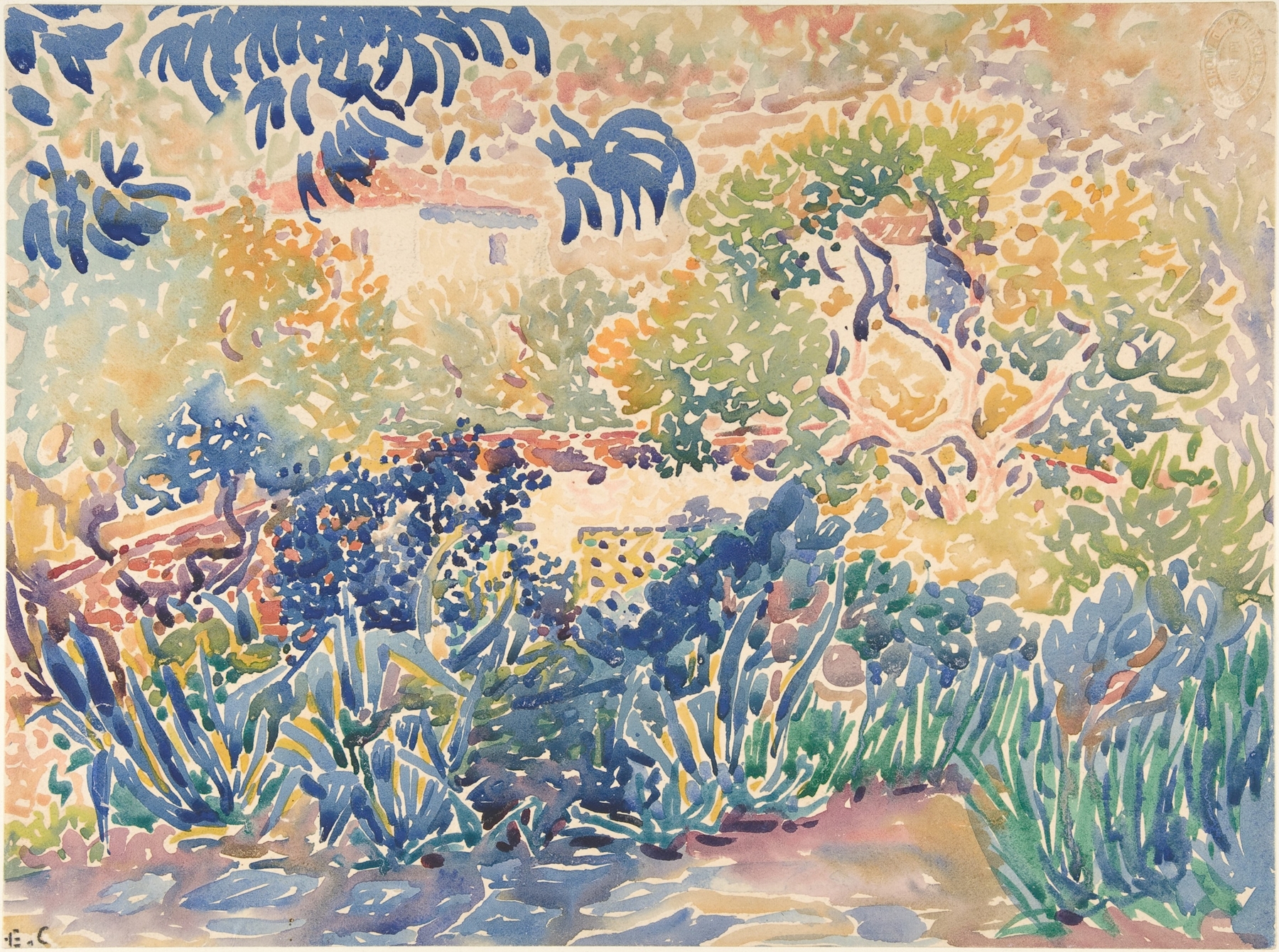
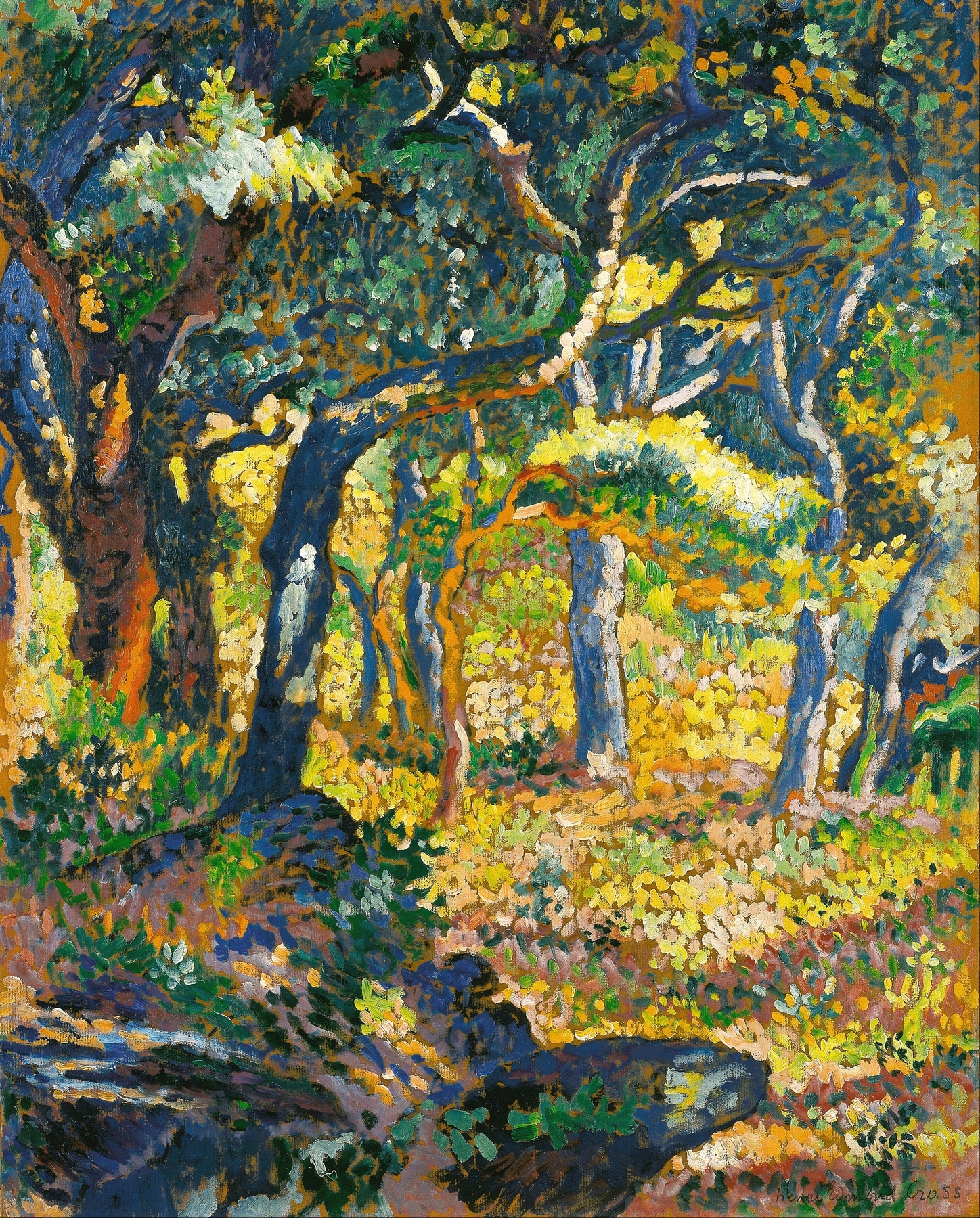
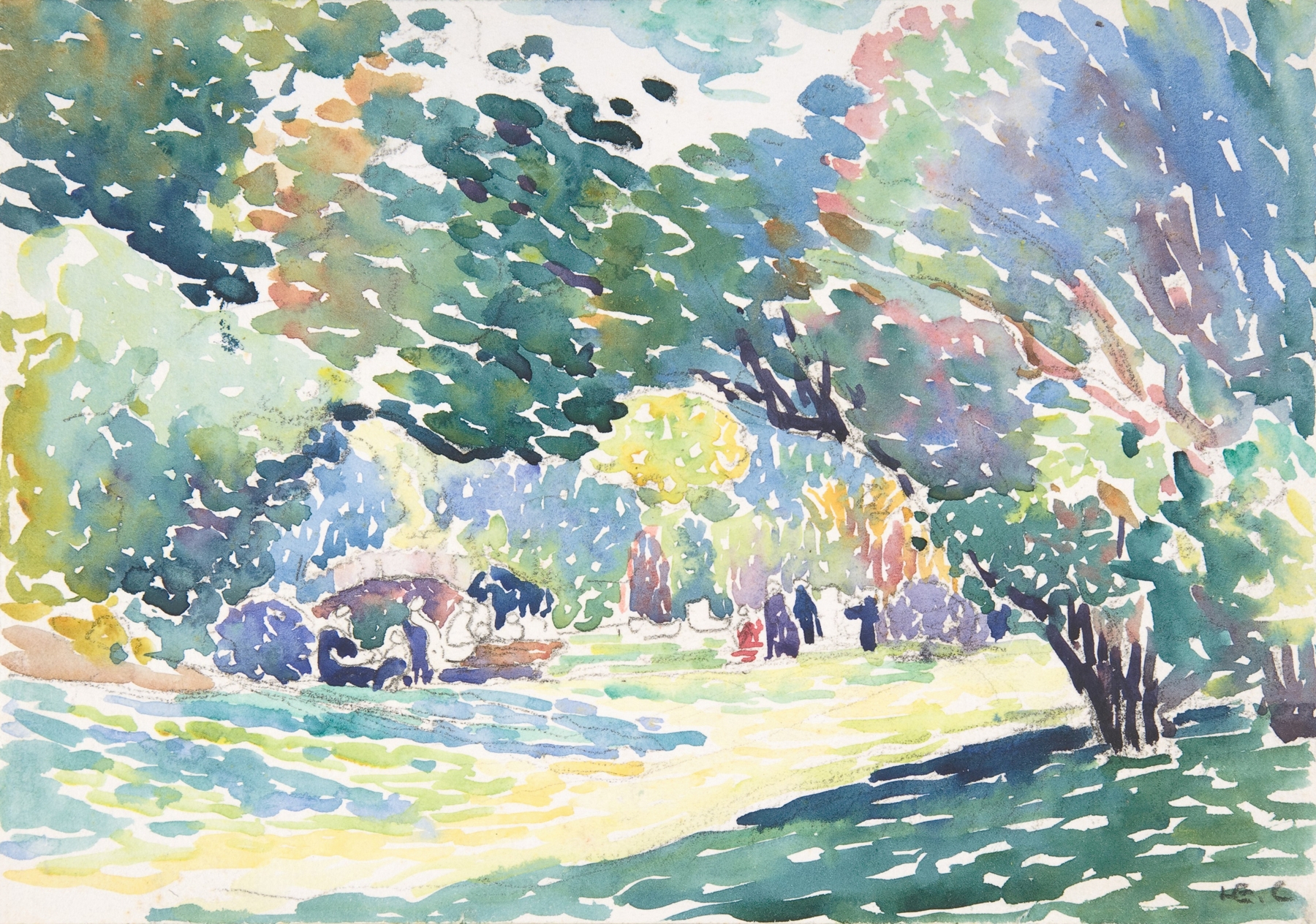
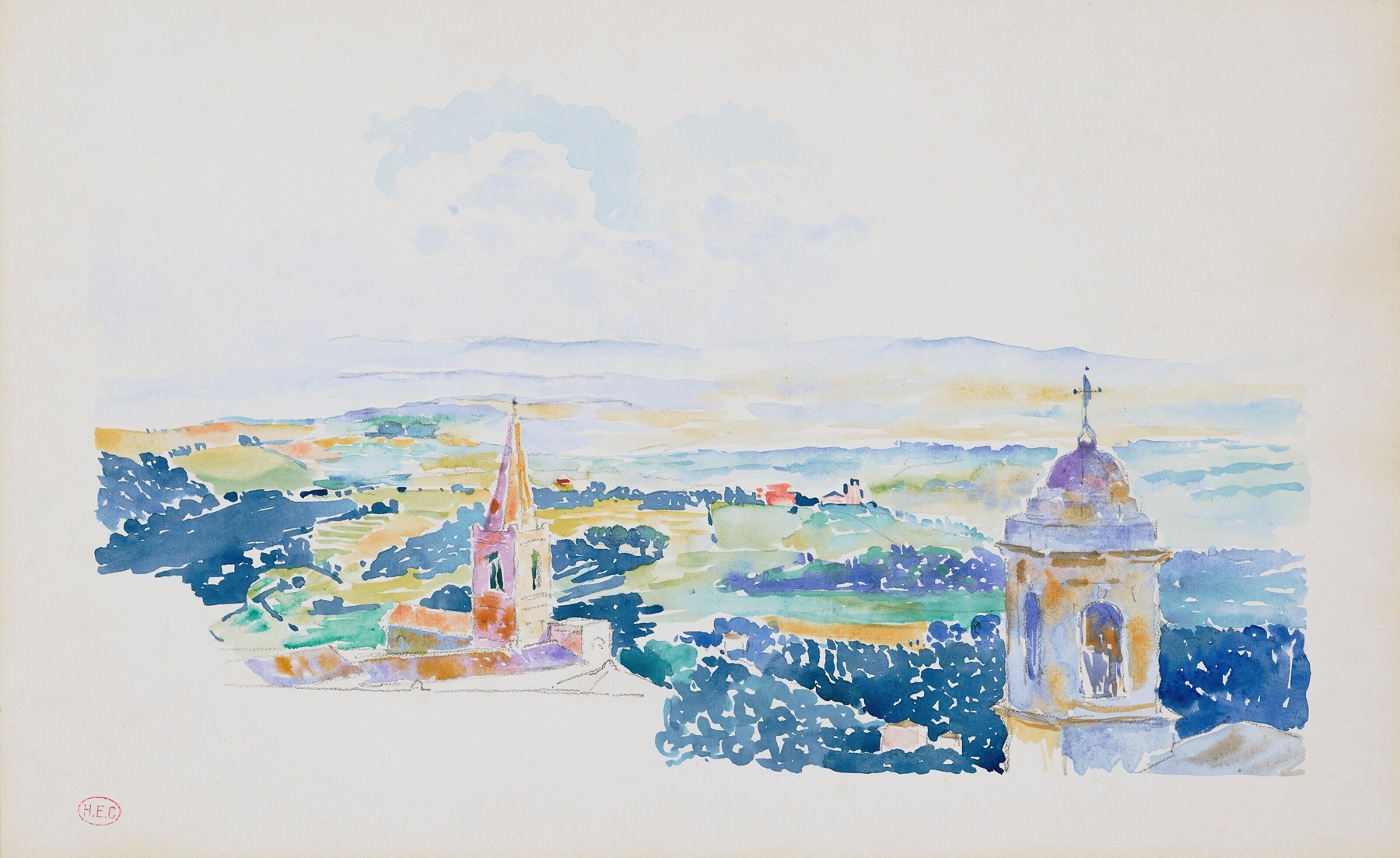
“Under the brush, chaos becomes grace.” In Paysage avec les petites montagnes mauresques, a serene reminder of nostalgia emerges, inviting the viewer to wander through a vibrant, sun-drenched landscape. Look to the center of the canvas, where delicate lavender and mauve mountains rise gently against a backdrop of soft cerulean skies. The brushwork dances across the surface, creating a texture that feels alive, as if the earth itself breathes beneath the viewer’s gaze. Notice how the luminous palette blurs the boundaries between land and sky, while dappled light flickers over the foliage, guiding your eye across the tranquil scene.
As you explore further, subtle contrasts reveal themselves—warm earth tones juxtaposed with cool blues suggest a harmonious balance between the familiar and the unfamiliar. The playful strokes hint at a fleeting moment, capturing the essence of time spent in nature, evoking a longing for simpler days. This emotional tension permeates the work, drawing the viewer into a world that is both personal and universal, where memories intertwine with dreams.
Henri-Edmond Cross painted Paysage avec les petites montagnes mauresques in 1909 during a time when the artist was deeply immersed in the Neo-Impressionism movement in the south of France. This period was marked by a retreat from industrialization and a search for beauty in the natural world, reflecting broader societal shifts. Cross's work stands as a testament to his exploration of color and light, symbolizing a moment of introspection amid the changes sweeping through the art world.