Paysage Provençal — History & Analysis
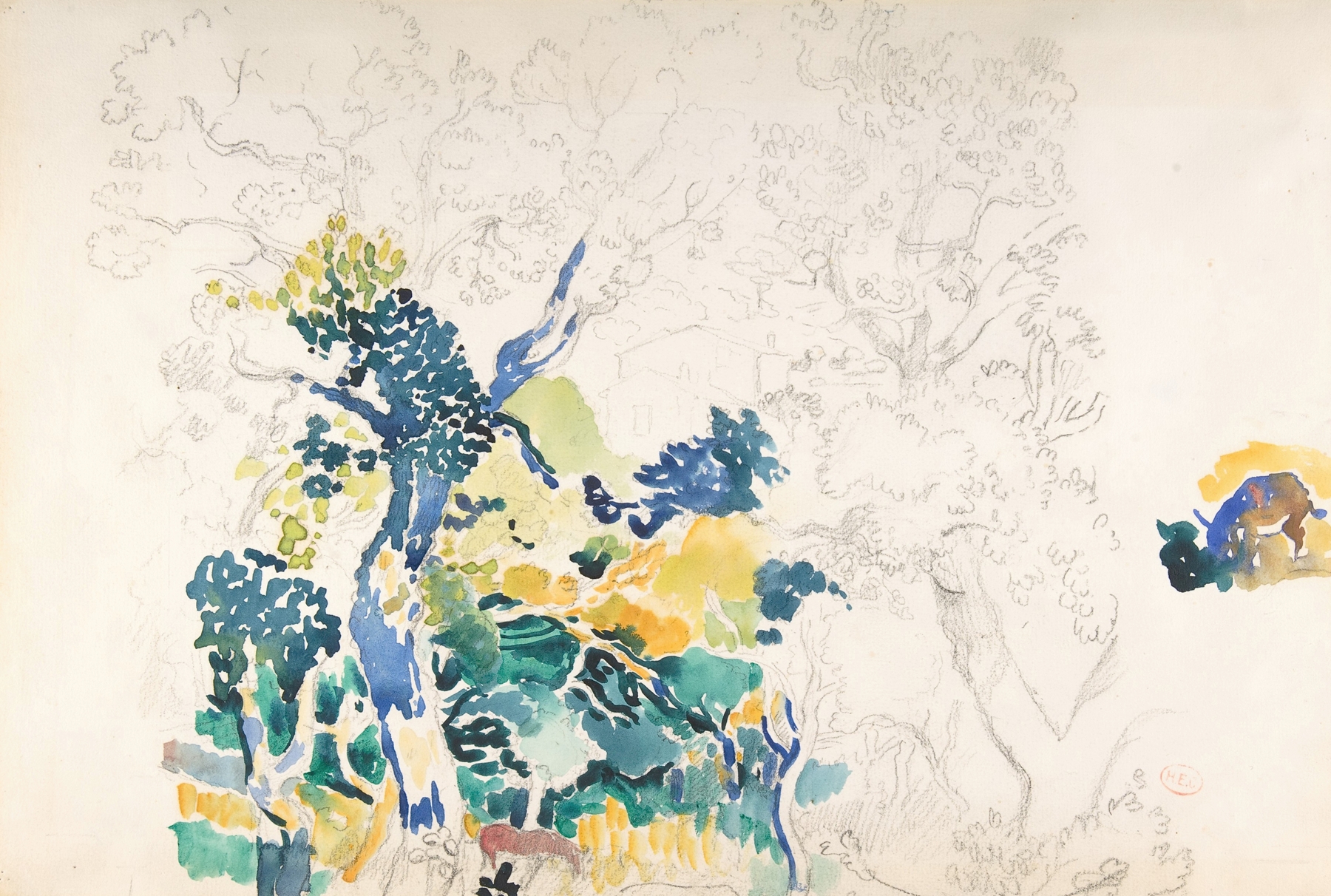
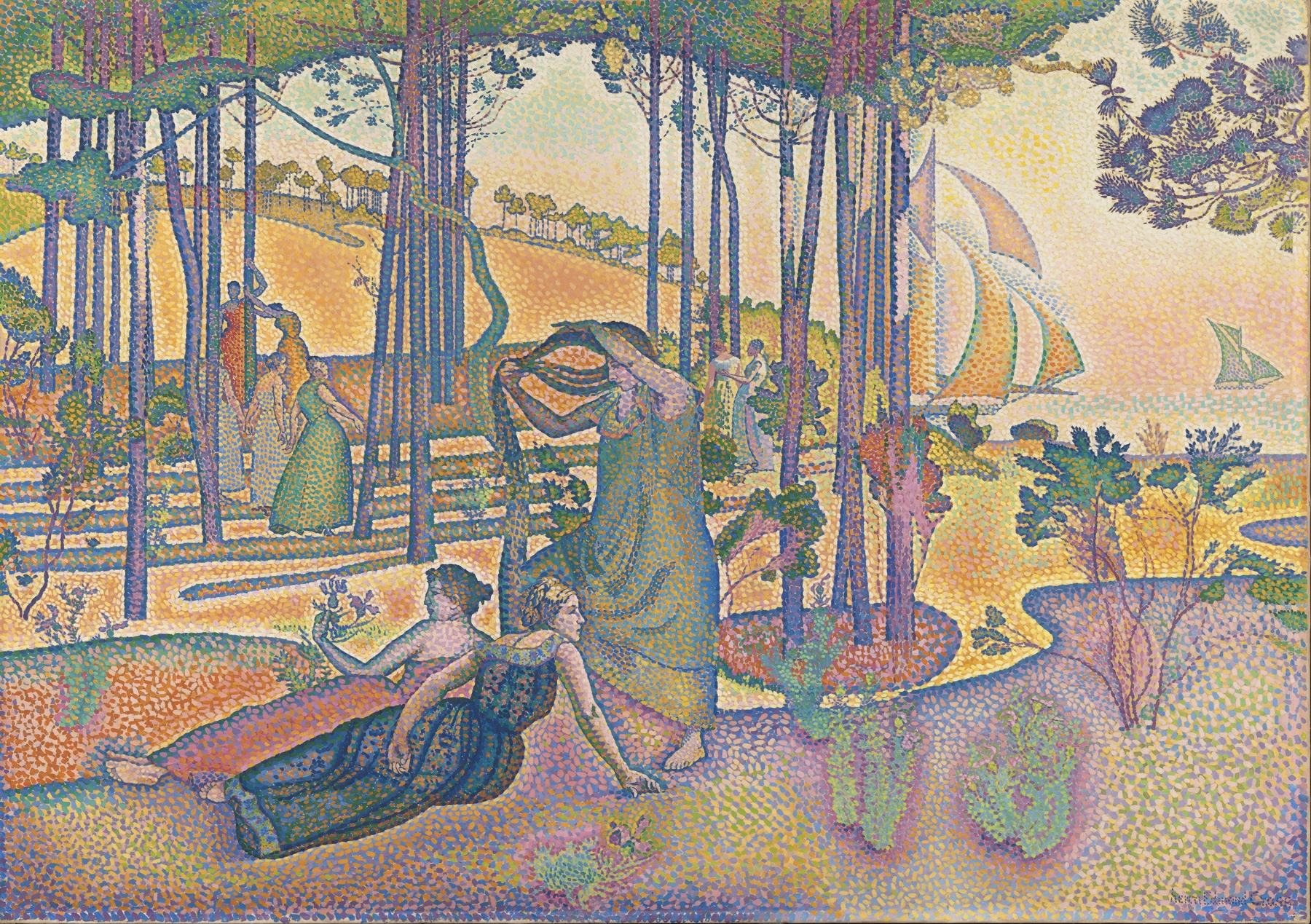
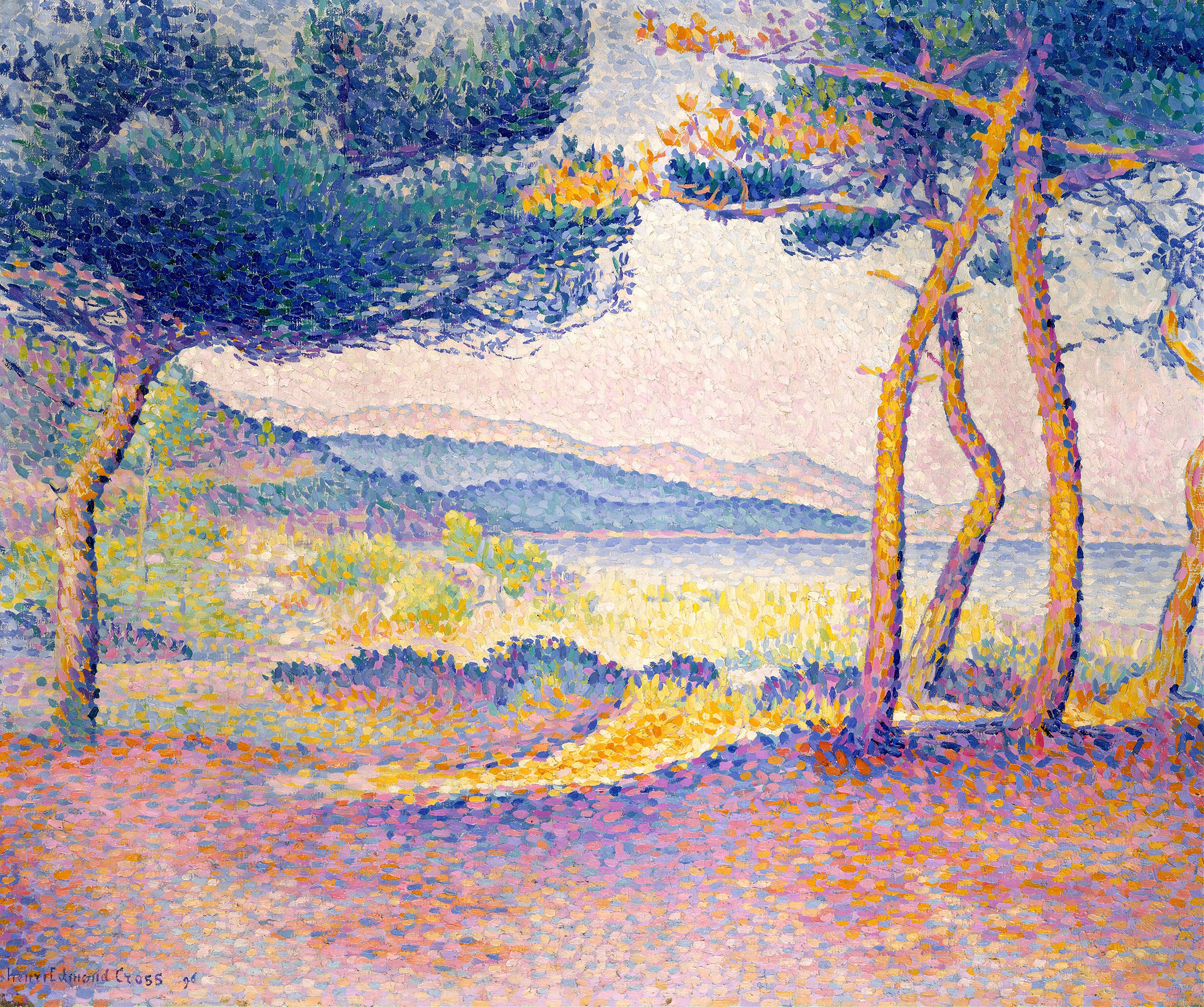
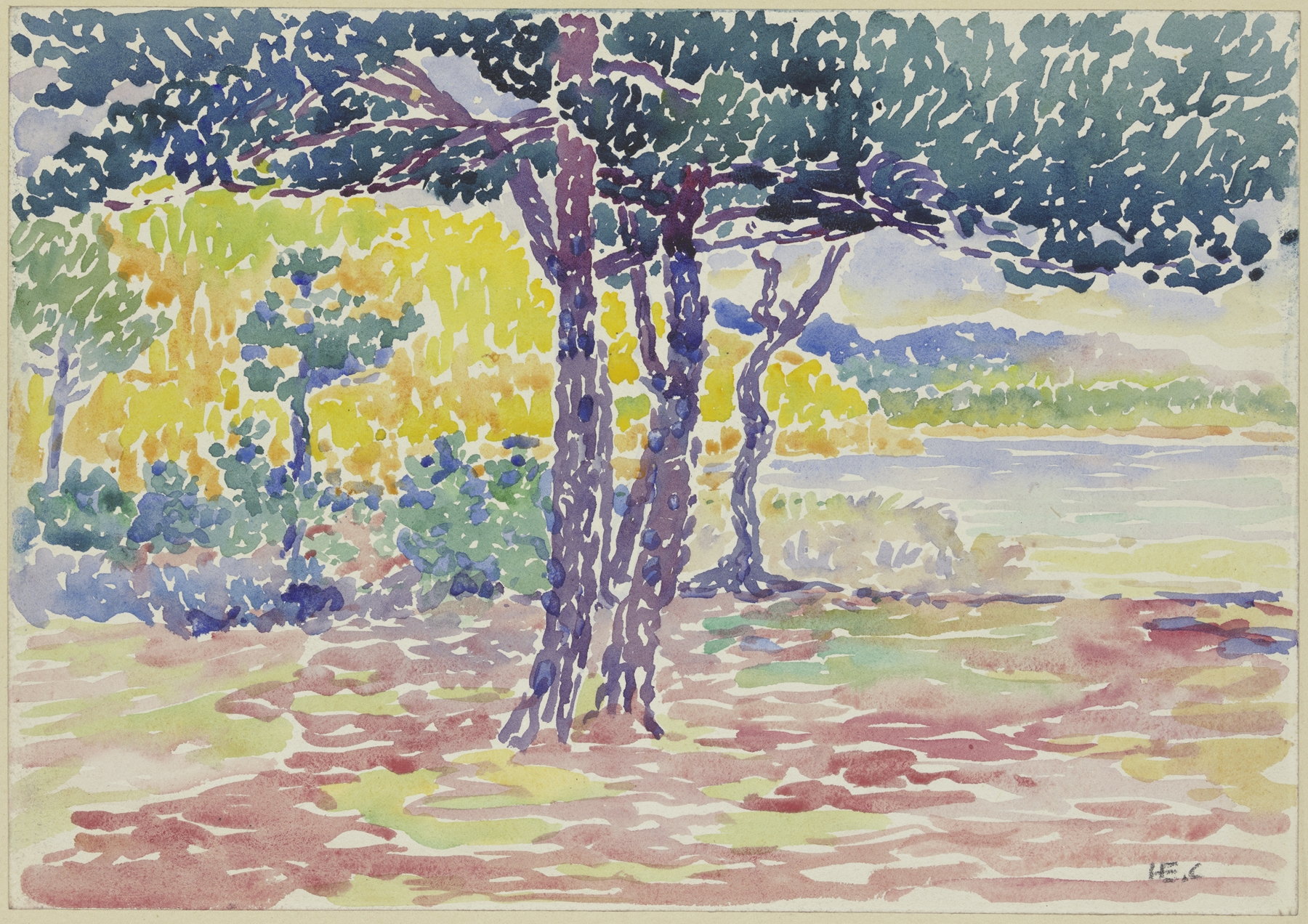
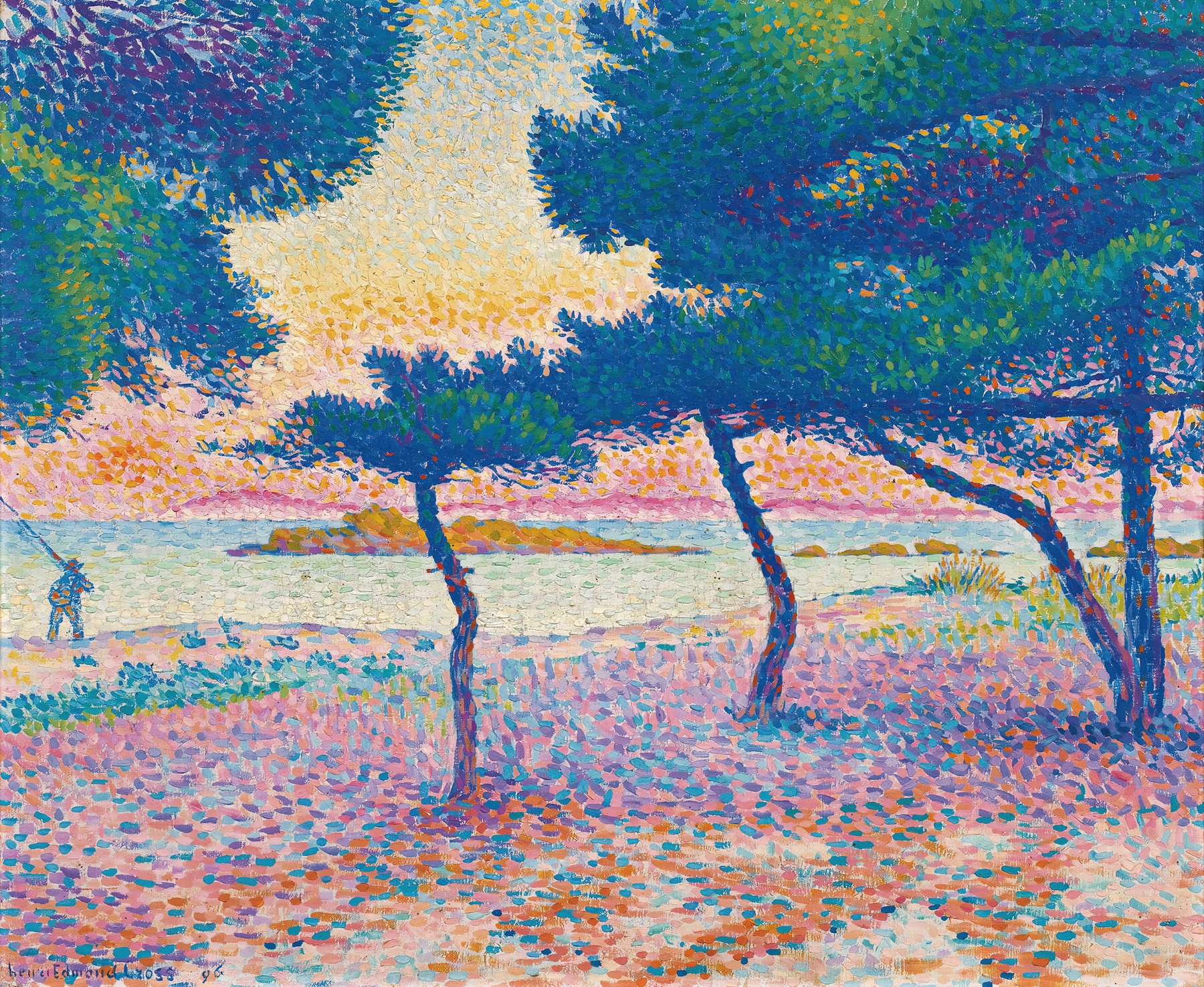
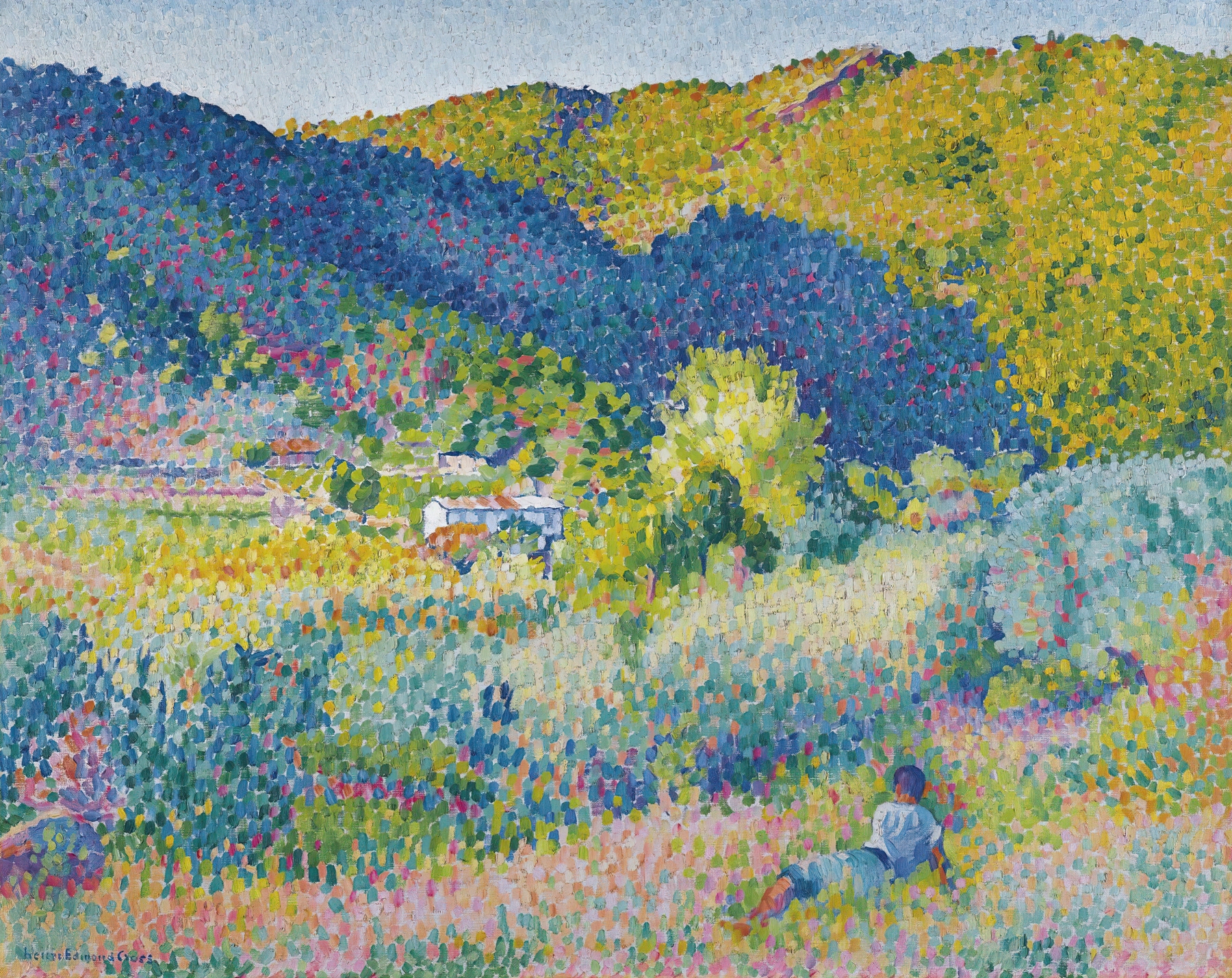
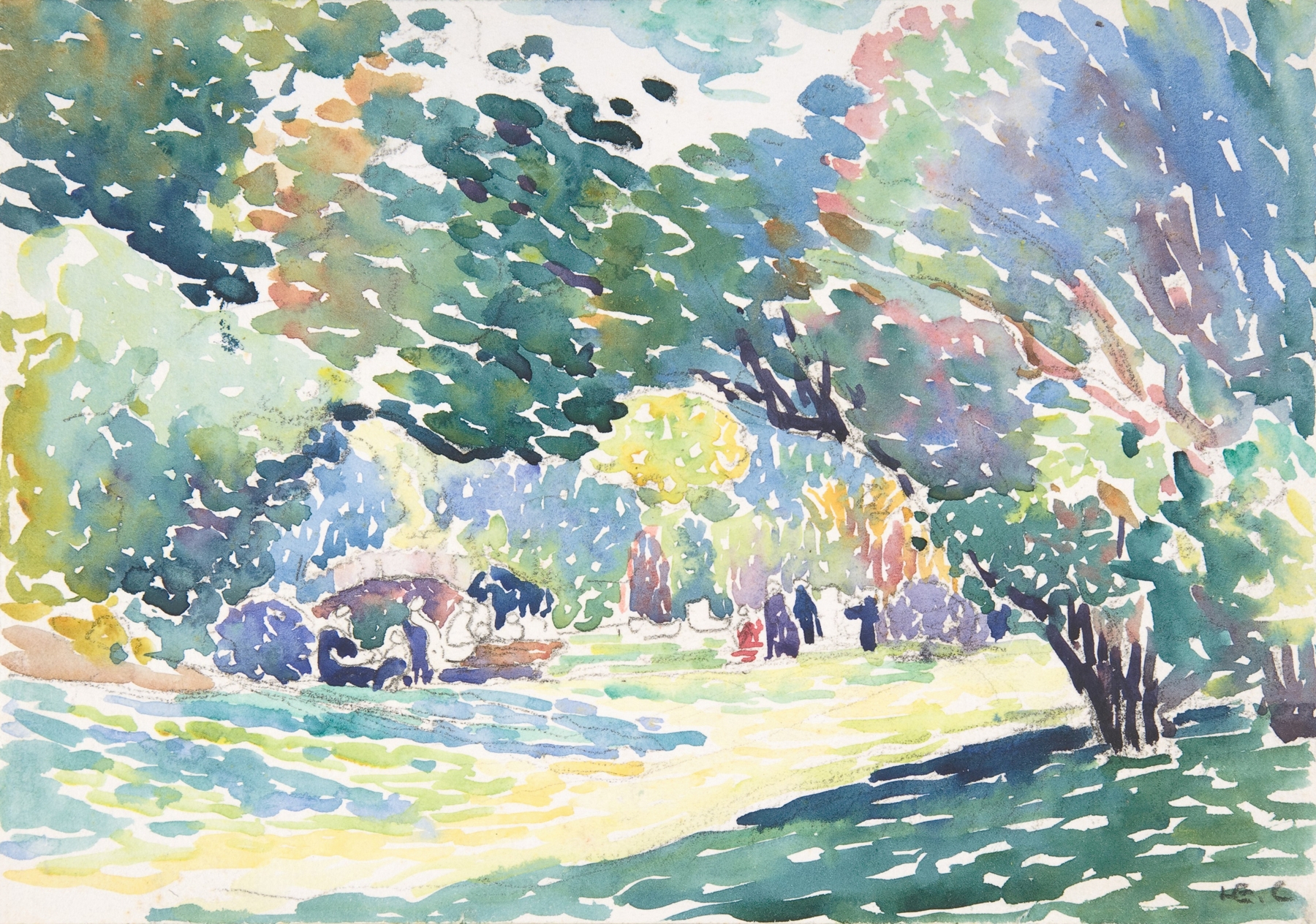
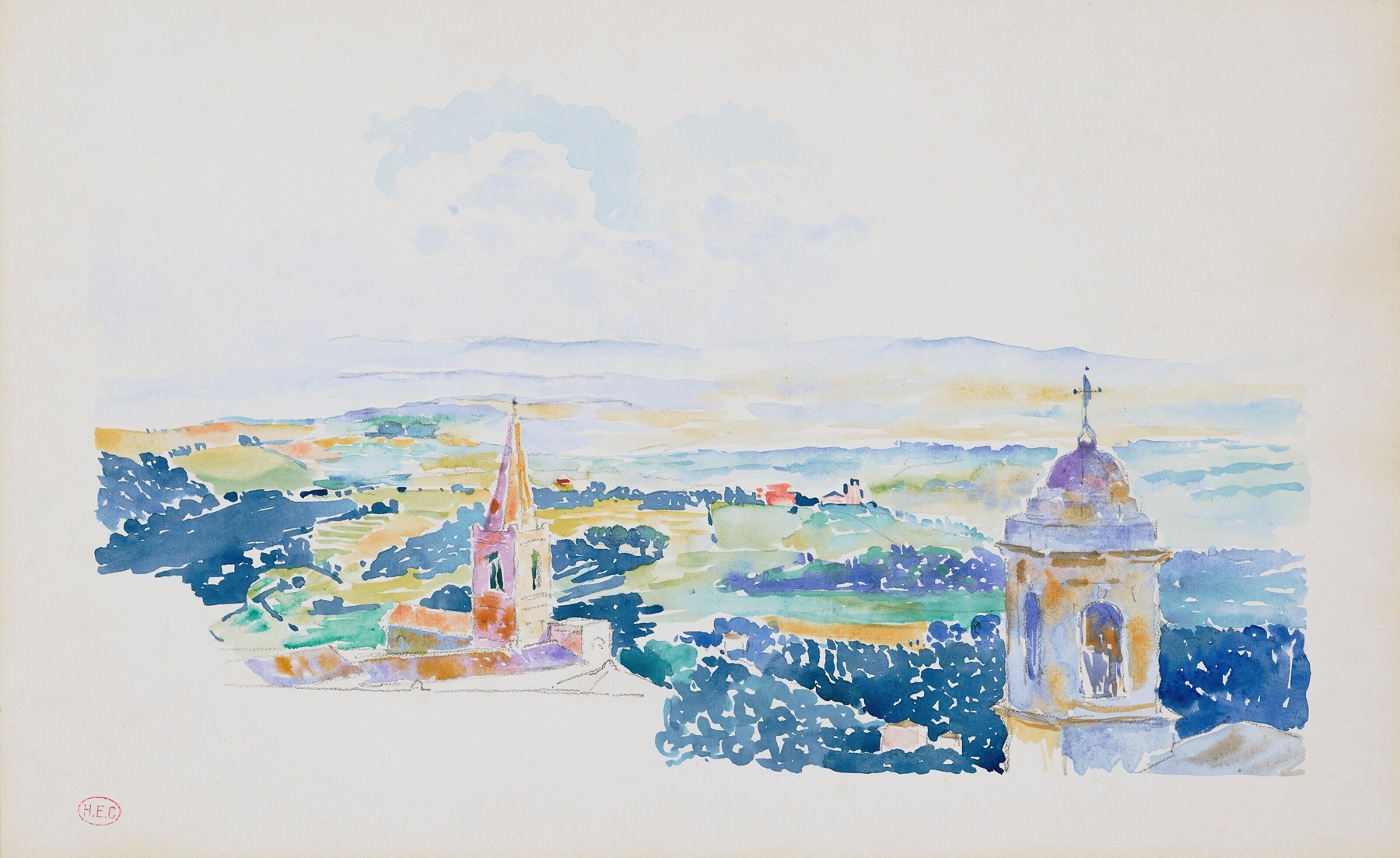
Is this a mirror — or a memory? The landscape unfolds like a dream, a tableau of vibrant hues that beckons the viewer to step into its embrace, where reality and illusion entwine gracefully. Focus first on the foreground, where bold strokes of cobalt blue and sunlit yellow converge in an explosion of color. The gentle curves of the hills draw your eyes toward the horizon, creating a rhythmic motion that captures the essence of the Provençal countryside.
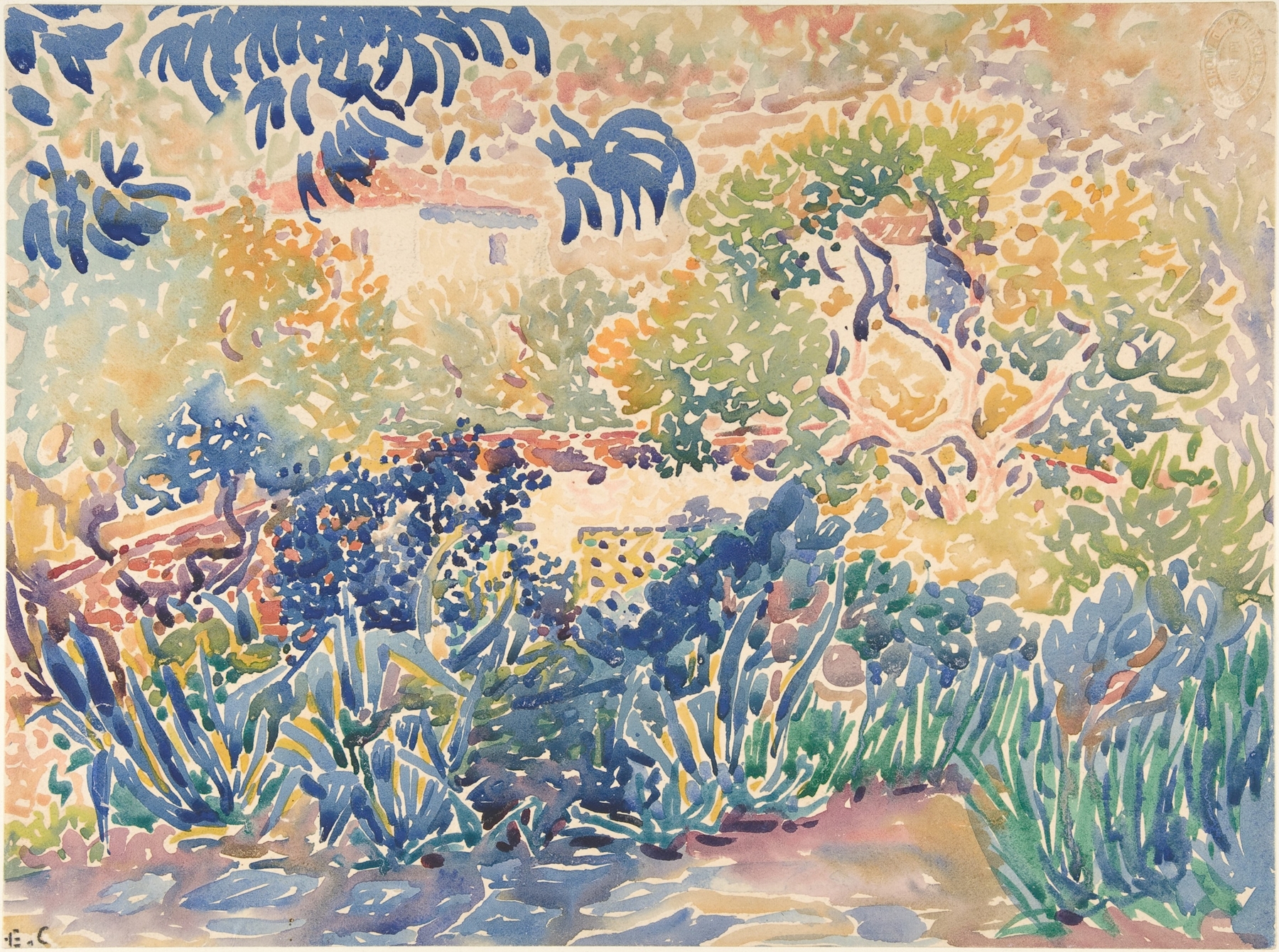
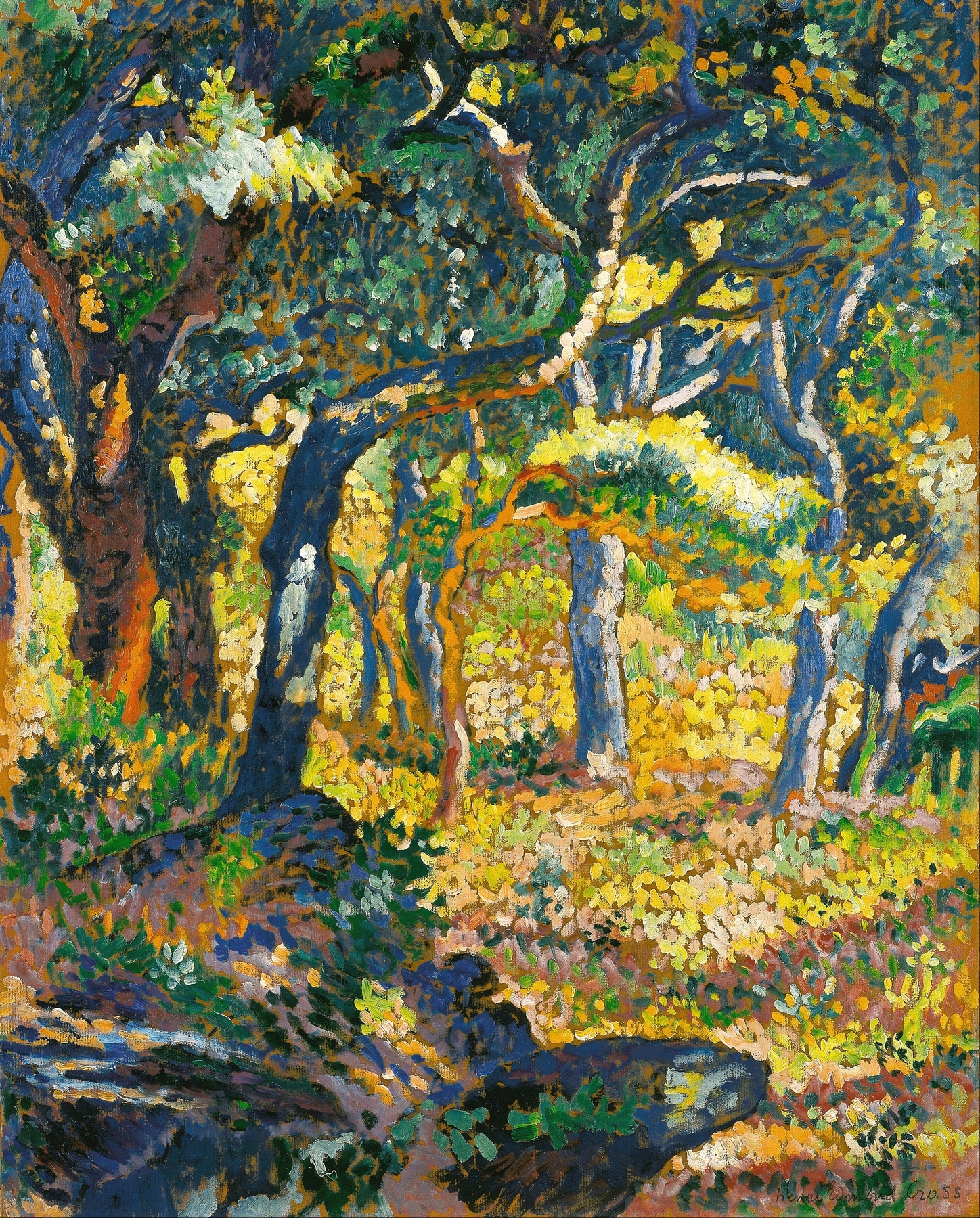
Notice how the dappled sunlight dances across the canvas, highlighting the texture of the brushwork, imbuing life into every element, from the swaying grasses to the distant olive trees. Delve deeper into the subtle contrasts within the piece. The interplay between the vivid colors and the softer, muted tones amplifies a sense of nostalgia, as if the landscape is both familiar and unattainable. Hidden within the vibrant strokes lies a tension between reality and memory, suggesting that what we perceive may not be the full truth — but rather a fleeting illusion crafted by our desires and recollections.
The mirrored surface of the water, reflecting the brilliant colors, serves as an invitation to question whether this scene is merely a reflection of what is, or what has been longed for. In 1907, when this piece was conceived, Henri-Edmond Cross was immersed in the vibrant art scene of the South of France, a time when Post-Impressionism was gaining momentum and artists were exploring the boundaries of color and form. Living in Saint-Tropez, he embraced the light and beauty around him, capturing the essence of his environment while also experimenting with techniques that would influence future movements, including Fauvism. This painting is a testament to that pivotal moment in his artistic evolution, blending emotional resonance with an evolving visual language.