Petite côte de Sorrente (grise) — History & Analysis
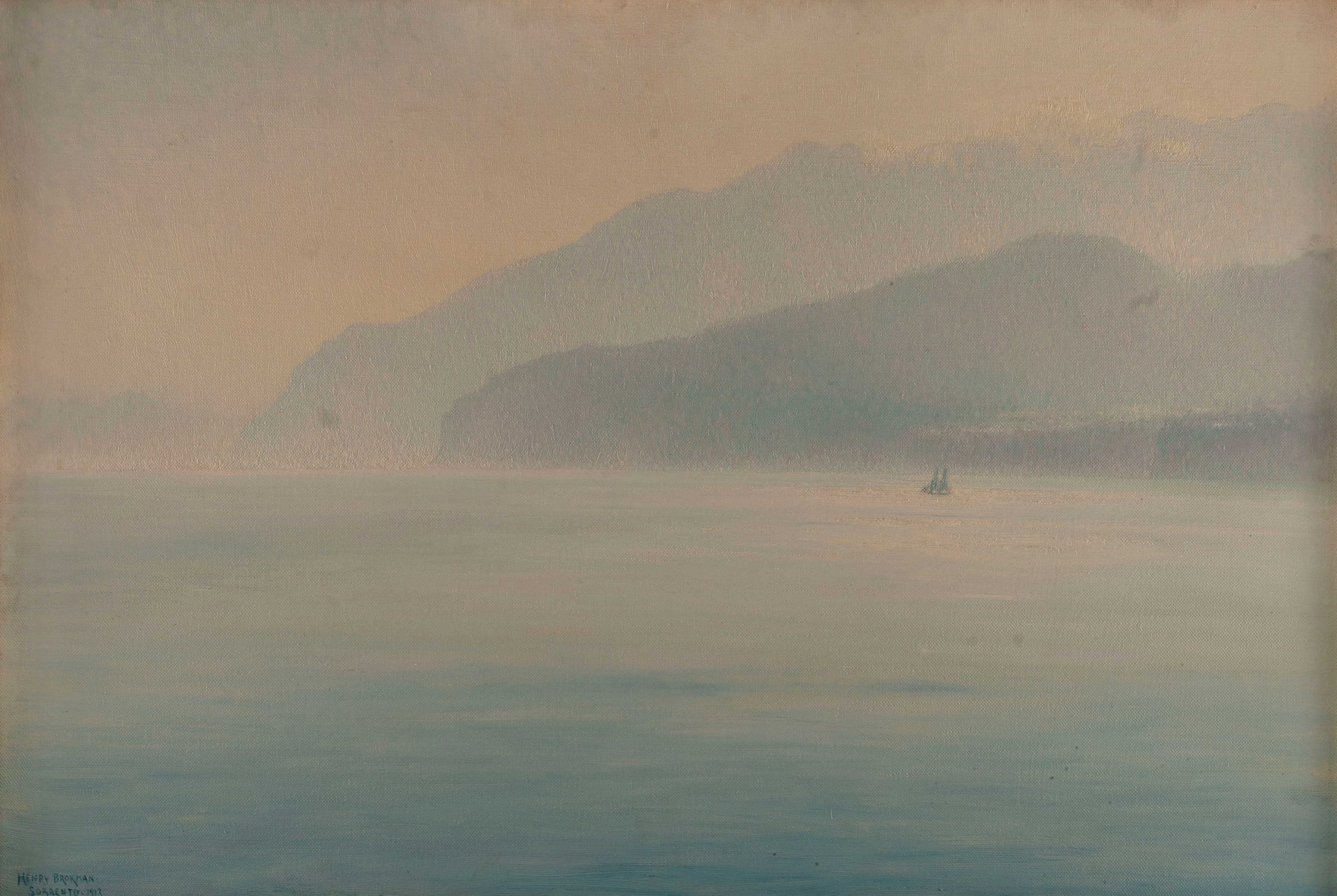
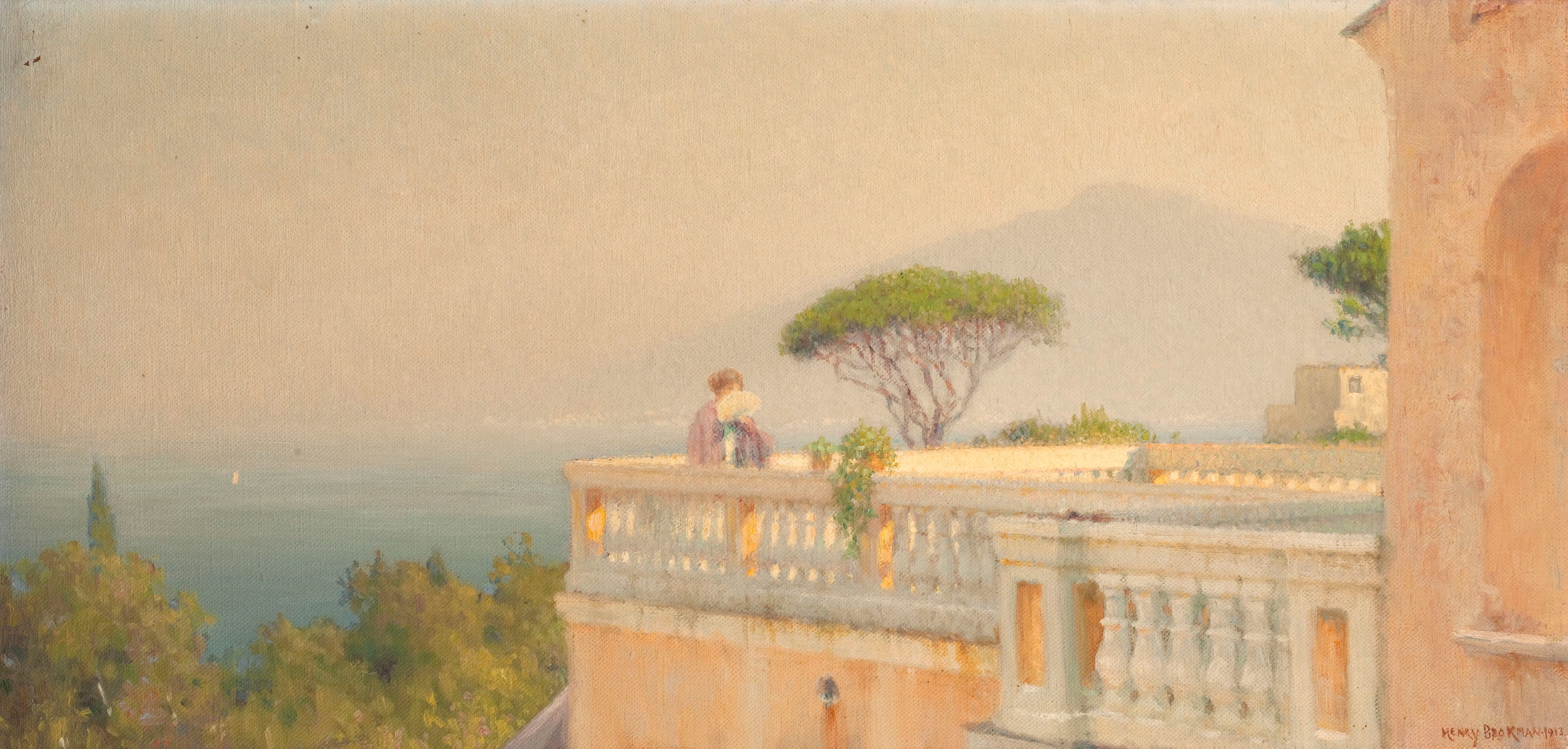
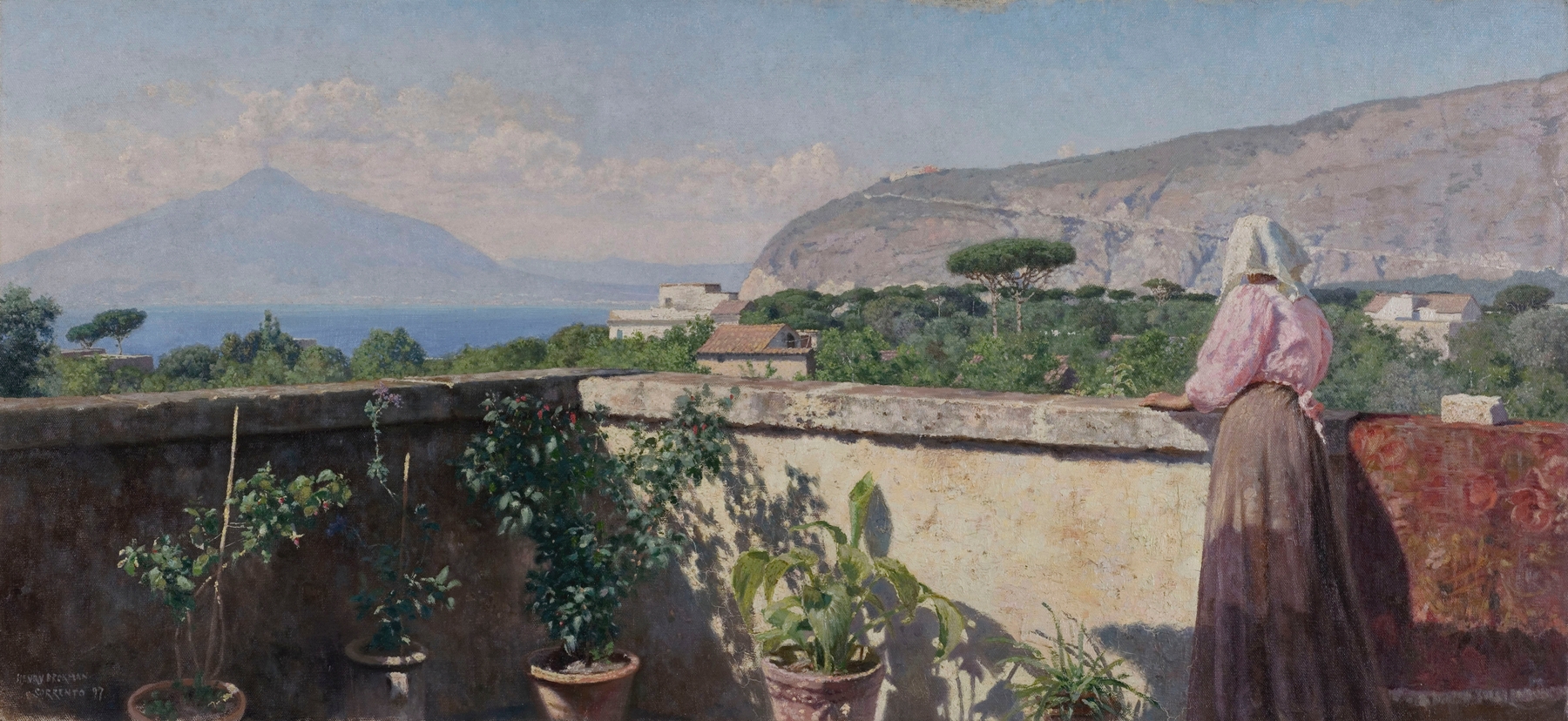
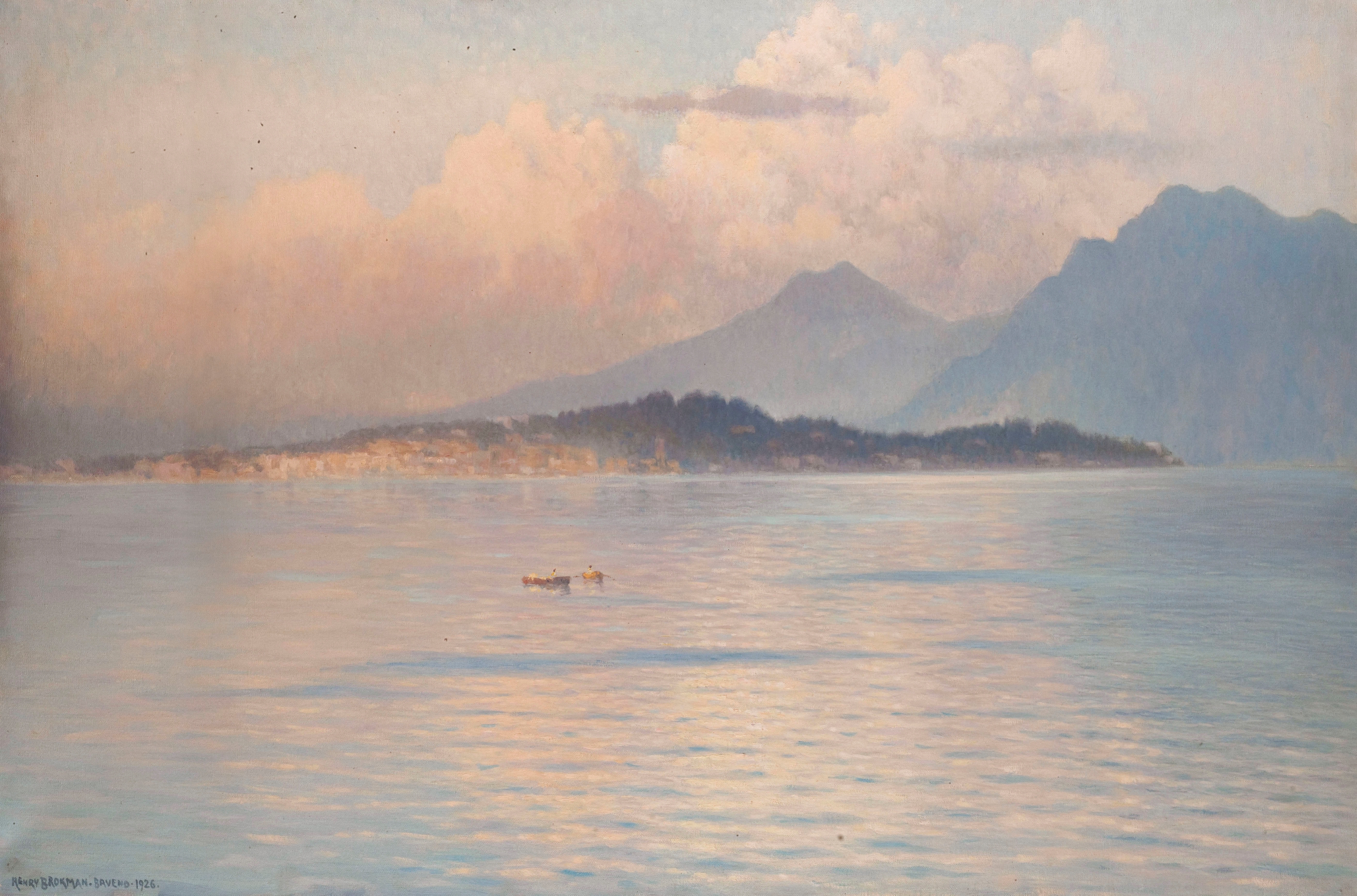
“The canvas doesn’t lie — it simply waits.” It holds a truth that manifests in the muted, atmospheric tones of a serene landscape, where color speaks louder than form. Look to the foreground, where delicate strokes of grey and green blend seamlessly, evoking the gentle undulations of the Sorrentine coast. The horizon stretches across the canvas, a soft beige sky kissing the distant waves, which ripple in whispers of blue. Subtle layering creates depth, while an ethereal light bathes the scene, giving the impression that the setting is both a memory and a dream.
Yet, within this tranquility lies a tension. The deliberate choice of a greyscale palette reflects a sense of introspection, perhaps even nostalgia, suggesting that beauty is often tinged with melancholy. The absence of vibrant colors invites the viewer to linger in contemplation, questioning what lies beneath the surface. Each stroke tells a story of a fleeting moment, evoking emotions that transcend the physicality of the land and water.
In 1912, Brokman painted this work during a period of profound transformation in the art world, shifting from impressionism to abstraction. Living in France, he was influenced by the avant-garde movements stirring around him, yet chose to embrace a quieter, more subdued palette. This decision mirrors his personal quest for simplicity, reflecting a world that was on the brink of chaos but still capable of harboring peace and stillness.