Côte De Sorrente, Bleu Et Argent — History & Analysis
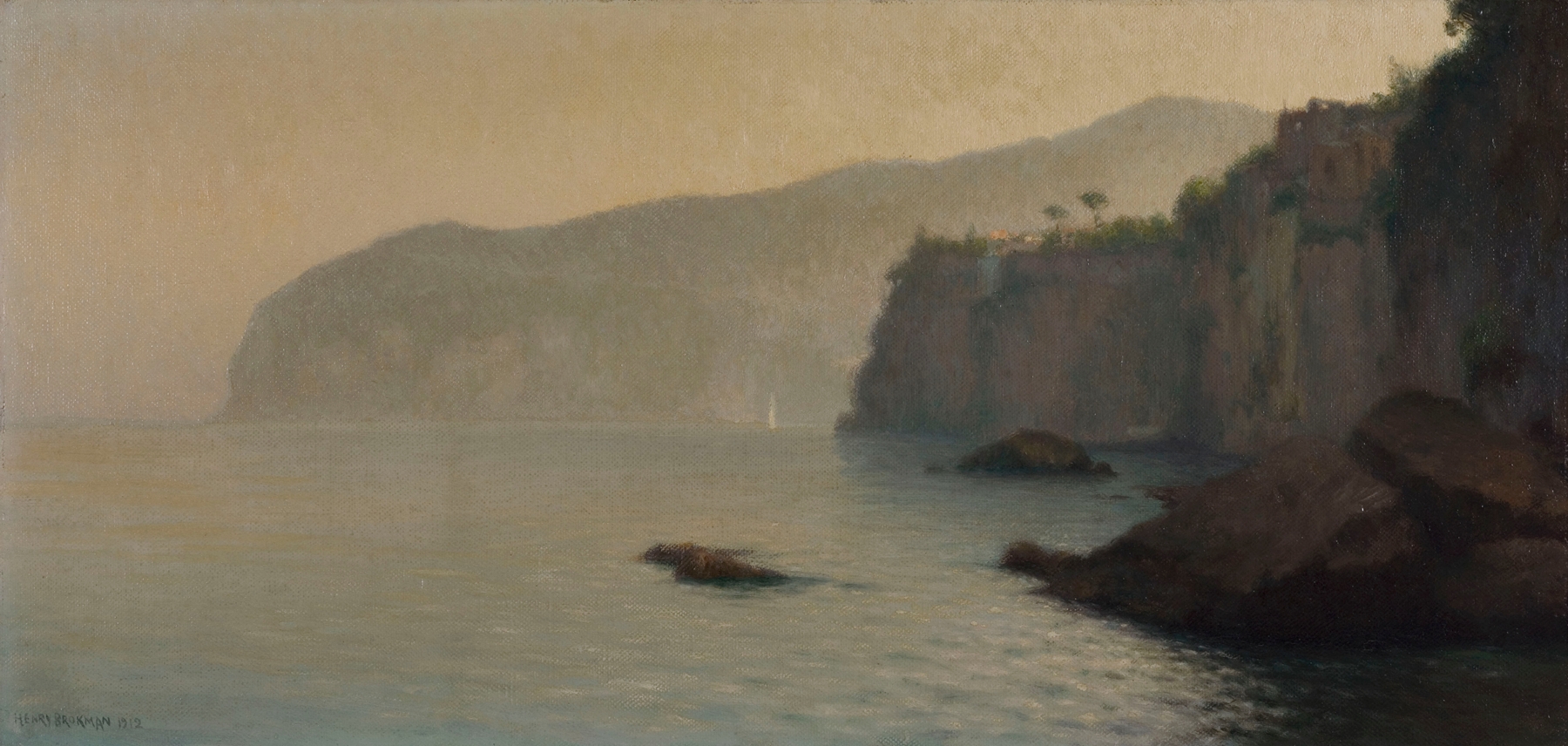
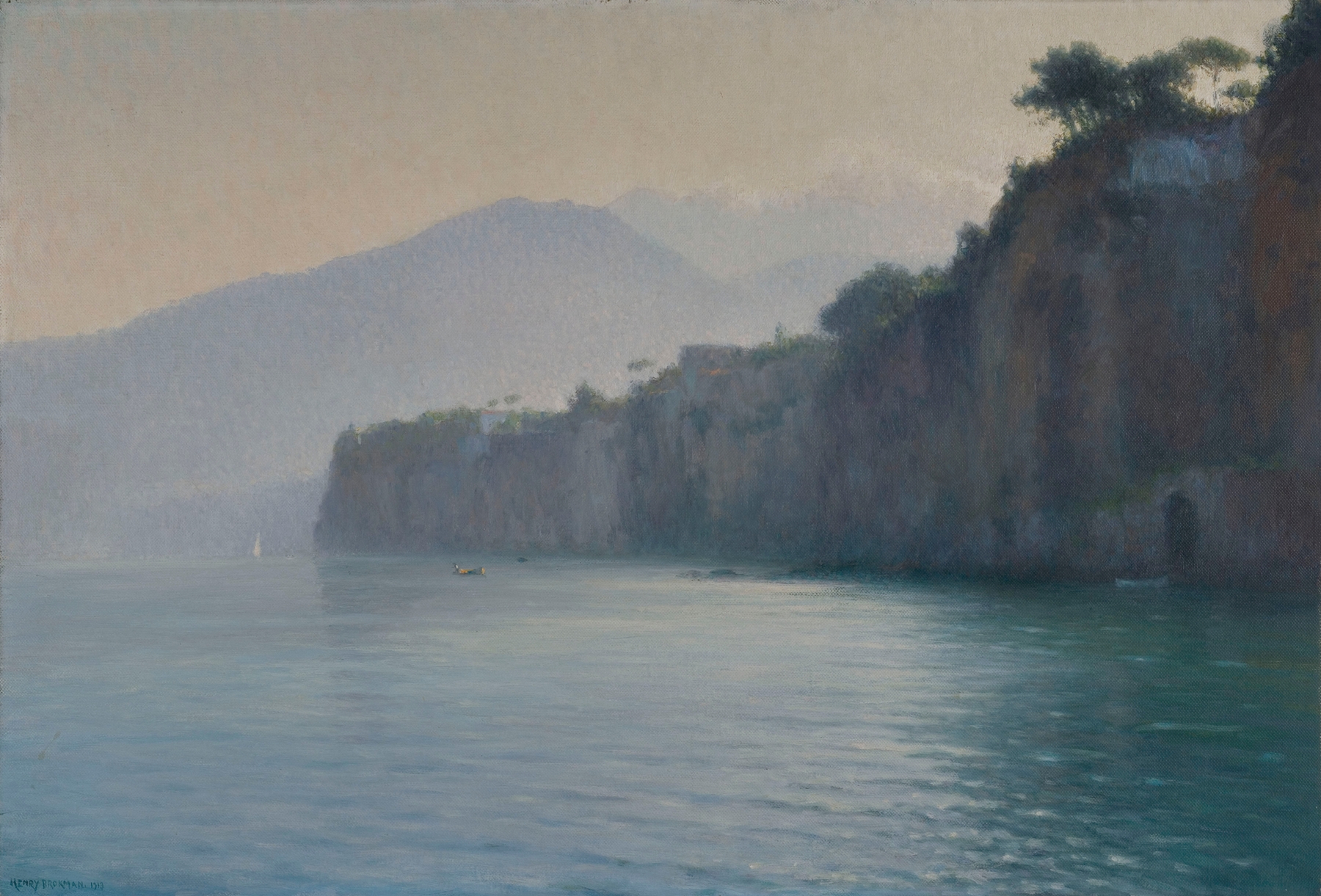
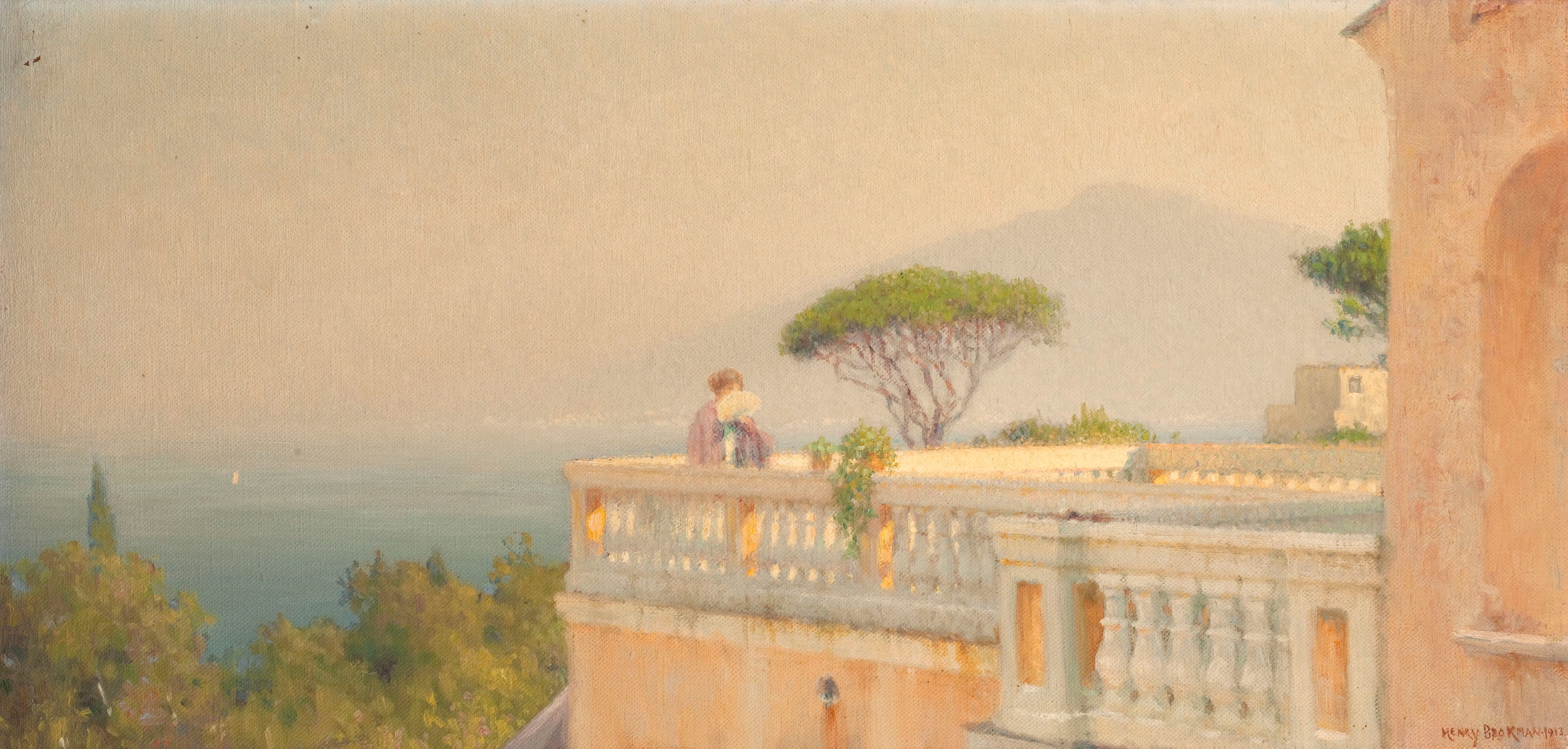
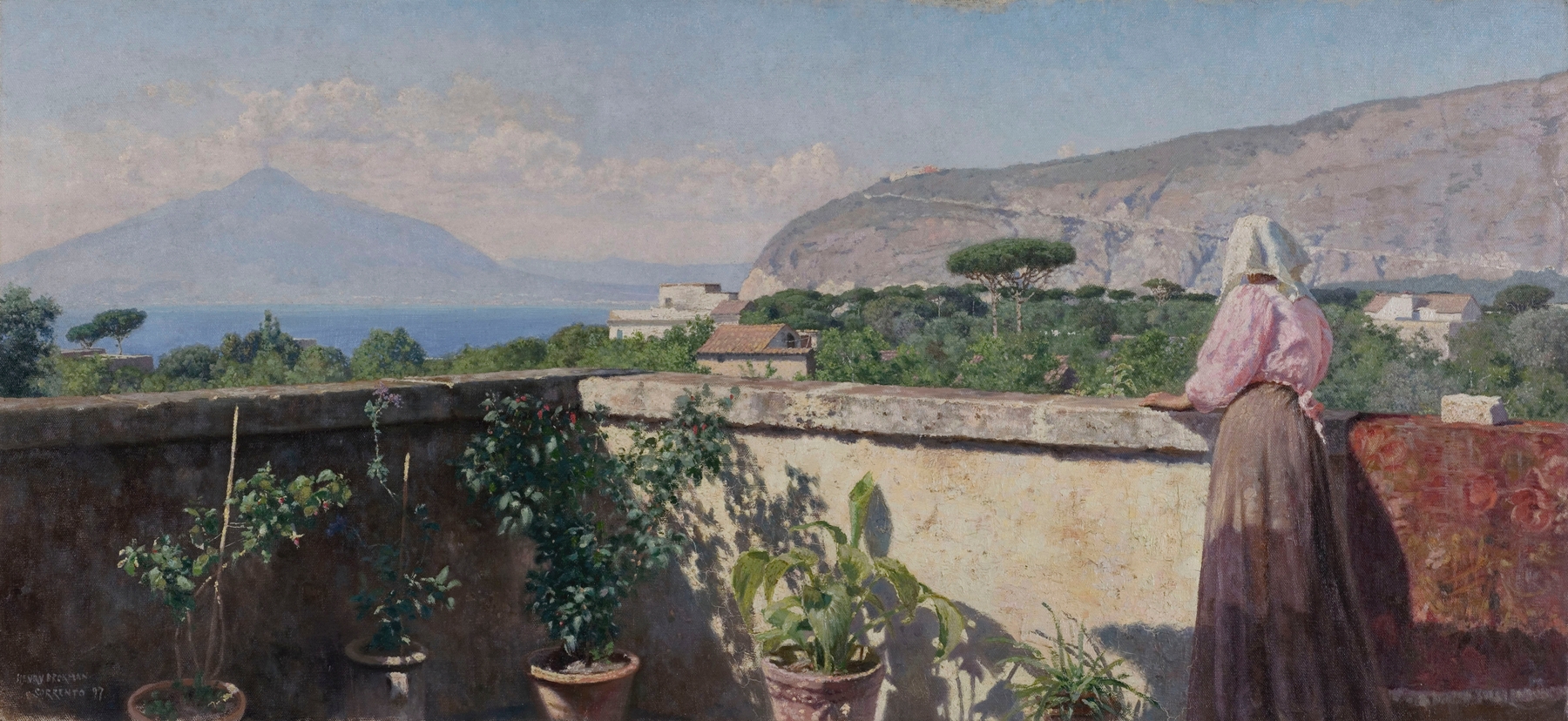
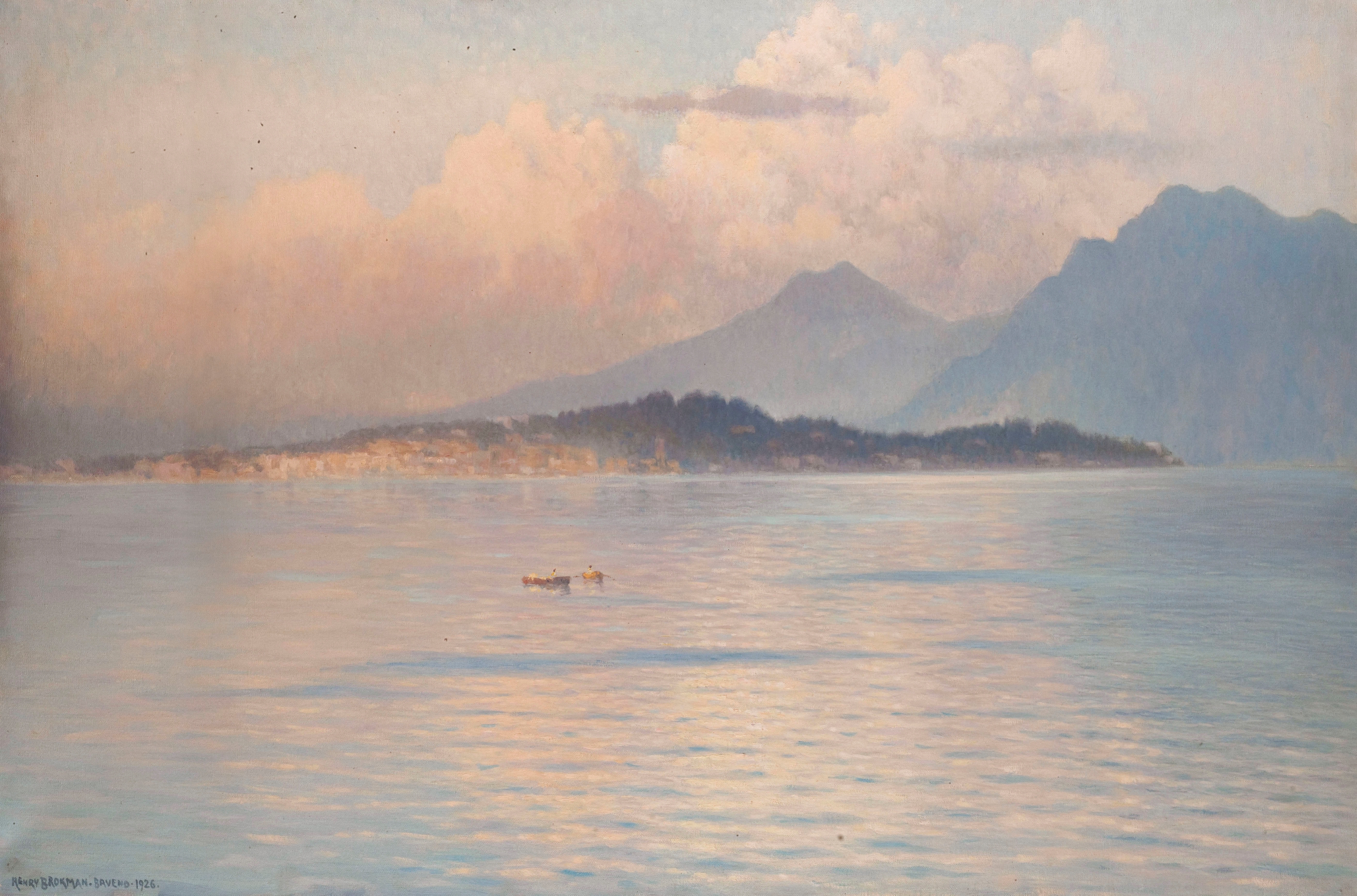
“Art reveals the soul when the world turns away.” In a fleeting moment, we find ourselves unguarded, peering into a realm that transcends the ordinary. What lies beyond the immediate landscape is an invitation to explore the depths of our existence. Look to the left at the gentle undulation of the sea, where shades of blue and silver merge in a dance of light and shadow. Notice how the brushwork fluctuates between fluid strokes and sharp lines, echoing the pulsating energy of the waves against the rocky shore. The horizon stretches wide, beckoning us to trace the path where sky meets earth, while wisps of clouds cradle the sun, casting an ethereal glow over the scene.
This balance of vibrant hues reflects a harmony that speaks to both serenity and movement. Yet within this tranquil vista lies a subtle tension. The contrast of the vibrant blues against the softer silvers creates a dichotomy of emotion—a celebration of beauty intertwined with the inevitable passage of time. The meticulous detailing of the shoreline hints at the fragility of nature, urging the viewer to appreciate life’s fleeting moments.
Each brushstroke embodies a sense of longing, as if the landscape itself yearns to share its secrets, inviting introspection about our place in the world. In 1913, at the cusp of the modernist movement, the artist painted this work while living in France, a time marked by both artistic innovation and societal change. The vibrant coastal scenes, embraced by the avant-garde, captured the essence of an era searching for new forms of expression amidst the chaos of an evolving world. It was a pivotal moment in the history of art, as creators like Brokman sought to connect with audiences on a deeper emotional level.