Lac Majeur, Pallanza — History & Analysis
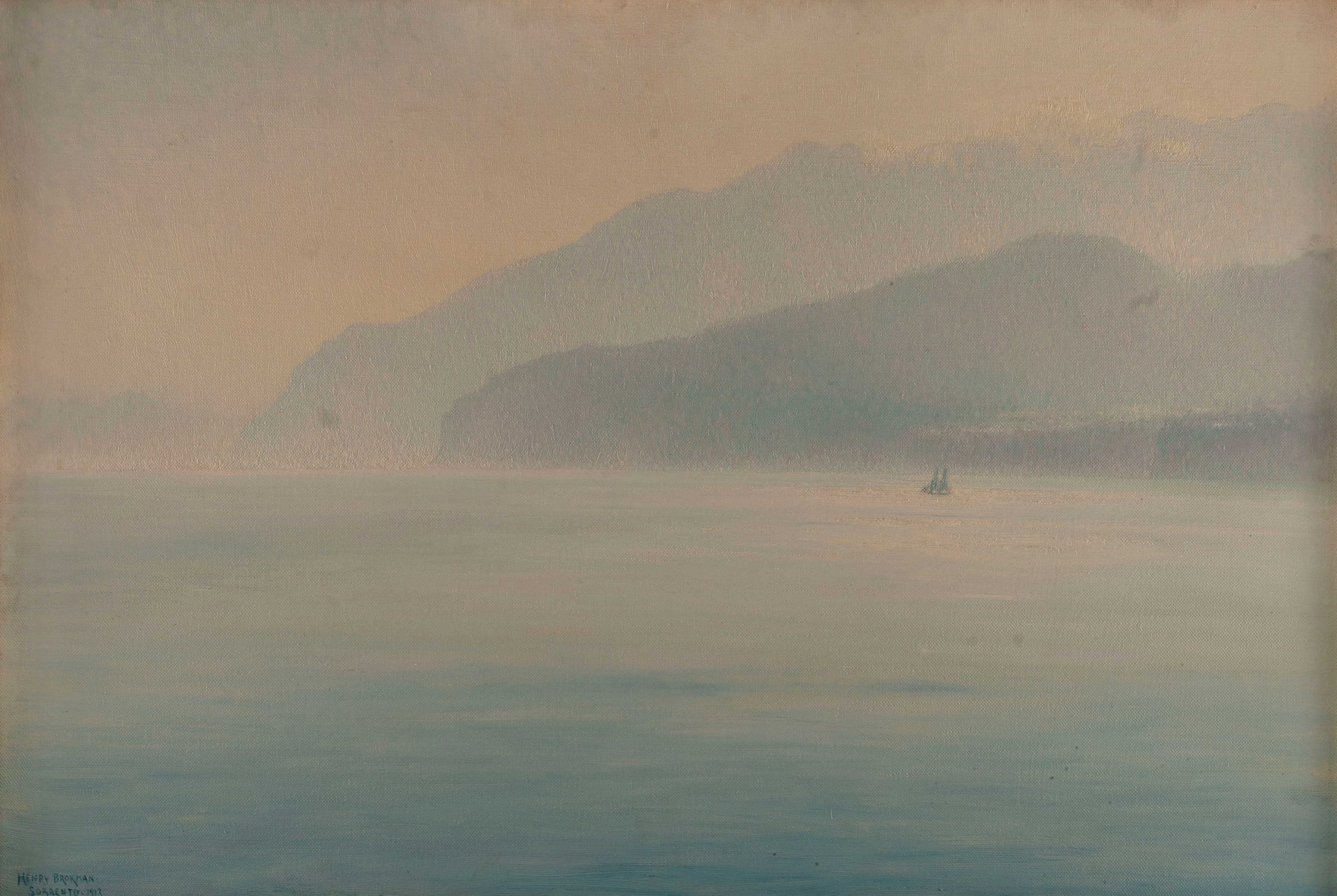
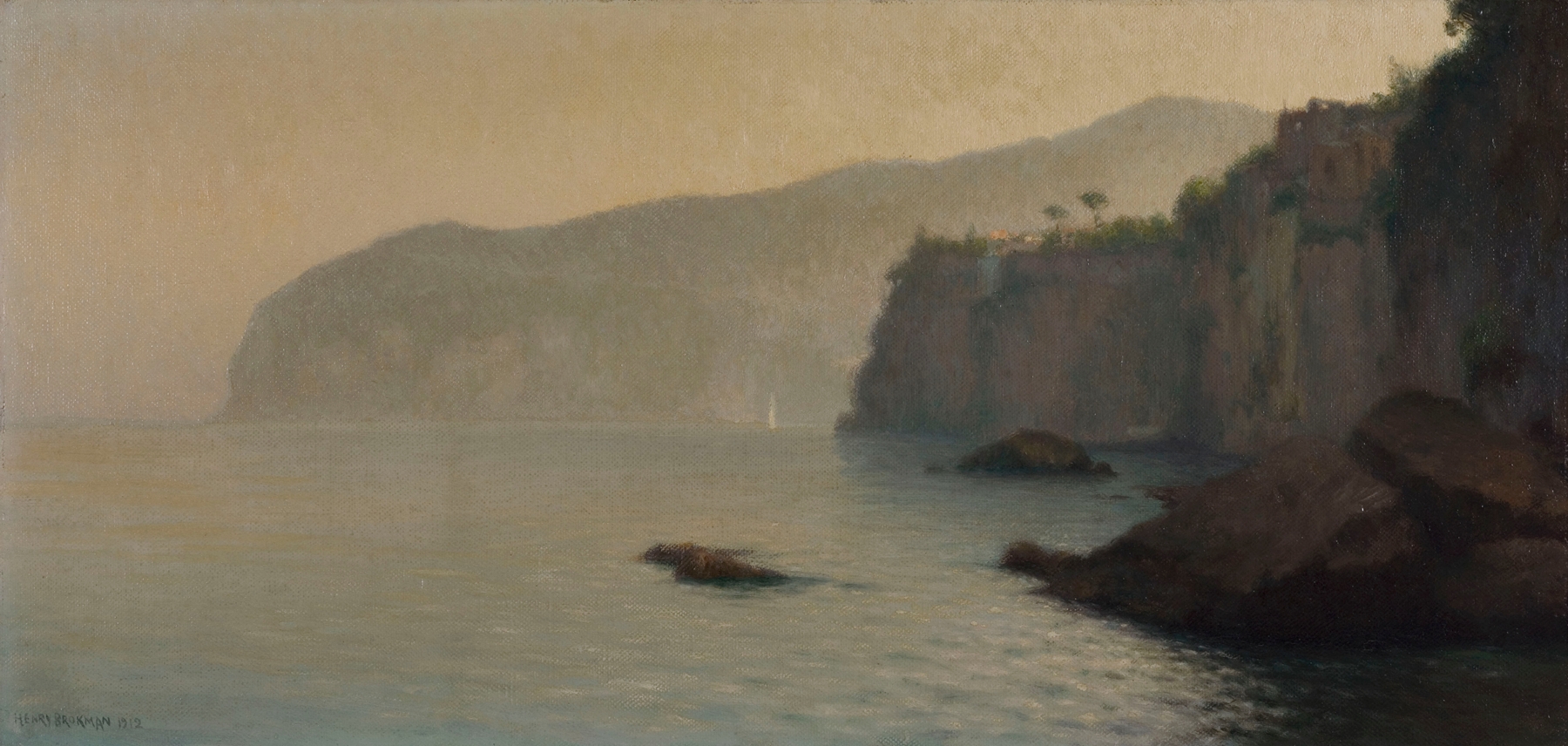
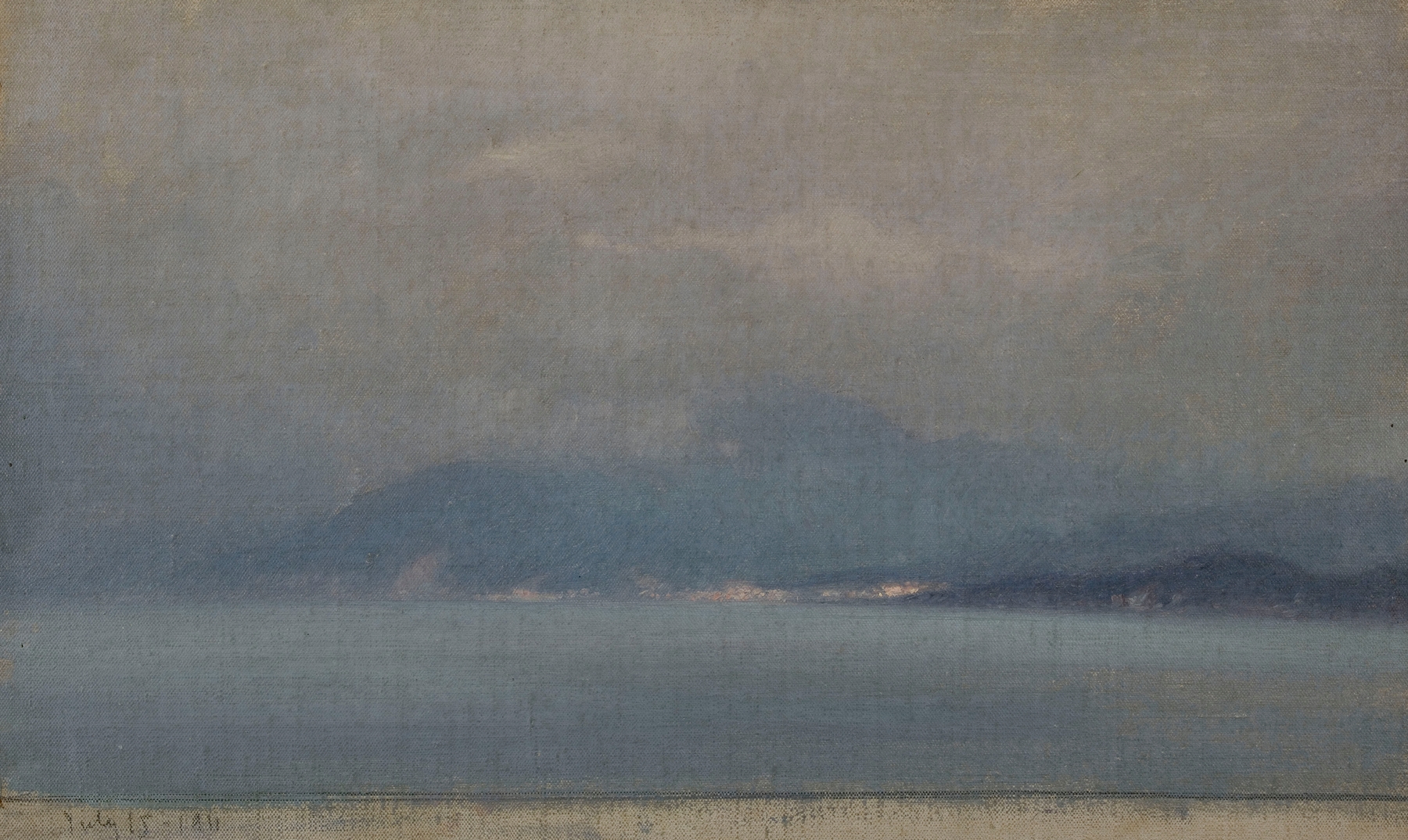
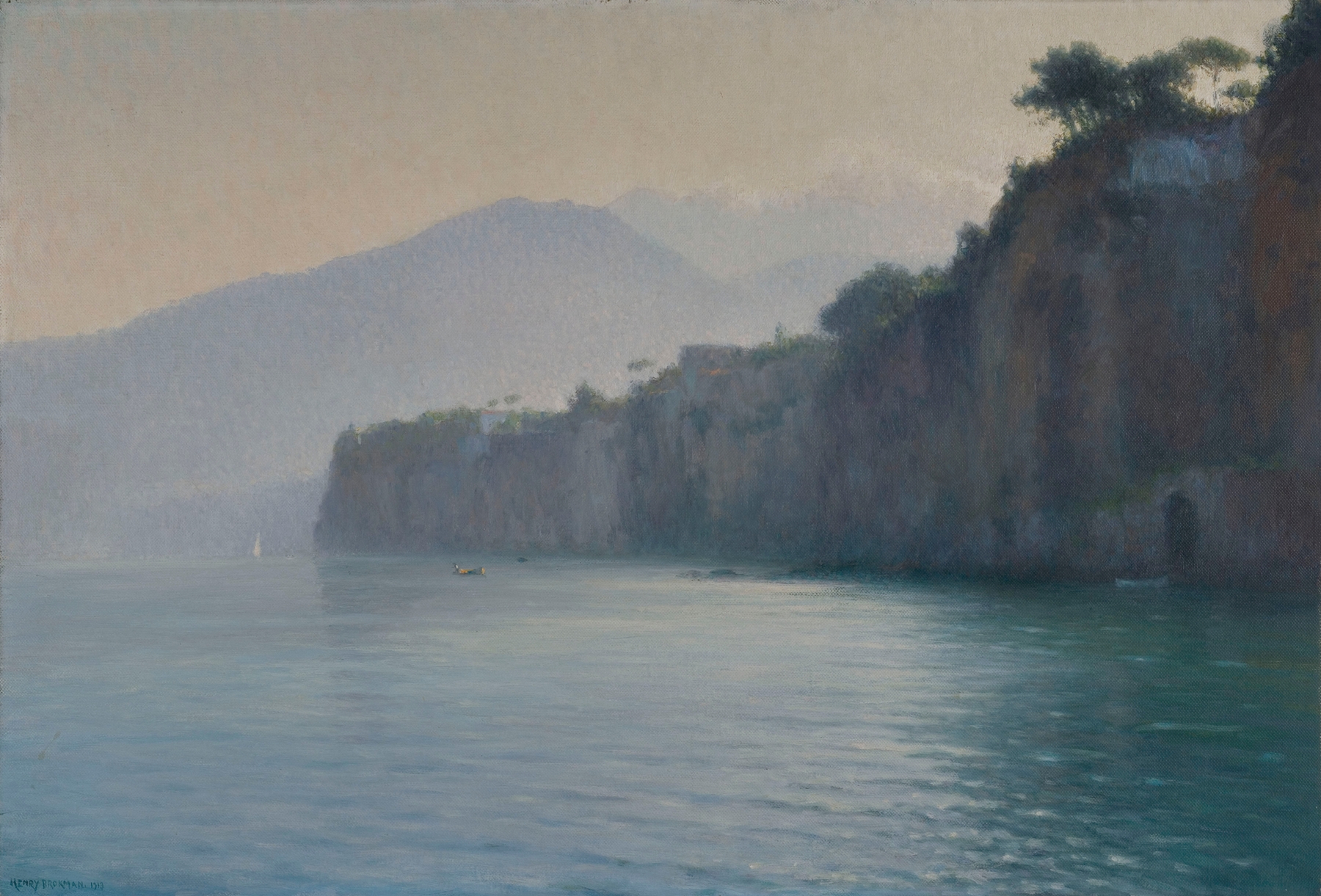
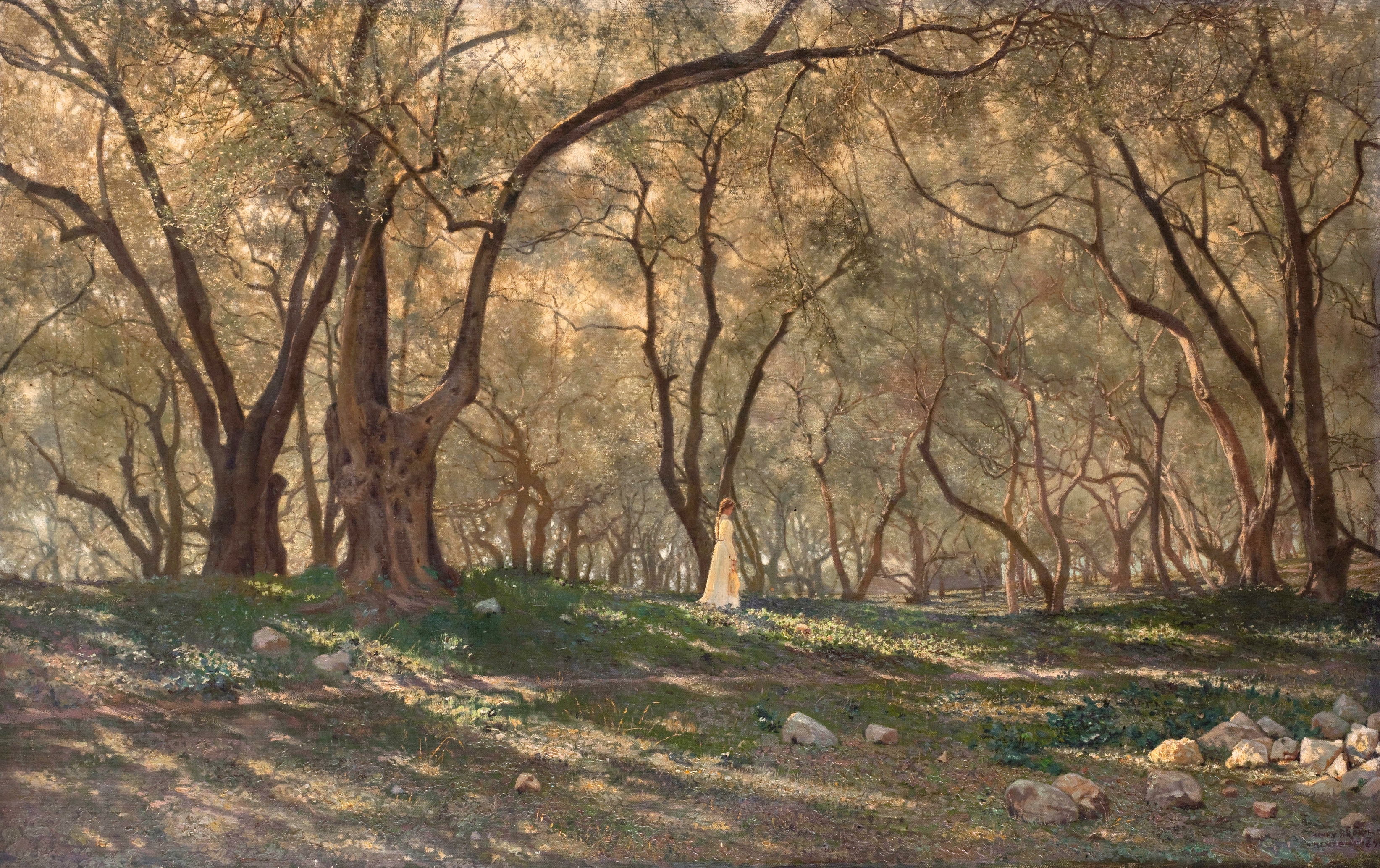
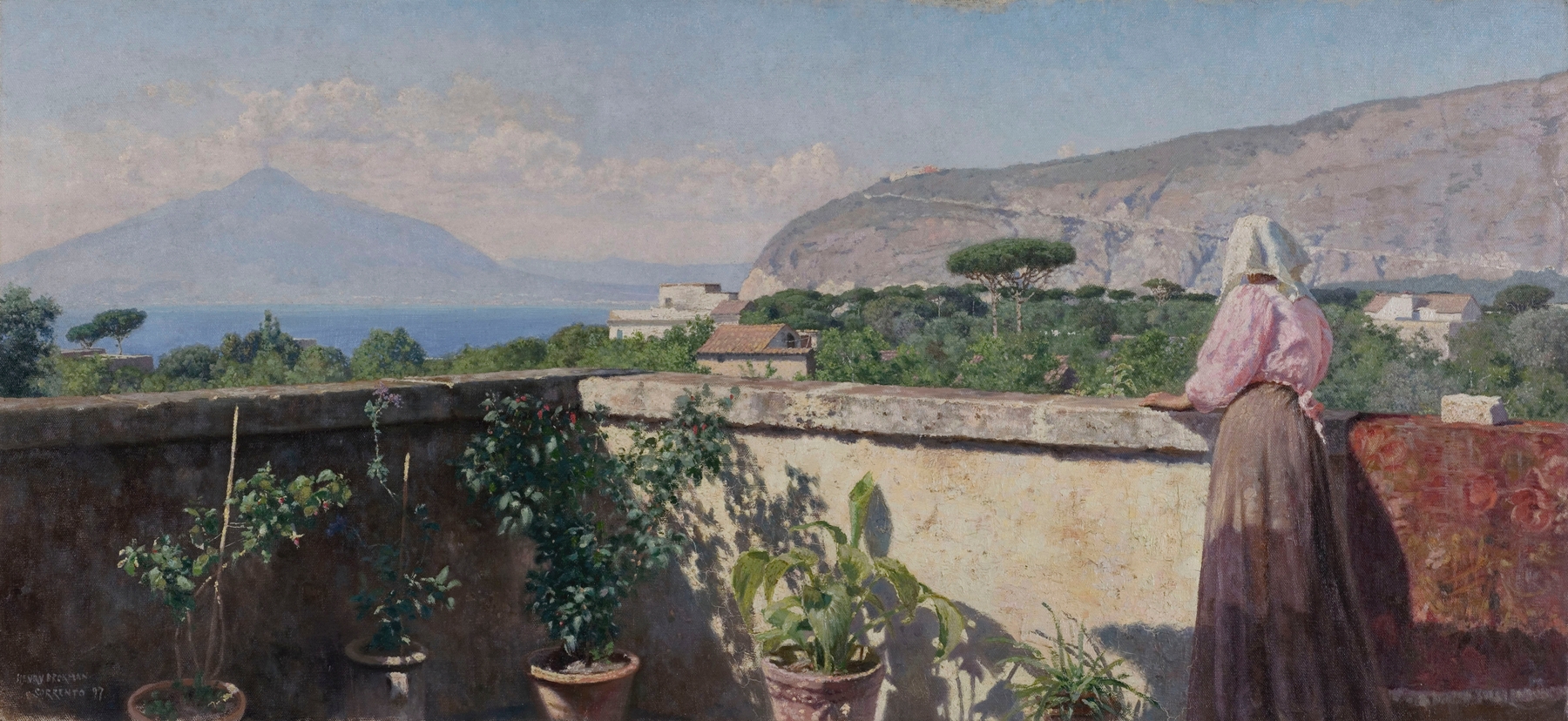
What if silence could speak through light? In Lac Majeur, Pallanza, the stillness of the lake becomes a canvas for destiny, a whisper of nature's untouched beauty captured in time. Look to the center of the composition, where the tranquil waters mirror the soft, hazy sky. The subtle gradations of blues and greens blend seamlessly, inviting the viewer to lose themselves in the serenity of the scene. Notice how the artist employs gentle brushstrokes to create a sense of movement just beneath the surface, giving life to the stillness.
The light, diffused yet all-encompassing, illuminates the surrounding landscape, drawing attention to both the foreground and the distant mountains that cradle the horizon. In this painting, contrasts abound. The stillness of the water juxtaposes the distant peaks, hinting at the grandeur of nature while simultaneously evoking a sense of intimacy. The delicate interplay of light and shadow speaks to moments of longing and introspection, inviting viewers to ponder their own journeys and the destinies shaped by such serene landscapes.
Each stroke seems to echo the silent conversations between man, nature, and fate, weaving a tapestry of emotion that resonates deeply. Henry Brokman created this work in 1926 while living in Italy, amidst a burgeoning art scene that celebrated the beauty of the natural world. During this time, many artists were drawn to the romantic allure of landscapes, as they sought to evoke emotional responses through color and composition. Brokman's focus on the elegance of Lac Majeur reflects not only his personal artistic explorations but also the wider cultural movement that embraced the interplay of light and nature in the early 20th century.