
Terrasse De L’hôtel Cocumella — History & Facts
In the stillness of an empty terrace, the weight of solitude becomes palpable. Shadows stretch across the sunlit expanse, whispering secrets of moments that once thrived in laughter and conversation. Look to the left at the elegant wrought-iron railing, its intricate designs mirroring the delicate, yet fragile, nature of human connection. The soft hues of blue and gold gently intertwine, evoking warmth even as the absence of life permeates the scene.
Notice how the sunlight catches the table, its smooth surface reflecting the untouched possibility of a shared meal, while the lone chair stands sentinel, an invitation that remains unanswered. Beneath the tranquil exterior, a deeper tension simmers. The juxtaposition of vibrant color against the starkness of emptiness speaks to the bittersweet nature of loneliness — a space once filled with joy now reduced to mere memory. The painting invites us to ponder the stories that linger, evoking a sense of longing for connections lost or never forged.
Each detail, from the gentle sway of the trees to the distant horizon, suggests a longing for companionship, leaving the viewer immersed in introspection. In 1913, Henry Brokman painted this piece during a period of introspection in his own life, marked by personal challenges and a growing interest in exploring the emotional depths of his subjects. Living in a world on the brink of change, he sought to capture the nuances of solitude against the backdrop of an elevating society, making Terrasse De L’hôtel Cocumella a reflection not only of his artistic journey but also of the human experience.
More Artworks by Henry Brokman

Côte De Sorrente, Bleu Et Argent
Henry Brokman
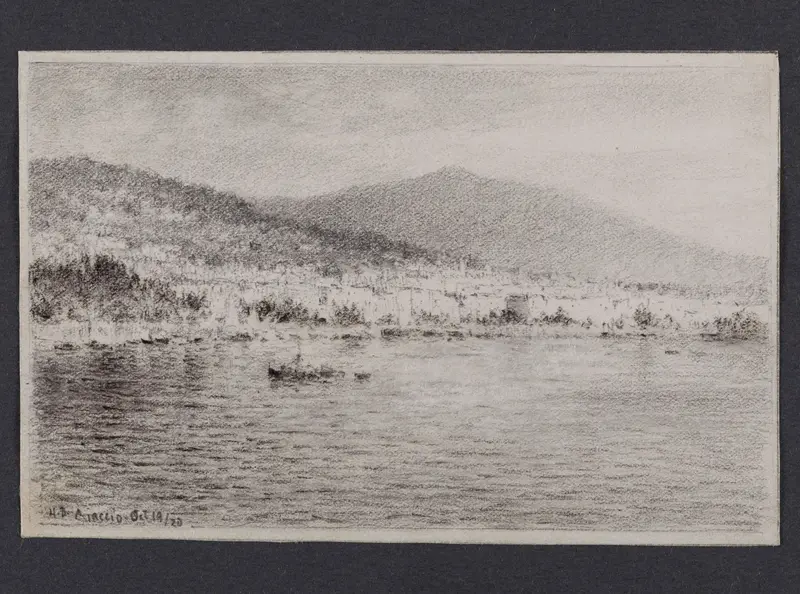
Ajaccio
Henry Brokman
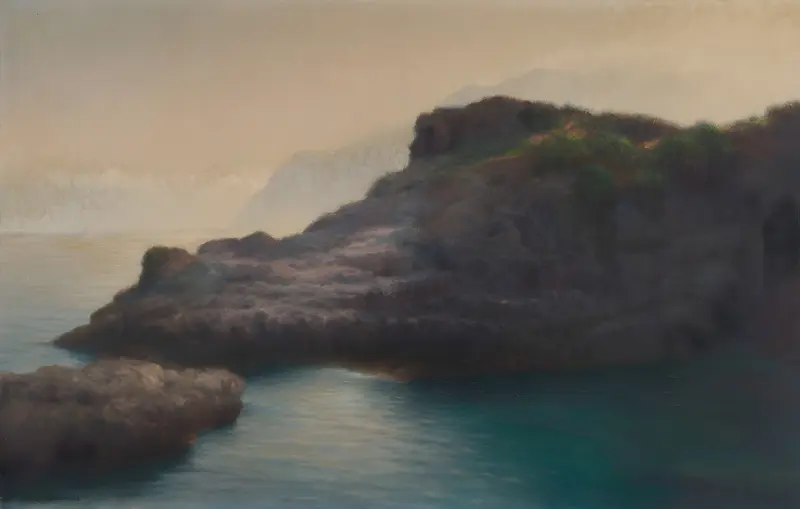
Cap de Sorrente
Henry Brokman
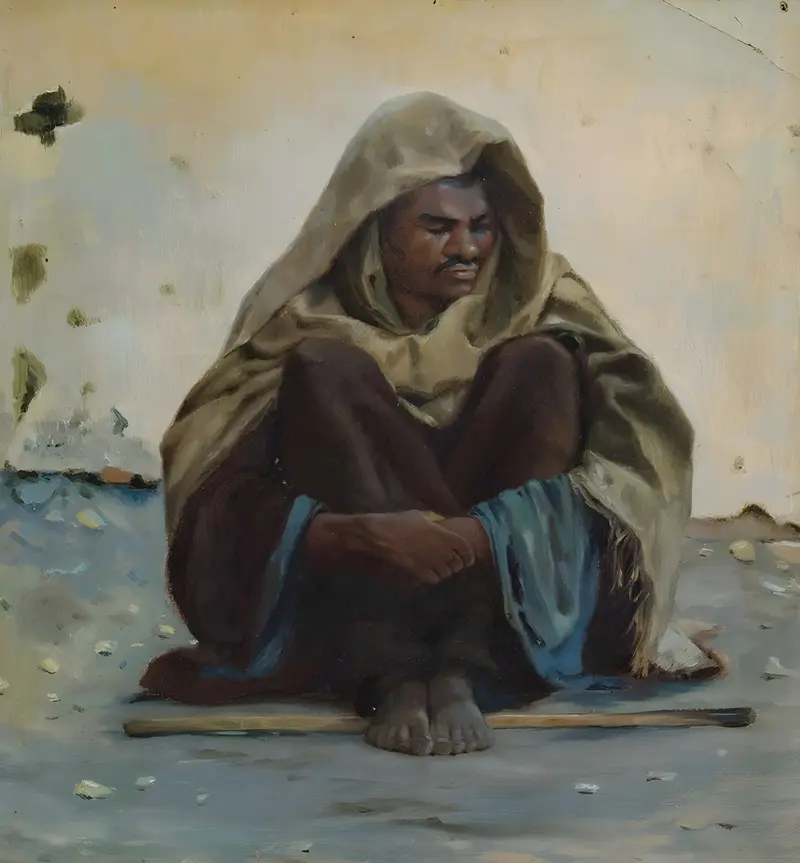
Arabe assis de face
Henry Brokman
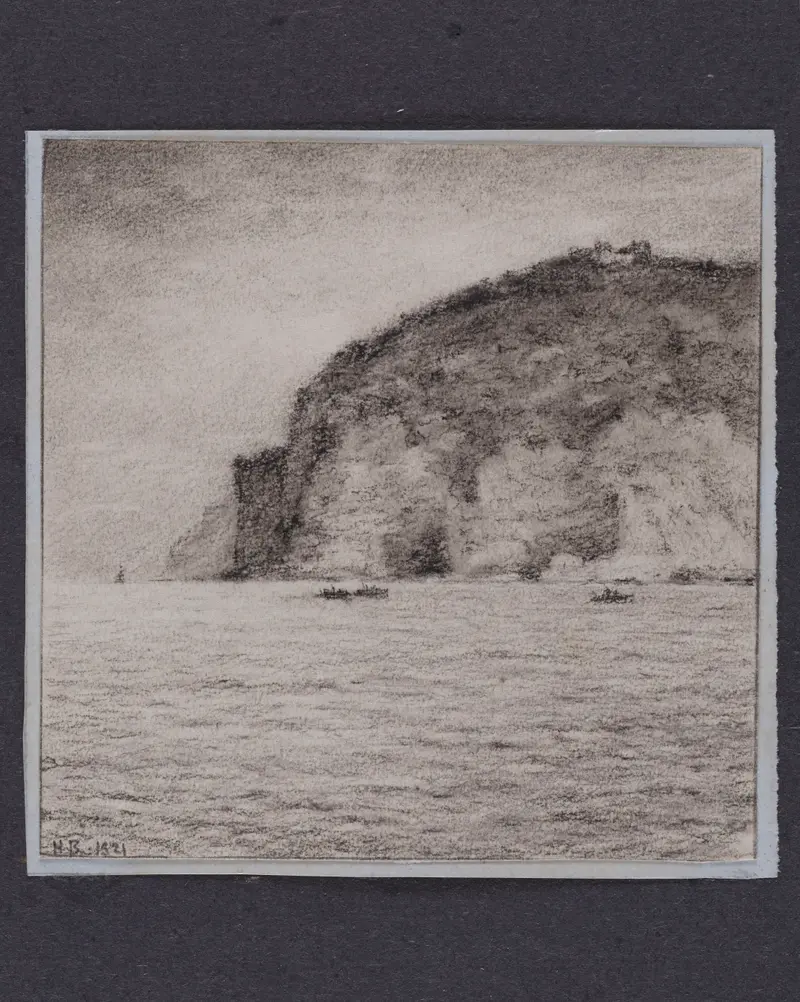
Scutolo l’après-midi
Henry Brokman
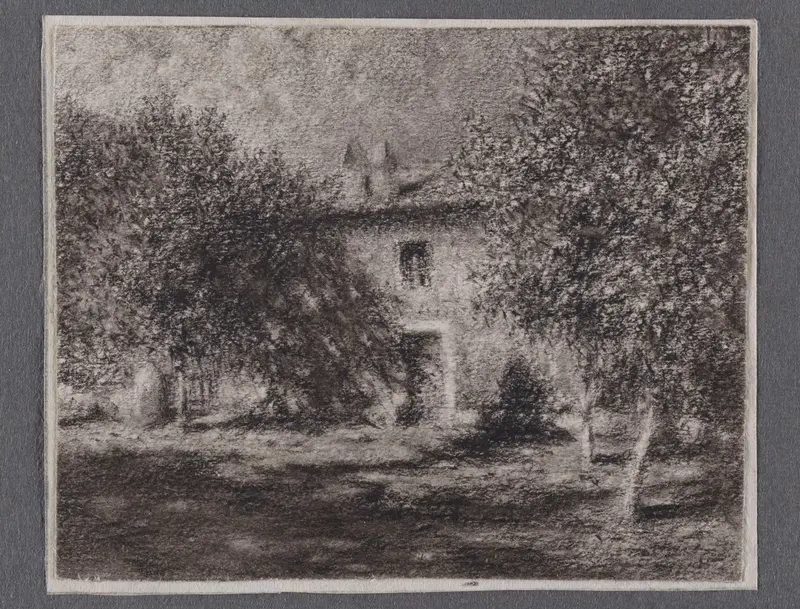
Maison à travers les arbres, dit aussi Maison à Piana (Corse)
Henry Brokman
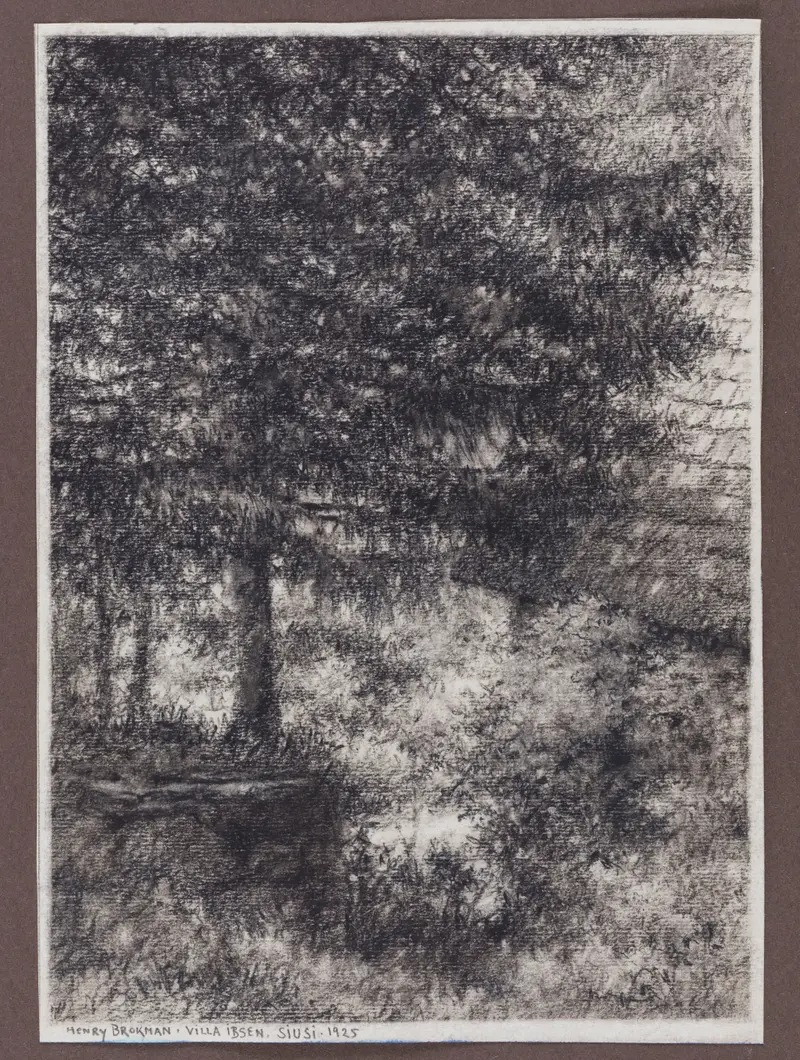
Villa Ibsen, Siusi
Henry Brokman
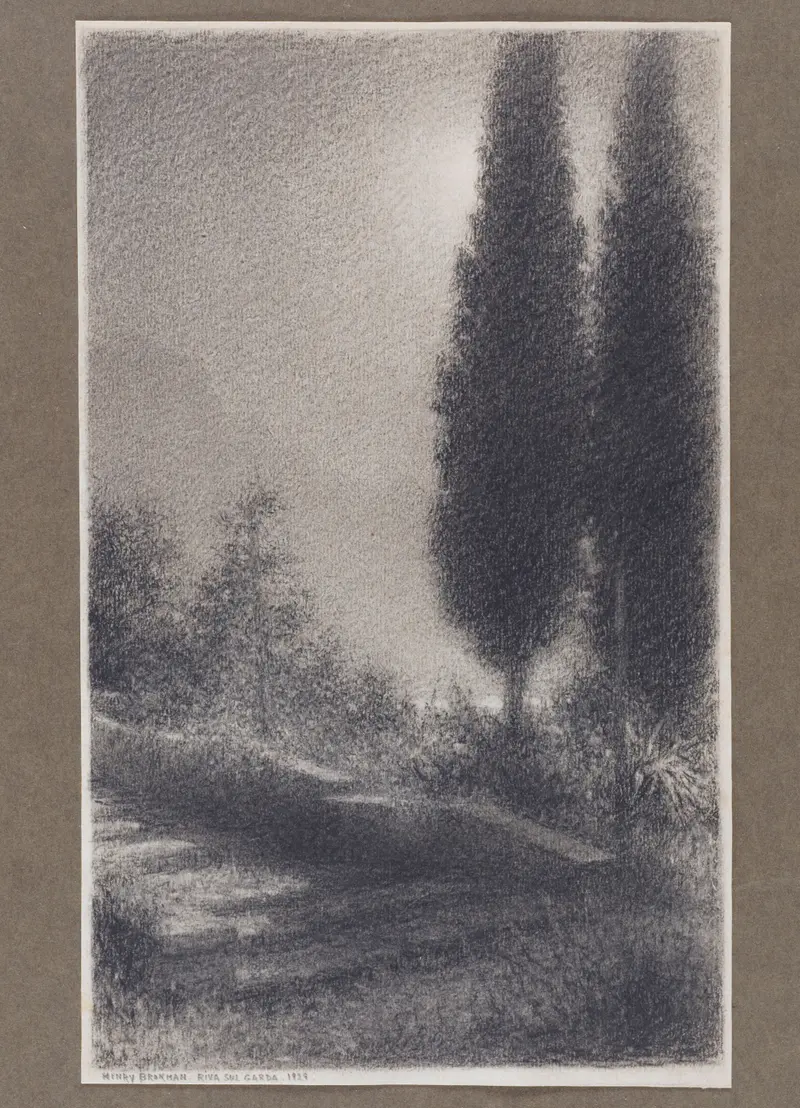
Rive du lac Garde
Henry Brokman
Cap de Sorrente
Henry Brokman
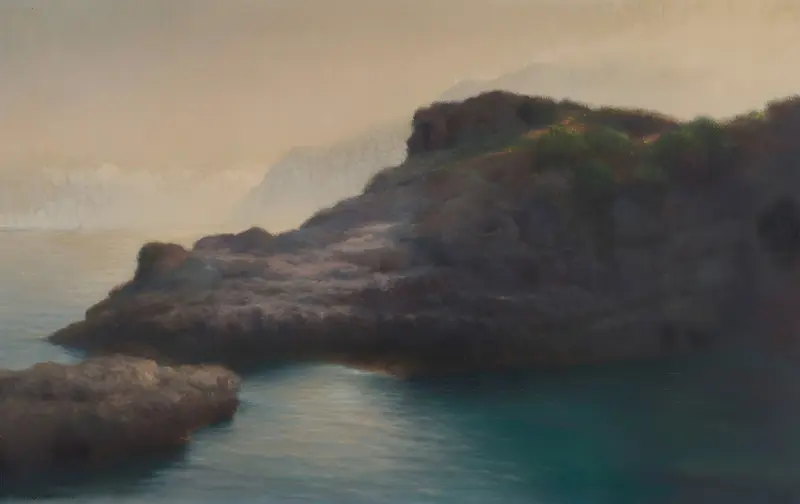
Cap De Sorrente
Henry Brokman





