Philadelphia, View from the Park — History & Analysis
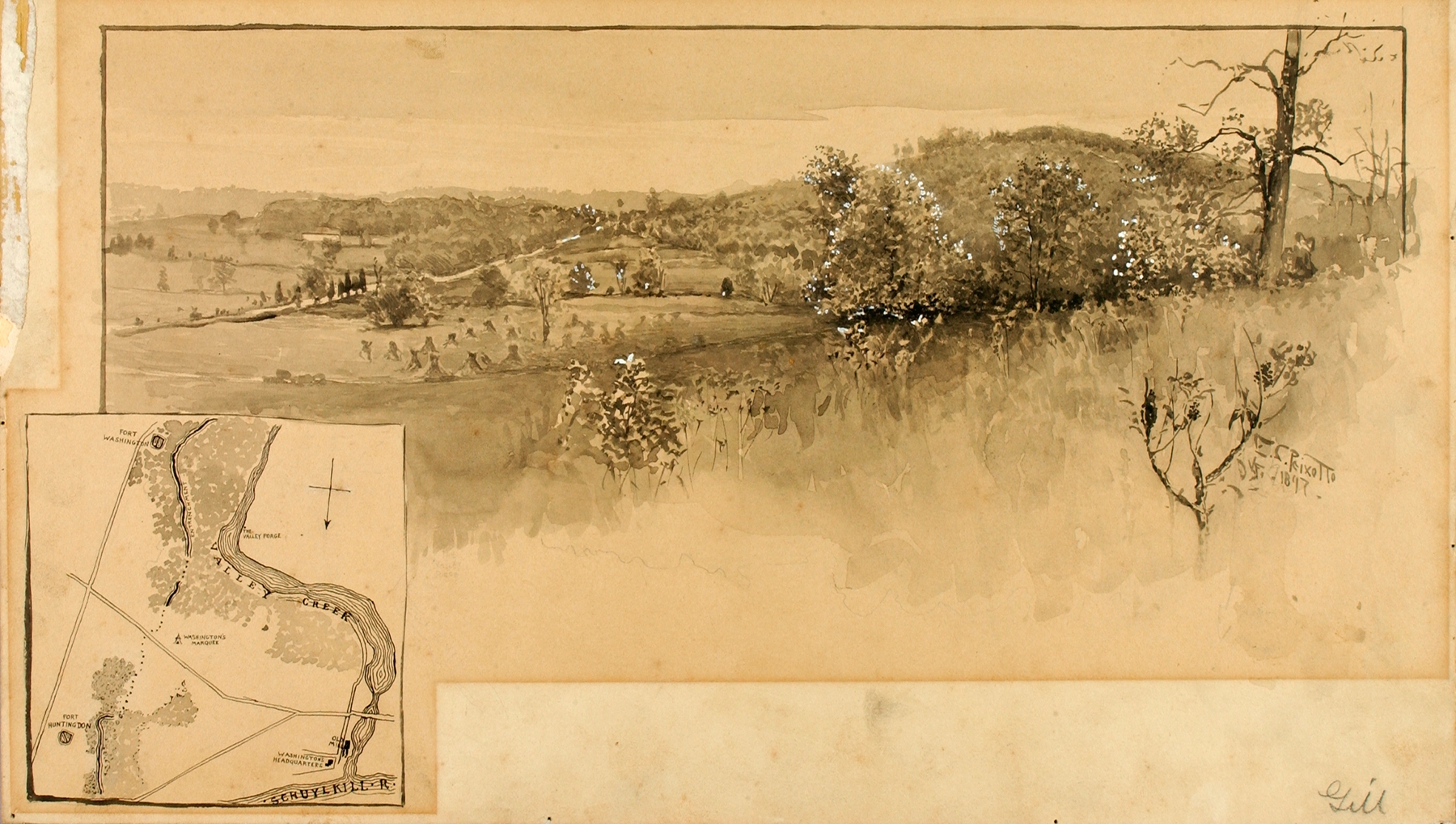
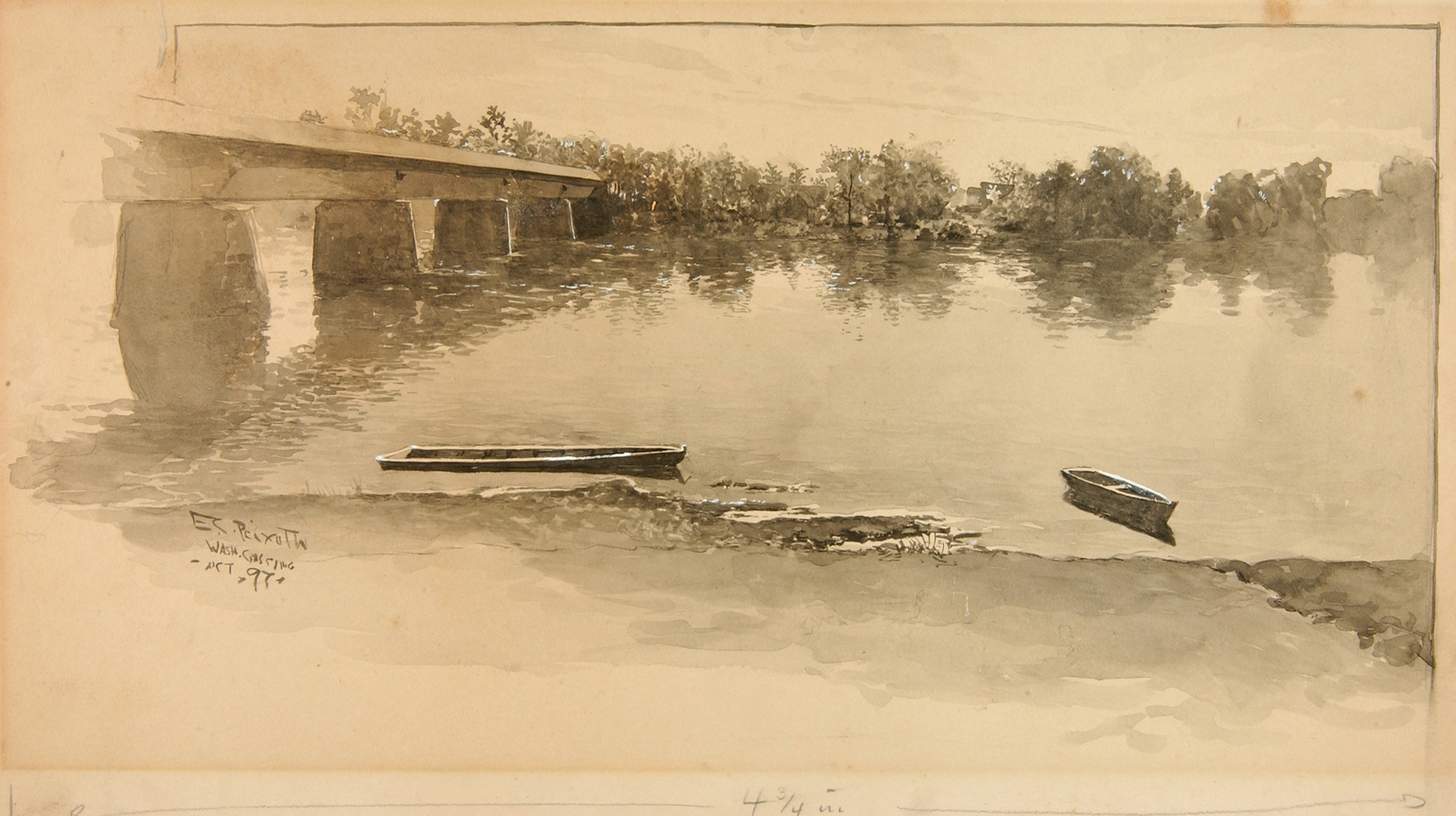
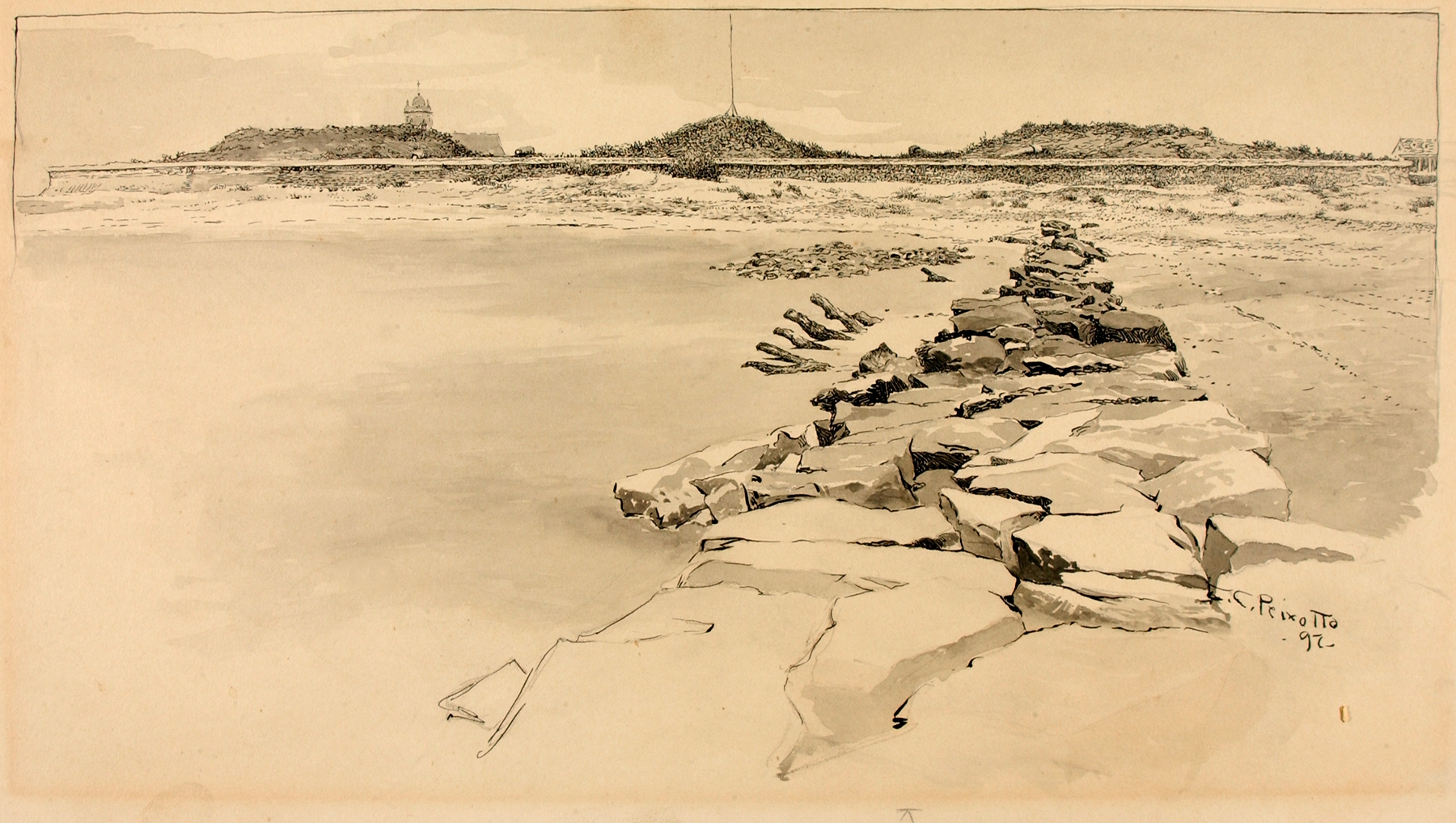
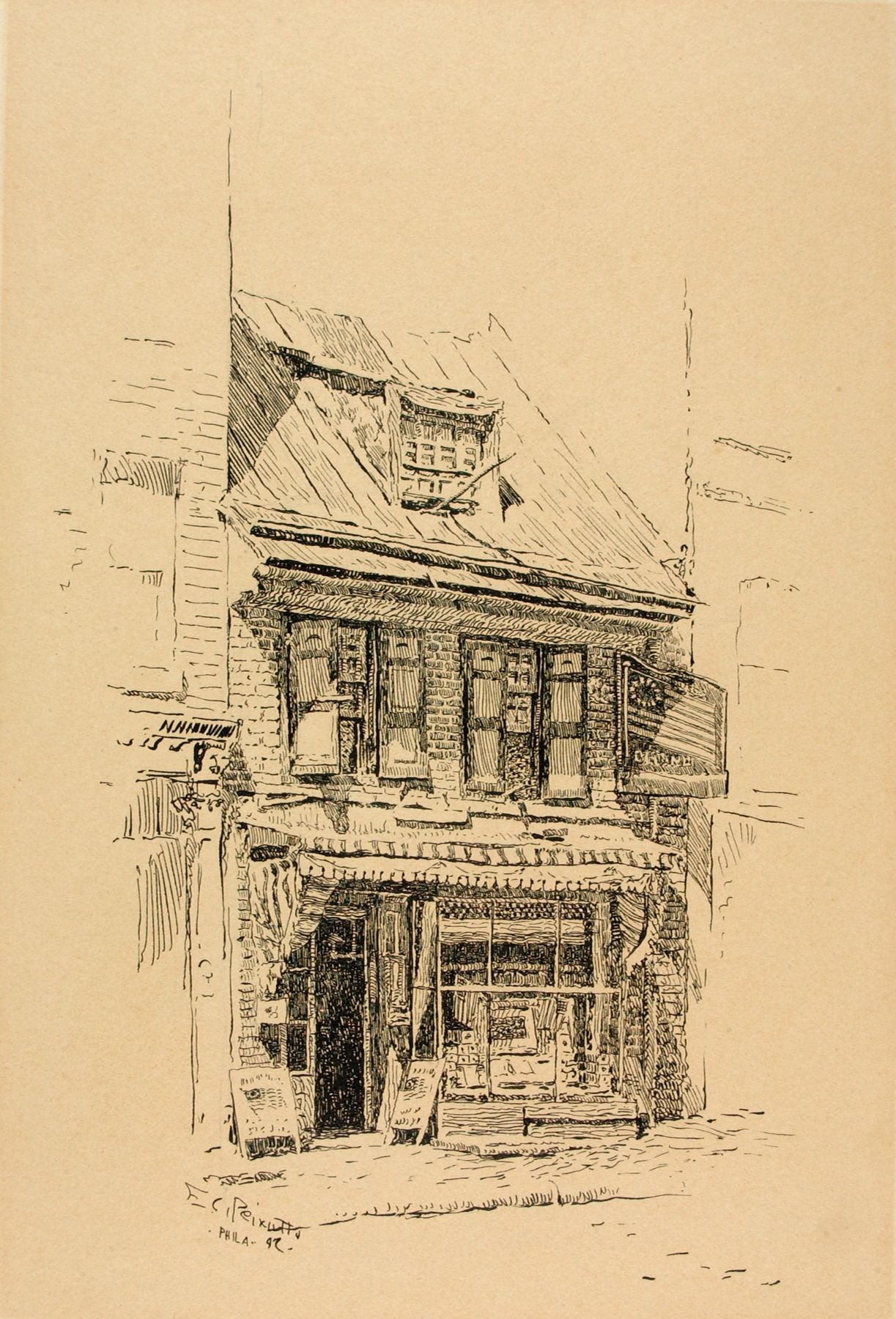
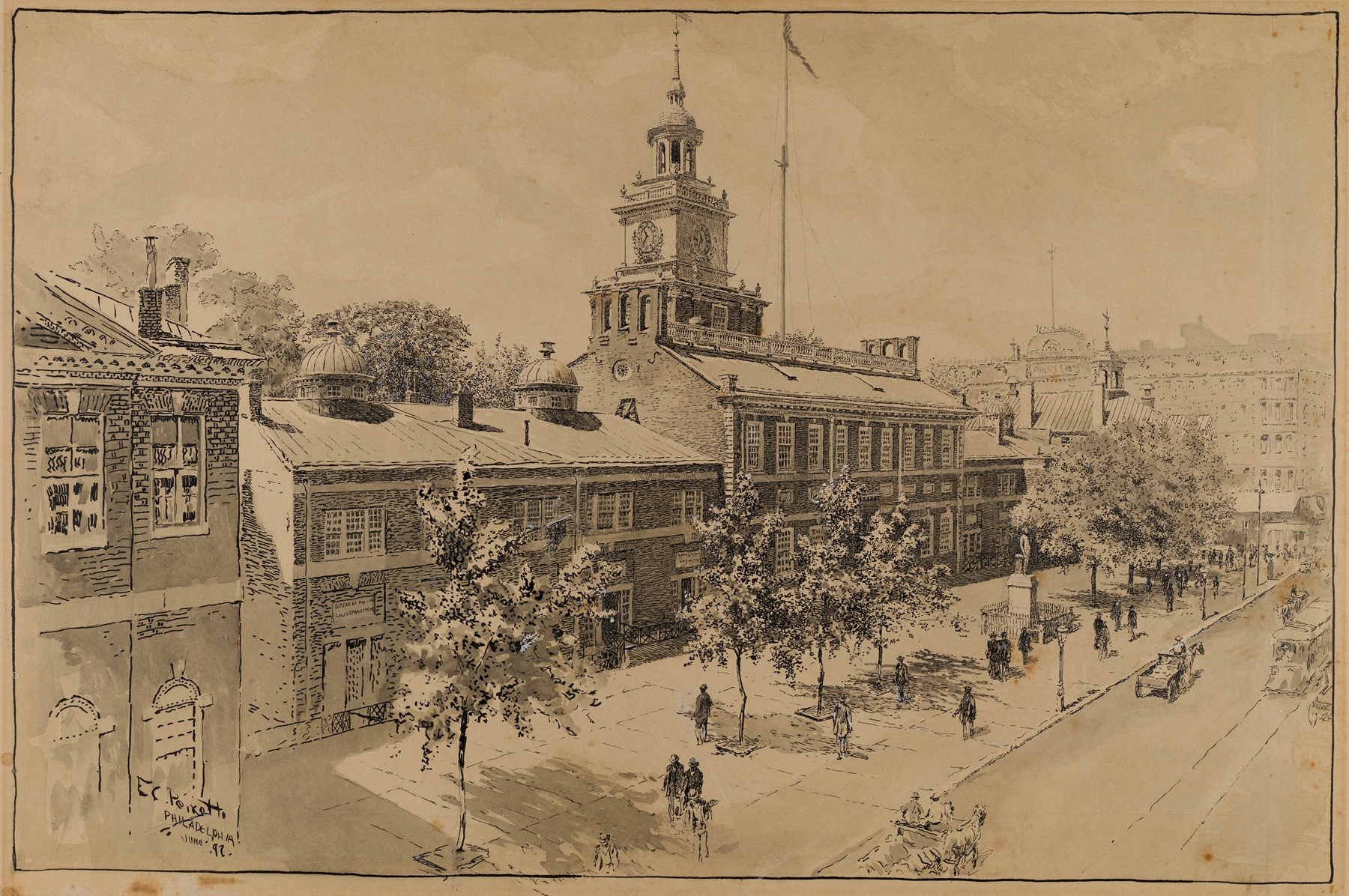
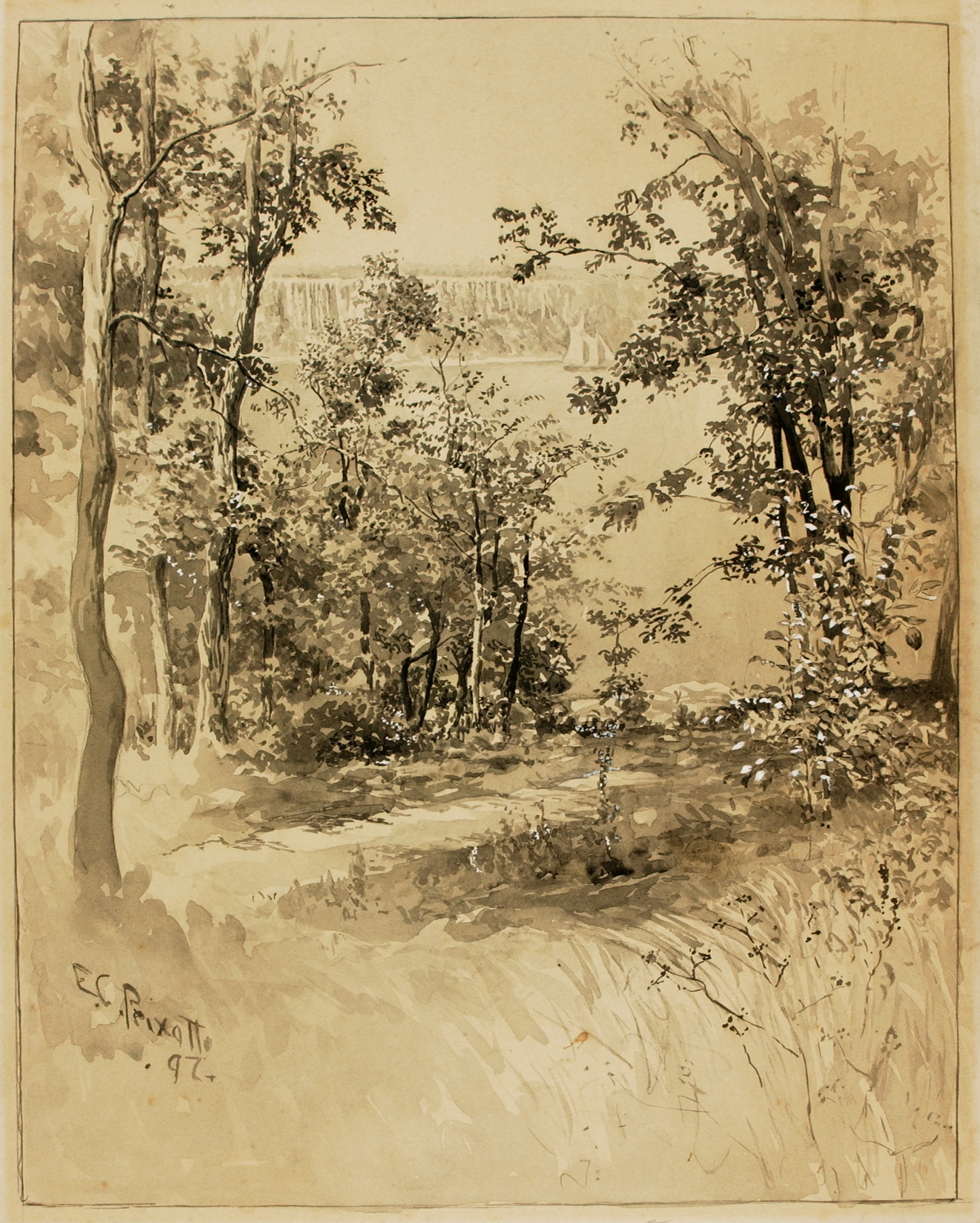
“Between color and silence, truth hides.” In the quiet embrace of a park, the vibrancy of nature juxtaposes the looming presence of a city, creating a delicate balance between beauty and urban melancholy. Here, the viewer is invited to ponder the intricate dance of life amidst the structures of human endeavor. Look to the foreground, where lush greens and dappled sunlight invite you into the scene. The painter's brush captures the flutter of leaves and the soft rustle of grass, leading your eye to the majestic skyline that rises in the background. Notice how the warm hues of the park contrast with the cooler tones of the cityscape, as if to signify the warmth of human connections thriving amidst the coldness of concrete.
Peixotto’s careful layering of colors and attention to light creates a vivid tableau that evokes a sense of longing and nostalgia. As you immerse yourself in this view, consider the emotional tensions at play. The tranquil beauty of the park beckons with its promise of peace, while the towering buildings loom like silent giants, reminding us of the relentless march of progress. This contrast speaks to the human experience — the yearning for nature’s solace in a world increasingly dominated by the manmade.
Each brushstroke whispers stories of lives lived in the tension between these two realms, urging a deeper reflection on beauty and existence. In 1897, Peixotto was working in a rapidly industrializing America, where cities were expanding at an unprecedented pace. He painted this work during a time of great change, capturing not just a view but also a moment of contemplation on the relationship between nature and urban life. His artistic journey was marked by a commitment to bridging these worlds, as he sought to communicate the harmonious yet fraught coexistence of beauty and modernity.