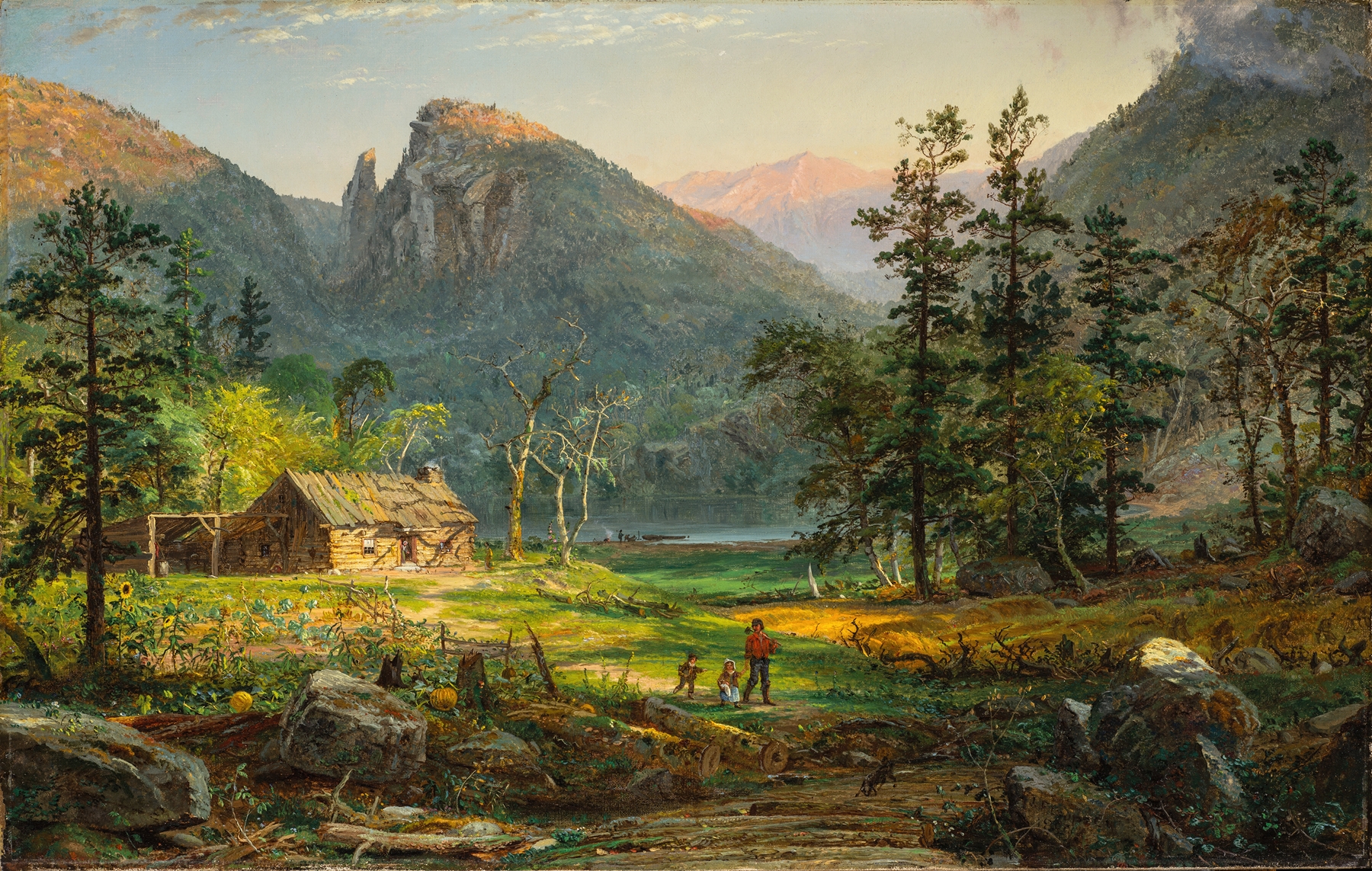
Pioneer’s Home, Eagle Cliff, White Mountains — History & Analysis
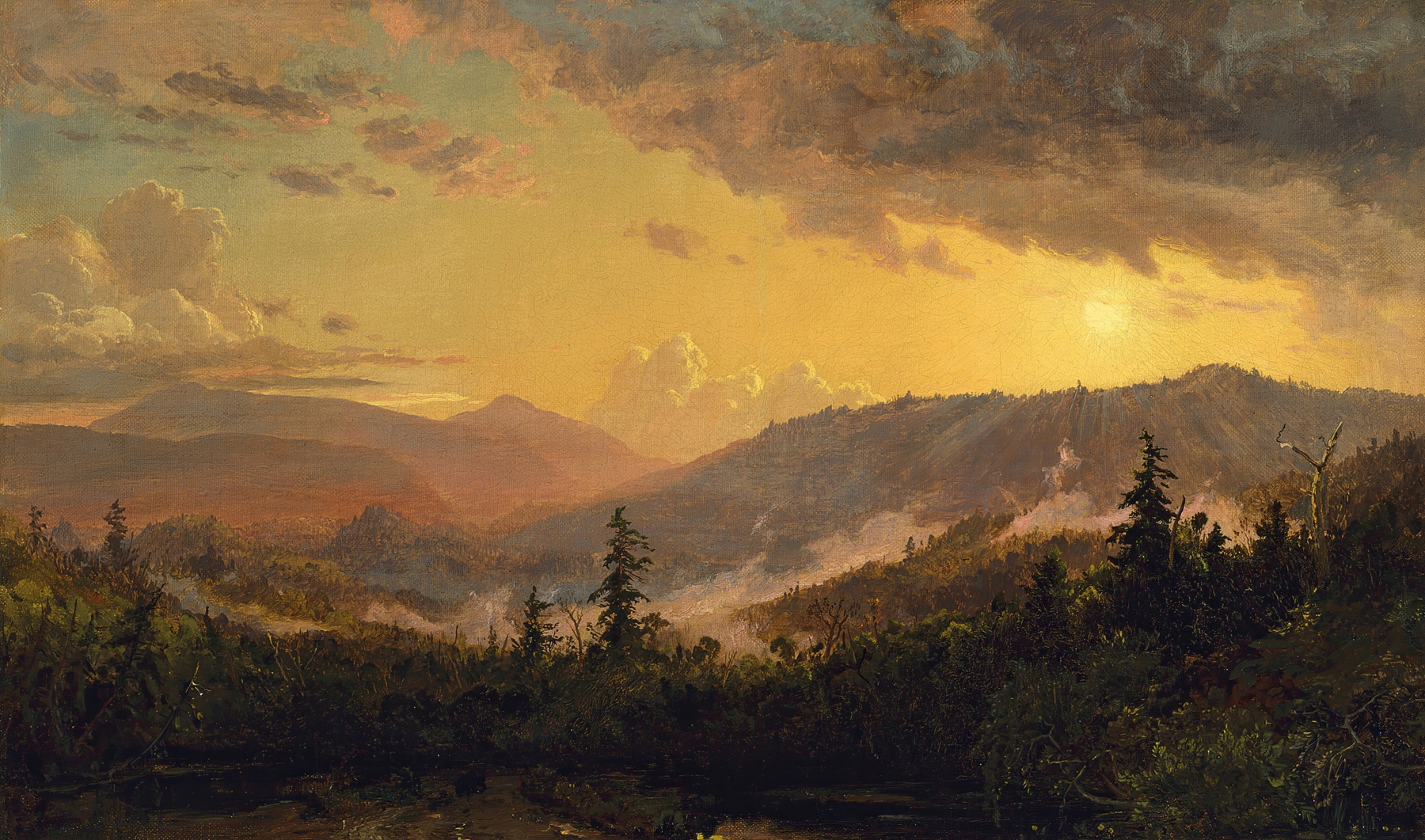
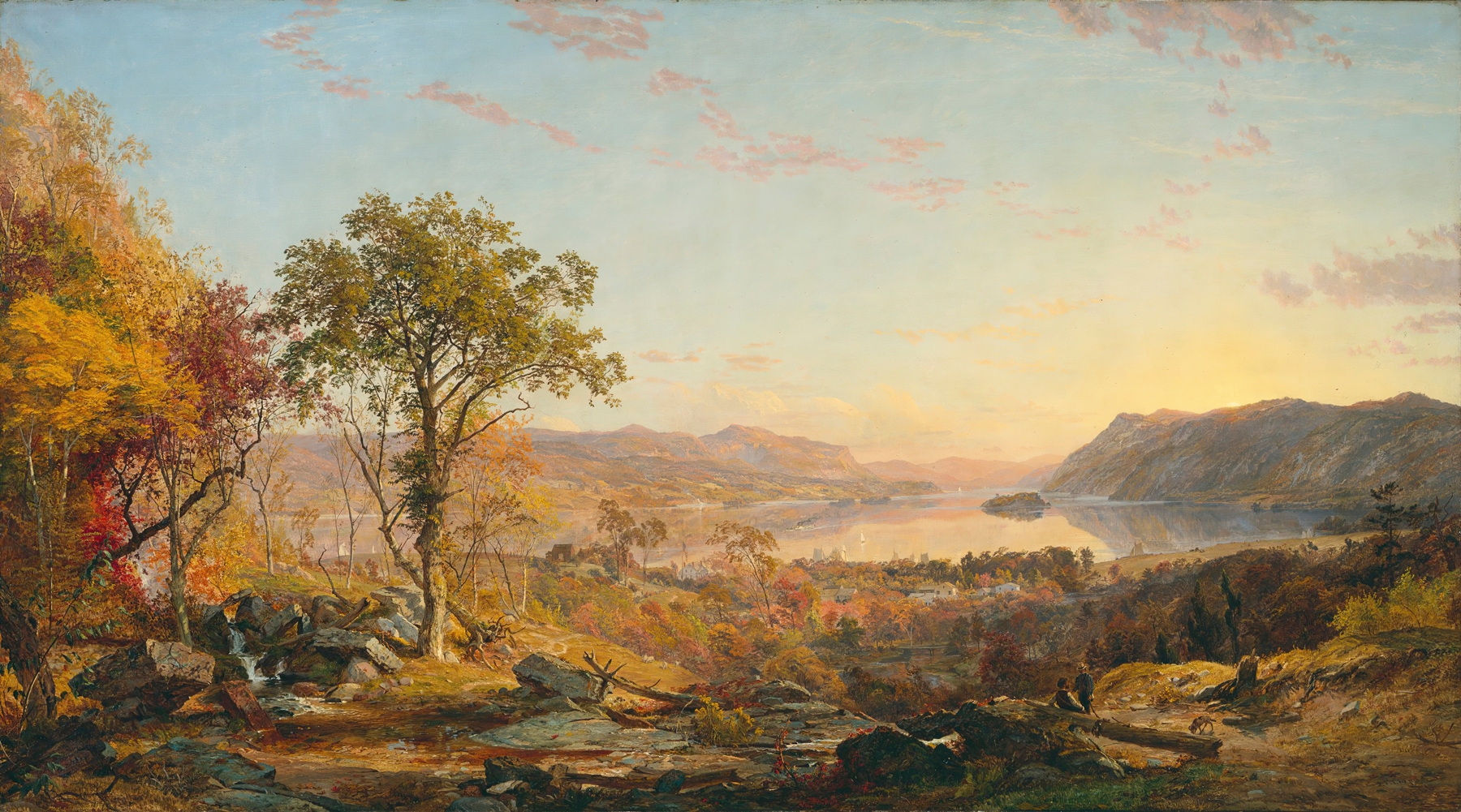
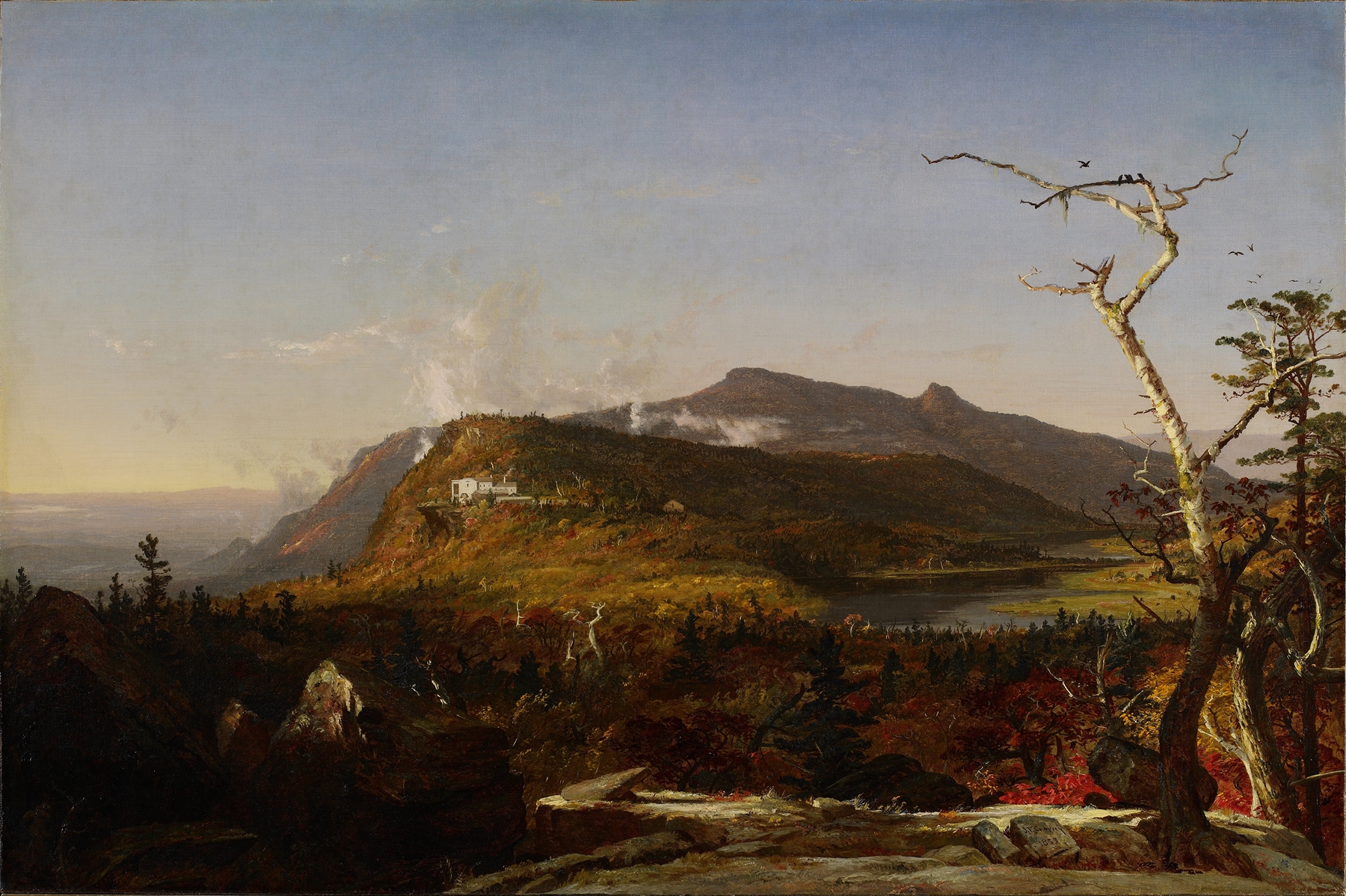
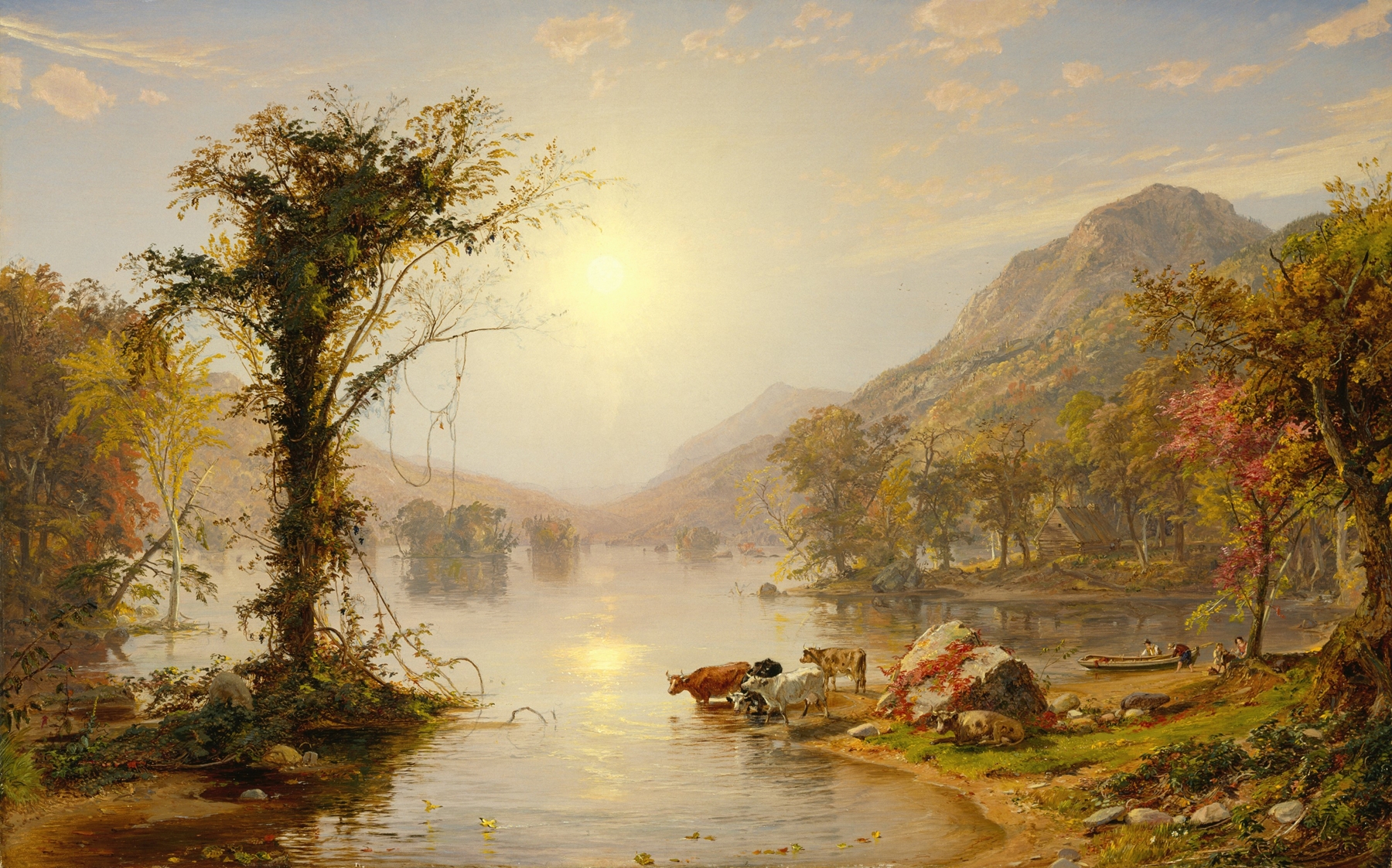
“Sometimes beauty is just pain, disguised in gold.” In the tranquil embrace of nature, transformation lies not only in the landscape but within the very essence of the human experience. Look to the left at the vibrant autumnal foliage, each leaf a stroke of fiery orange and deep crimson, as if nature herself is shedding her skin in preparation for winter. Notice how the golden sunlight cascades across the scene, illuminating the quaint pioneer home nestled against the backdrop of the majestic mountains. The gentle curves of the hills contrast with the sharp peaks, creating a dialogue between the rugged and the serene, while the winding path draws the viewer’s eye deeper into the idyllic scene.
The juxtaposition of warmth and cold invites contemplation; the home, a symbol of refuge, stands almost defiantly against the looming wilderness, hinting at the struggles of settlers carving out a life in the untamed frontier. The stillness of the water reflects not just the picturesque scenery but also the inner calm that comes from establishing roots amid uncertainty. Each detail, from the smoke curling lazily from the chimney to the distant mountains shrouded in mist, speaks to the bittersweet nature of progress—beauty interlaced with the trials of existence.
In 1859, during a time of significant change in America’s landscape, the artist captured this scene while living in New York. The Hudson River School, known for its celebration of nature's grandeur, was at its height, and Cropsey was deeply influenced by the Romantic ideals of the sublime. This painting emerged not only as a reflection of his artistic vision but also as an embodiment of the American spirit forging ahead into the wild, a testimony to both the beauty and the challenges of transformation.