Plage À Marée Basse — History & Analysis
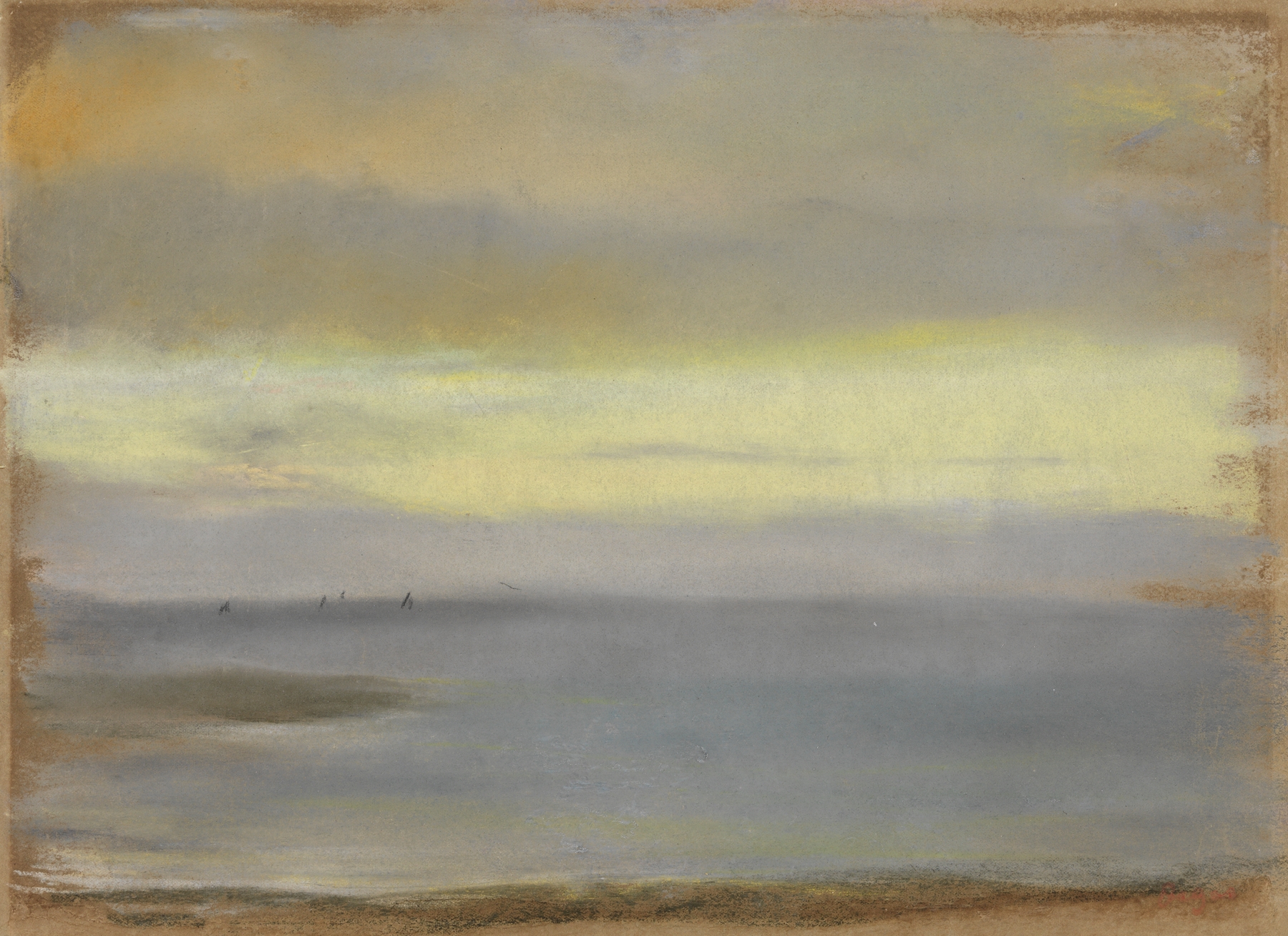
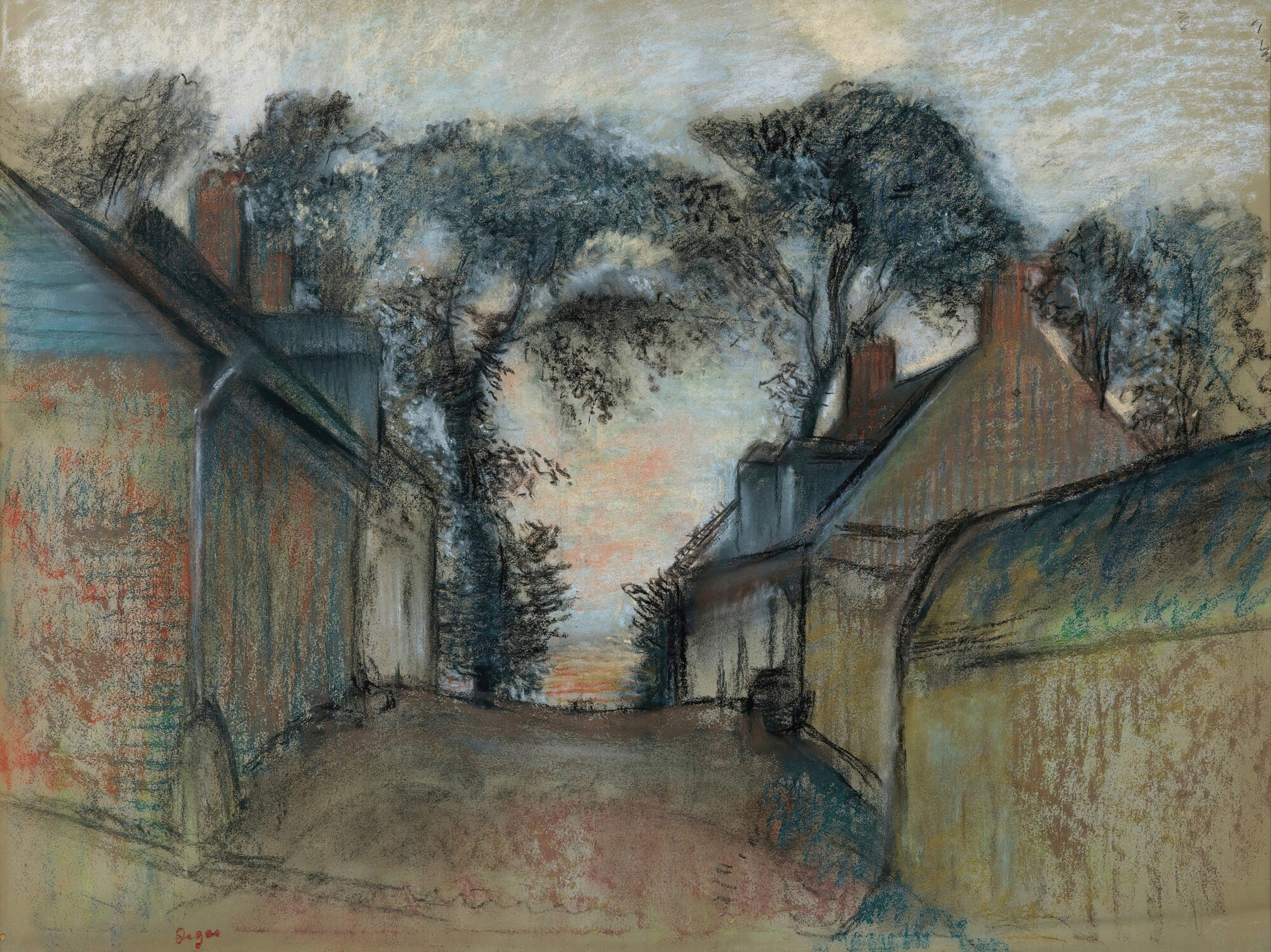
“Under the brush, chaos becomes grace.” In Plage À Marée Basse, color is not merely a tool; it is a language that speaks of the ephemeral nature of light and life. Look to the lower left at the saturated azure of the sea, where vibrant strokes of blue meet the soft golden hues of the sandy shore. The juxtaposition of colors creates a rhythmic dance, guiding the eye across the composition. Notice how the artist captures the sparkling reflections on the water’s surface, each dab of paint a lively echo of the sun’s rays.
The figures lounging on the beach, rendered with a more muted palette, stand in contrast to the surrounding vibrancy, their forms hinting at intimacy amid the expansive panorama. The emotional tension in this piece lies in the balance between serenity and motion—the quietude of the beachgoers against the lively backdrop of nature. The dynamic brushwork evokes the windswept atmosphere, while the figures' relaxed postures suggest a moment of stillness within that chaos. Here, Degas juxtaposes the transient with the permanent, reflecting on fleeting instants of joy that can be both rooted in place and driven by the passage of time.
In 1869, while working on this piece in a coastal setting near Paris, the artist found himself amidst a burgeoning interest in Impressionism. It was a period marked by experimentation and a departure from classical traditions, influenced by the changing dynamics of society and the art world. This painting encapsulates that transformative spirit, showcasing Degas’ evolving vision and the vibrant life that surrounded him.