Ploshchad’ v Moskve — History & Analysis
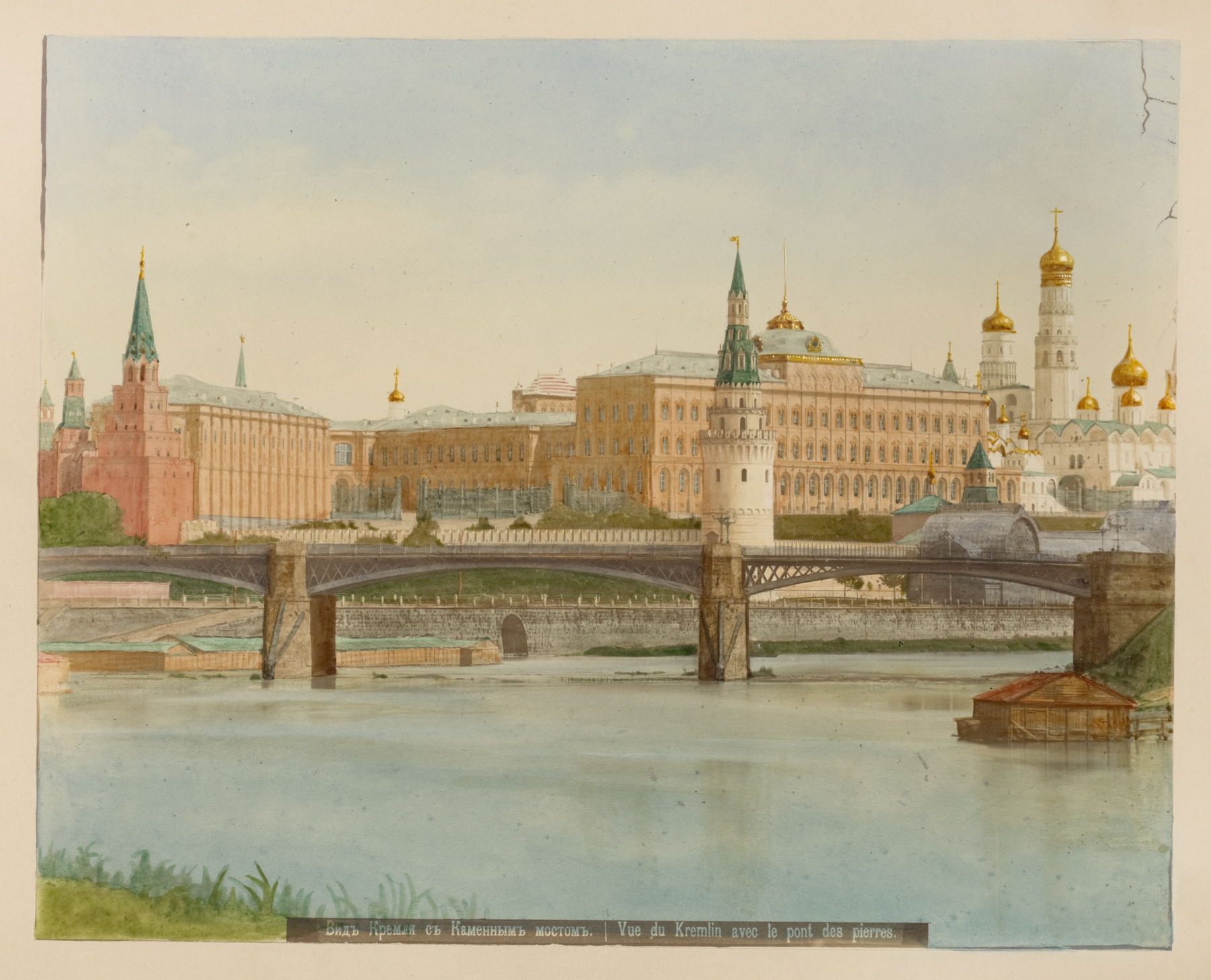
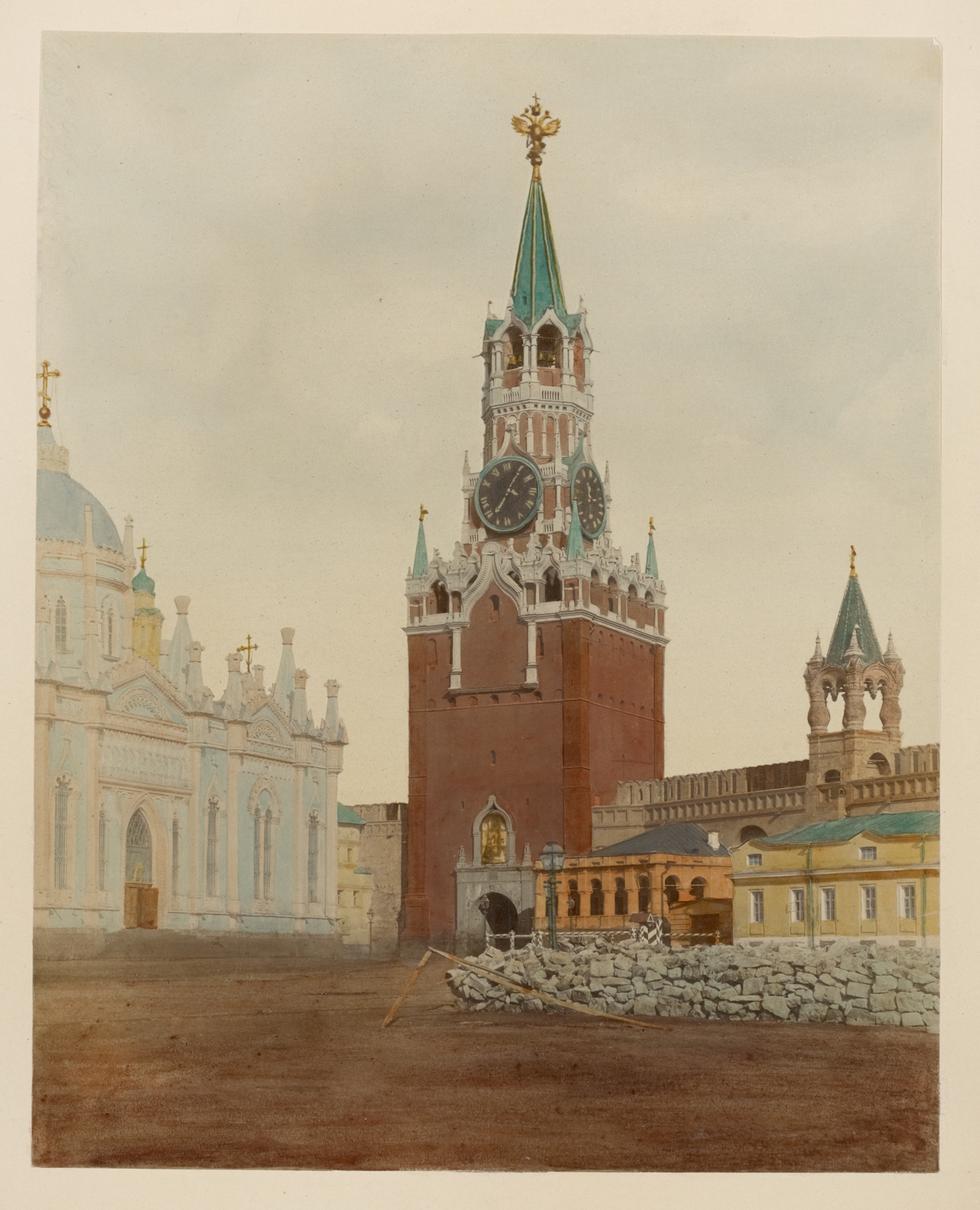
Where does light end, and longing begin? In the tender embrace of twilight, the boundaries blur, echoing the emotional depths captured in this remarkable piece. Look to the center, where the fading light bathes the square in a golden hue. The figures, mere silhouettes against the vibrant sky, seem to hover between the real and the ethereal, their movements suggesting stories untold. Notice how the reflections in the puddles on the cobblestones mirroring the colors above create a dynamic interplay that unifies the scene, inviting you to step closer, to lose yourself in the moment.
Beneath the surface, there is a tension between solitude and connection. Each figure stands apart, yet the shared space of the square binds them in a silent communion. The twilight casts long shadows, hinting at the weight of unfulfilled desires and the quiet ache of separation. The meticulous detail in the architecture frames the scene, suggesting permanence amidst the transience of human experience.
In 1880, J. Daziaro painted this work during a period of social and political change in Russia. As the country grappled with modernization, the artist sought to encapsulate the essence of urban life and its emotional landscape. His focus on light and shadow not only reflects the natural world but also symbolizes the inner lives of the individuals navigating the complexities of their era.