Ploughed Field Bordered by Trees — History & Analysis
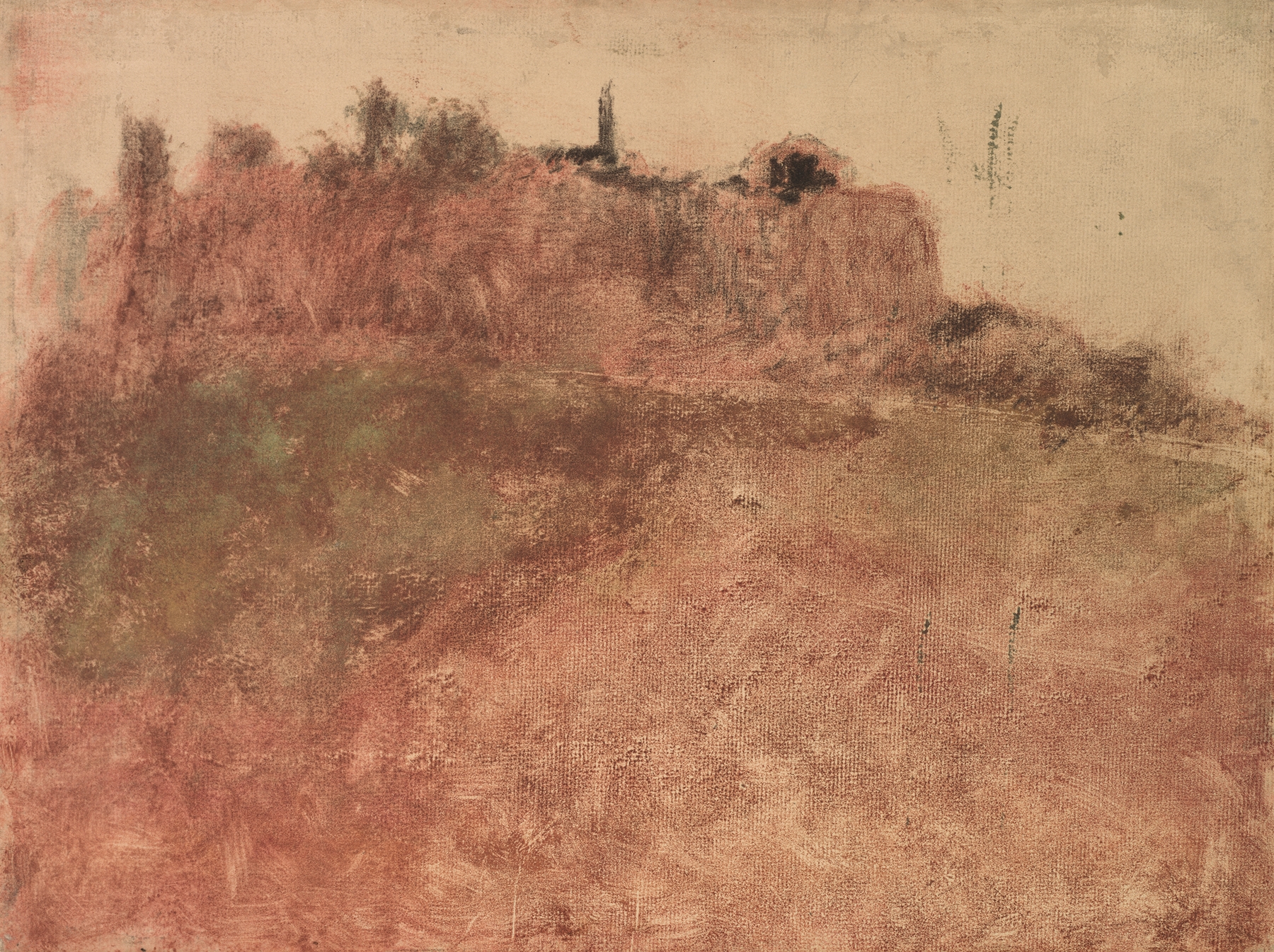
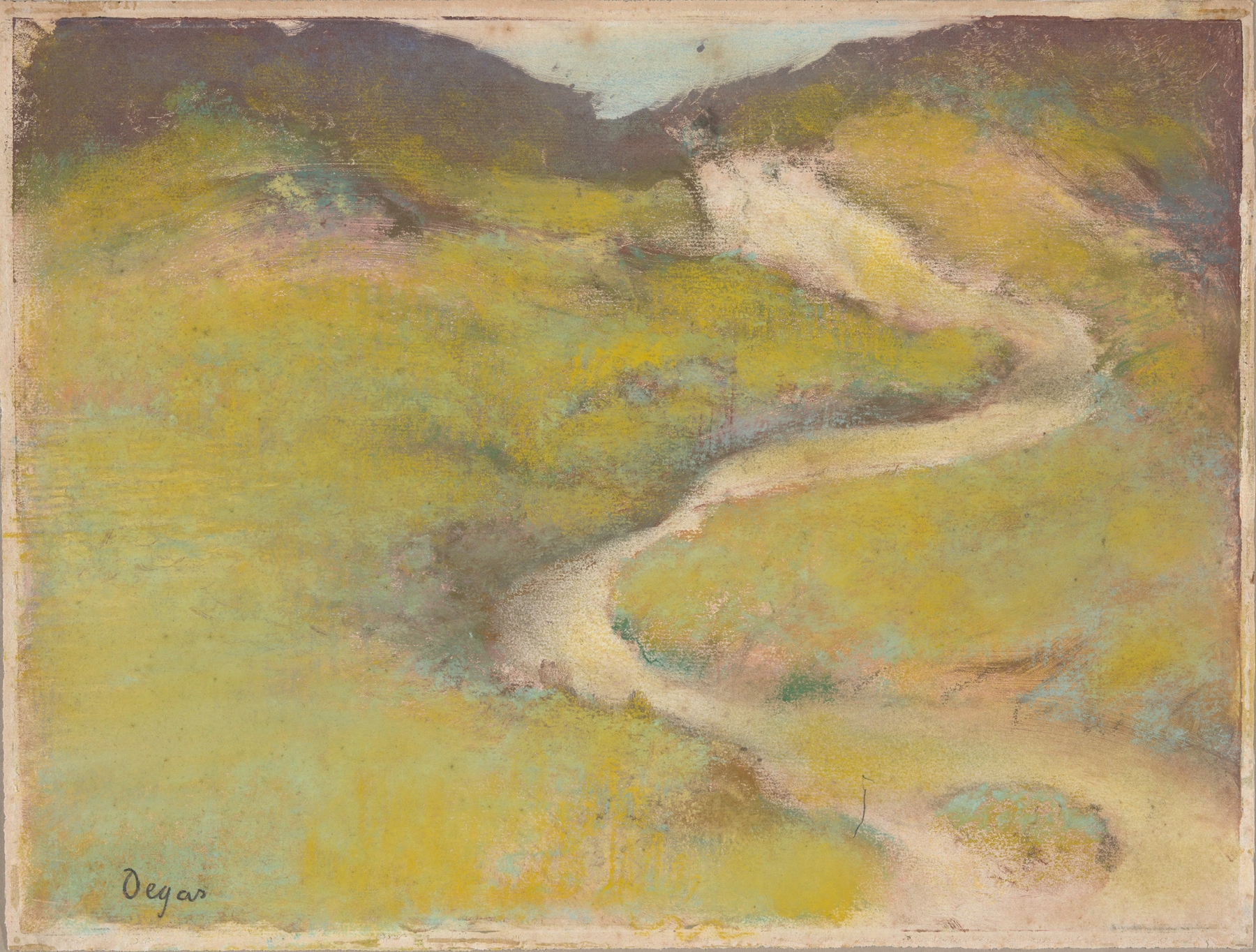
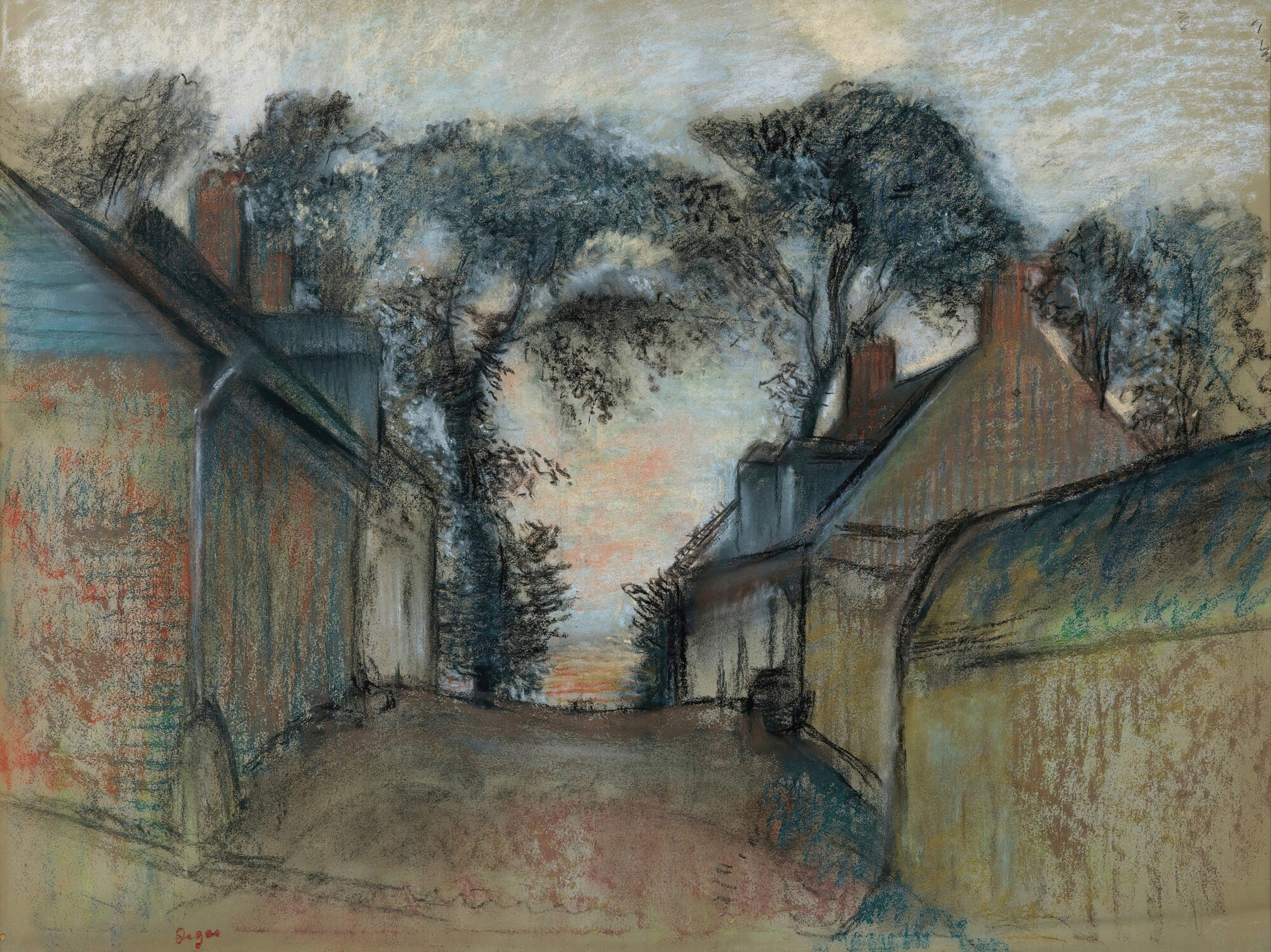
“The canvas doesn’t lie — it simply waits.” In the stillness of nature's embrace, a sense of yearning emerges, beckoning us to explore its depths. Look to the center of the canvas where the ploughed field stretches out, its earthy tones contrasting sharply with the vibrant greens of the trees that line its perimeter. The undulating lines of furrows draw your eye in, creating a rhythm that mimics the natural world.
Notice how the brushwork reveals a tactile quality; each stroke is deliberate, suggesting both the toil of the land and the tranquility of the pastoral scene. The subtle interplay of light and shadow hints at a deeper emotional resonance. The trees stand guard, their shadows casting a contemplative stillness over the field, as if witnessing an ancient cycle of life and labor.
This juxtaposition between the active furrows and the serene trees speaks to the tension between work and rest, embodying a universal longing for balance and harmony in both nature and existence. In the early 1890s, Degas found himself exploring the themes of rural life during a period of personal reflection, marked by his own struggles with health and artistic direction. While he is often celebrated for his depictions of ballet dancers and urban life, this moment in his career reveals a profound connection to the landscapes surrounding him, capturing an essence of life's quieter moments amidst a rapidly changing world.