Pont Neuf in Paris — History & Analysis
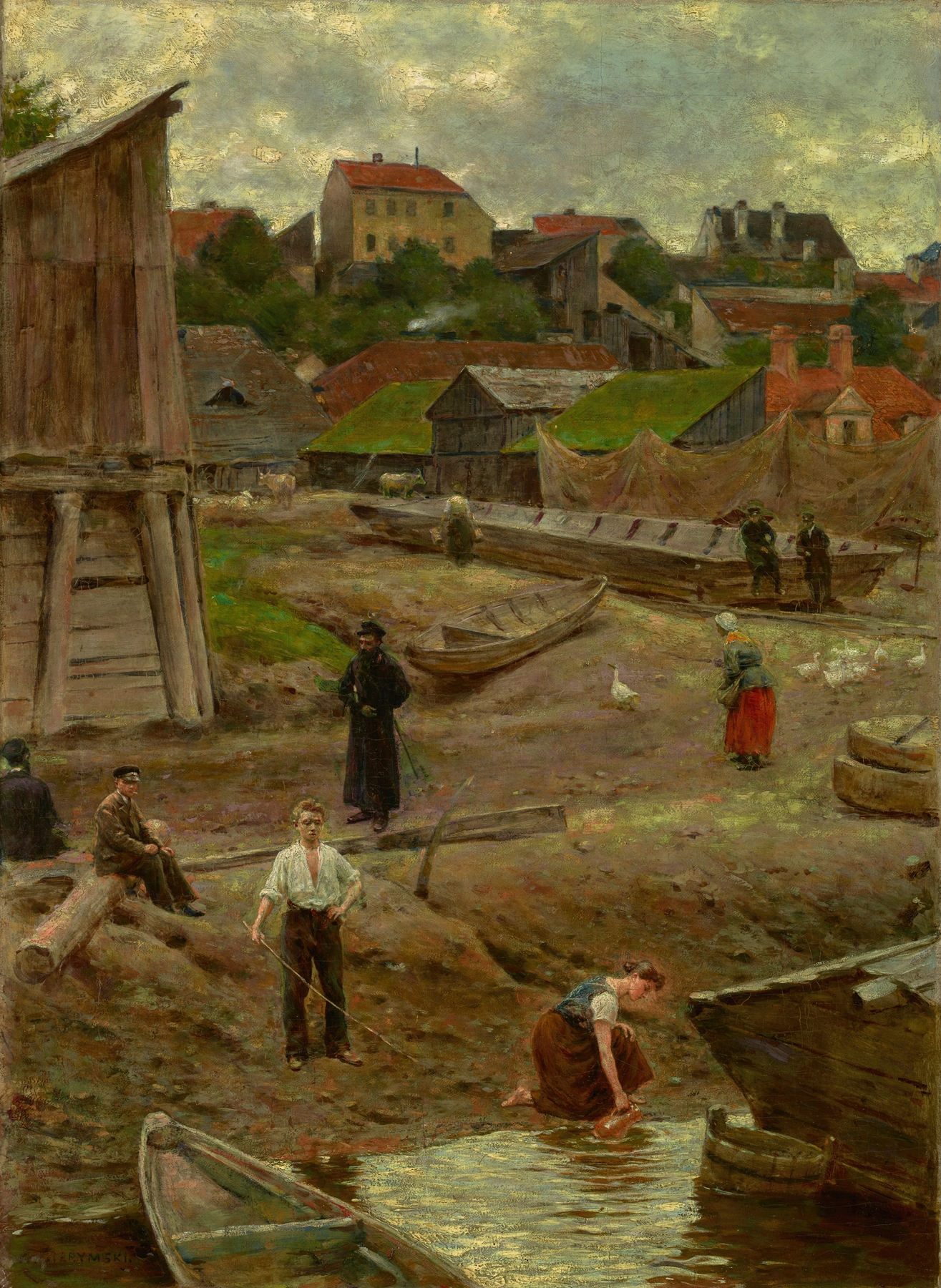
Art reveals the soul when the world turns away. In a world brimming with noise and haste, there exists a yearning for connection that transcends time and place. Look to the foreground, where the softly weathered stones of the Pont Neuf anchor the composition. The muted palette of ochres and grays captures the bridge's age and the shadows that drape across its surface, evoking a sense of nostalgia. Notice how the figures, small and intimate, seem to blend into the scenery, their movements almost spectral as they traverse the bridge.
This interplay between the solidity of the architecture and the ephemeral nature of the pedestrians creates a powerful contrast that invites contemplation. As you delve deeper into the scene, consider the figures separated by both space and intention. Each person appears lost in thought, embodying a collective isolation amidst the bustling life of Paris. The gentle ripples of the Seine below echo the emotional currents beneath the surface, suggesting longing and desire that connects them all.
The diffused light filtering through clouds enhances the sense of melancholy, turning the everyday moment into a poignant meditation on the passage of time. In 1893, while living in Paris, Aleksander Gierymski painted this work during a period of personal and artistic evolution. The late 19th century was marked by rapid urbanization in Paris, where the old and new coexisted. Gierymski was influenced by the Impressionist movement, blending their techniques with his own unique perspective on the human experience, ultimately capturing the fragile essence of existence against the enduring backdrop of the city.