Porta Del Turbè Con Sole Raggiante Dipinto — History & Analysis
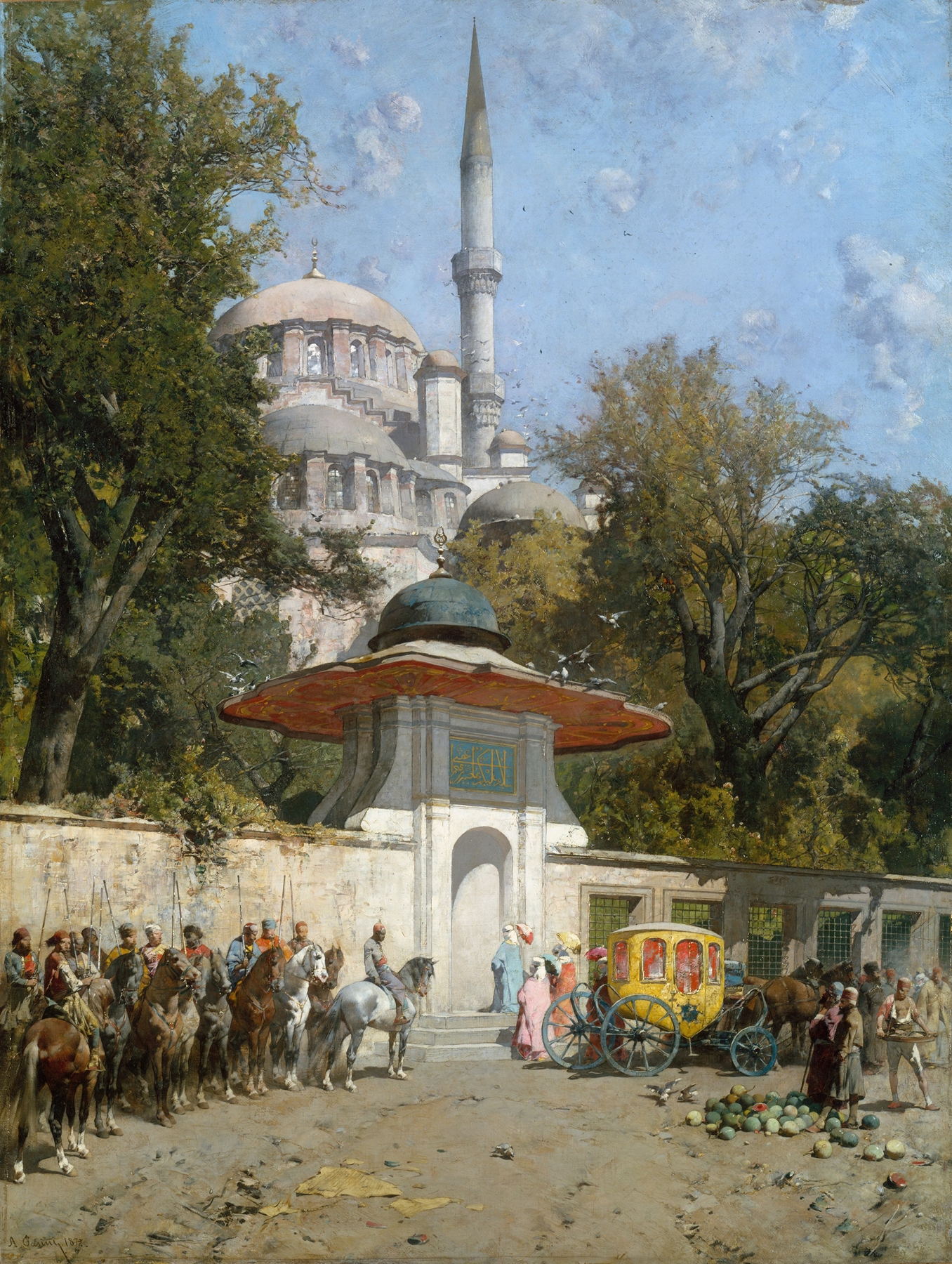
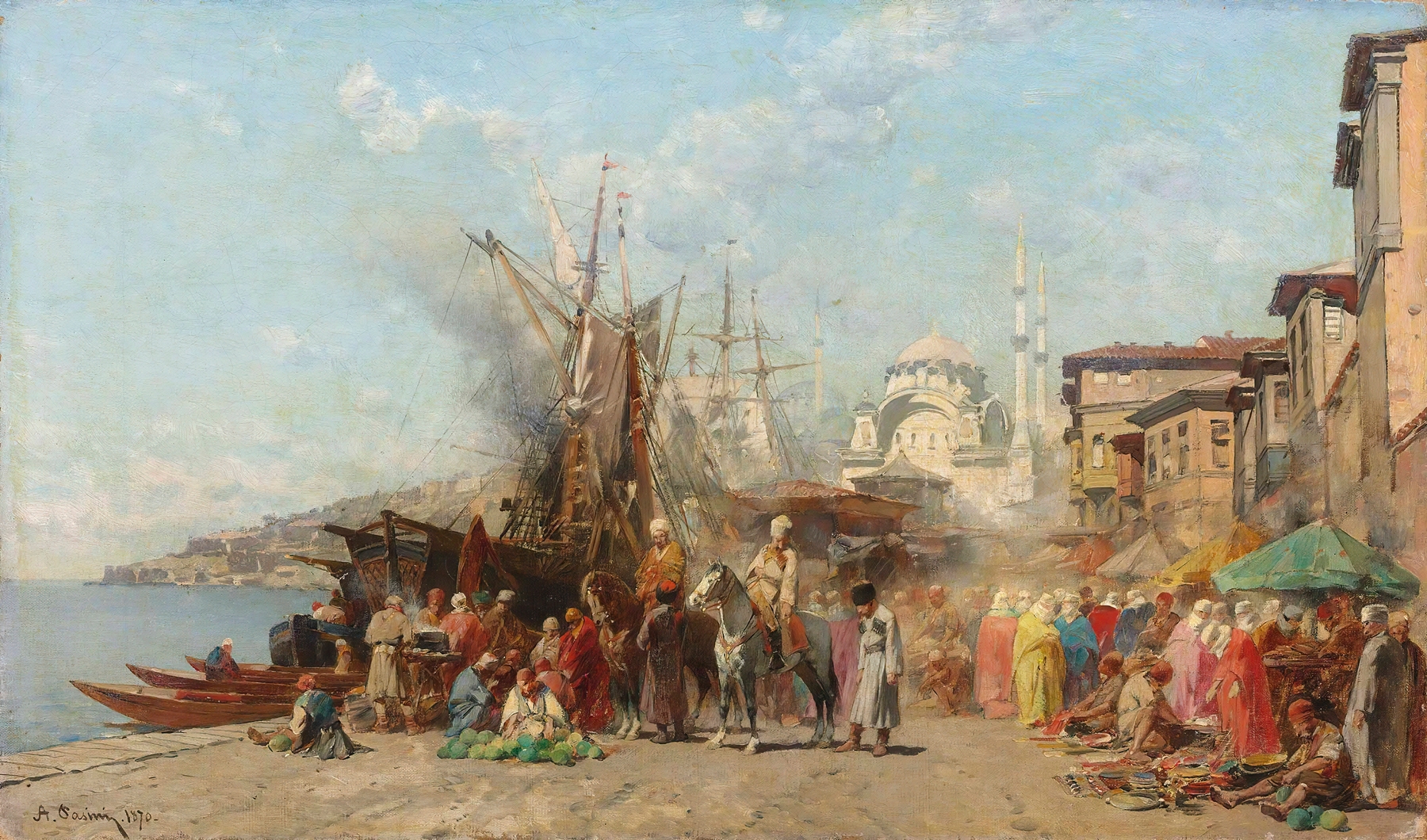
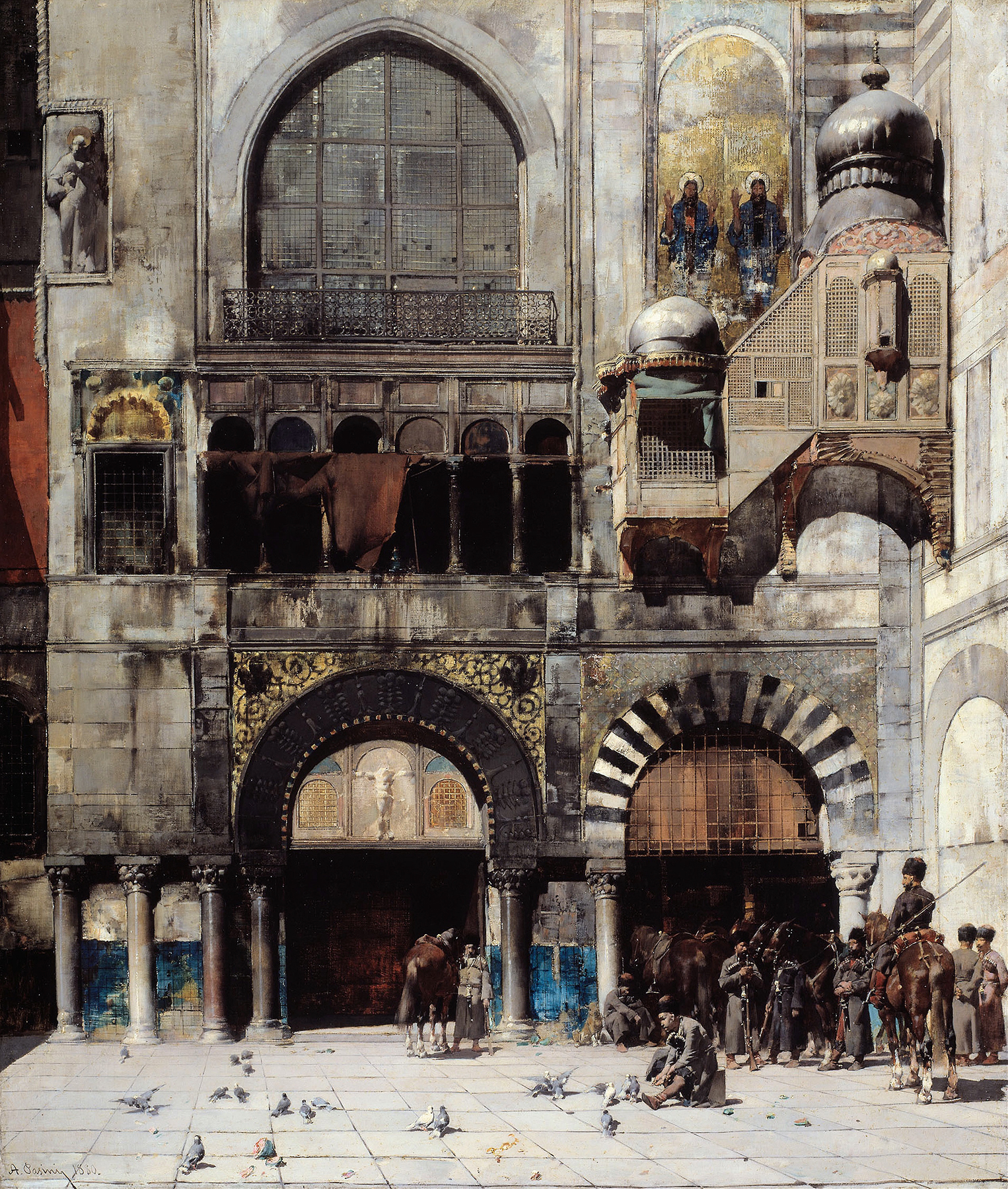
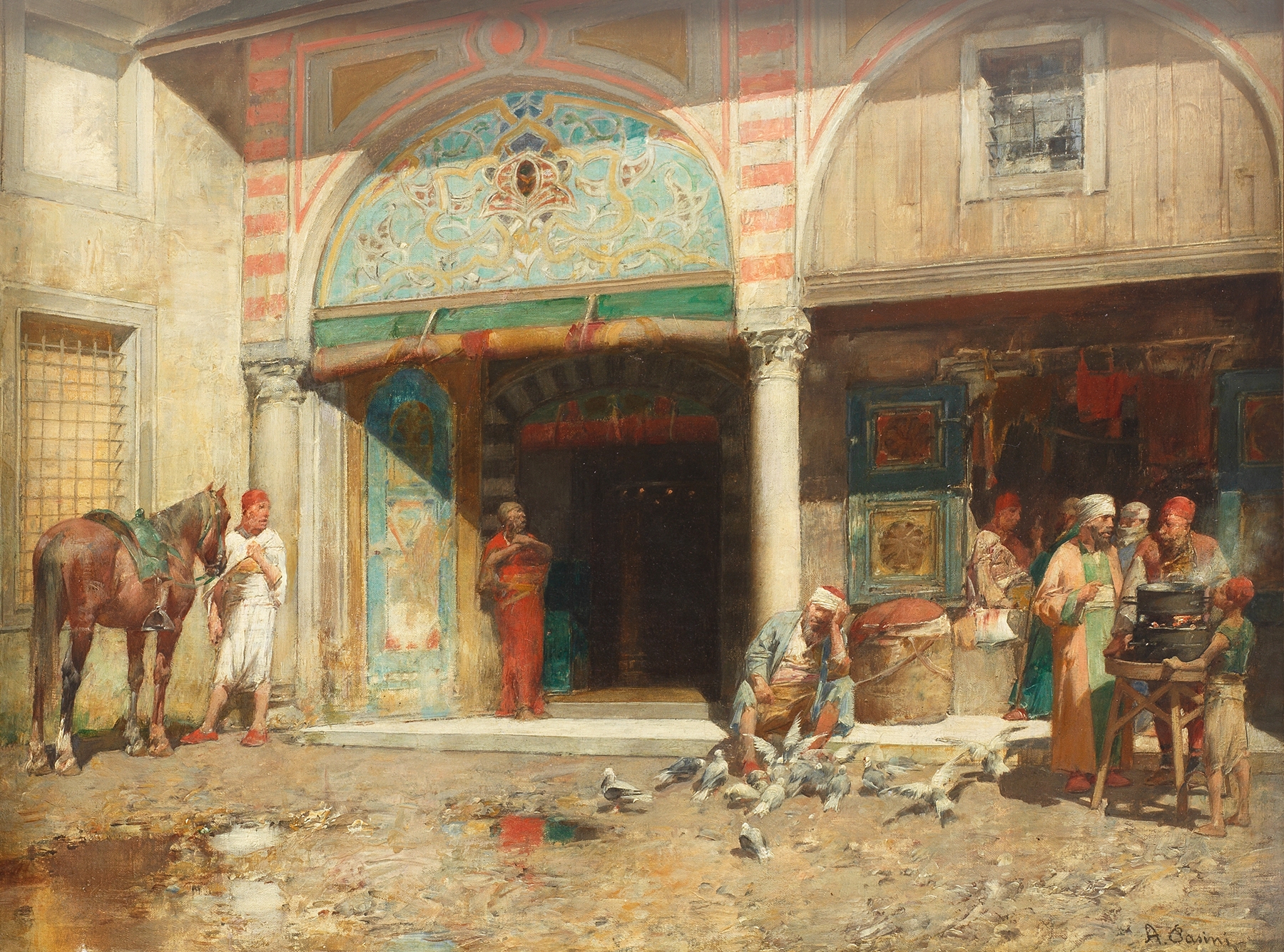
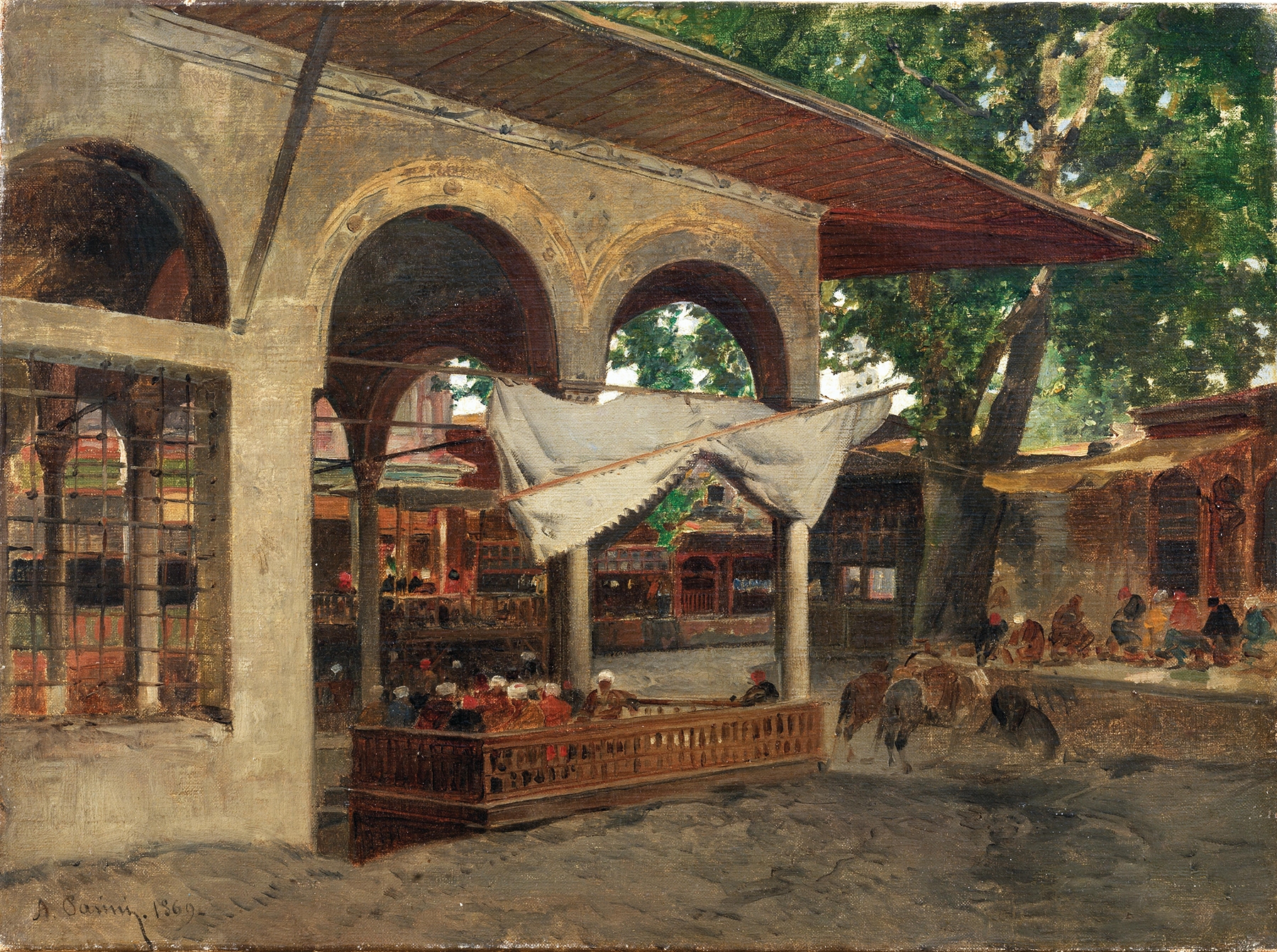
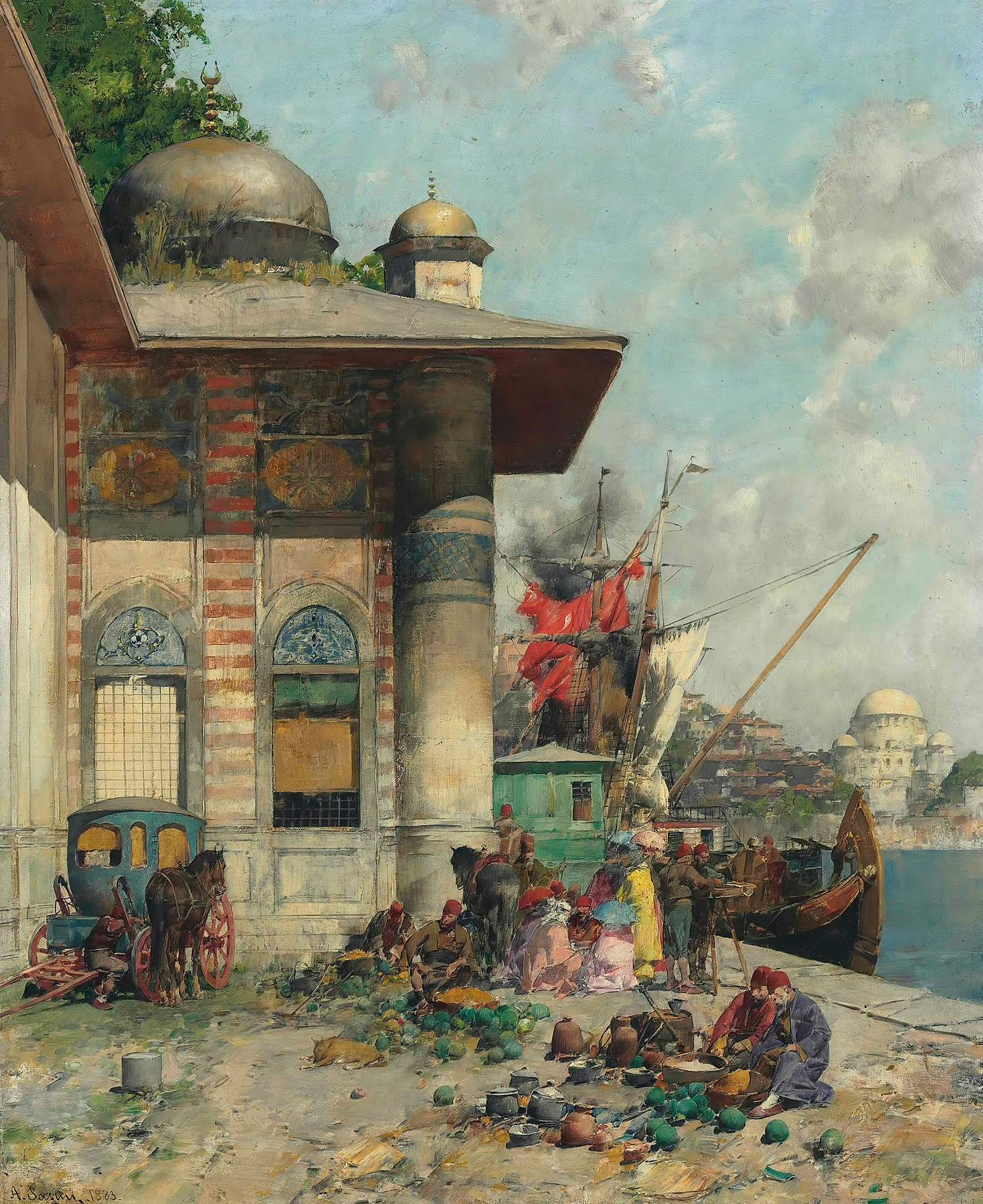
“Art reveals the soul when the world turns away.” In the quiet spaces of perception, a void often whispers louder than the noise of existence, inviting us to explore what lies beneath the surface. In Porta Del Turbè Con Sole Raggiante Dipinto, the viewer is drawn into a moment suspended between the mundane and the profound. Look to the left at the intricate doorway, a masterful blend of shadow and sunlight that invites you to step inside its frame. The brilliant rays cascade down, illuminating the textured wall and casting elongated shadows that hint at stories untold.
Notice how the rich, earthy tones of the architecture contrast with the luminous background, creating a sense of depth and inviting a contemplative gaze into the space it guards. Delving deeper, the painting speaks of dichotomies—the interplay of light and dark represents both hope and despair, an invitation and a barrier. The vibrant sun contrasts with the solidity of the door, symbolizing the tension between the known and the unknown. The empty space beyond the threshold evokes feelings of anticipation, a moment rife with possibility yet echoing the emptiness that often accompanies longing.
In 1873, while living in Italy, Alberto Pasini painted this work during a time when Orientalism was gaining momentum in European art. His travels and experiences deeply influenced his style, as he sought to capture the essence of diverse cultures. The world was in a state of flux, and this painting reflects not only his artistic exploration but also a broader narrative of curiosity and introspection that characterized the era.