Portret van Emanuel Philibert van Savoye te paard — History & Analysis
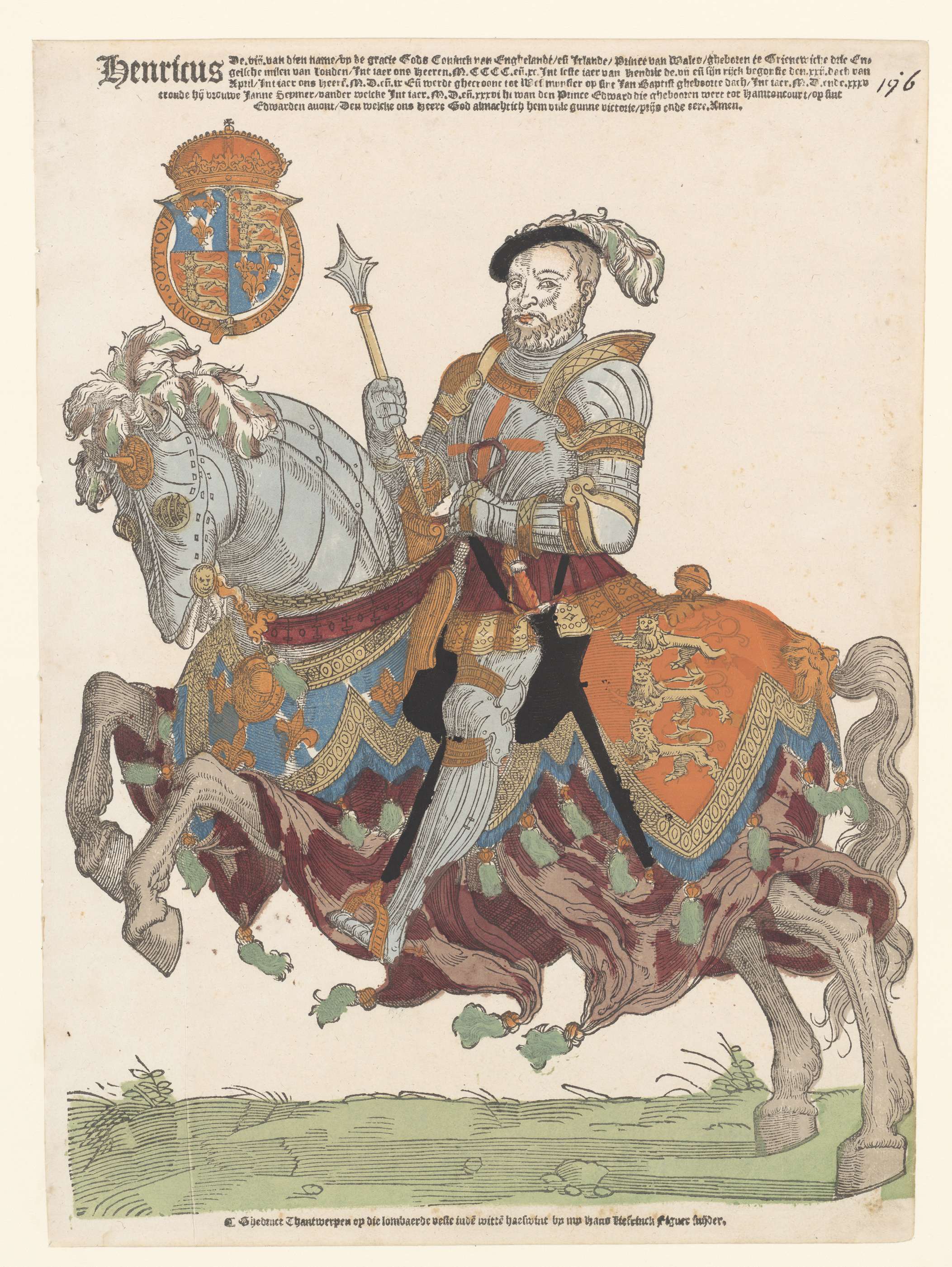
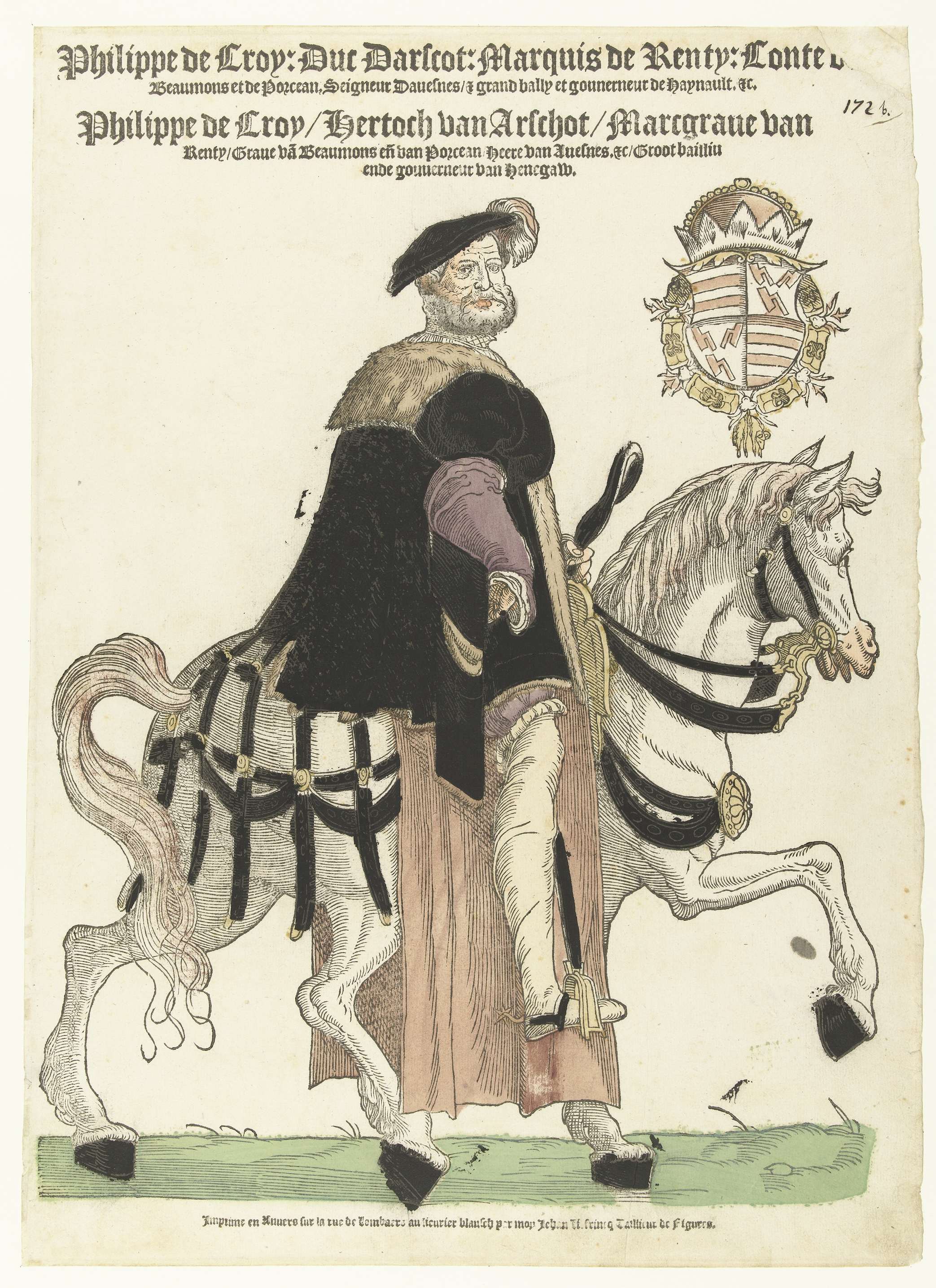
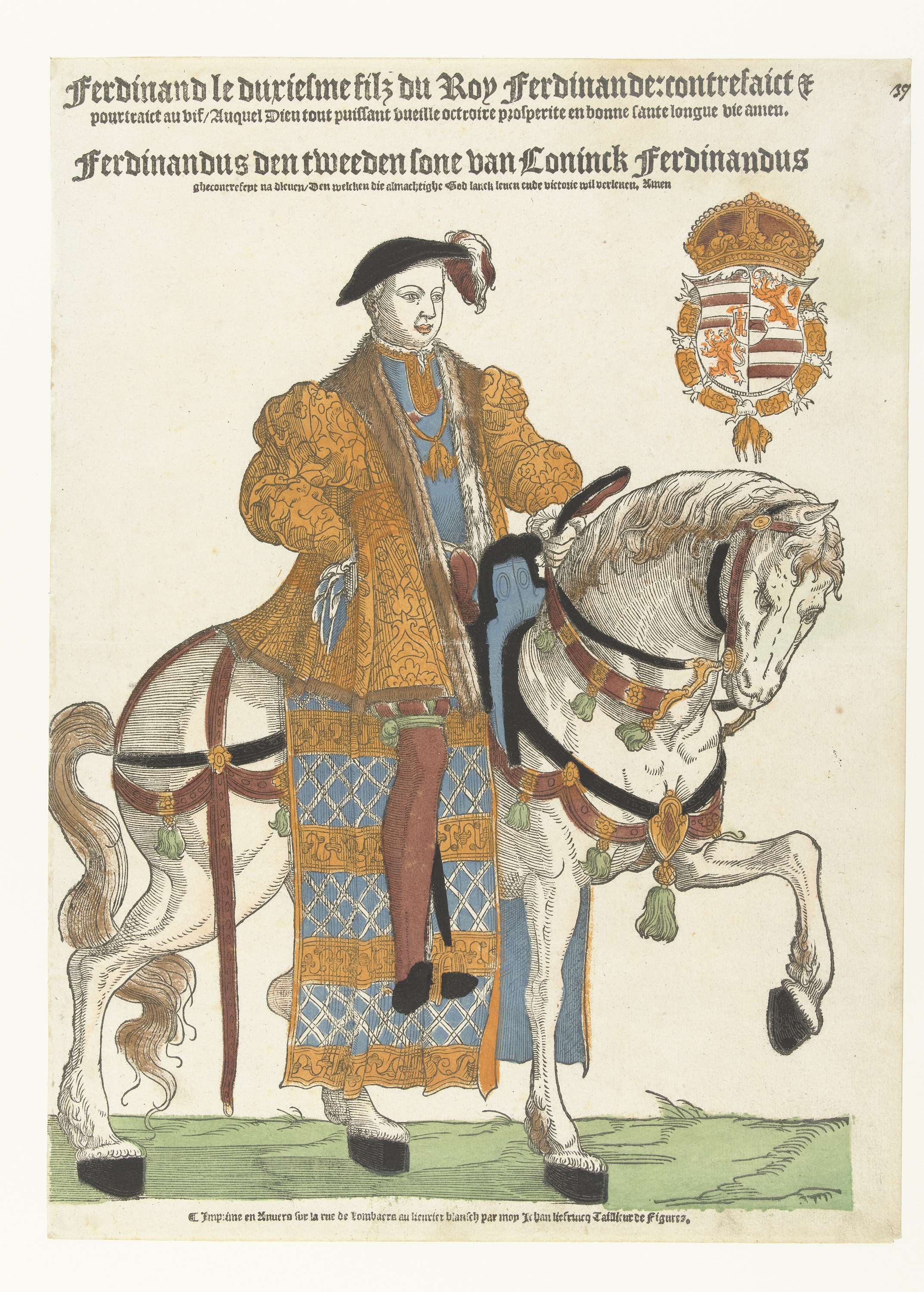
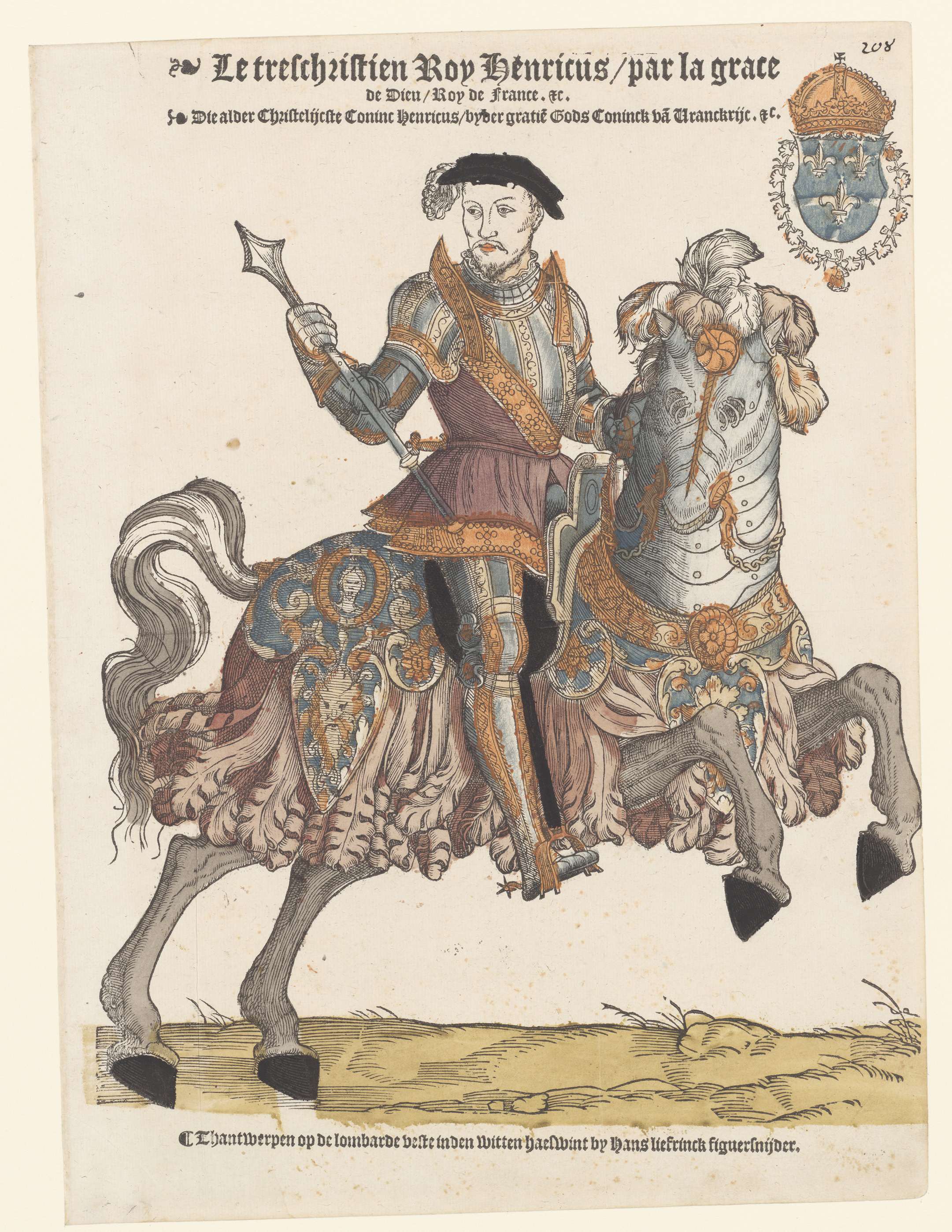
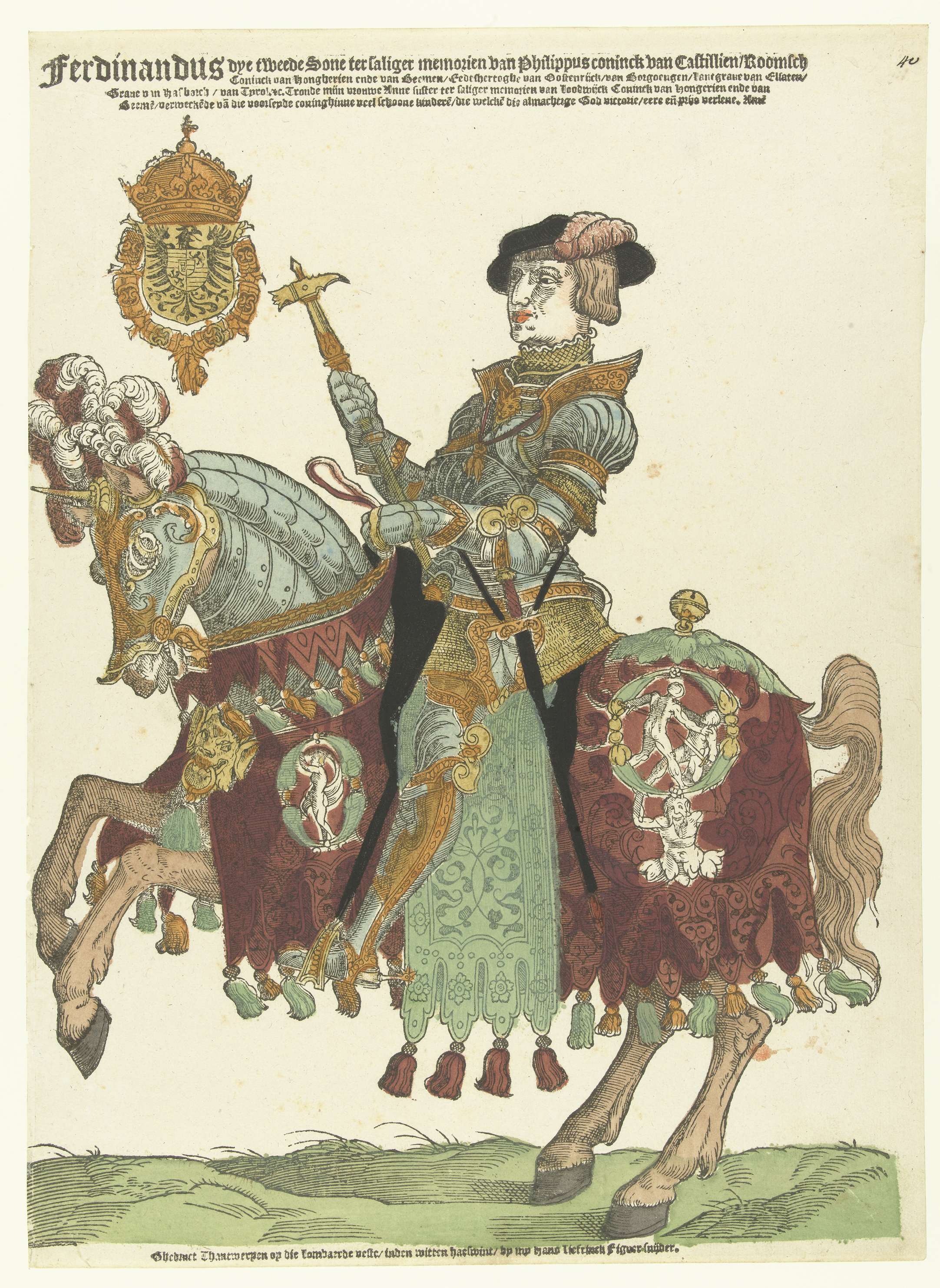
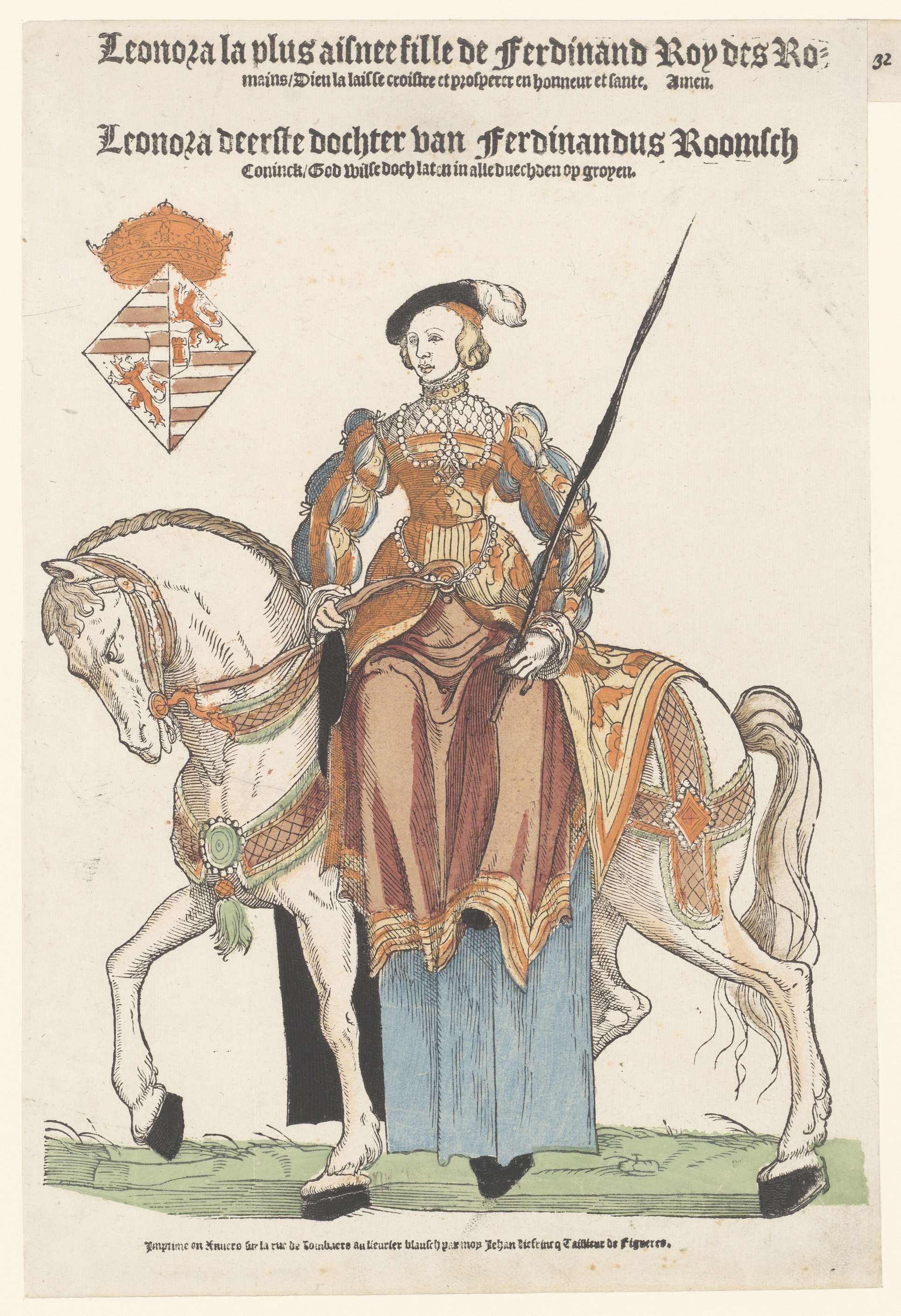
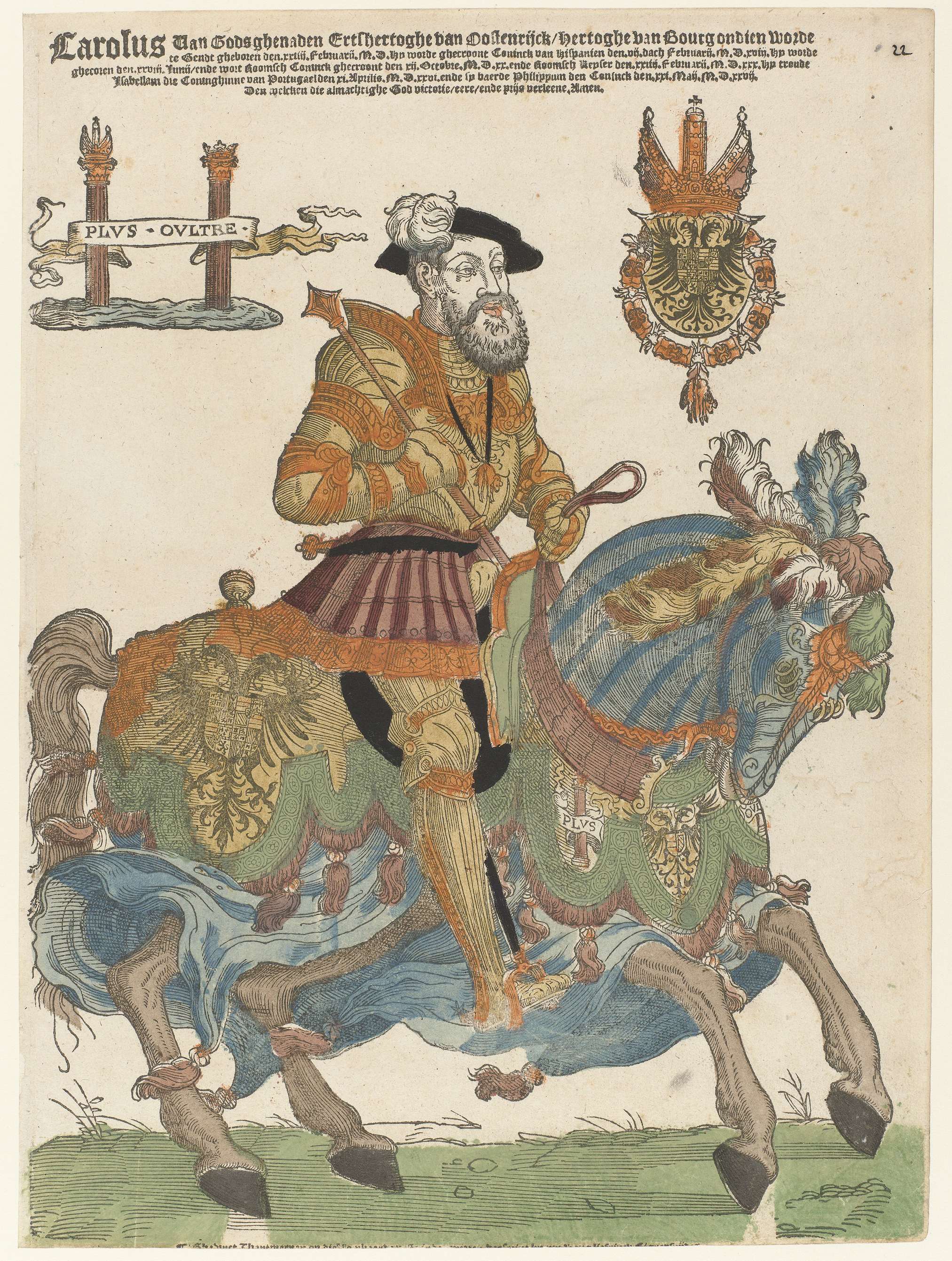
“Under the brush, chaos becomes grace.” This delicate interplay between strength and fragility manifests vividly in Portret van Emanuel Philibert van Savoye te paard, where the warrior’s poised demeanor belies the tumult that surrounds him. Look to the center of the canvas, where Emanuel Philibert sits astride his noble steed, exuding both authority and elegance. The meticulous detail in his armor glimmers softly, reflecting a spectrum of rich hues – golds and deep blues – that capture the light, suggesting both valor and vulnerability.
The horse’s powerful form contrasts with the delicate lines of the figure, drawing your eye across the composition, where every brushstroke integrates the subject into the rich, textured backdrop. Beneath the surface, the painting explores the tension between power and the fragility of life. The equestrian posture may symbolize his readiness for battle, yet the subtle expression on his face hints at an introspection that transcends the warrior's exterior.
The swirling clouds above loom like unseen threats, reminding us that even amidst strength, the fragility of existence remains ever-present, a testament to the duality of a leader’s life. Created during the mid-16th century, Liefrinck crafted this piece amidst a Europe marked by political strife and shifting allegiances. Working in Antwerp, he was influenced by the intricate styles of the Northern Renaissance, capturing not only the physical likeness but also the deeper emotional landscape of his subject, a man who balanced the burdens of leadership with the grace that art immortalizes.