Portret van Erasmus Balderman — History & Analysis
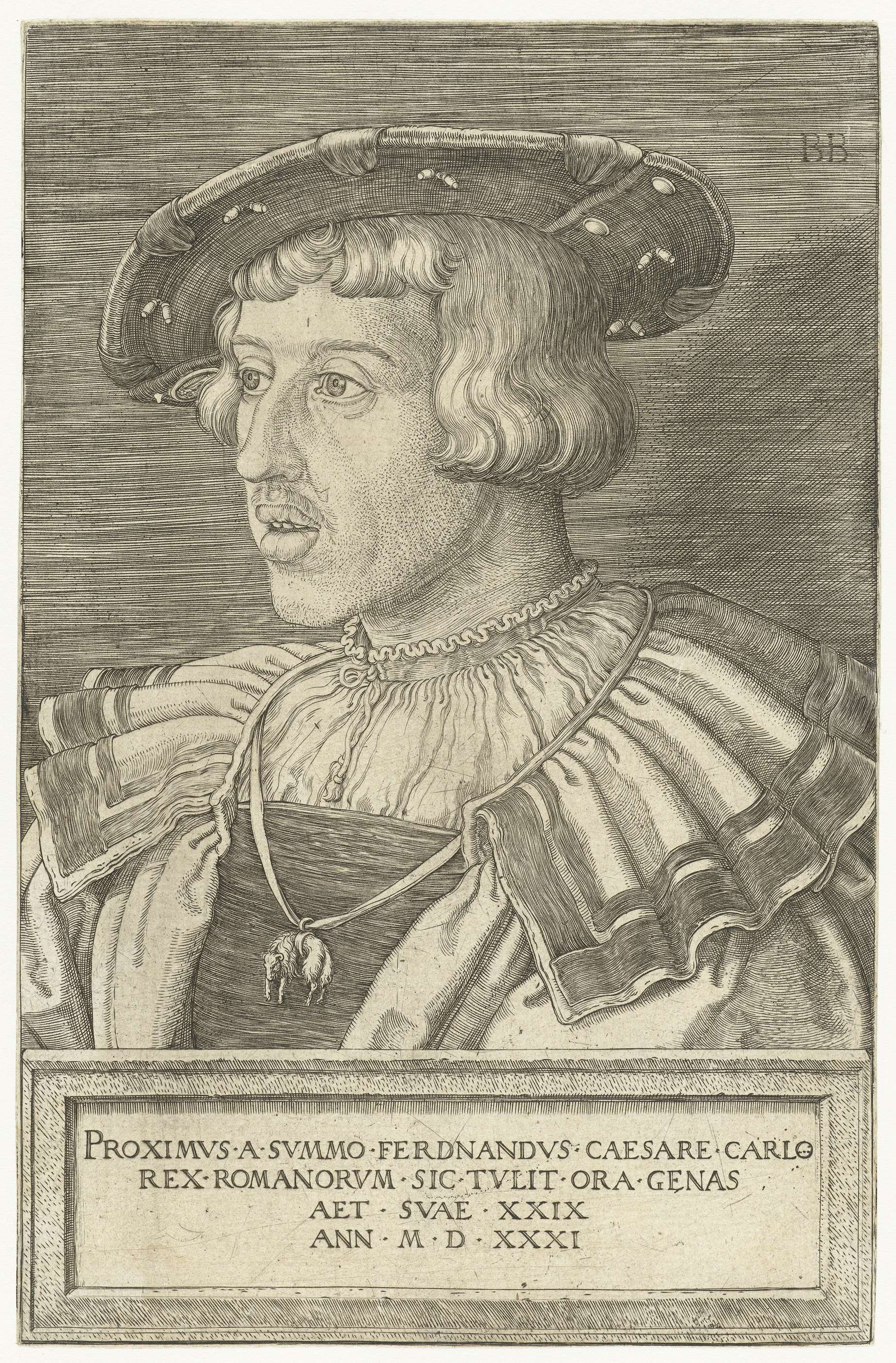
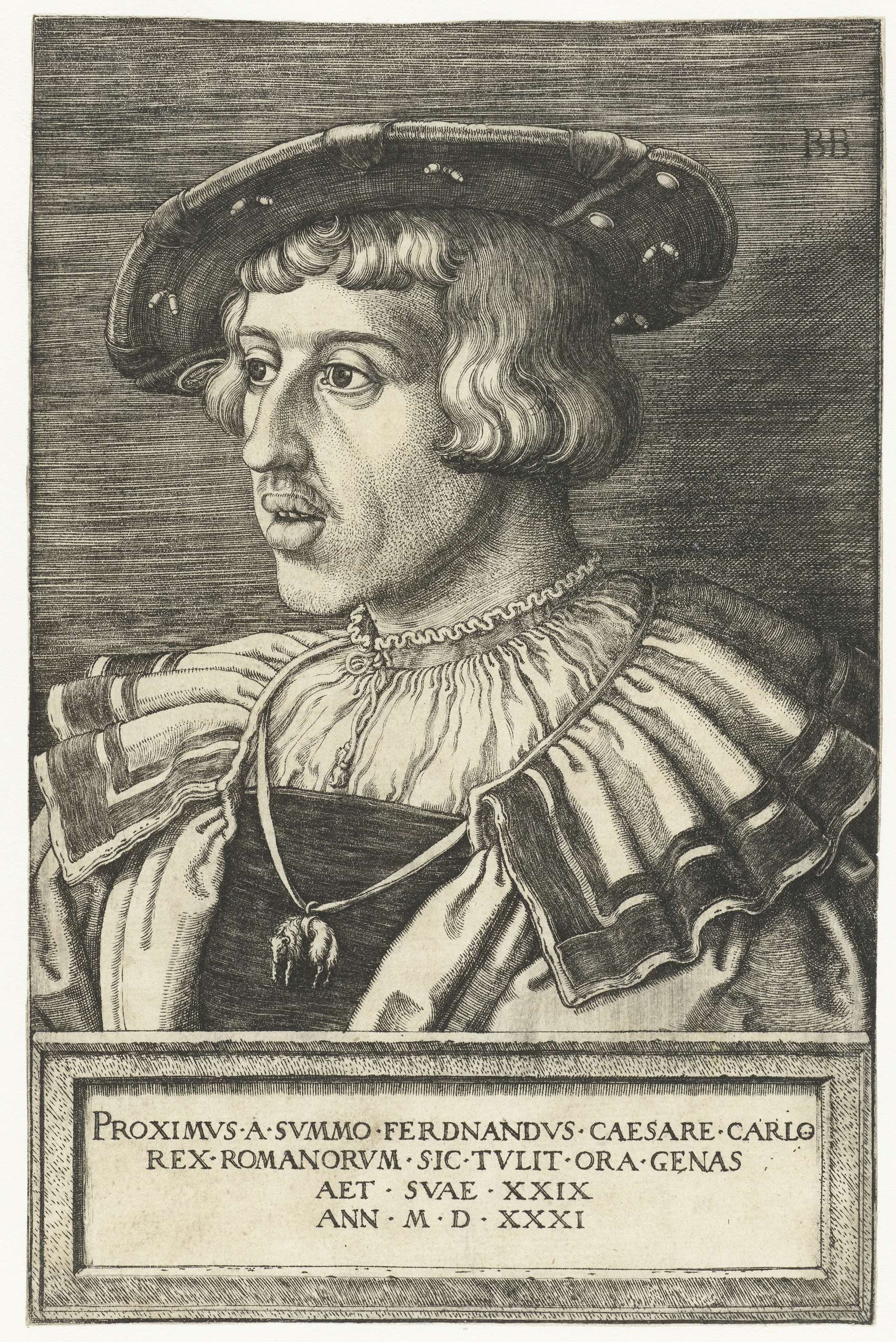
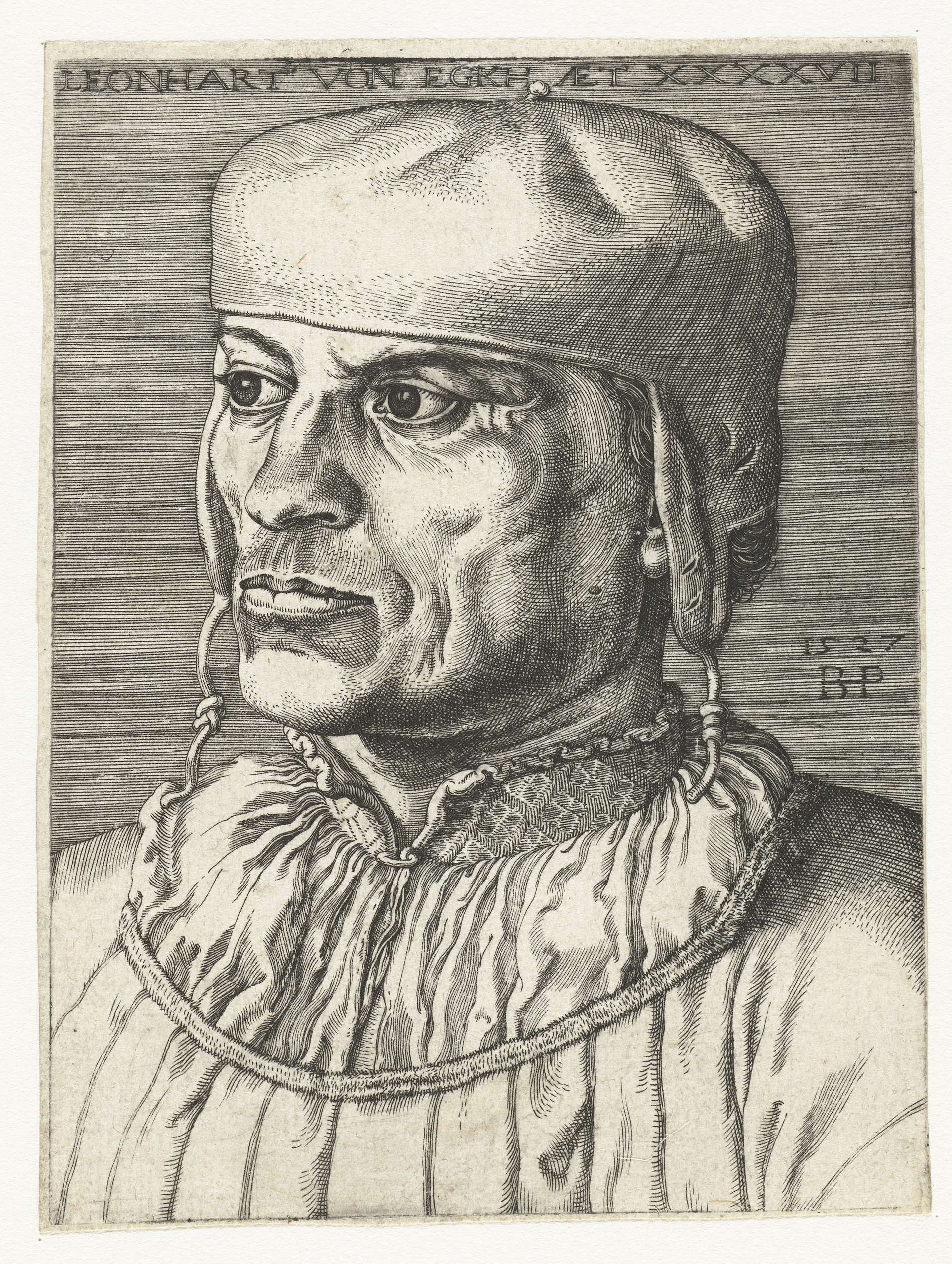
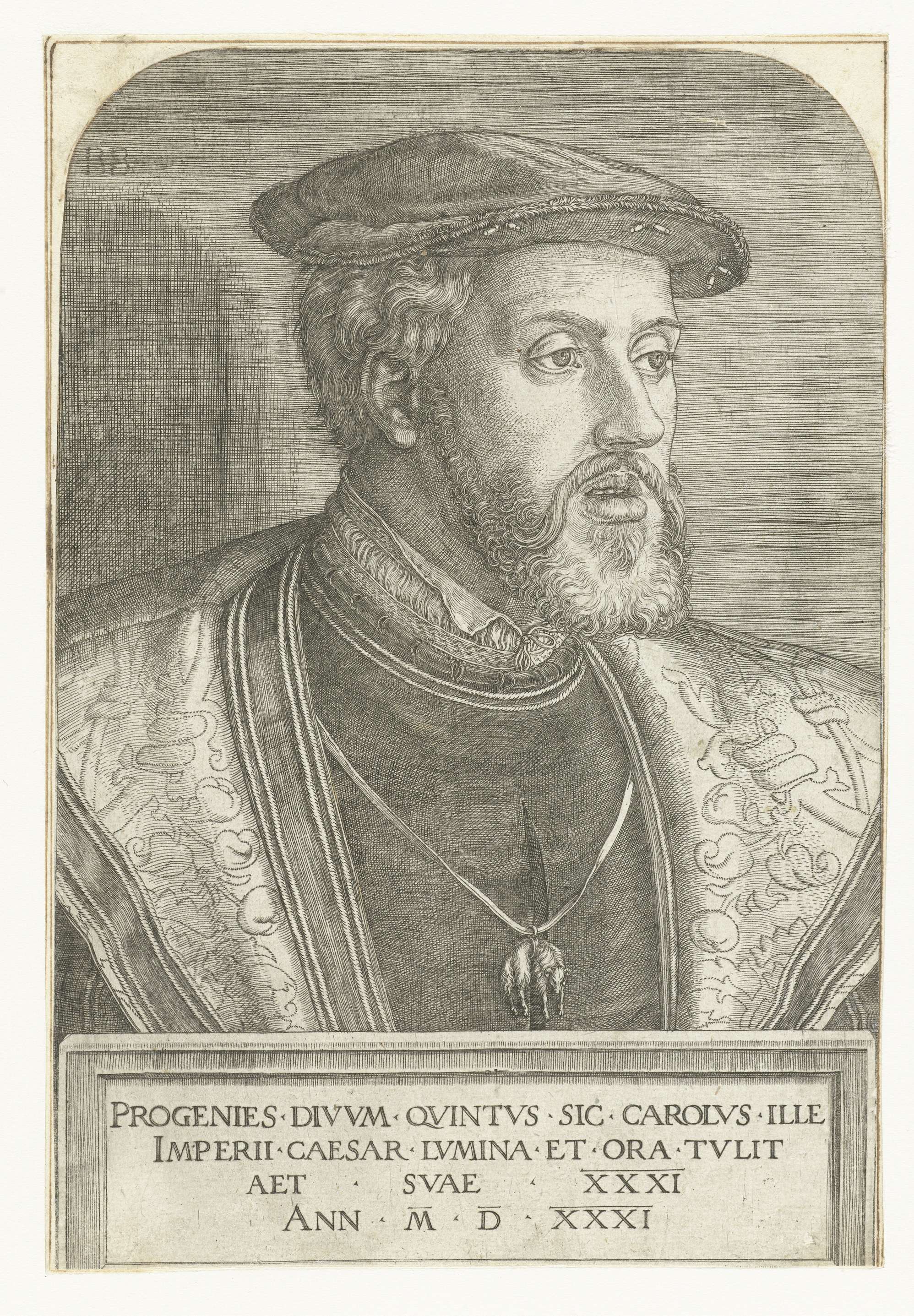
What if silence could speak through light? In Portret van Erasmus Balderman, the stillness resonates, echoing the quiet inevitability of mortality that surrounds us all. Focus on the subject’s face, where the gentle interplay of light and shadow reveals the intricacies of his character and thoughts. The artist’s delicate brushwork captures the subtle textures of skin, while the rich, muted colors provide a sense of weightiness. Notice how the folds of his clothing seem to cradle him, imbued with a soft warmth that contrasts starkly against the cold backdrop.
This careful attention to detail invites the viewer to linger and ponder the depth of the figure’s soul. Within this composition lies an emotional tension between presence and absence. The penetrating gaze of Balderman seems to reach out, confronting the viewer with an unspoken understanding of life’s fleeting nature. Each brushstroke suggests a story untold, a contemplation of identity and existence captured in a single moment.
The juxtaposition of light against shadow serves not only to define form but speaks to the balance between enlightenment and the inevitable darkness of mortality. In 1535, Barthel Beham painted this work during a period marked by the burgeoning Northern Renaissance. Living in Nuremberg, he was influenced by the evolving humanist ideals that championed individuality. This portrait reflects the era's exploration of self and the complexities of existence, encapsulating the artist's keen observation of humanity amidst a changing world.