Portret van Filips II te paard — History & Analysis
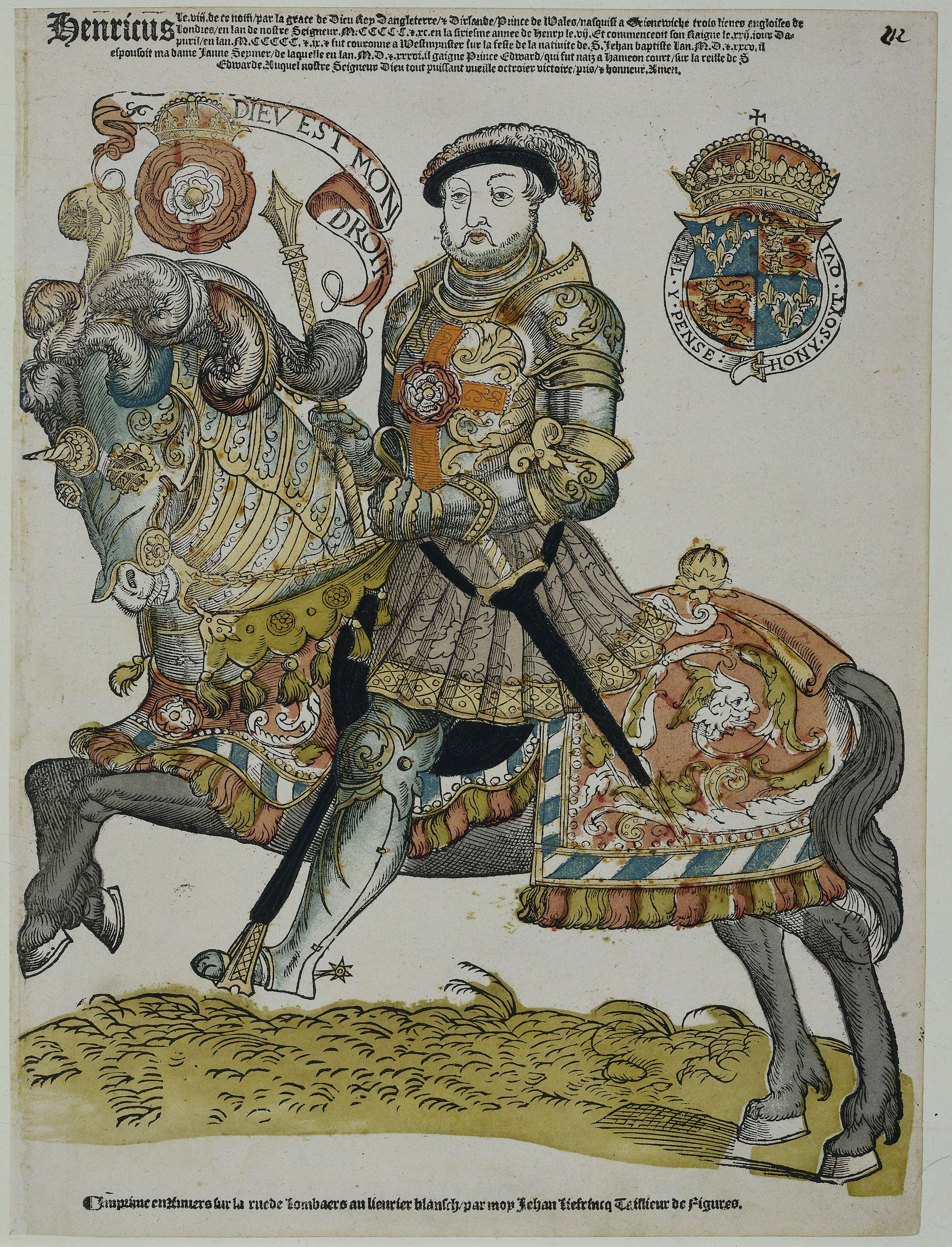
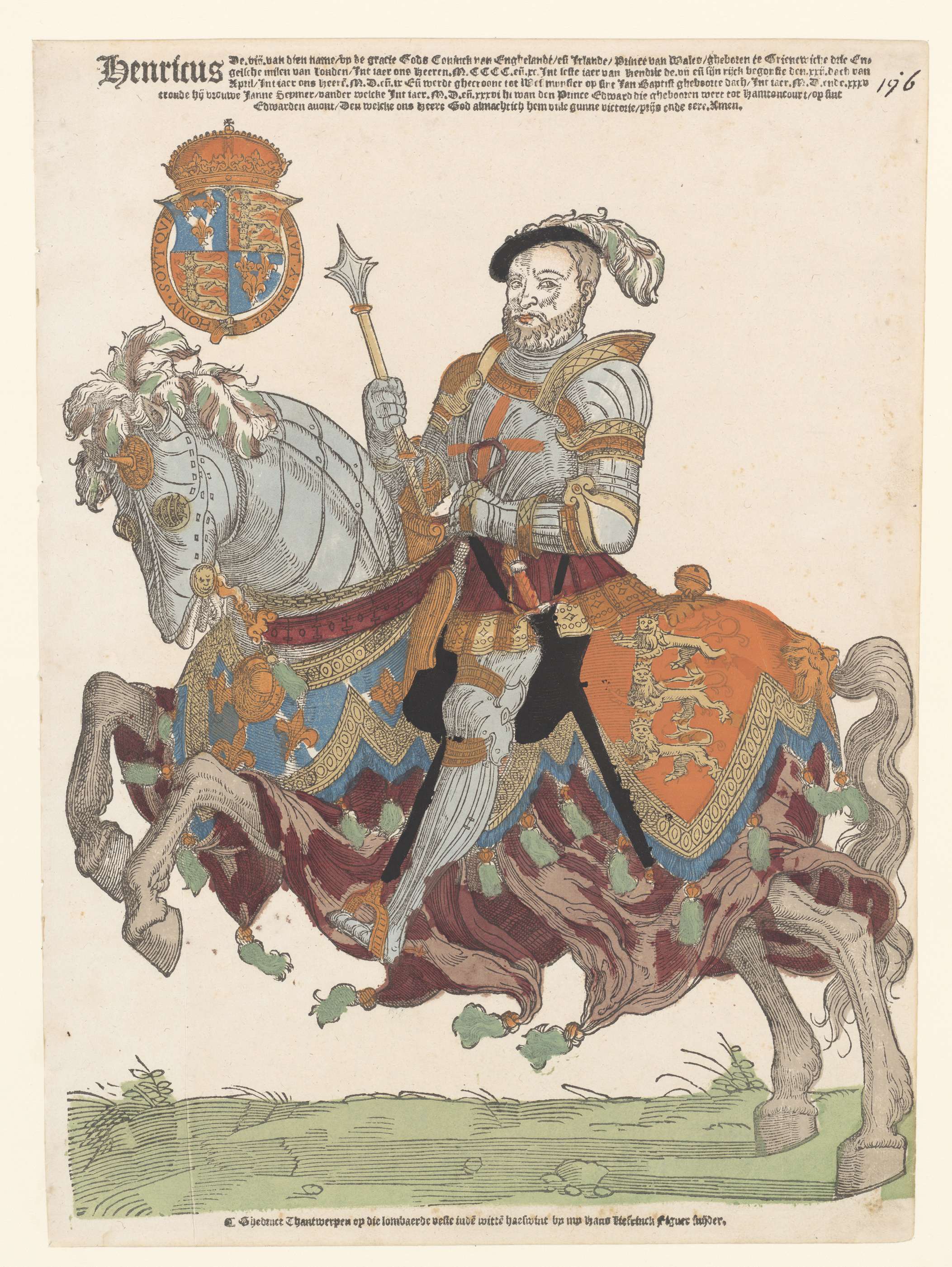
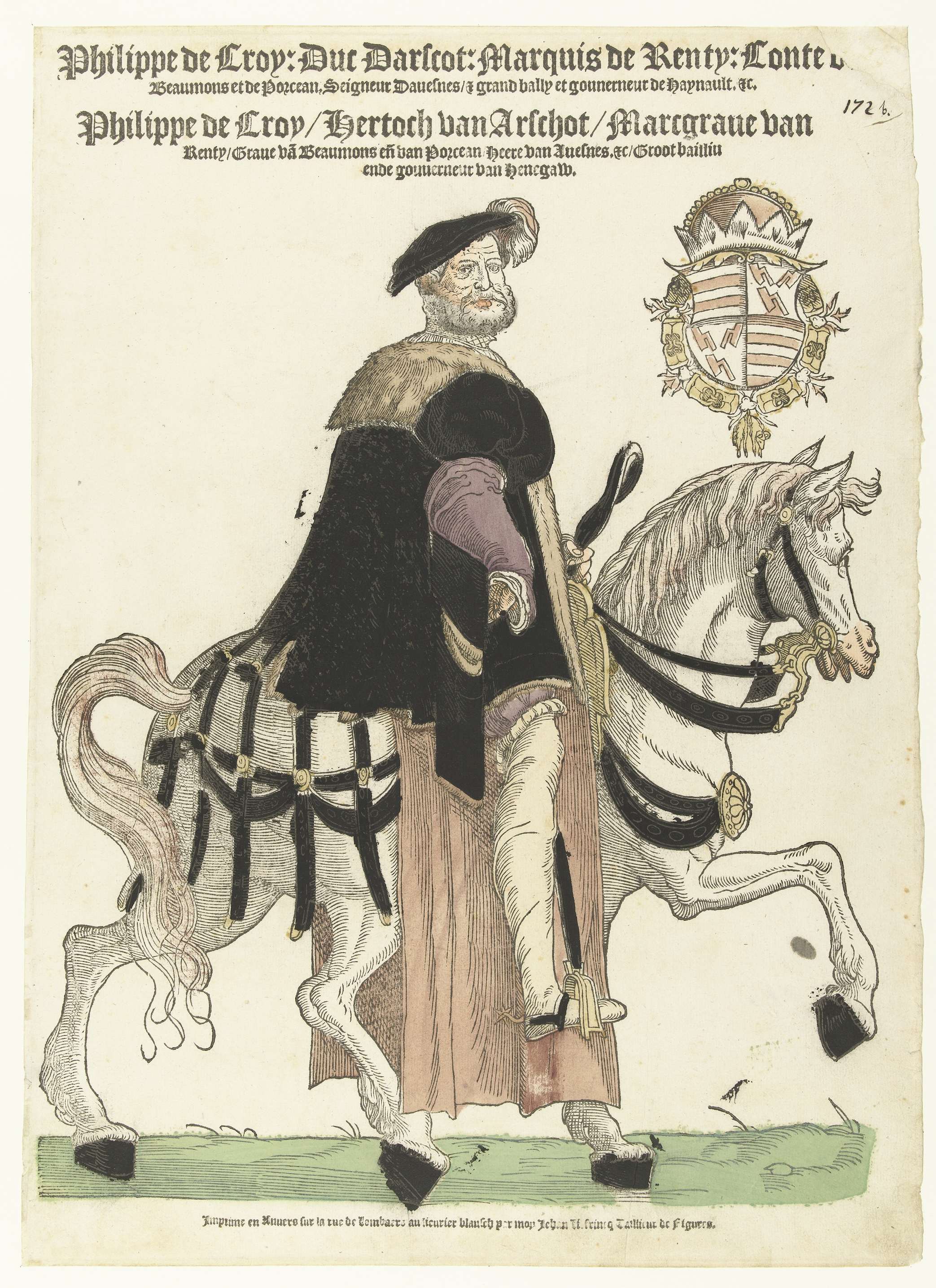
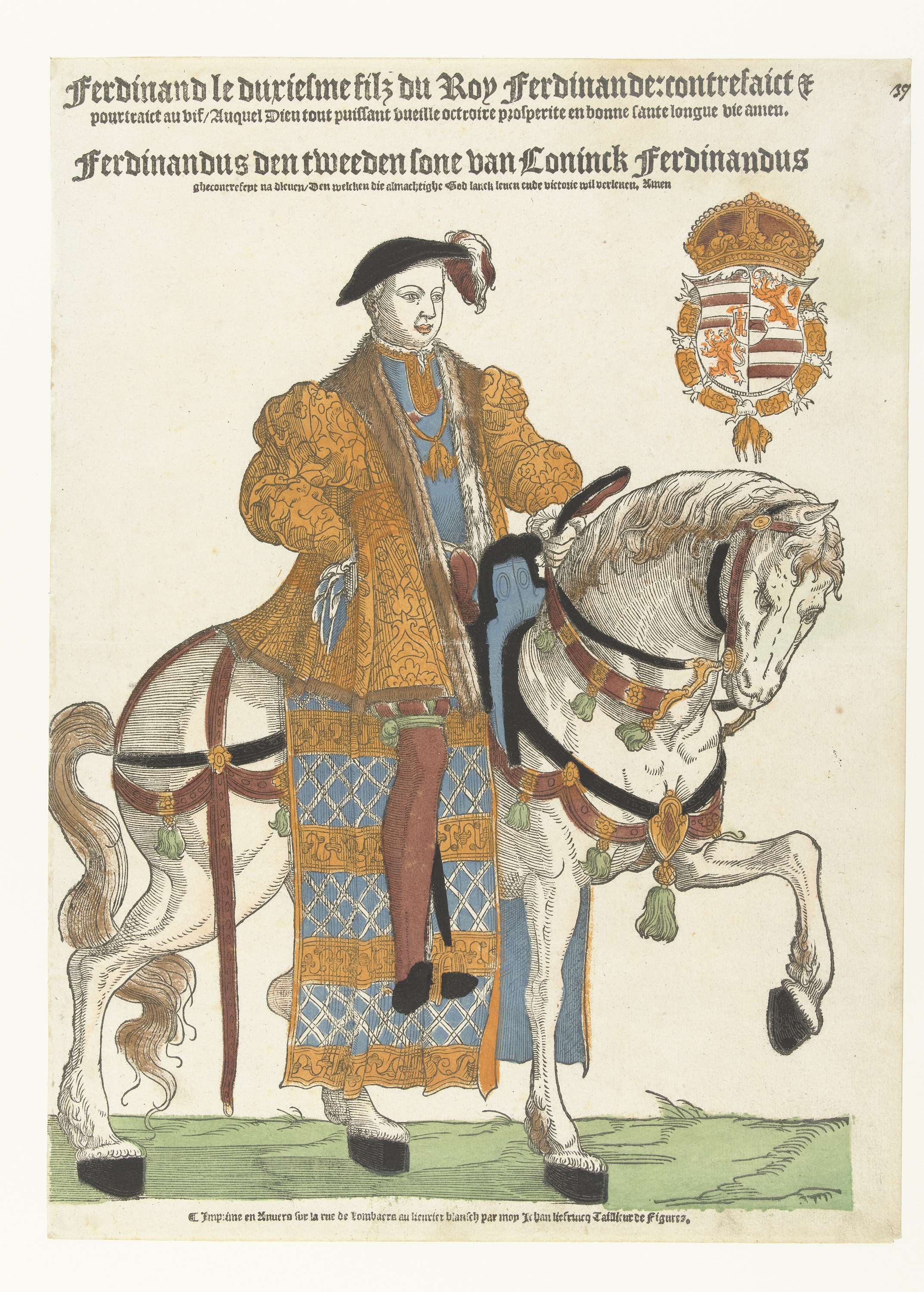
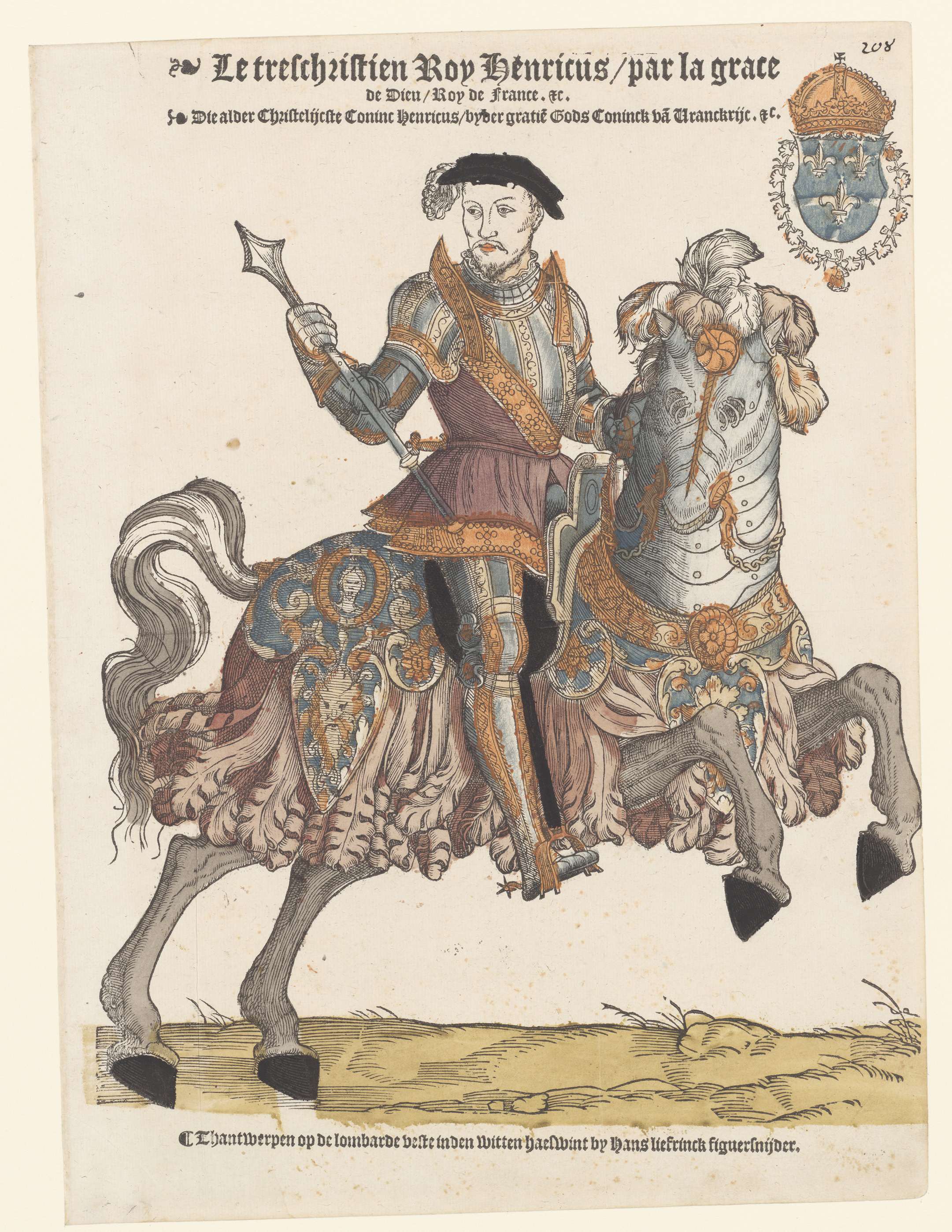
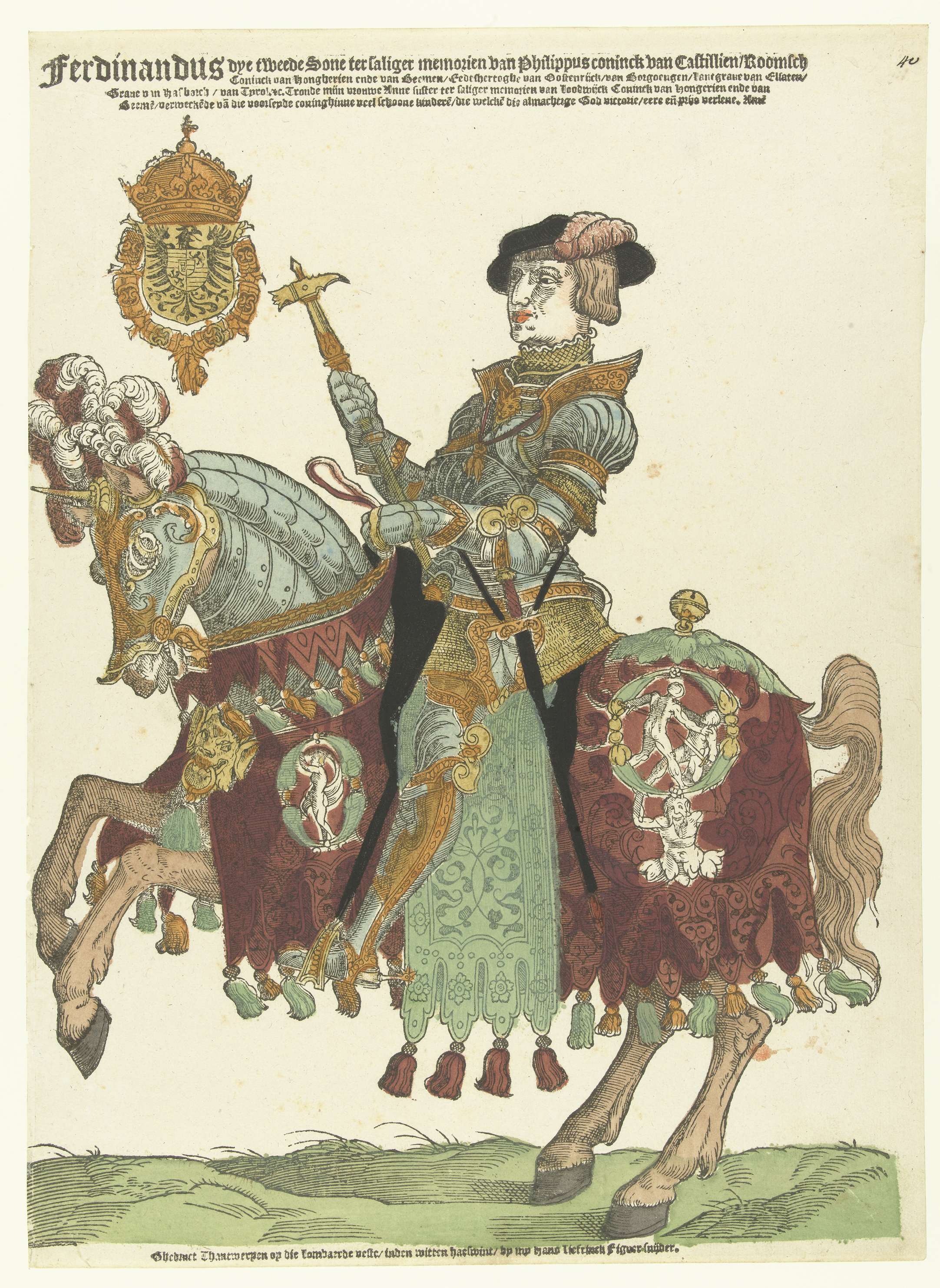
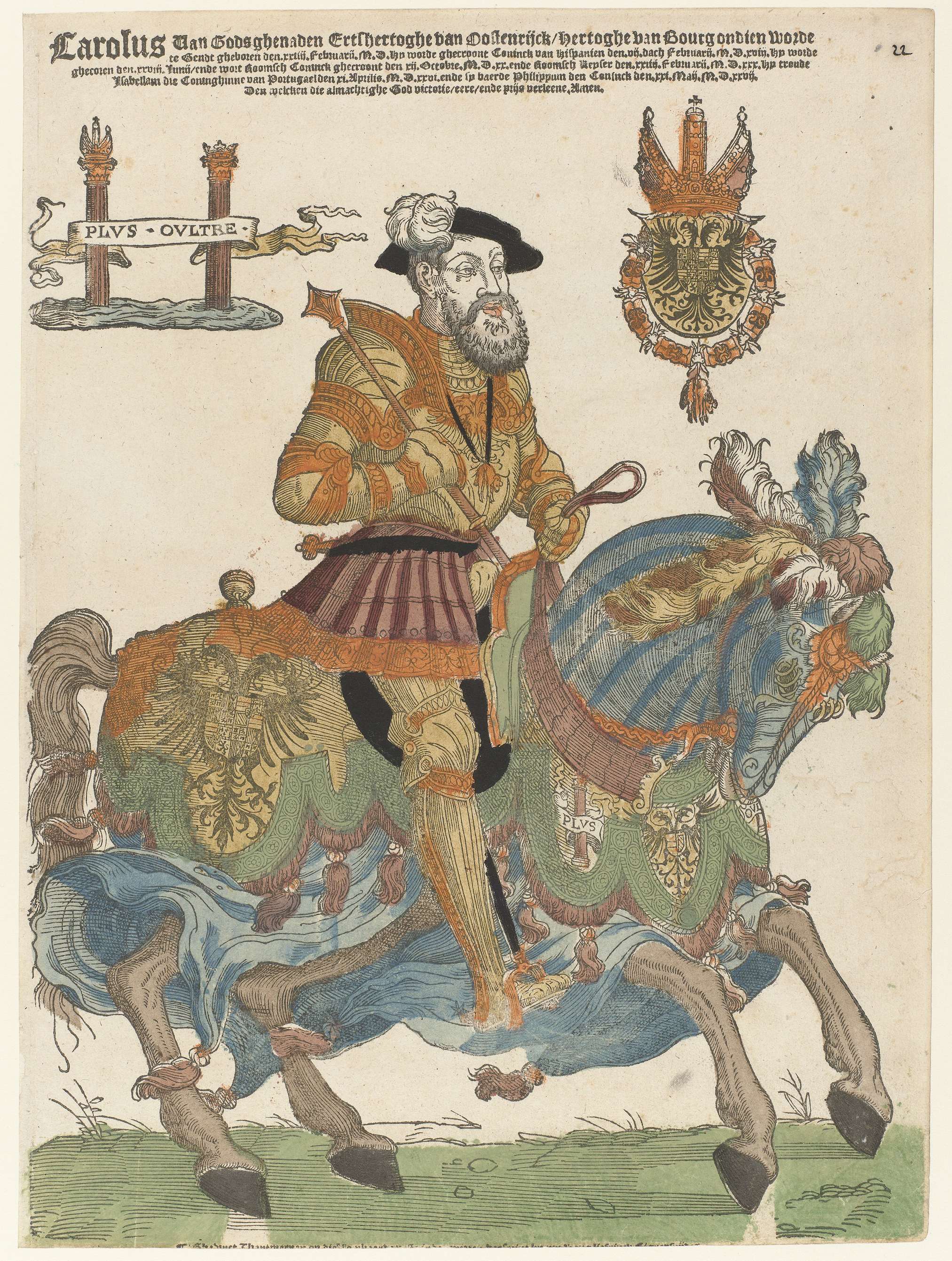
Did the painter know this moment would outlive them? In the stillness of art, we find echoes of solitude that extend far beyond the canvas. Look to the center of the painting where the figure of Philip II commands presence. The royal figure is poised atop a strikingly detailed horse, a symbol of power intertwined with isolation. Notice how the painter employs a rich palette of deep blues and muted earth tones, evoking both majesty and a trace of melancholy.
The meticulous attention to the horse’s musculature and the ornate armor surrounding the monarch invites the viewer to linger on the intersection of strength and vulnerability. As you examine the intricate details, the emotional weight begins to unfurl. The horse, regal yet subtly hunched, mirrors the burdens of leadership and the loneliness that accompanies it. The distant landscape, painted in soft, hazy tones, emphasizes Philip's isolation amidst his vast dominion.
This melding of strength and solitude invites reflections on the intrinsic loneliness of power and the weight of responsibility that can separate even the mightiest from human connection. During the years this portrait was crafted, Hans Liefrinck (I) was establishing his reputation in the courts of the Netherlands. The 1540s were a time of political turbulence in Europe, with the Habsburgs navigating both familial and territorial strife. Commissioned to depict the young king, the artist’s work captures a moment steeped in historical significance while simultaneously resonating with the quiet, introspective sadness of a ruler destined for solitude.