Portret van Filips van Lalaing te paard — History & Analysis
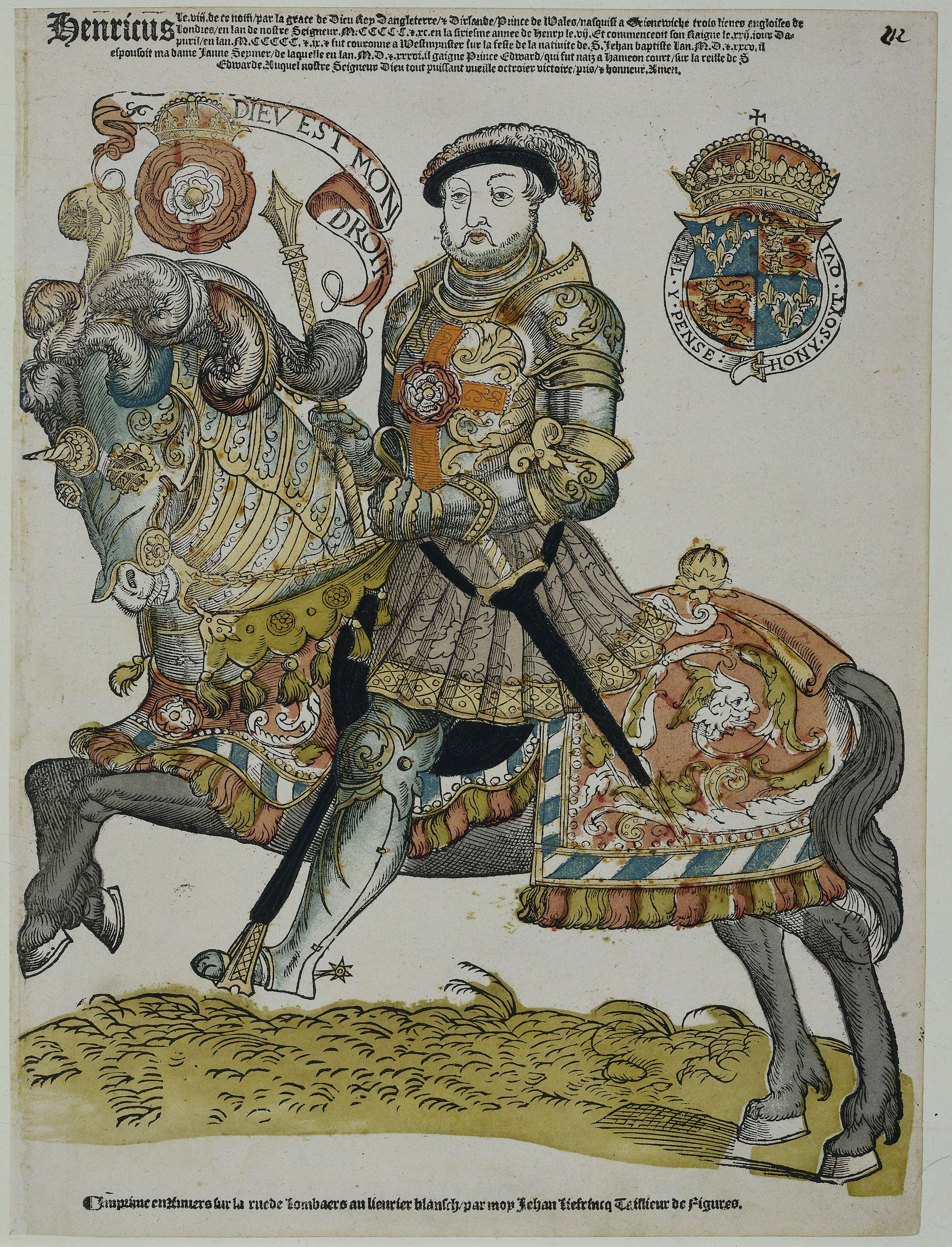
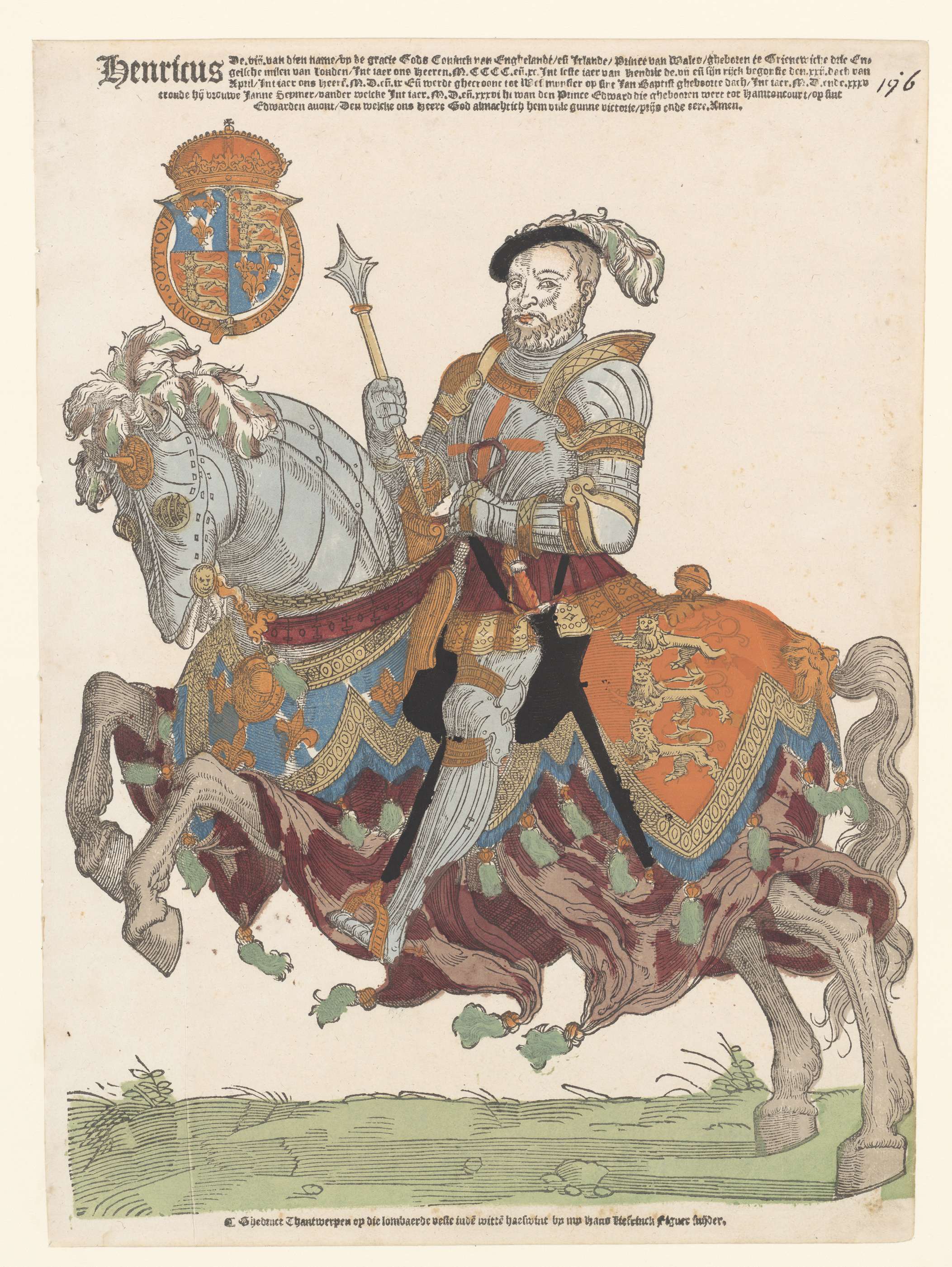
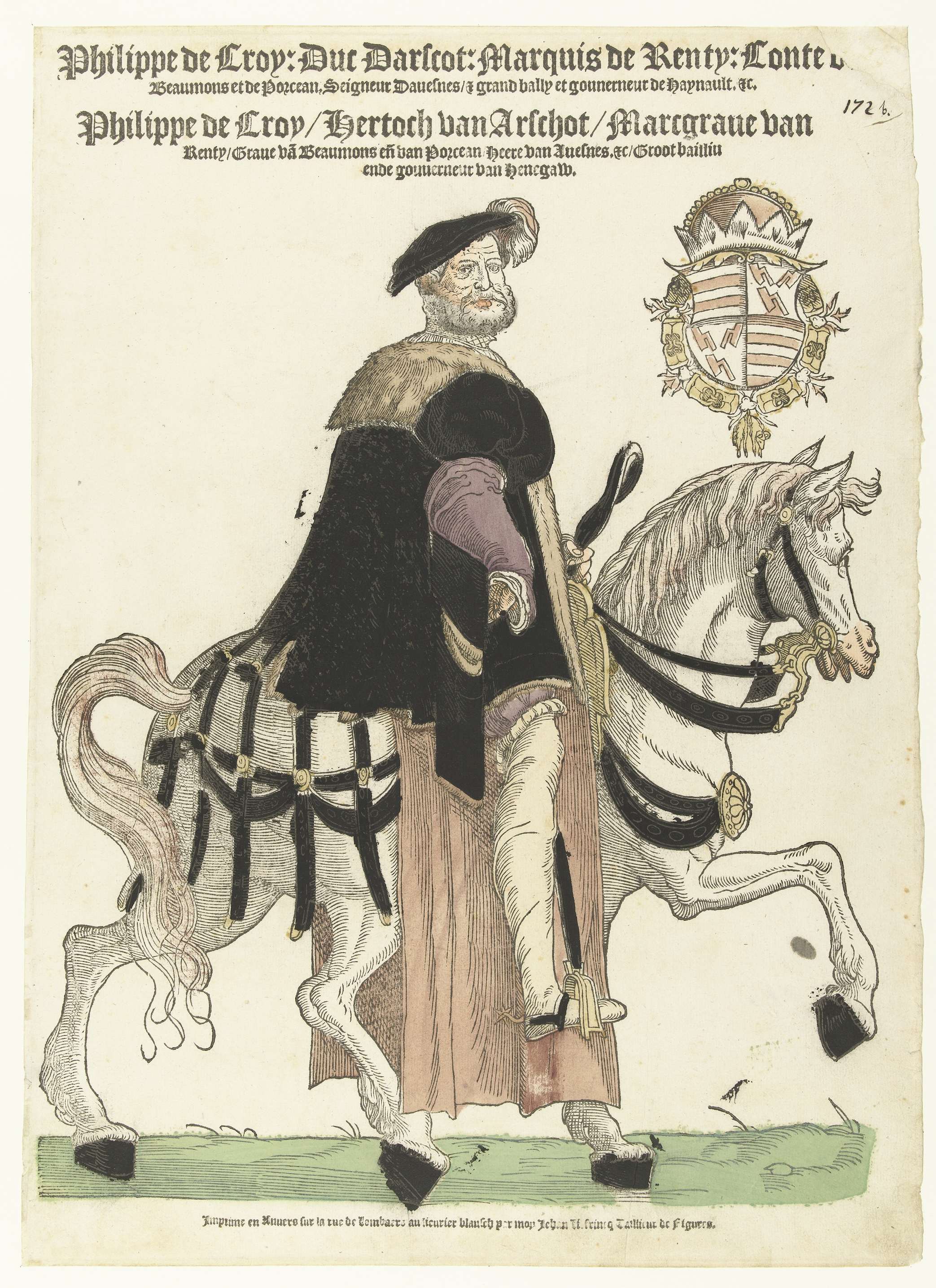
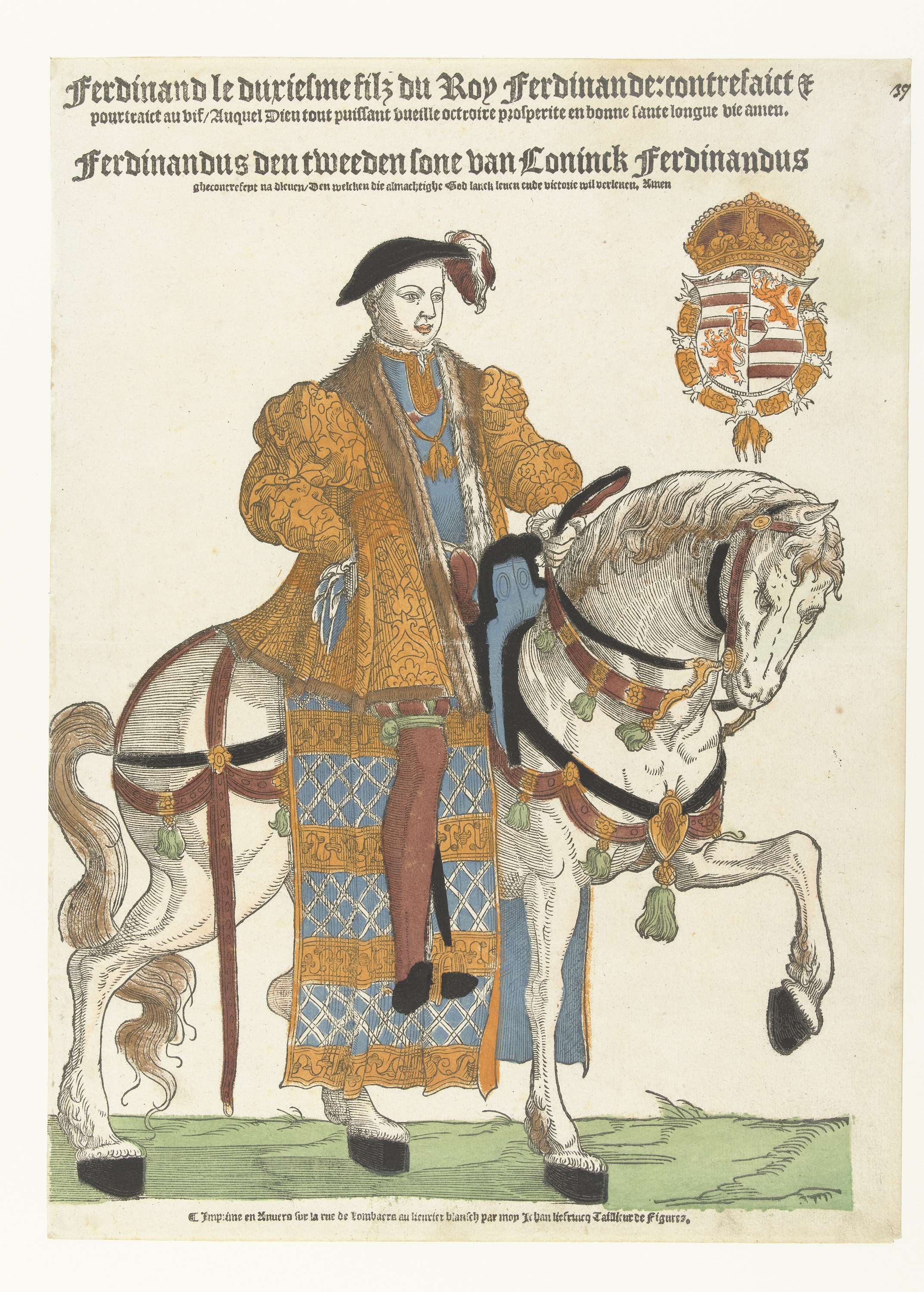
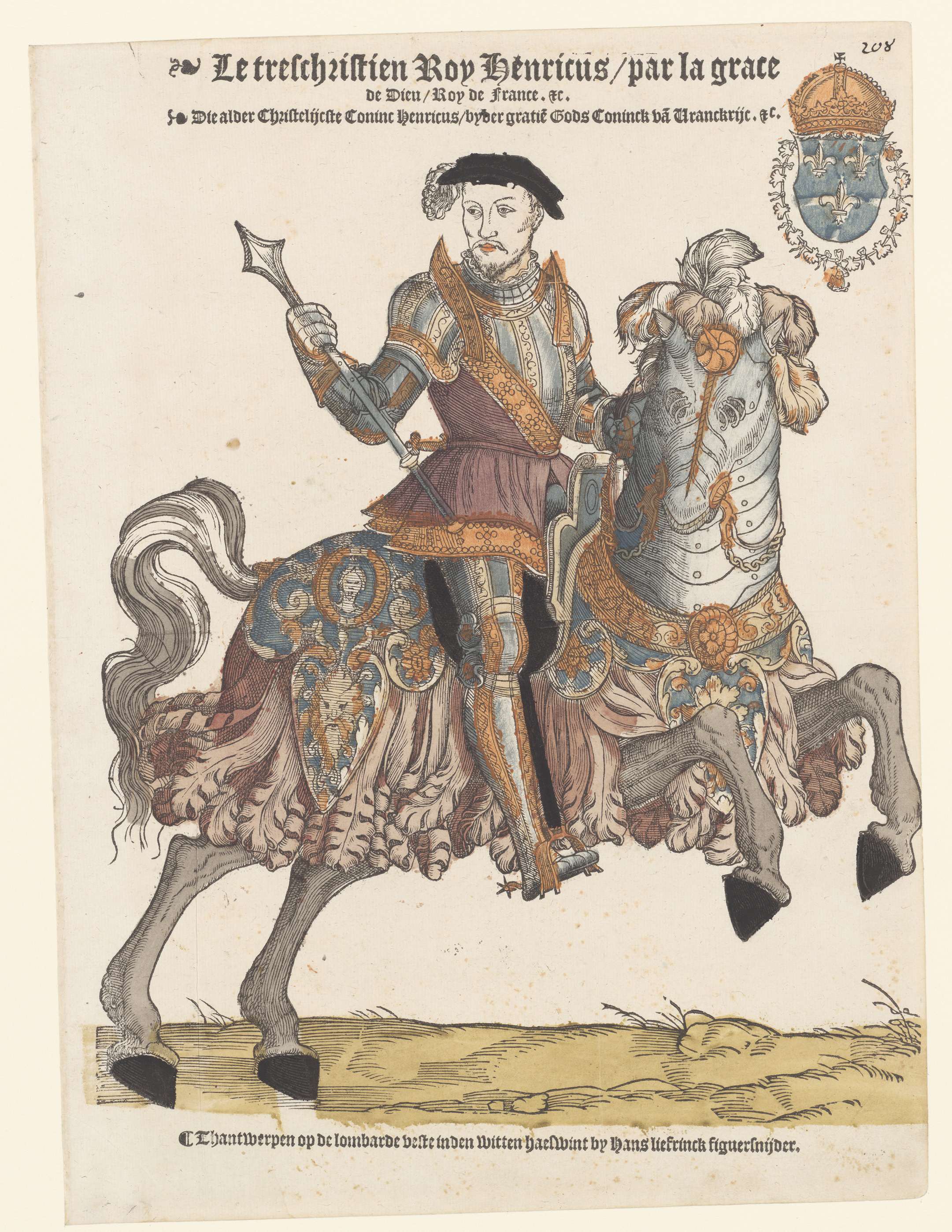
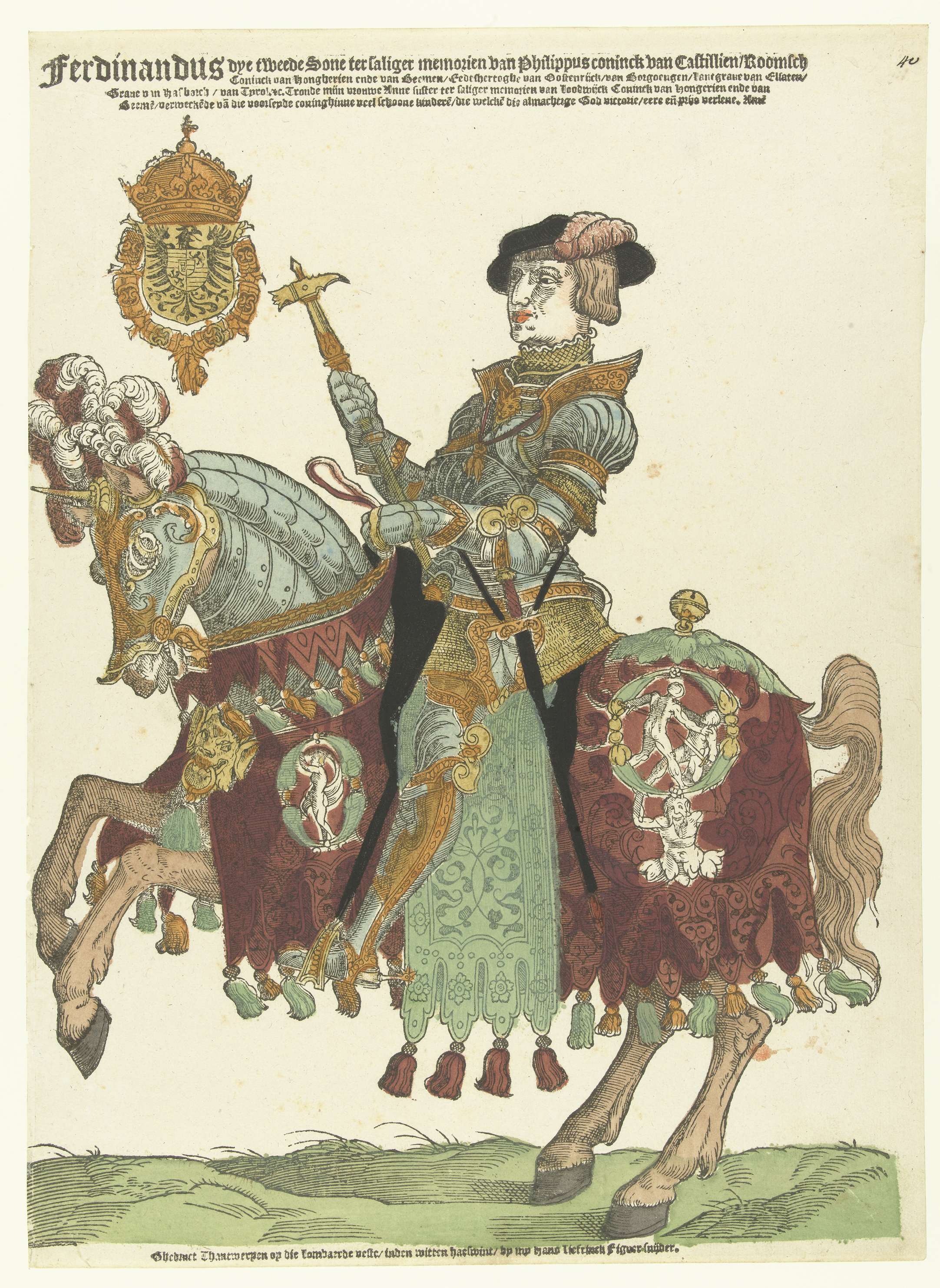
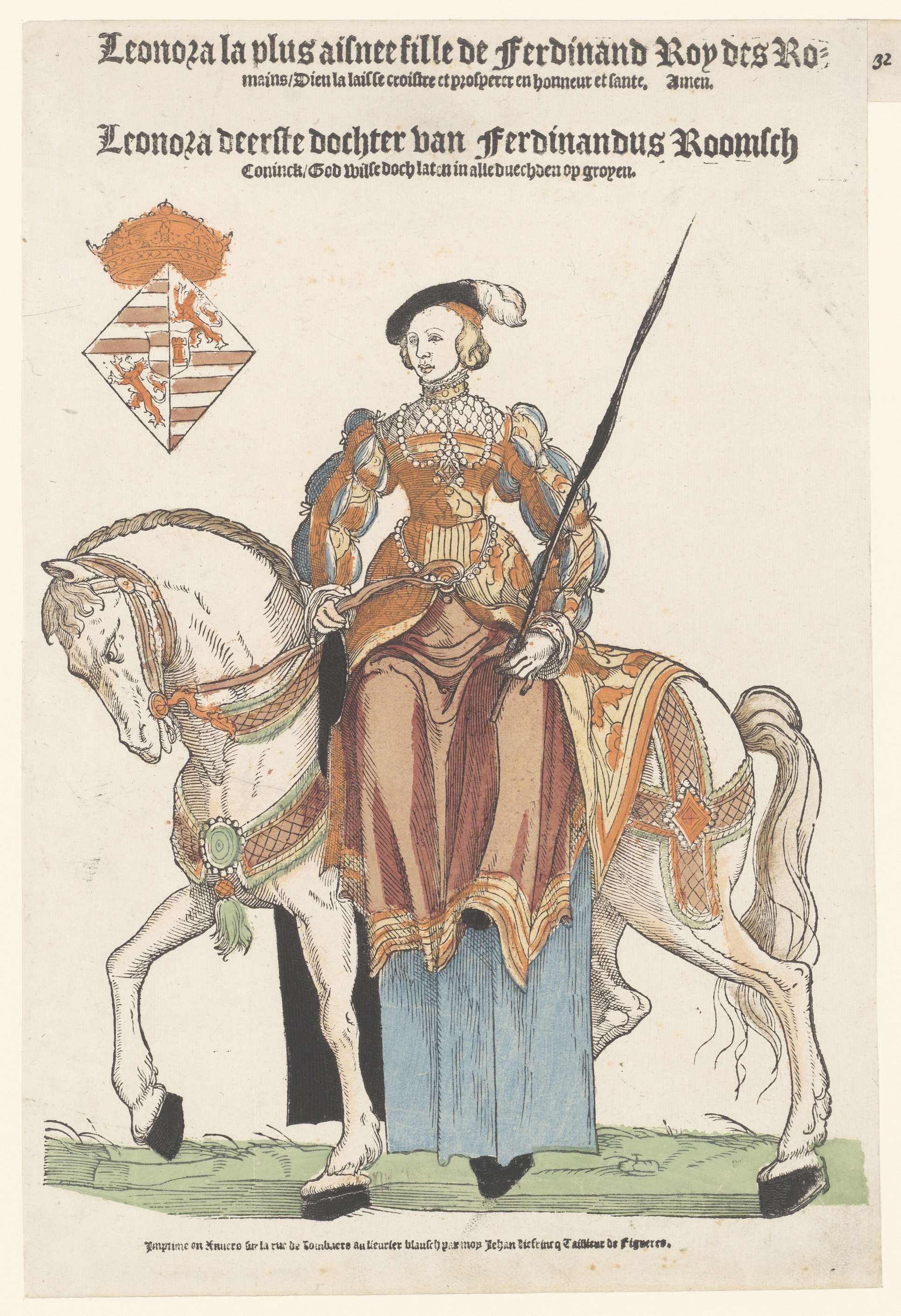
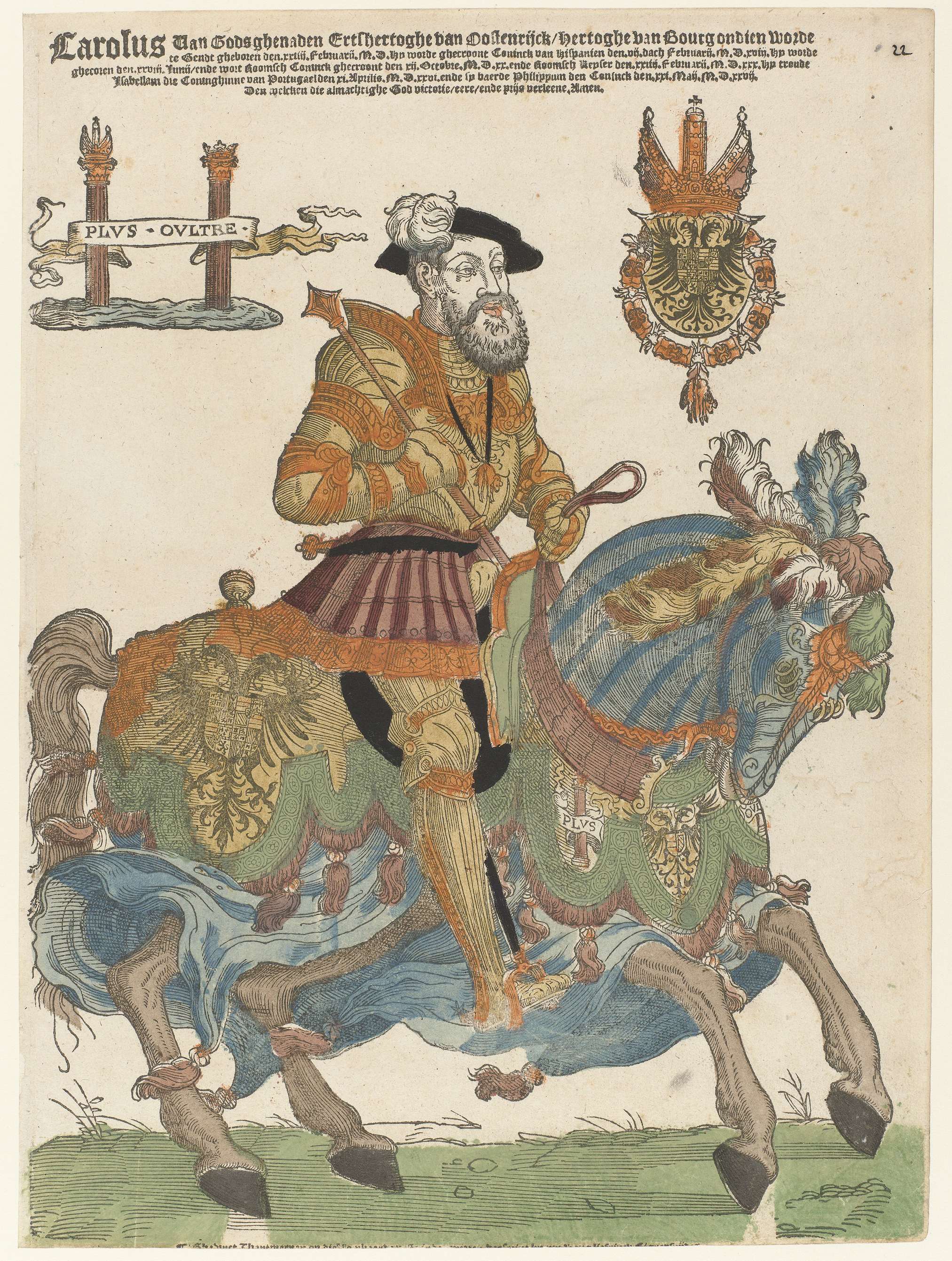
What secret hides in the quiet of the canvas? In Portret van Filips van Lalaing te paard, an unsettling tension dances between honor and betrayal, encapsulated within the stillness of the moment. Focus first on the noble figure of Filips van Lalaing, proudly perched atop his steed. The horse, a vivid chestnut, commands attention with its muscular build and alert stature. Notice the intricate detailing on both the horse's bridle and the knight's armor, glinting with light, suggesting a meticulously crafted image of power and prestige.
The rich hues of deep blues and golds in van Lalaing's attire contrast strikingly with the muted backdrop, enhancing his presence against a landscape that appears almost distant and dreamlike. Yet, the painting whispers of underlying complexities. The proud posture of the knight only partially obscures the tension in his expression — a slight furrow of his brow hints at an unspoken burden. Around his waist hangs a sword, its hilt prominently displayed, a symbol not just of valor but of the potential for treachery in a world where allegiances shift like shadows.
The juxtaposition of the gallant horse and the warrior encapsulates a moment frozen between glory and the precarious threat of betrayal that looms ever-present. Liefrinck painted this portrait between 1544 and 1555, a period marked by political intrigue and shifting loyalties in the Low Countries. As a court painter, he navigated a complex landscape of power dynamics and personal relationships. Created during the rise of the Habsburgs and their tightening grip on Flanders, the work reflects both the ideals of chivalry and the possibility of deception lurking beneath the surface of knightly honor.