Portret van Frans I van Frankrijk — History & Analysis
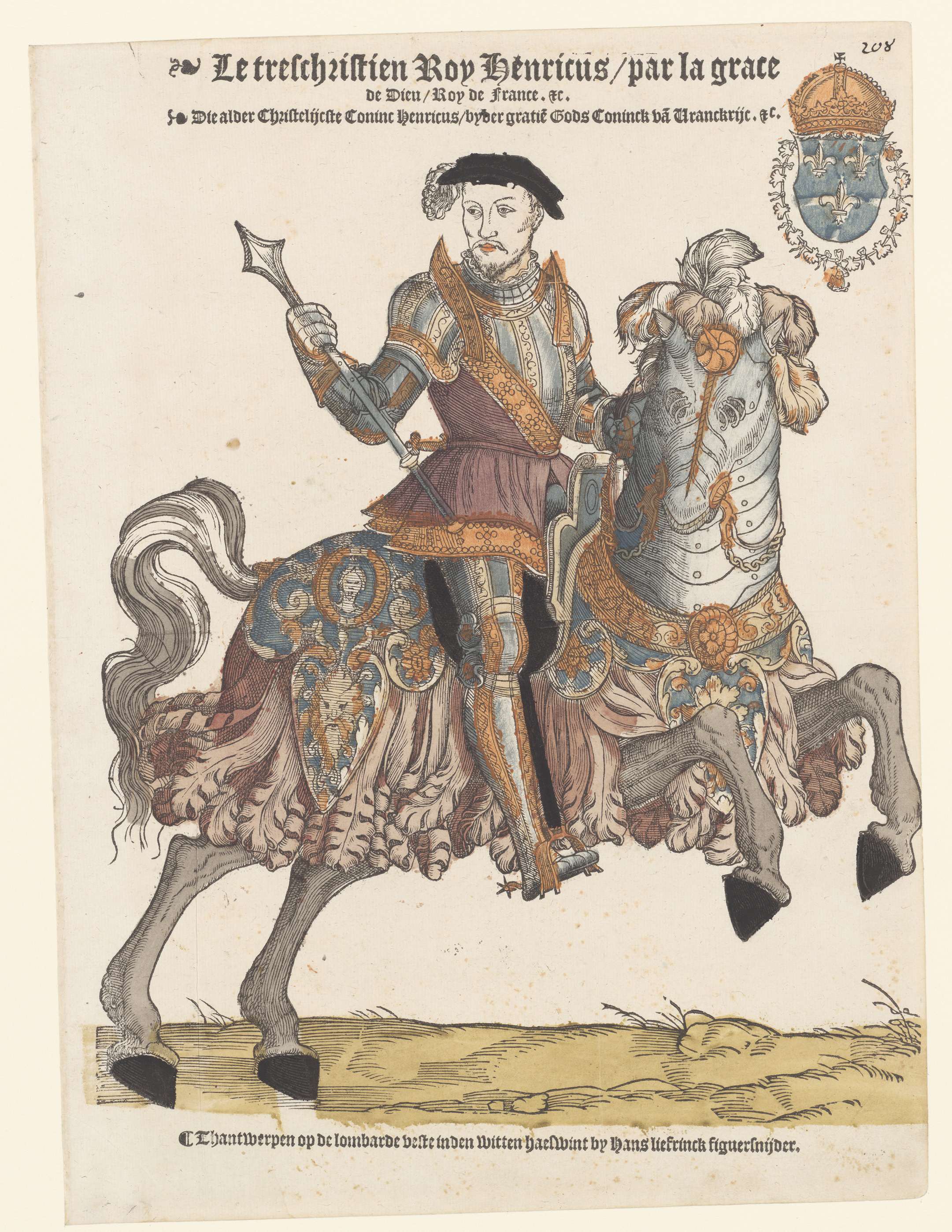
Could a single brushstroke hold eternity? In the delicate oil on wood of Portret van Frans I van Frankrijk, one can almost touch the passage of time itself, suspended within the confines of art. Look closely at the regal figure; your gaze should first settle on the king's azure cloak, a rich tapestry that gleams with the mastery of Liefrinck’s brush. Notice how the deep shadows and highlights dance across the fabric, creating a sense of depth and opulence. As your eyes wander upwards, the king’s expression draws you in — his calm, contemplative demeanor framed by intricately detailed hair and a soft ruff.
The subtle play of light accentuates his noble features, breathing life into the historical figure captured in this moment. Yet beneath the surface, tensions emerge. The softness of his gaze suggests both wisdom and weariness, hinting at the burdens of leadership during a time of political strife. The contrast between the rich colors and the somber expression reflects the duality of power: the glory that comes with a crown, tempered by the solitude of rule.
Each detail, from the ornate collar to the texture of his skin, serves as a reminder that beneath every facade lies a complex human story, intimately linked to the passage of time. Hans Liefrinck (I) crafted this portrait in 1539, during a period rich in political intrigue and artistic transformation in Europe. Working in Antwerp, he was influenced by the burgeoning Northern Renaissance, where portraiture flourished as a means to convey not just likeness, but character and status. In a world shifting towards humanism, the artist captured not only a ruler but also the very essence of an era, forever enshrined on this panel.