Portret van hertog Willem van Kleef, Gulik en Berg, graaf van Mark, heer van Ravenstein — History & Analysis
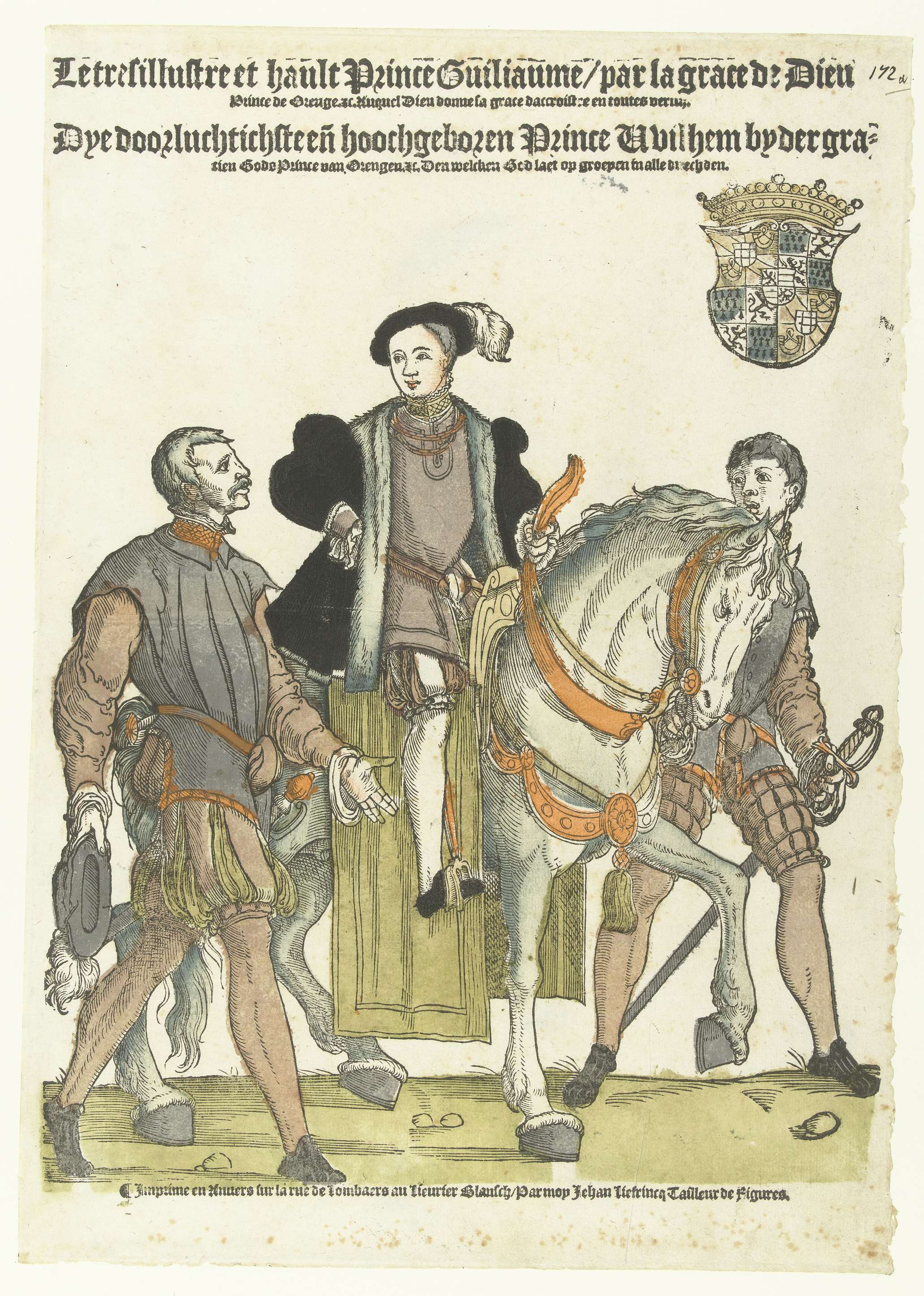
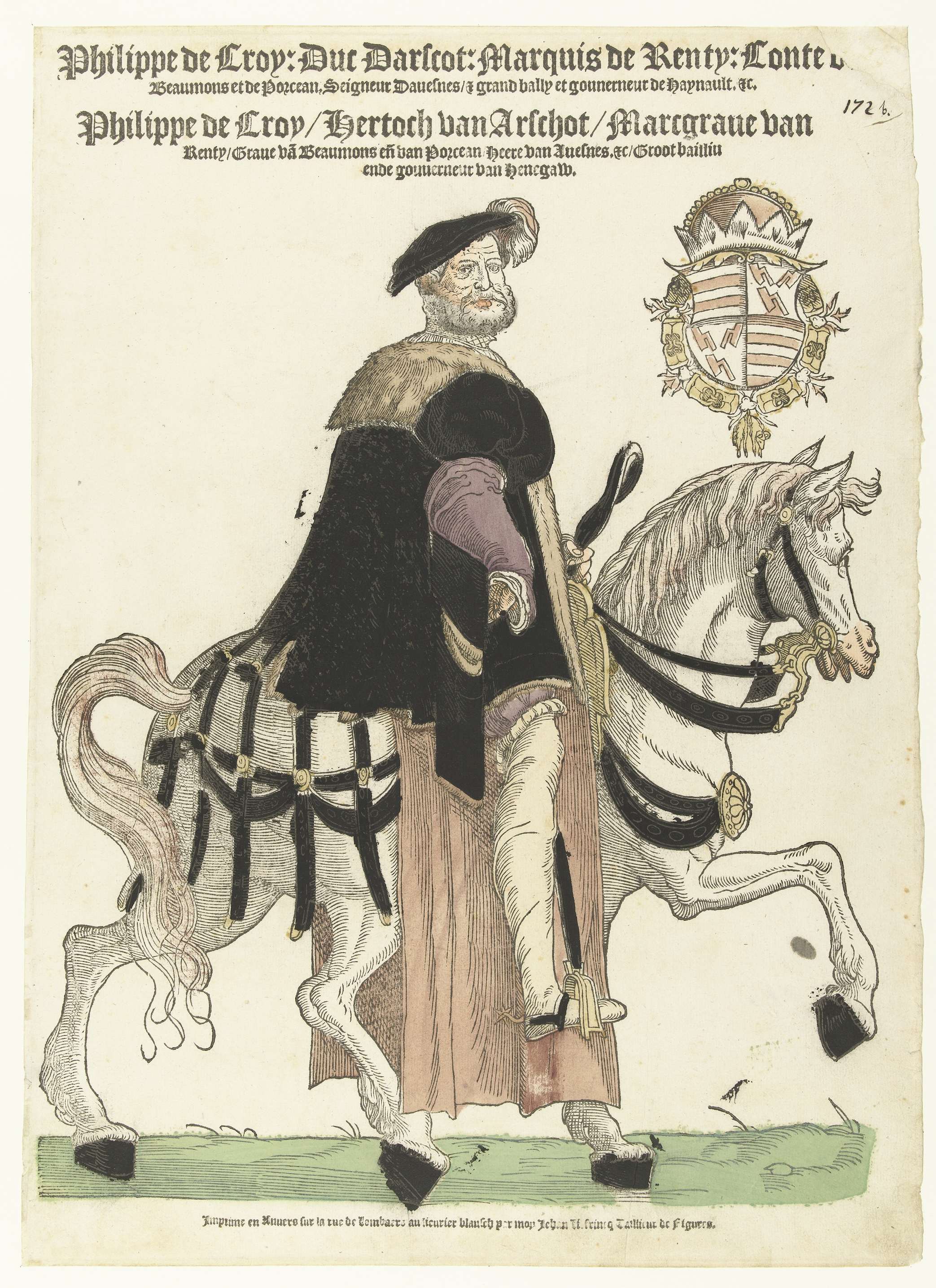
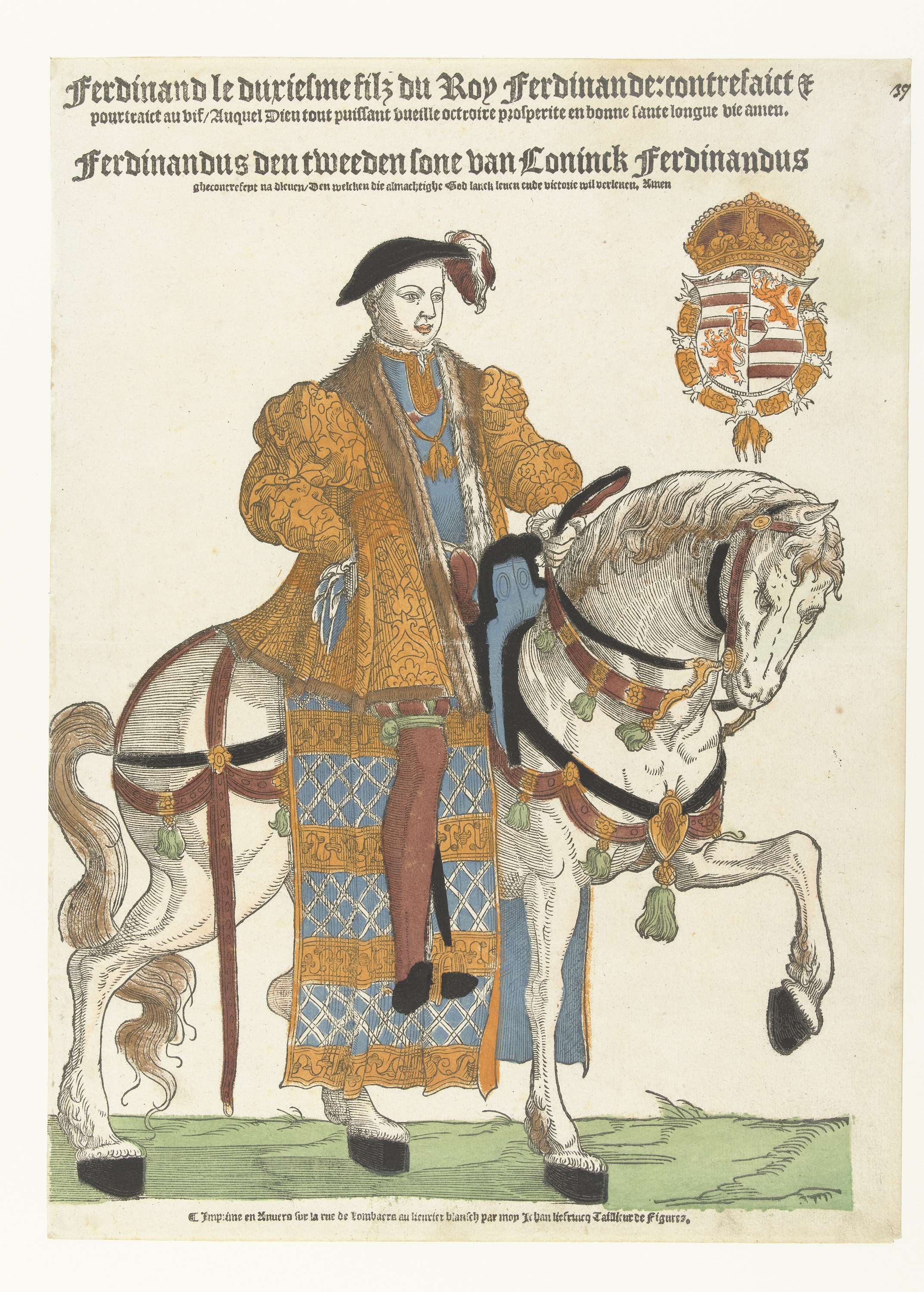
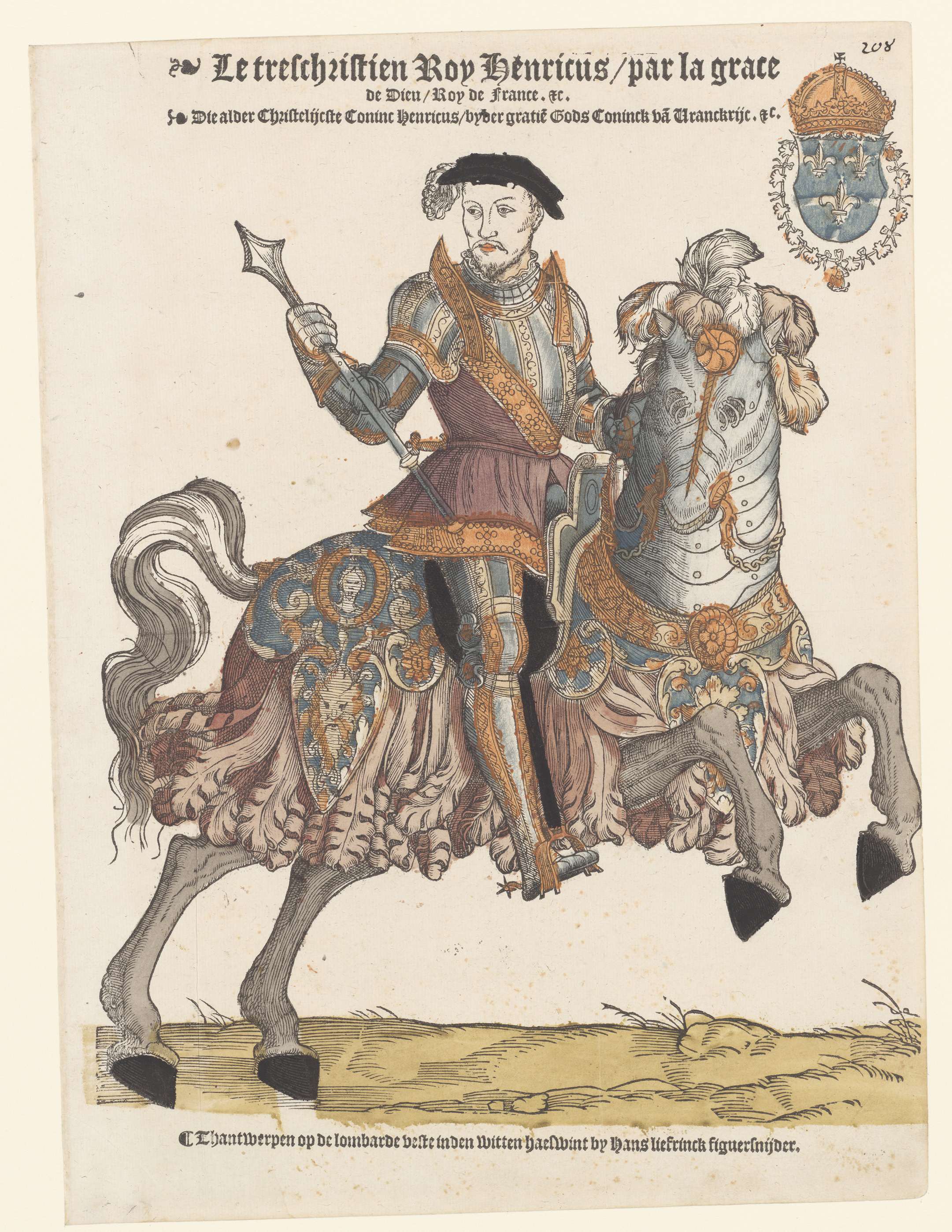
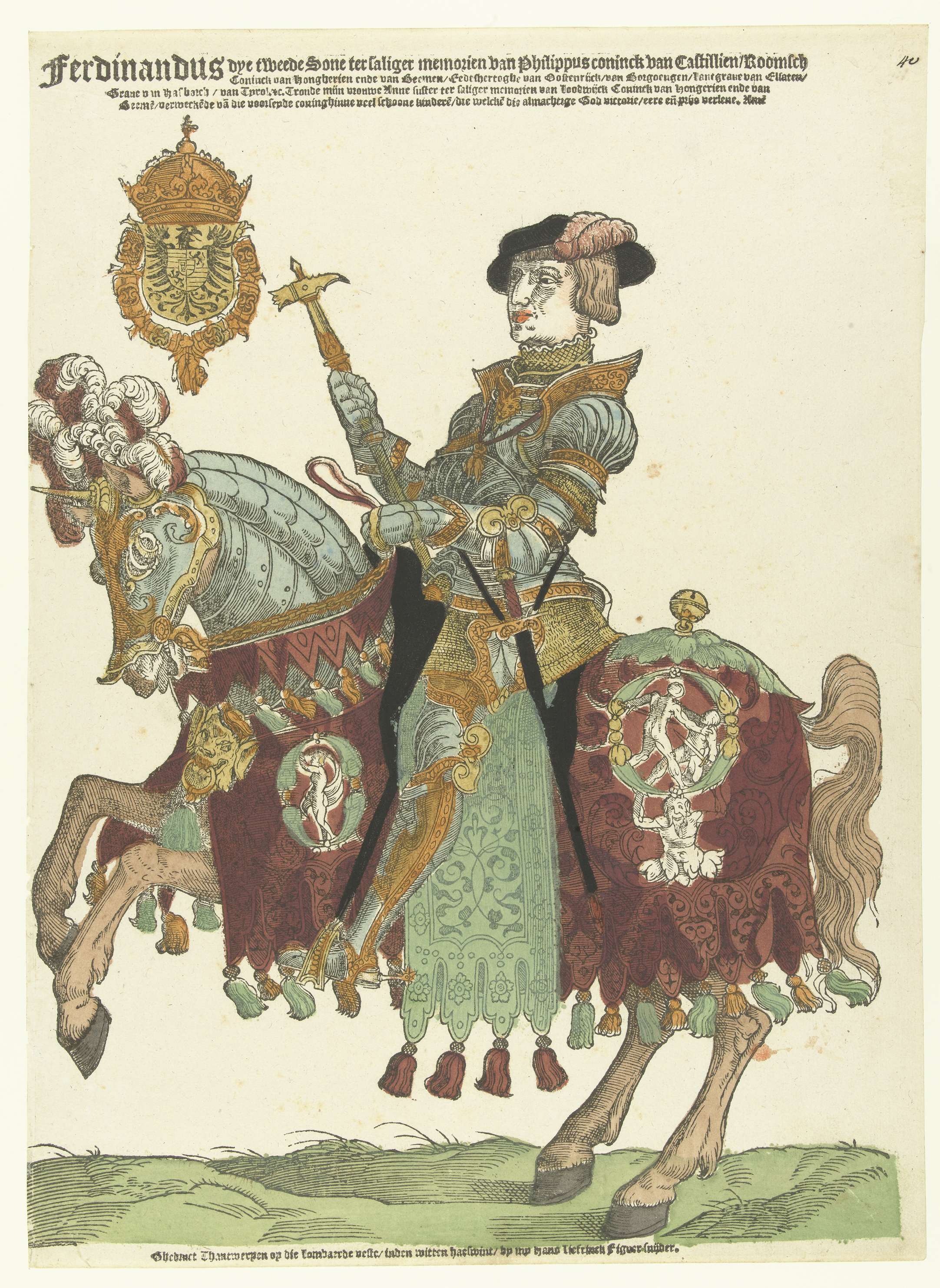
Who listens when art speaks of silence? In Portret van hertog Willem van Kleef, Gulik en Berg, graaf van Mark, heer van Ravenstein, we encounter a figure shrouded in stillness, where beauty becomes a vessel for unspoken stories. Look to the left of the canvas to find the duke, his posture dignified yet relaxed, framed by a rich tapestry that invokes a sense of nobility. The deep, earthy tones juxtaposed with the glint of metallic embellishments in his attire draw the eye, demonstrating Liefrinck’s mastery in rendering texture.
Notice how the light delicately highlights the contours of his face, casting shadows that lend depth to his expression—both thoughtful and enigmatic, inviting viewers to ponder the weight of his thoughts. Delve deeper into the painting, and you’ll discover contrasts that echo the complexities of power. The somber background suggests a world filled with responsibilities, while the duke's attire, luxurious yet restrained, speaks to the burden of privilege. The decorative elements around him subtly hint at his lineage, yet his gaze is directed beyond the viewer, suggesting introspection and a longing for connection beyond the confines of his title.
Hans Liefrinck (I) painted this work during a prolific period in the mid-16th century, likely in the Netherlands. At this time, he was establishing himself among the era's notable portraitists, navigating the shifting tides of political alliances and cultural transformations. This portrait not only captures an esteemed noble but also reflects the evolving relationship between identity and representation within the art world of the time.