Pré et arbres — History & Analysis
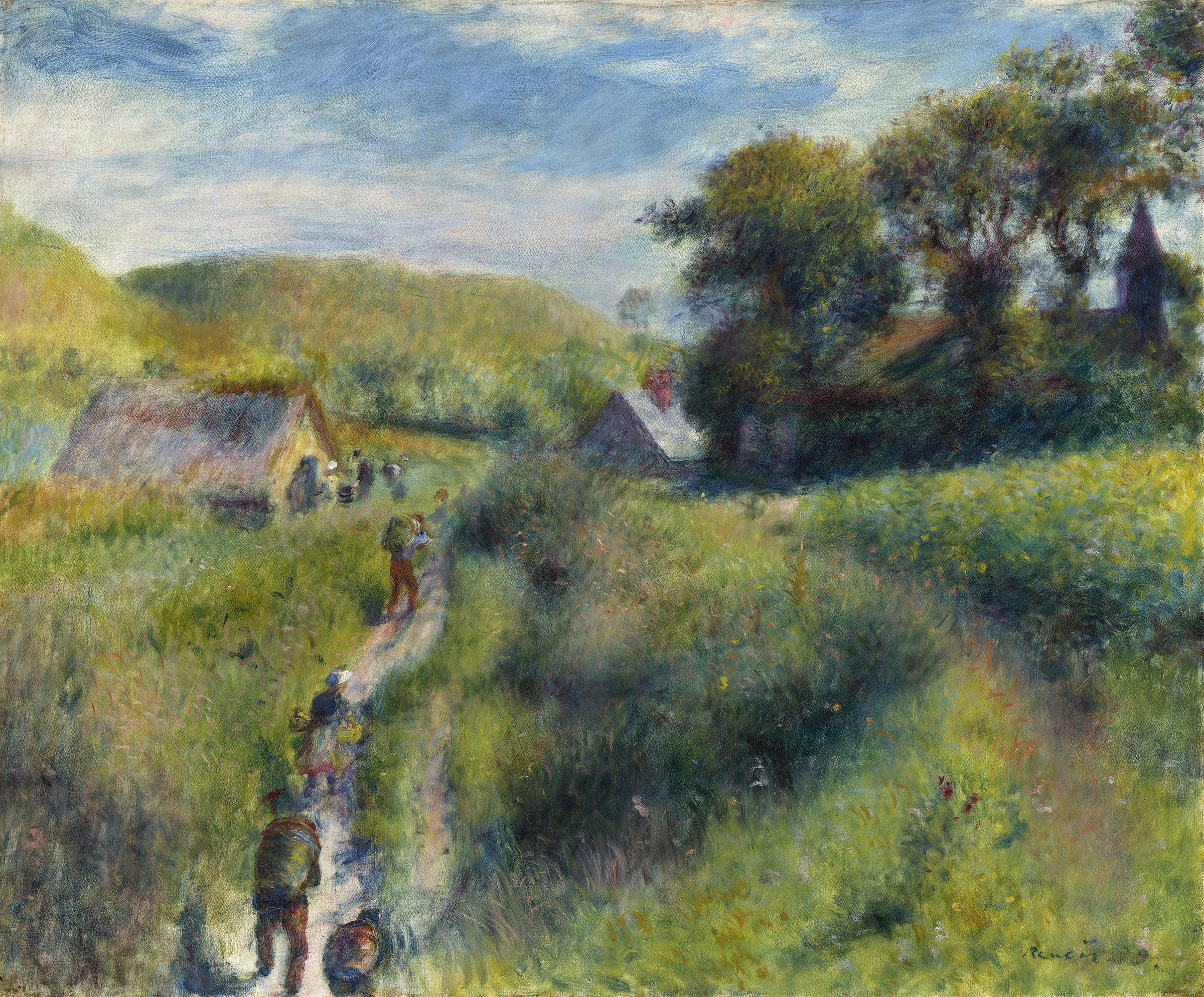
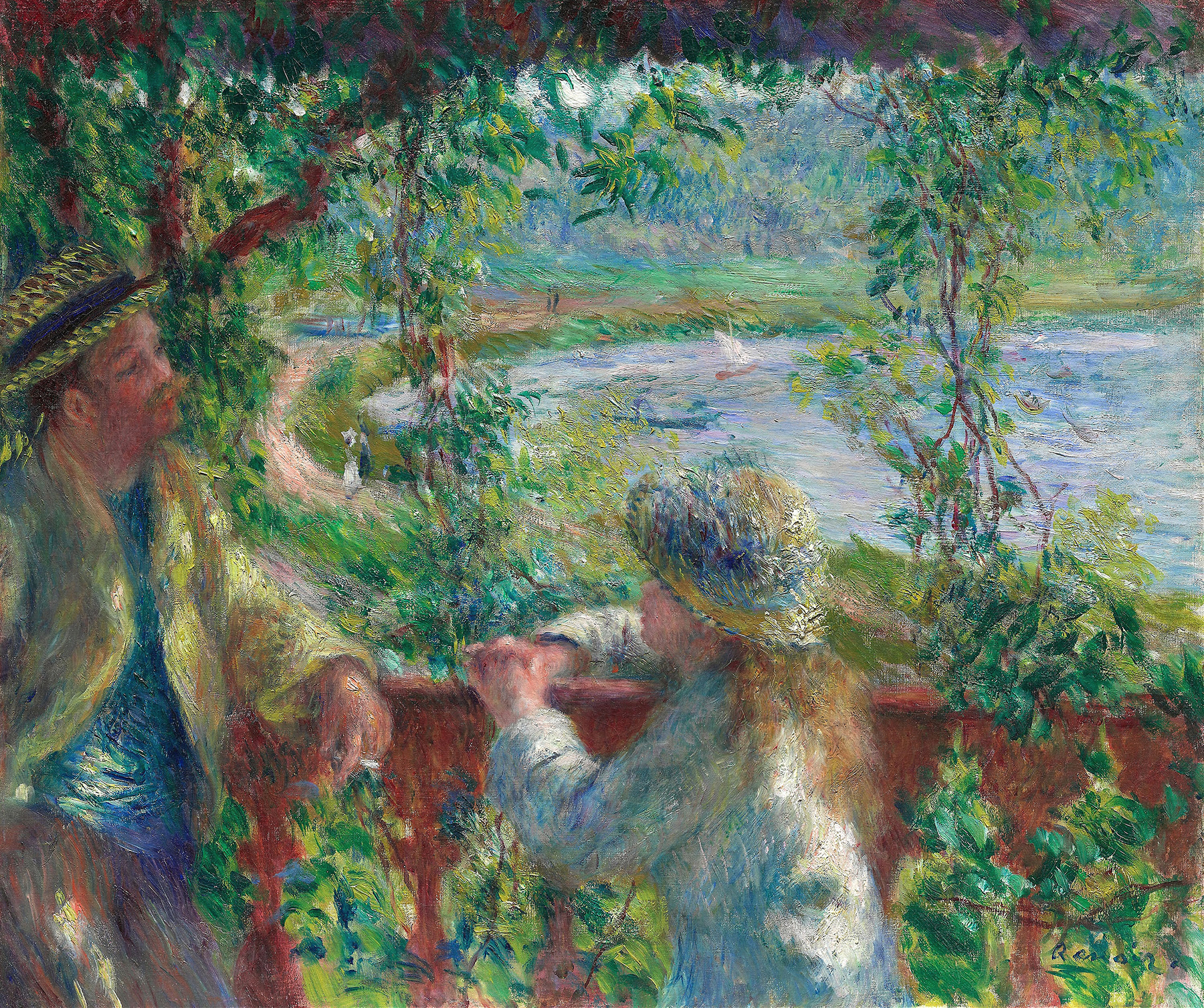
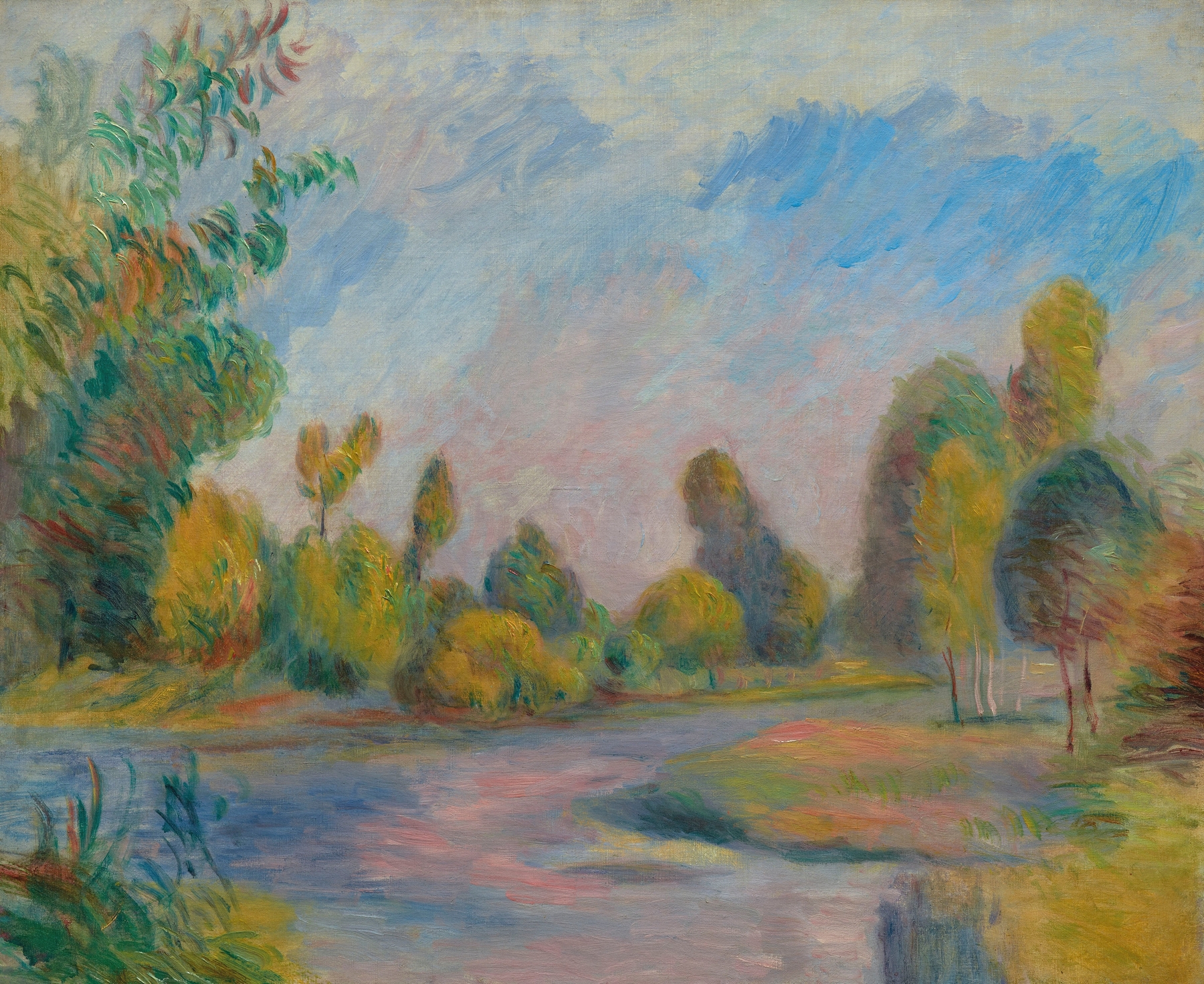
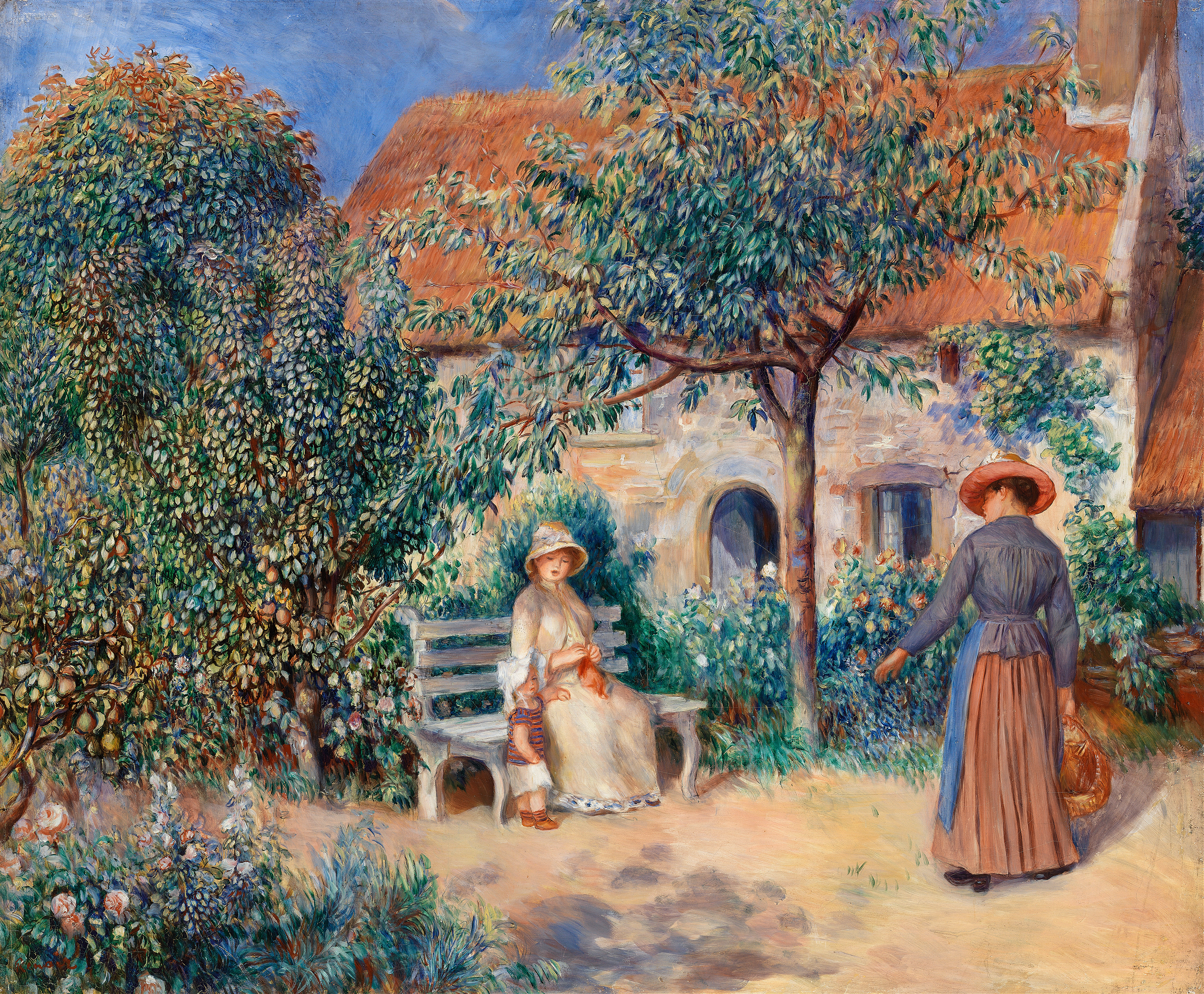
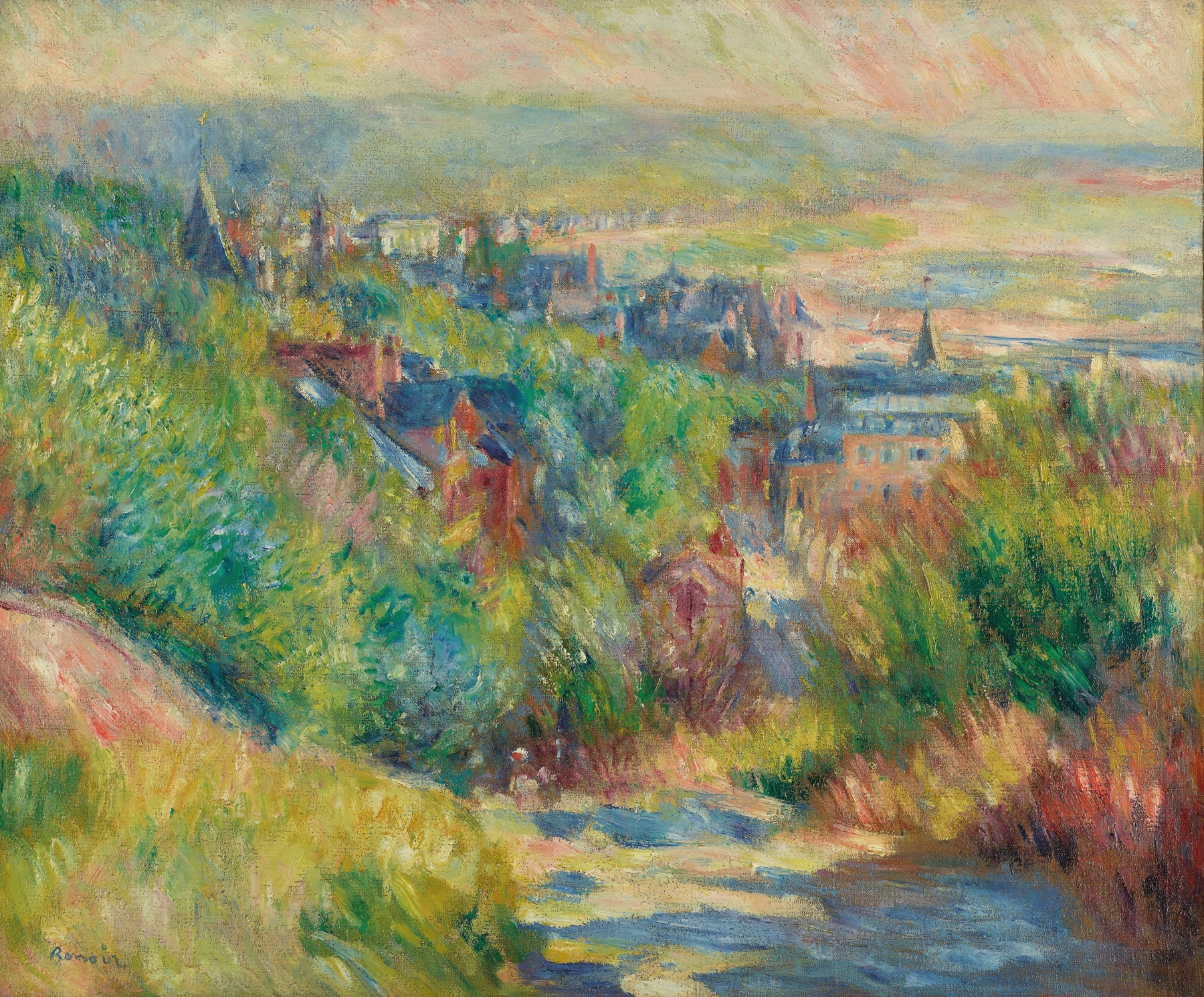
What if silence could speak through light? In Pré et arbres, the soft embrace of nature reveals the profound stillness that underlies a momentary haven. Look to the foreground, where the earthy tones of the field converge with the vibrant greens of the trees. Notice how the dappled sunlight filters through the foliage, creating a gentle interplay of light and shadow. This technique illuminates the textures of the grass and the bark of the trees, inviting the viewer to step into this serene landscape.
The composition invites the eye to dance along the horizon, where the interplay of warm and cool colors enhances the sense of depth, drawing you into a tranquil world. Beneath the surface, contrasts emerge between the lively hues of nature and the quietude they embody. The light symbolizes revelation, suggesting hidden joys found in the simplicity of the outdoors. The trees stand as sentinels of time, their presence evoking a sense of continuity amidst the fleeting beauty of the scene.
The serenity captured in this piece speaks to a deeper longing for connection with the earth and its cyclical rhythms, echoing the tensions of modernity during Renoir's era. Created in 1893, this work emanates from a period when Renoir was deeply immersed in the Impressionist movement, reflecting his ongoing exploration of light and color. Nestled in the idyllic landscapes of France, he sought to capture fleeting moments of beauty against the backdrop of a rapidly changing world. At this time, the artist was also beginning to grapple with his own health issues, which added layers of introspection and urgency to his work, imbuing Pré et arbres with a deeper resonance.