Prague – Karlov — History & Analysis
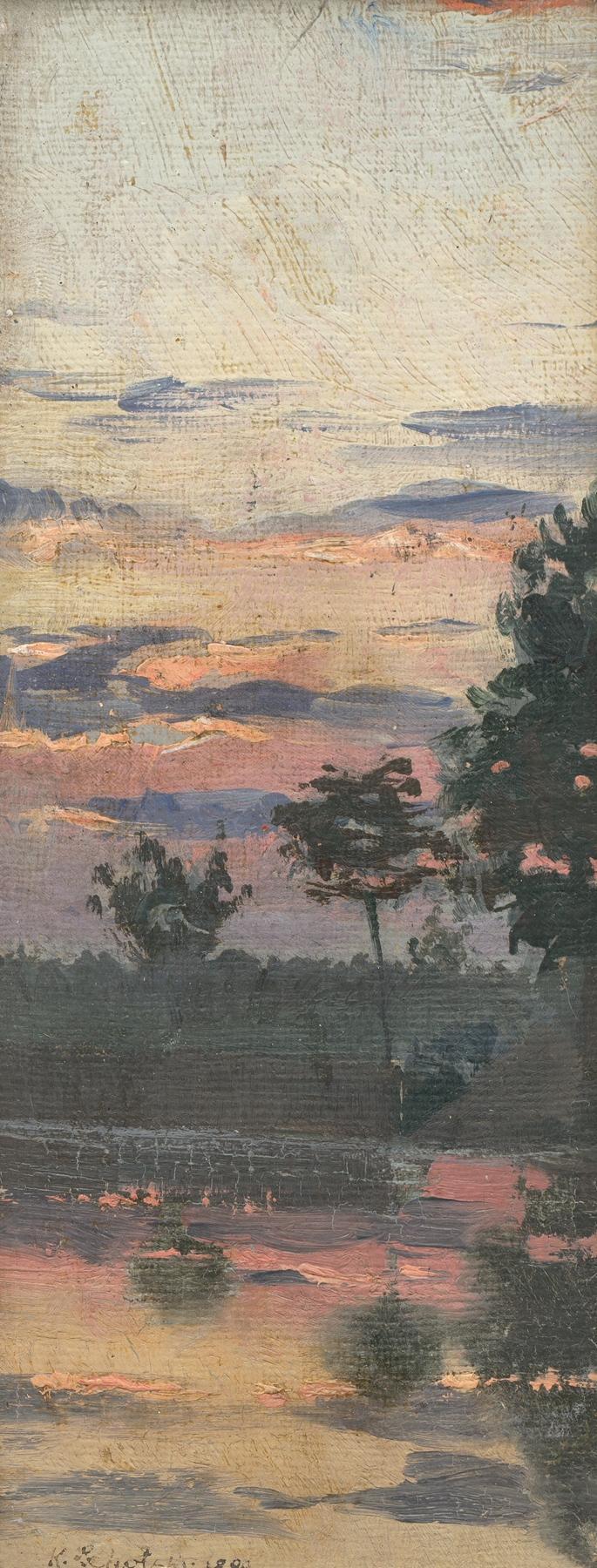
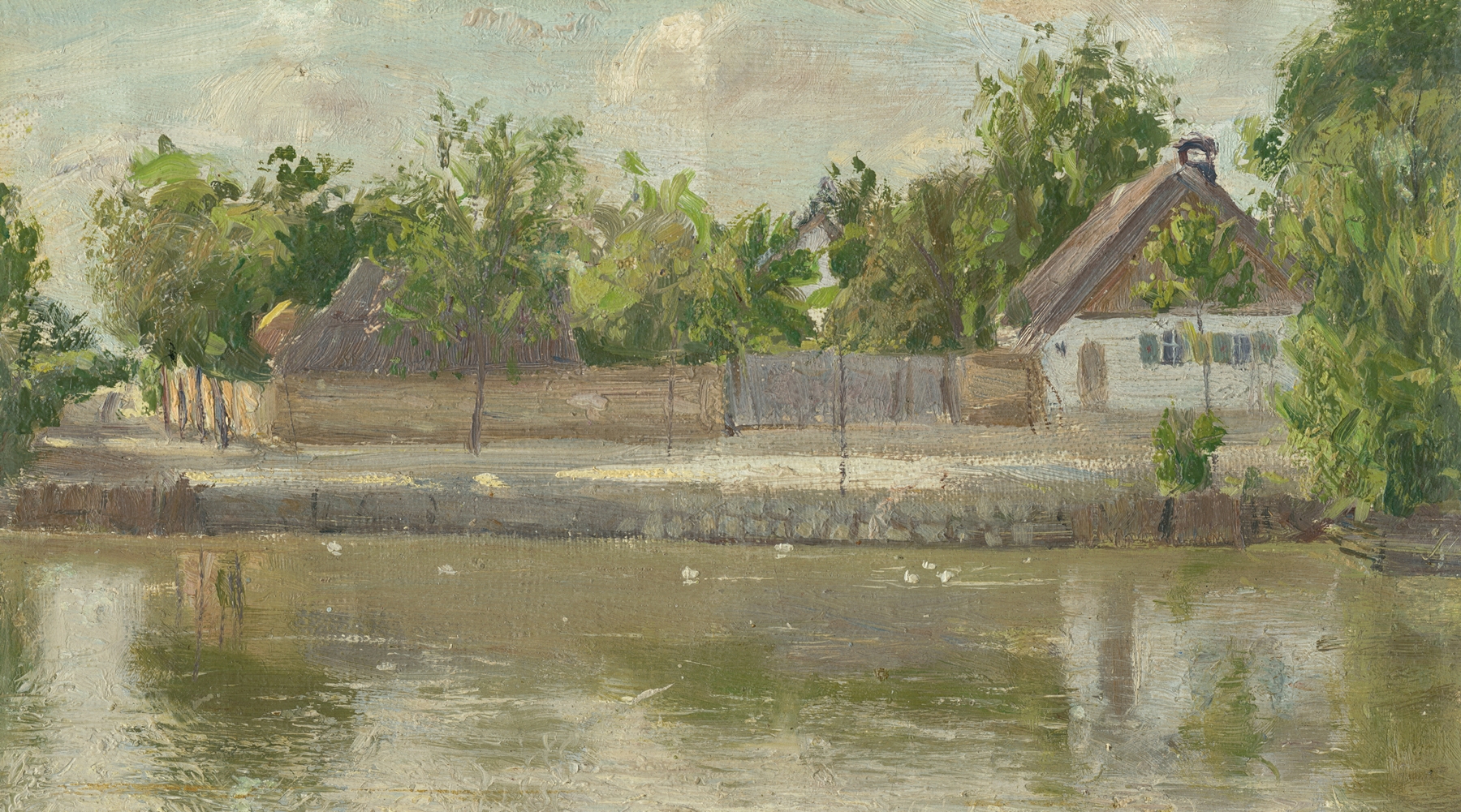
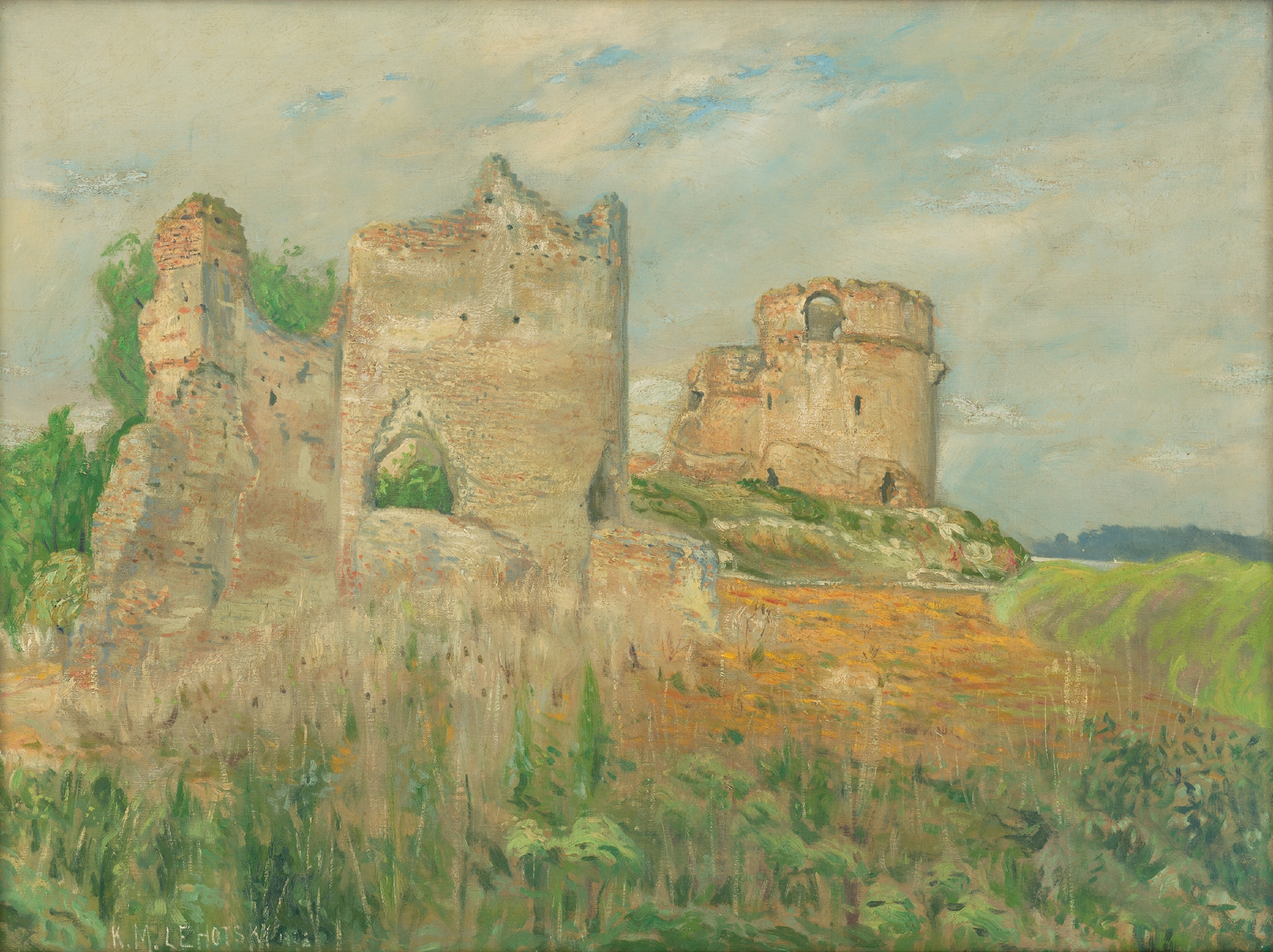
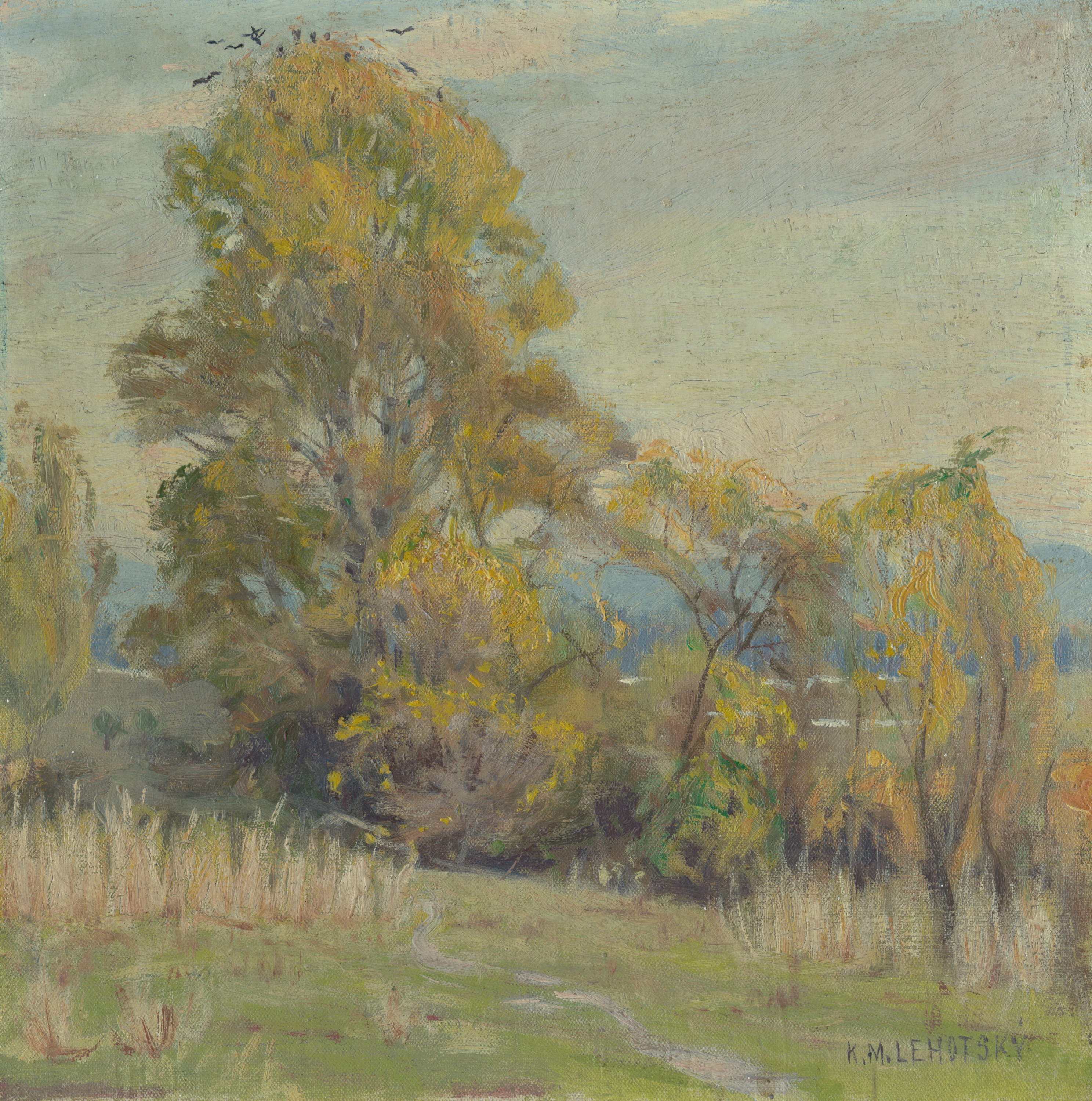
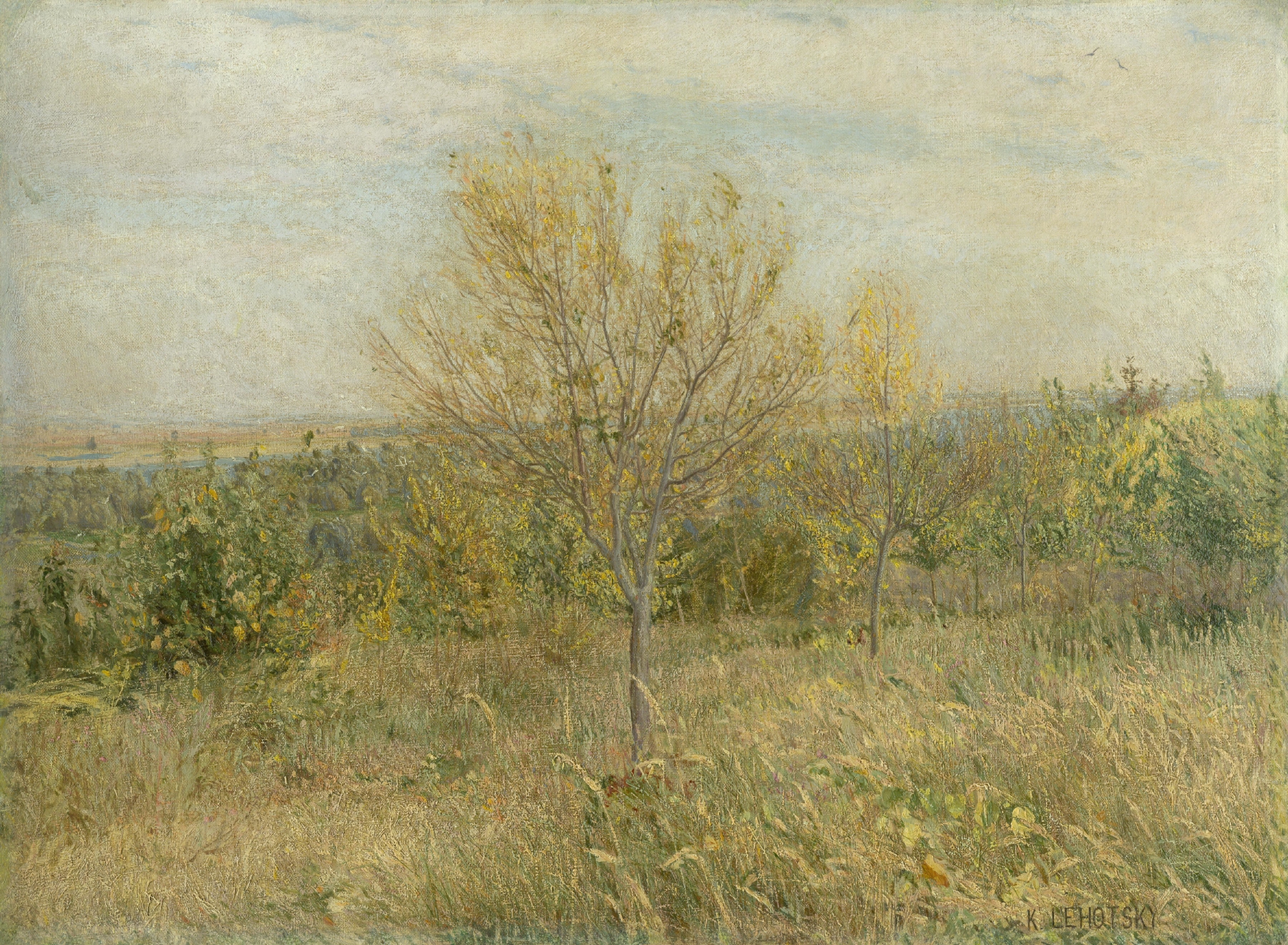
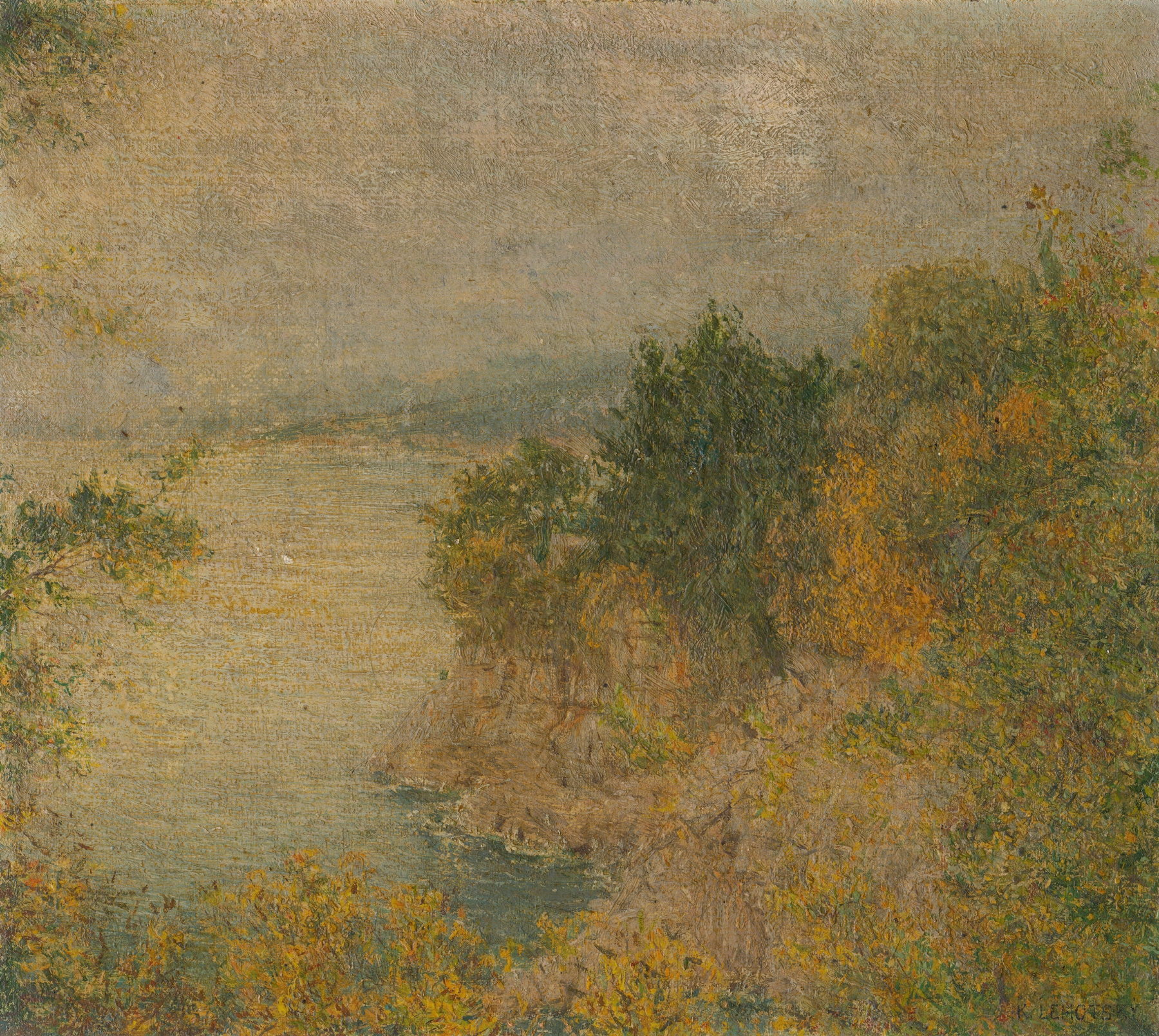
“To paint is to remember what time wants us to forget.” In a world that often overlooks the silent struggles of solitude, this artwork beckons with the weight of unspoken stories. Look to the left where the sprawling architecture stretches across the canvas, cloaked in the muted hues of dusk. The buildings stand like sentinels, tall and resolute, yet their facades are softened by the gentle embrace of twilight. Notice how the fading light plays delicately on the cobblestones below, creating a path that seems to lead nowhere, a metaphor for the journey of the soul.
Each brushstroke reveals meticulous attention to detail, conveying both the grandeur of the landscape and the ever-present undercurrent of isolation. As you absorb the scene, consider the contrasts Lehotský presents: the vibrancy of the city against the haunting absence of people. The shadows cast long across the street remind us of fleeting moments and what it means to feel invisible in a bustling world. The tension between the rich colors of the sunset and the cold, hard edges of the buildings speaks to the duality of existence—beauty intertwined with loneliness.
This juxtaposition invites introspection, urging the viewer to reflect on their own moments of solitude within the vibrant tapestry of life. In 1898, Karol Miloslav Lehotský painted this piece in Prague, a city undergoing significant transformation as it embraced modernity. Amidst personal struggles and a burgeoning art scene infused with nationalism, he sought to capture the essence of his surroundings. At this juncture, the artist blended impressionism with a unique sensibility, allowing his work to resonate deeply with the themes of memory and solitude that would characterize much of his oeuvre.