Autumn Landscape — History & Analysis
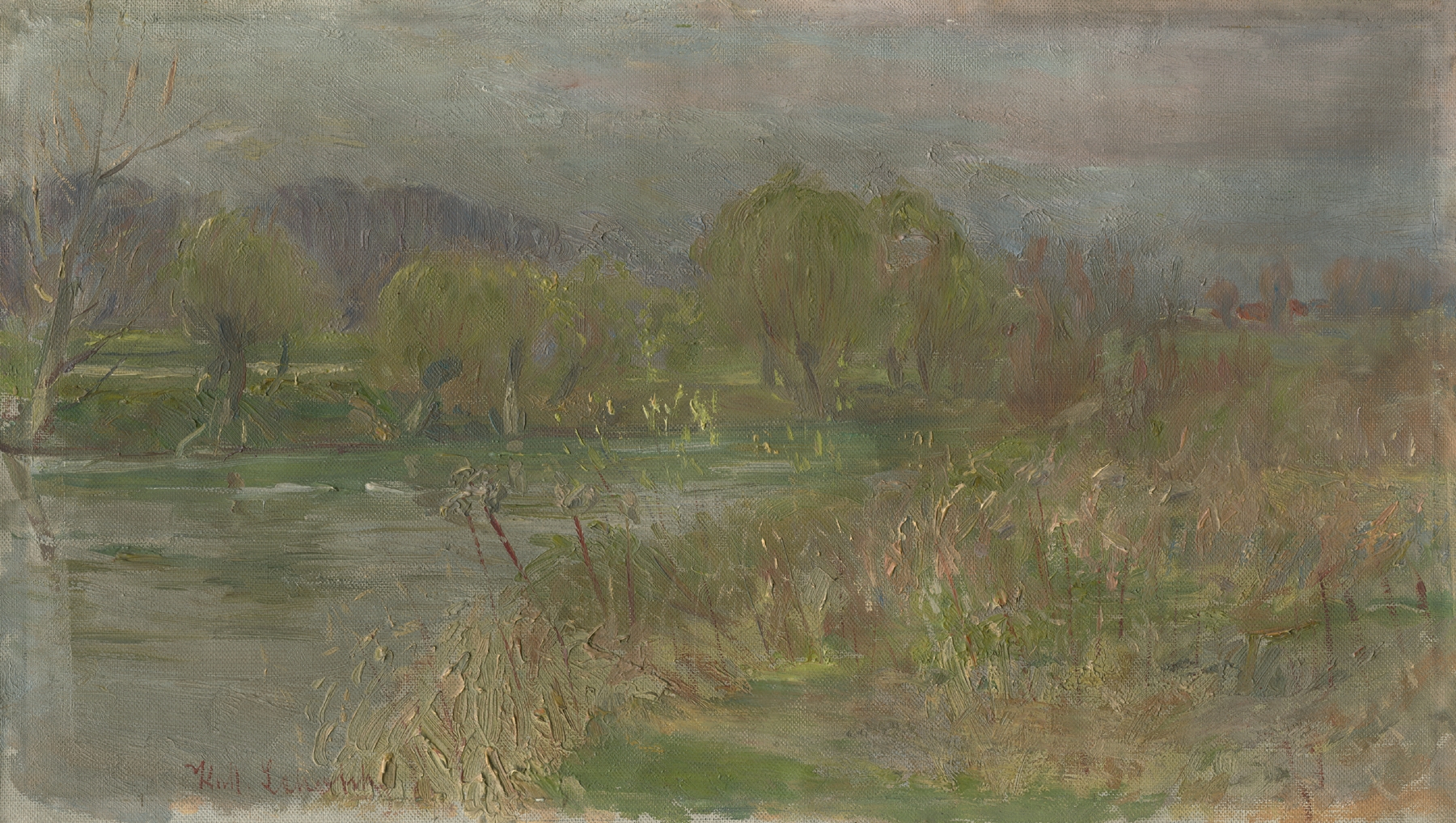
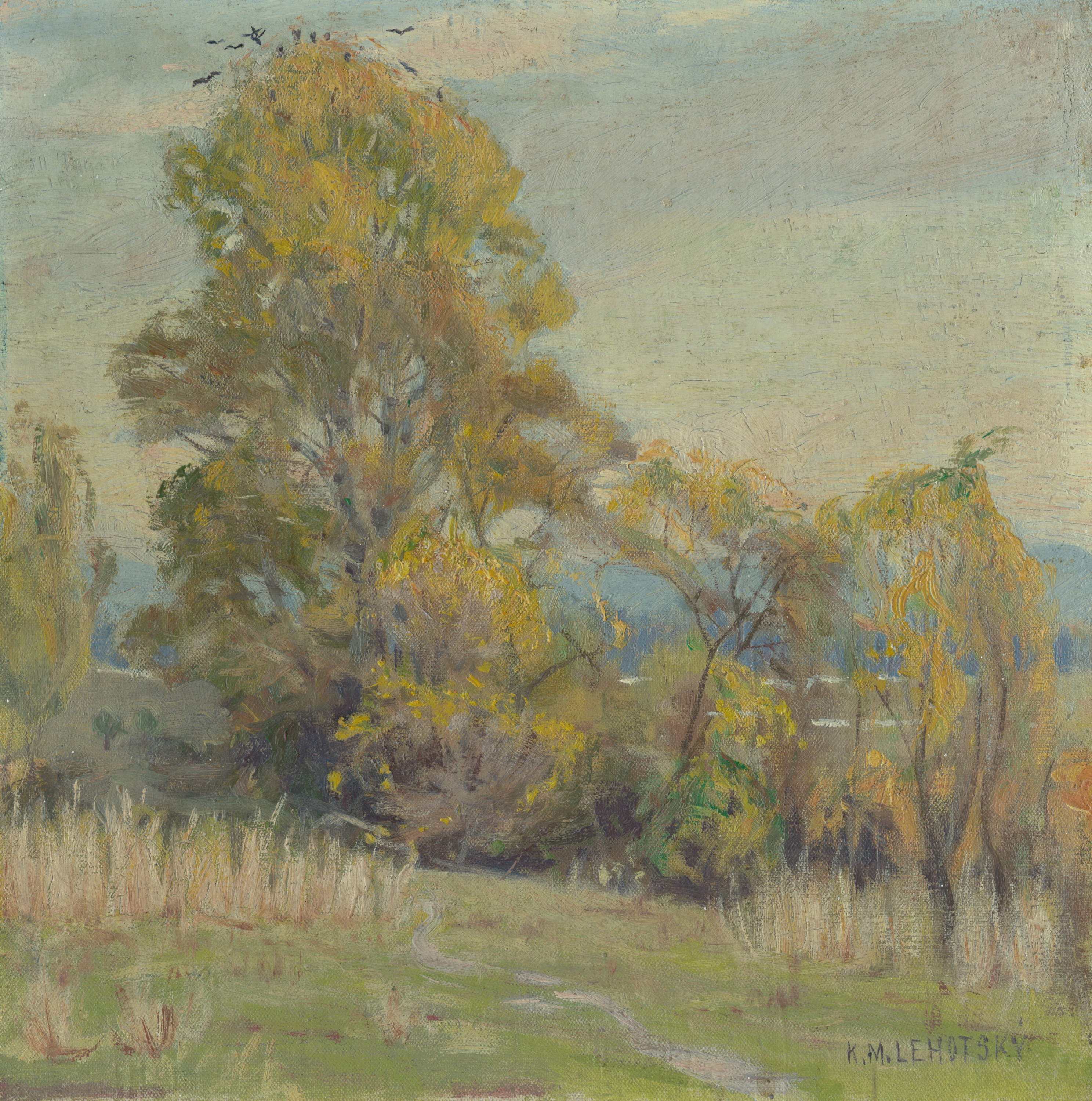
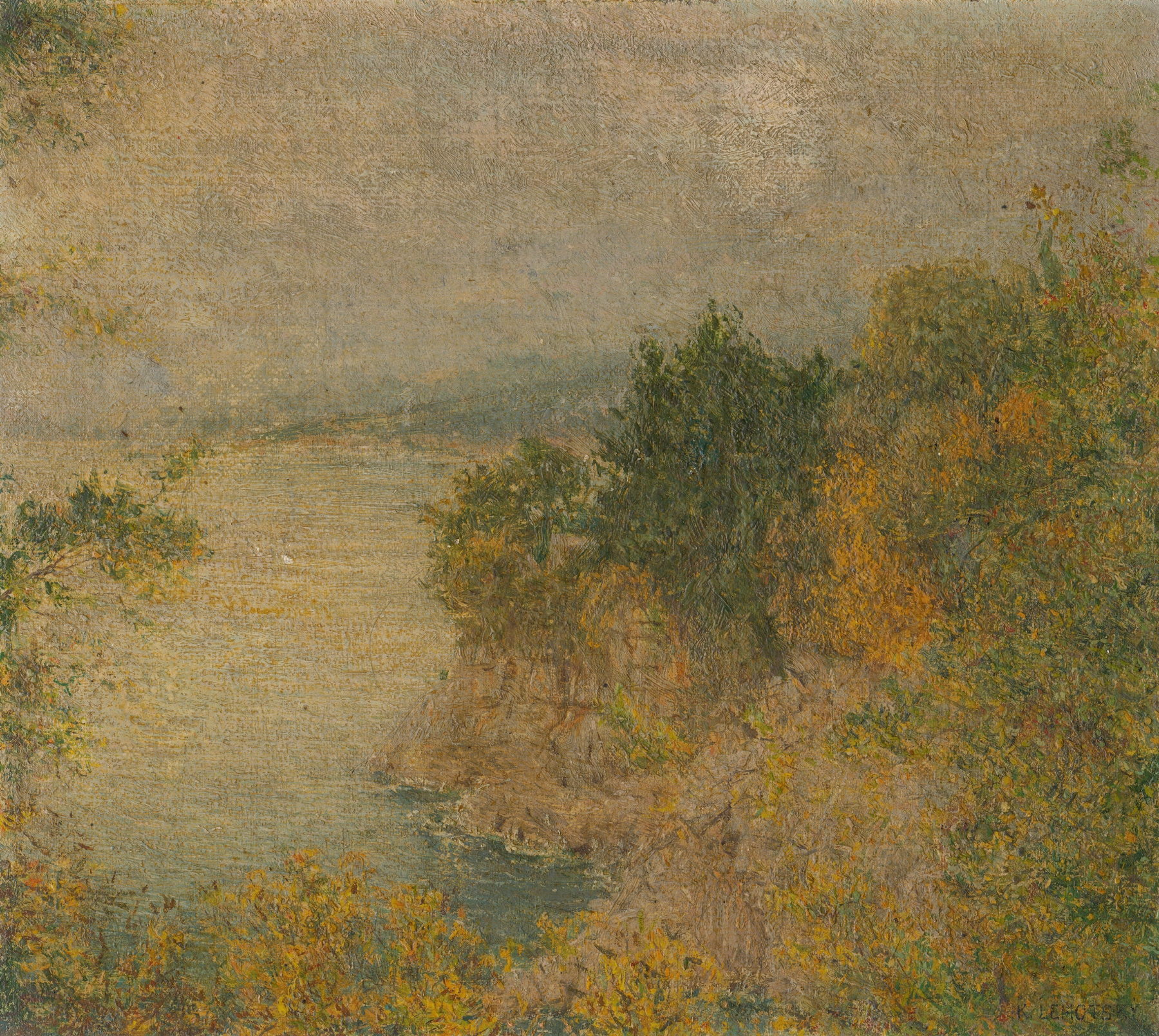
Can beauty exist without sorrow? In Autumn Landscape, the quietude of nature hints at deeper undercurrents, a tumult that often lies beneath the surface of serene scenes. The vibrant hues of foliage, while visually striking, seem to echo the fleeting nature of life itself. Look to the center of the canvas, where the trees stand tall, their fiery leaves ablaze in shades of orange and red.
The soft, dappled light filtering through the branches casts a gentle glow on the ground, hinting at the transient beauty of the season. Notice how the brushstrokes convey both movement and stillness, as if the landscape holds its breath, caught in a moment between vitality and decay. Yet, beneath this picturesque facade, the artwork pulses with unresolved tension. The stark contrast between the vivid colors of the trees and the muted earth tones suggests an impending change, a shift that alludes to the violence of nature's cycles.
Each fallen leaf becomes a reminder of loss, while the slightly ominous clouds overhead seem to foreshadow the coming winter's chill, adding an unsettling element to the otherwise tranquil vista. Karol Miloslav Lehotský created Autumn Landscape in 1912 while living in Slovakia, a time marked by a growing awareness of national identity in the region. The early 20th century was a complex period for artists seeking to express their cultural heritage amidst the broader European movements towards modernism. Lehotský's work reflects this tension, bridging the beauty of the natural world with hints of the darker realities that often accompany it.