Ružomberok Landscape — History & Analysis
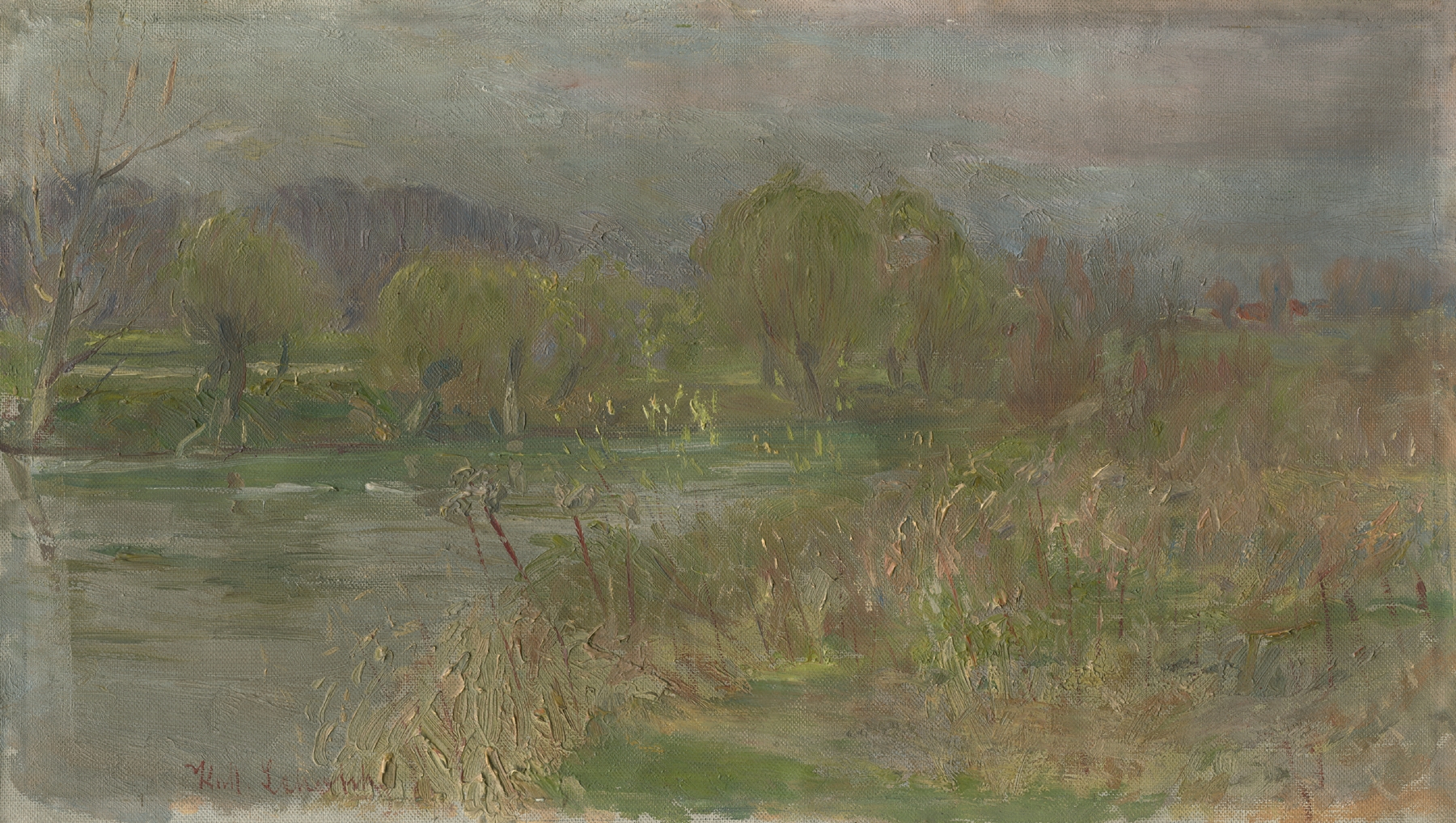
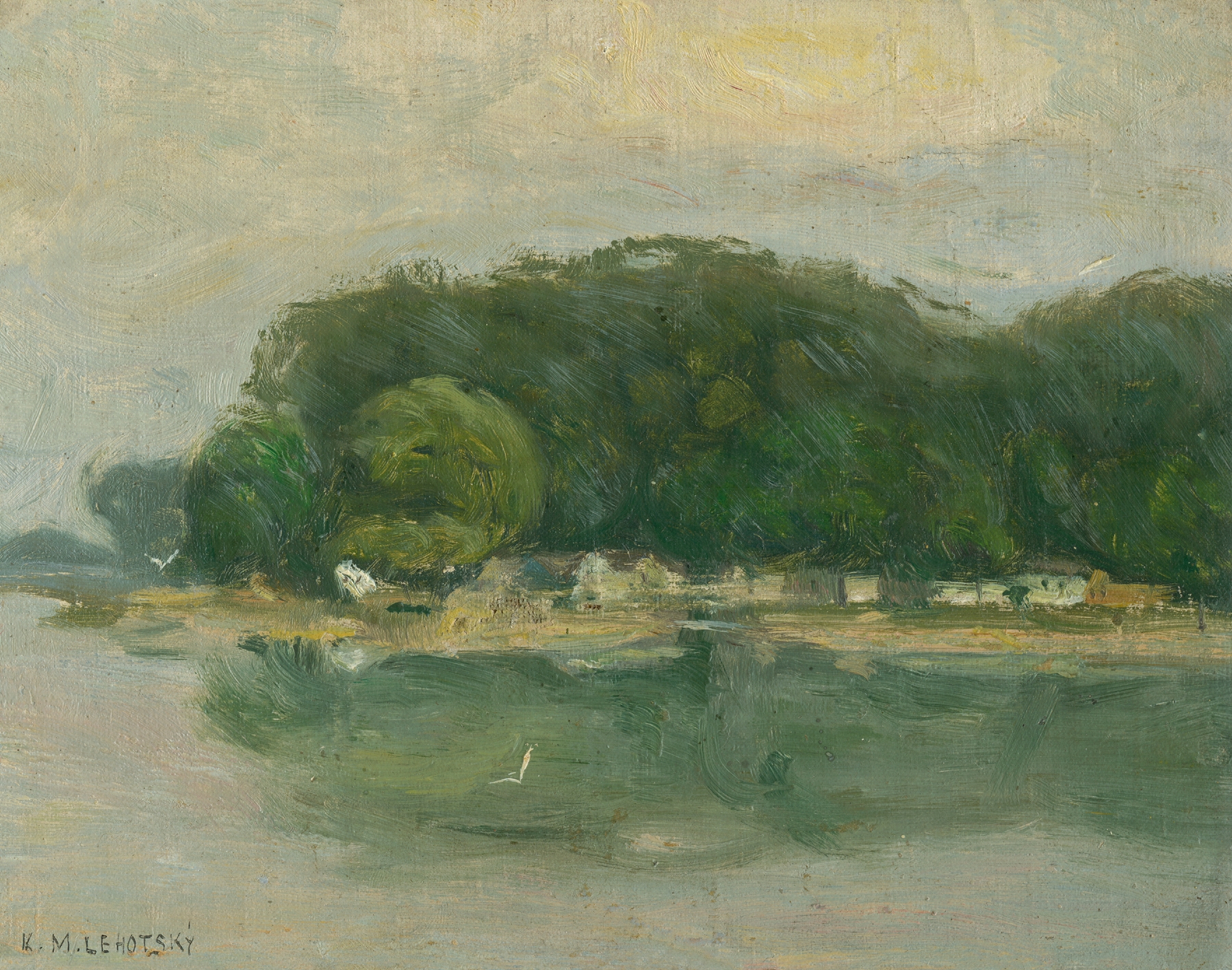
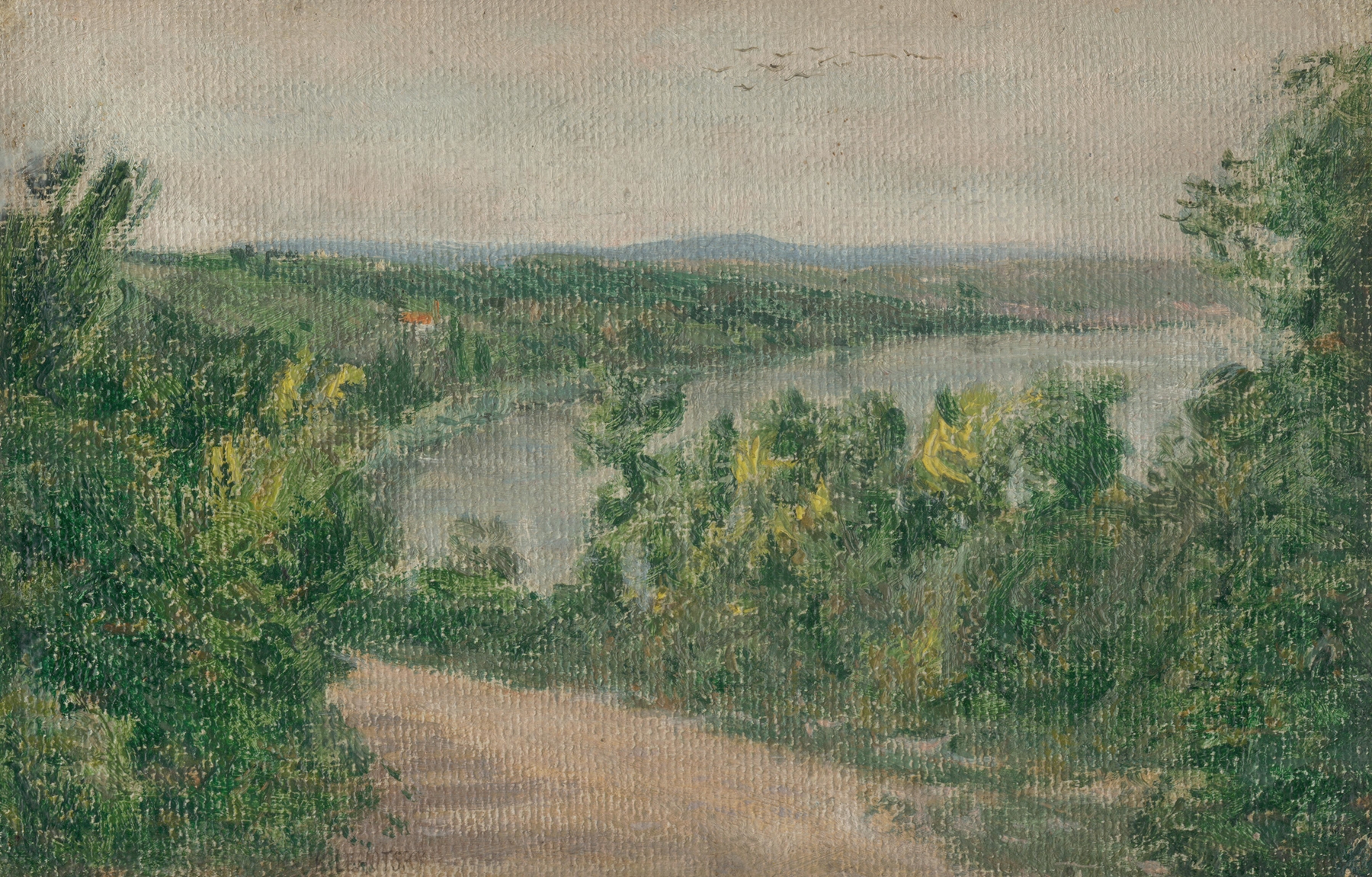
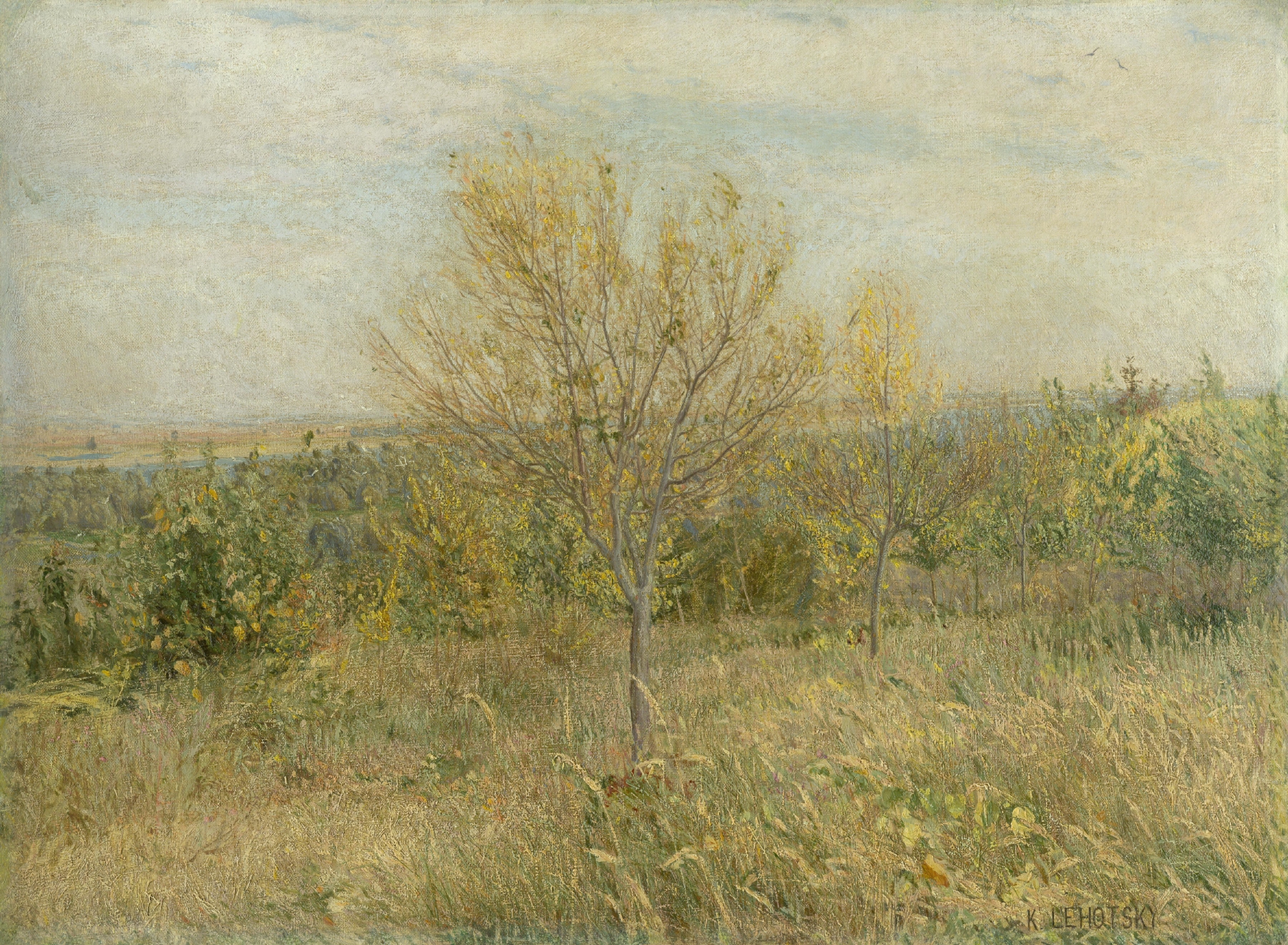
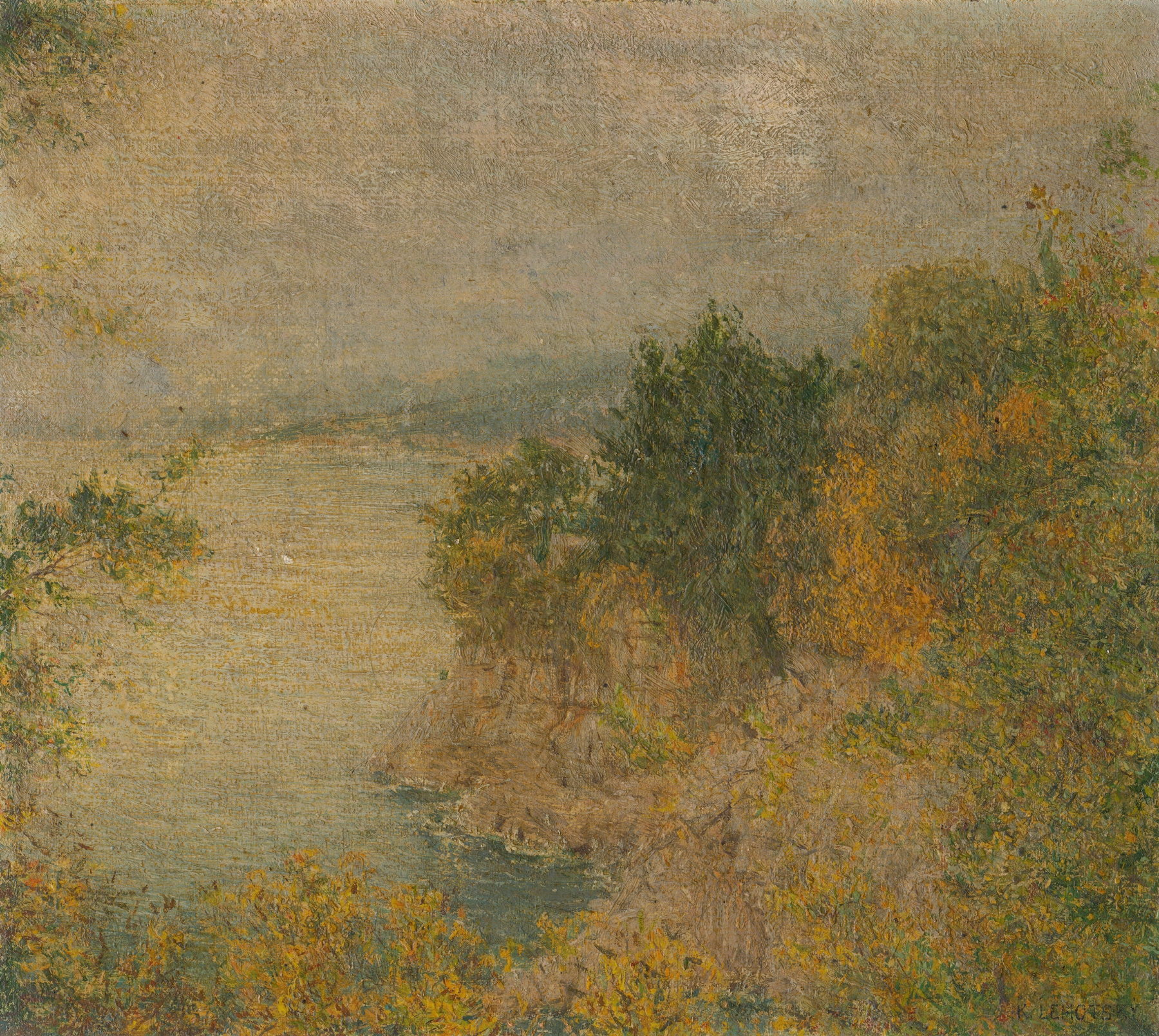
“Sometimes beauty is just pain, disguised in gold.” The landscape holds a stark beauty that whispers of emptiness, where silence fills the air like a heavy fog, reminding us of what is lost beneath its serene surface. Look to the foreground of Ružomberok Landscape, where soft, rolling hills invite the eye to wander into the depths of the composition. Notice how the gentle brushstrokes in muted greens and browns blend seamlessly, creating a sense of harmony yet hinting at an underlying solitude. The horizon stretches wide, a golden light spills across the canvas, illuminating patches of land that seem to yearn for connection, while shadows loom in the valleys, suggesting an unseen tension lurking beneath the beauty.
Deeper still, the contrasts of light and shadow evoke a dialogue between hope and desolation. The vibrant hues of the setting sun offer a fleeting warmth, yet the starkness of the landscape fosters a sense of isolation. Each element, from the craggy mountains to the expansive sky, reflects a longing for something beyond reach—a haunting reminder that every idyllic scene carries with it the weight of absence and the echo of dreams unfulfilled.
Karol Miloslav Lehotský painted this work in 1906, during a time when the art of landscape was evolving, influenced by both Impressionism and emerging modernist ideas. Working in Slovakia, he captured the essence of his homeland while navigating his own artistic journey amidst the broader movements of the early 20th century. This was a period of introspection for many artists, and Lehotský's rendering resonates with a profound exploration of both beauty and emptiness.