Petržalka Bank from the Danube — History & Analysis
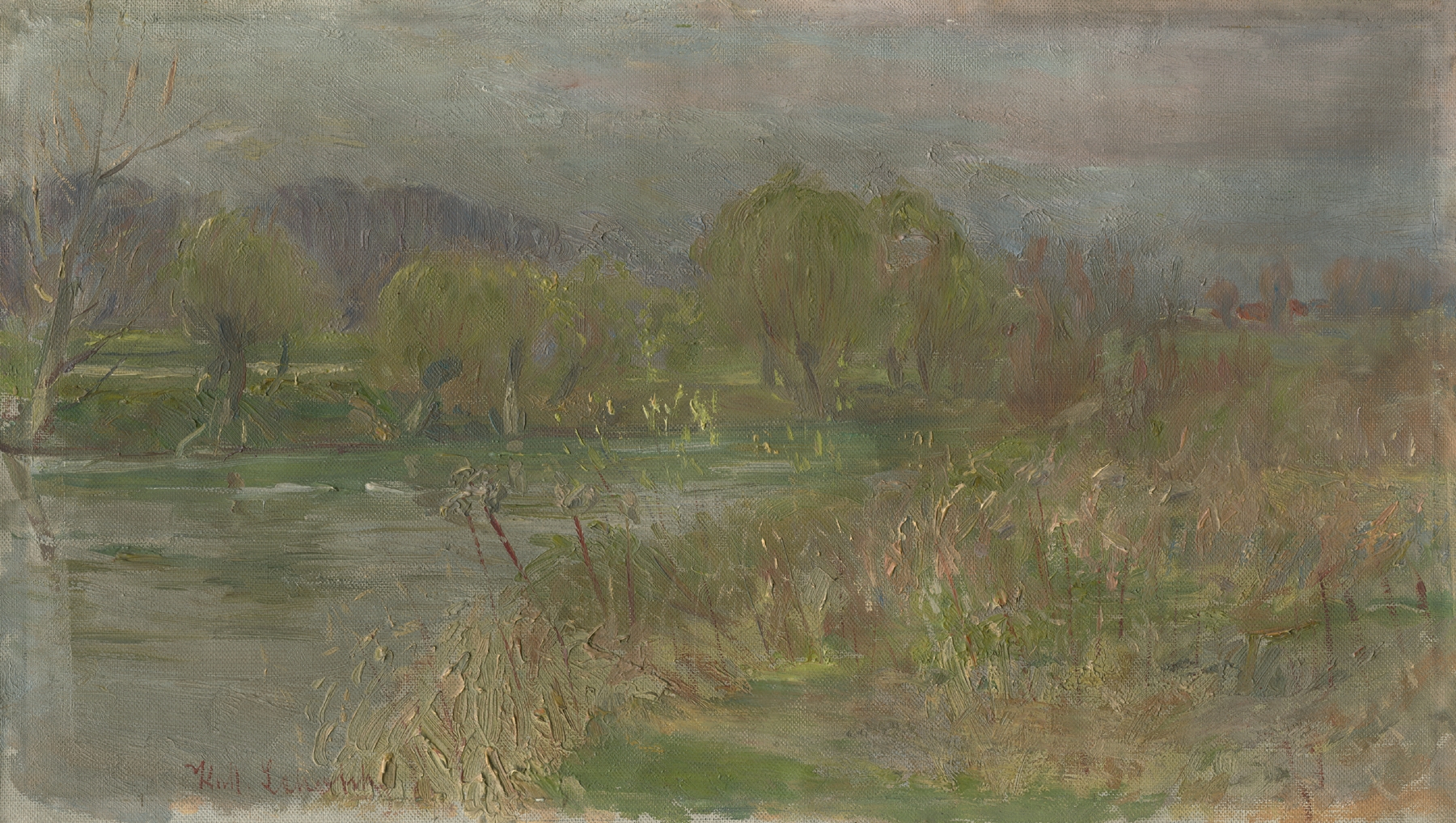
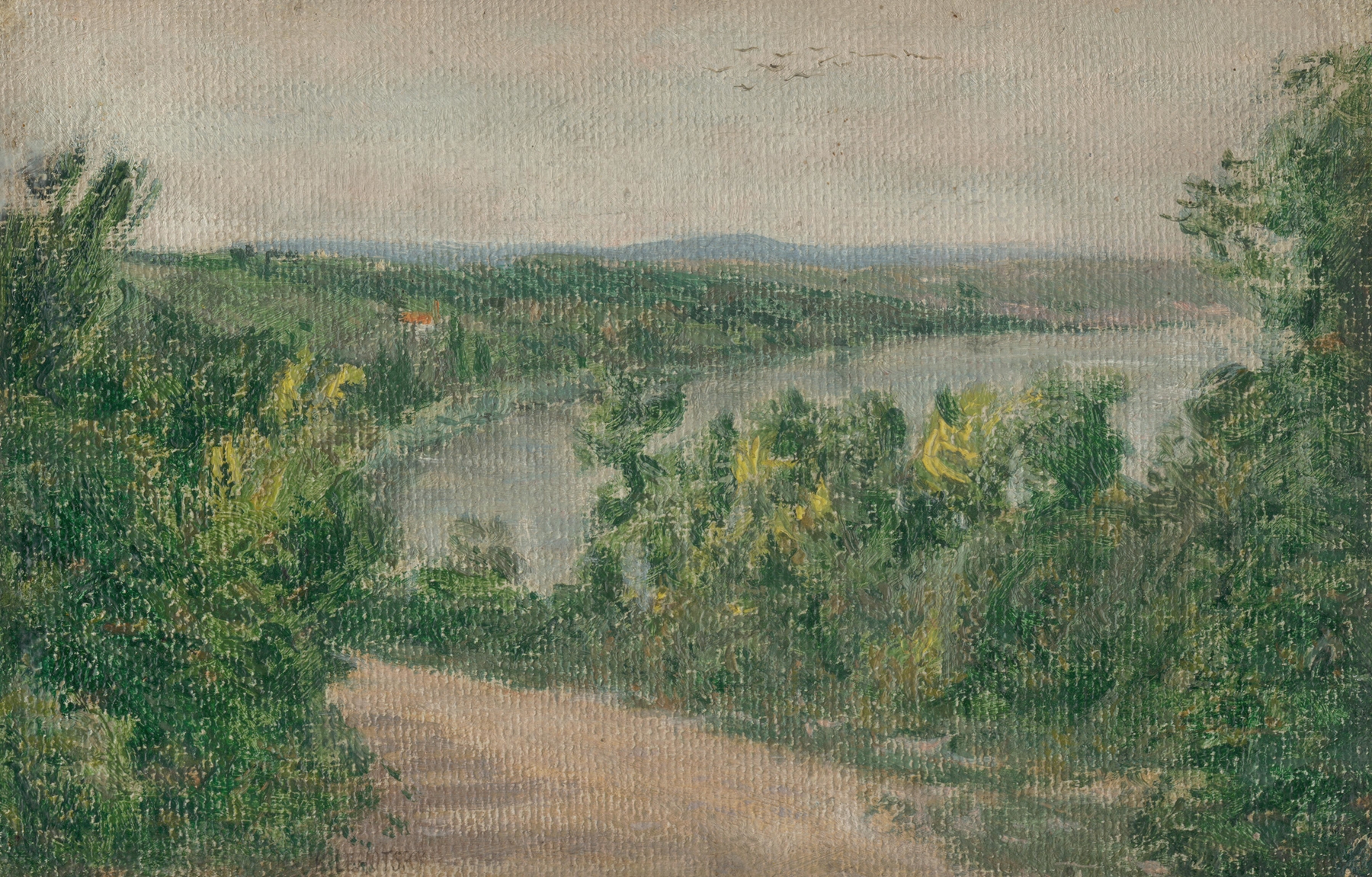
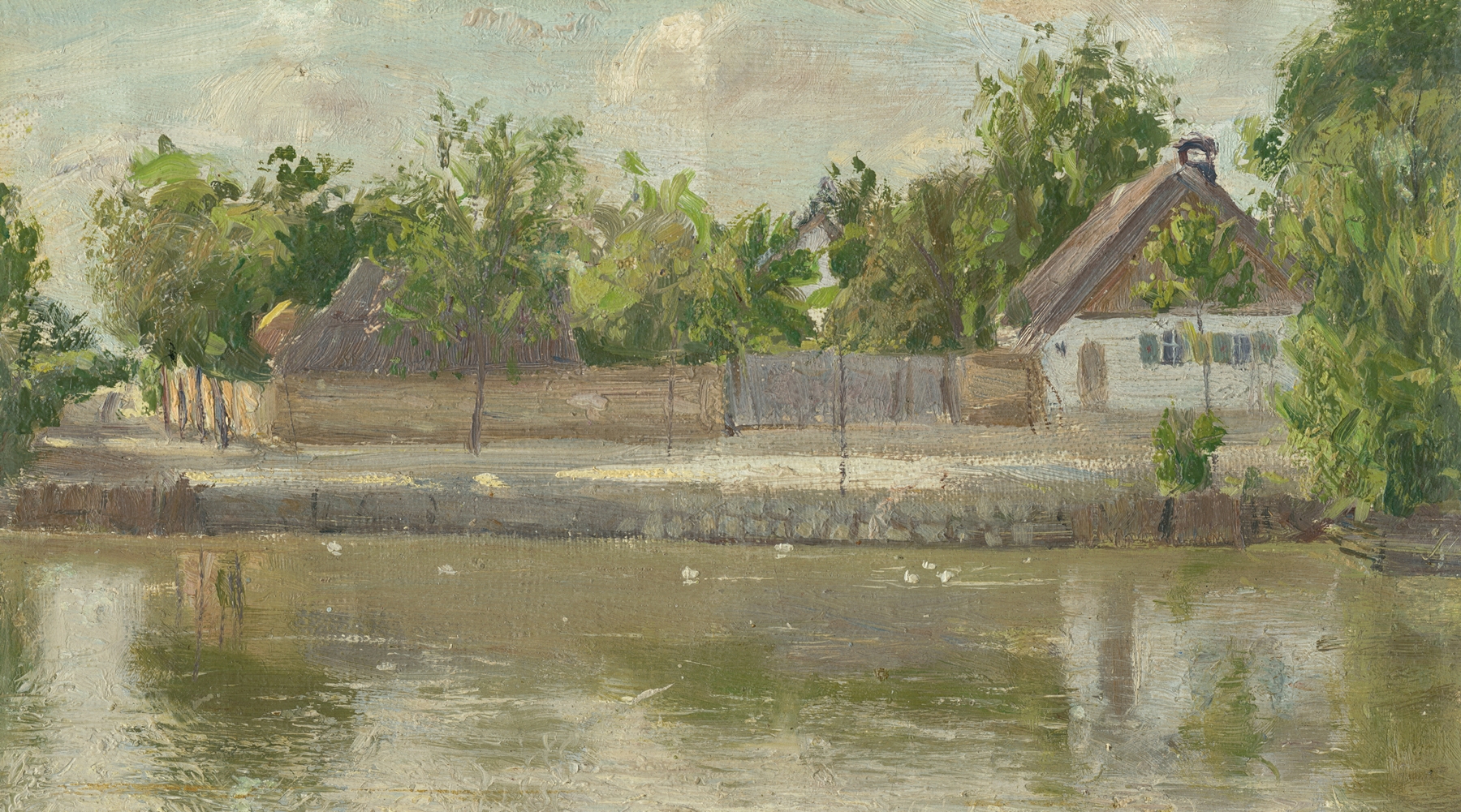
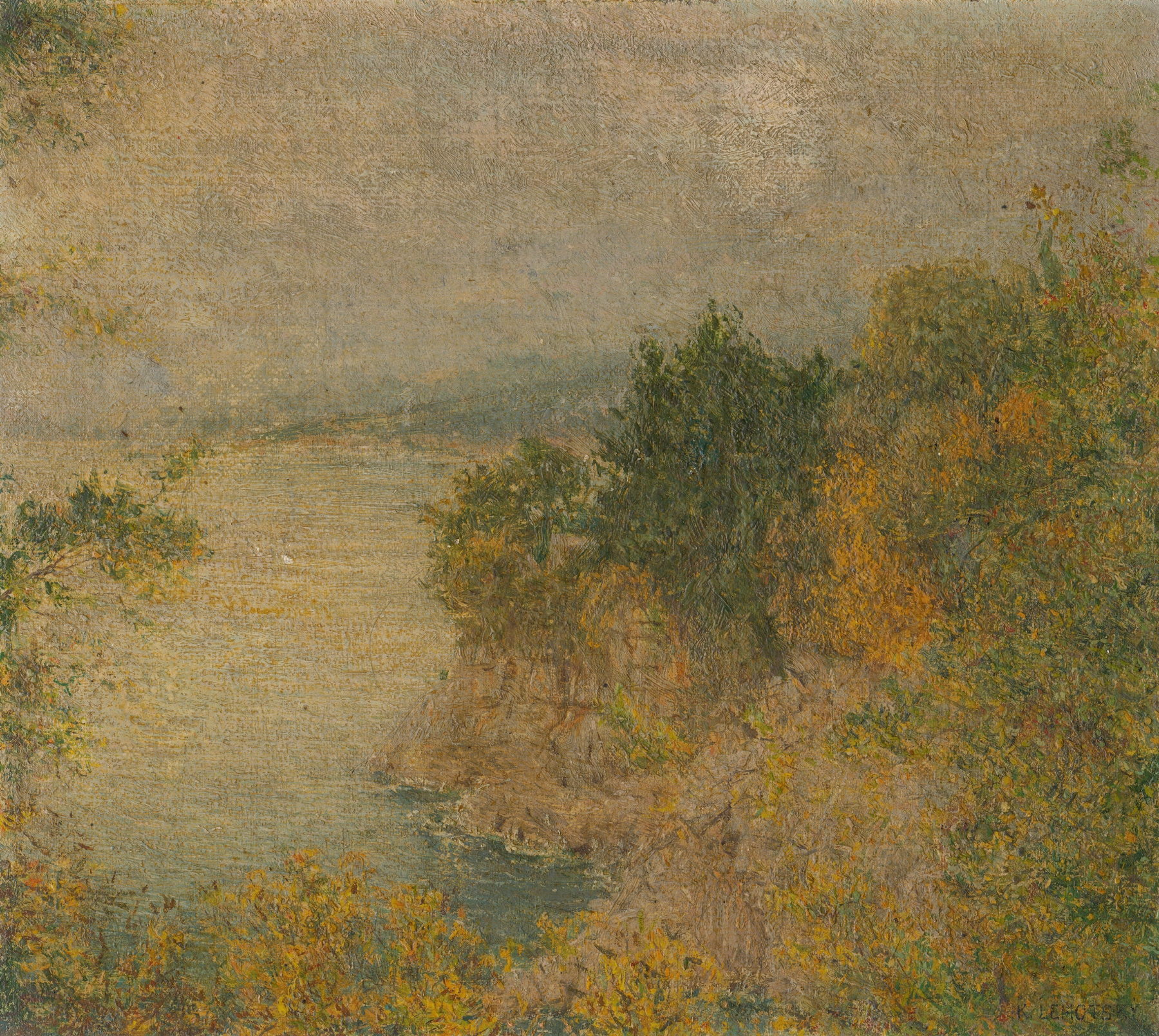
“Every brushstroke is a heartbeat remembered.” As the world shifts and the past ebbs away, art emerges as a vessel of rebirth, capturing fleeting moments in time. Look to the center of the canvas where the sturdy outlines of architectural forms rise against a hazy skyline. The muted palette of browns and greens creates a harmonious blend, evocative of nature’s resilience amidst urban encroachment. Notice how the artist deftly employs light, allowing soft highlights to dance along the water's surface, while shadowy depths beneath hint at secrets waiting to be revealed.
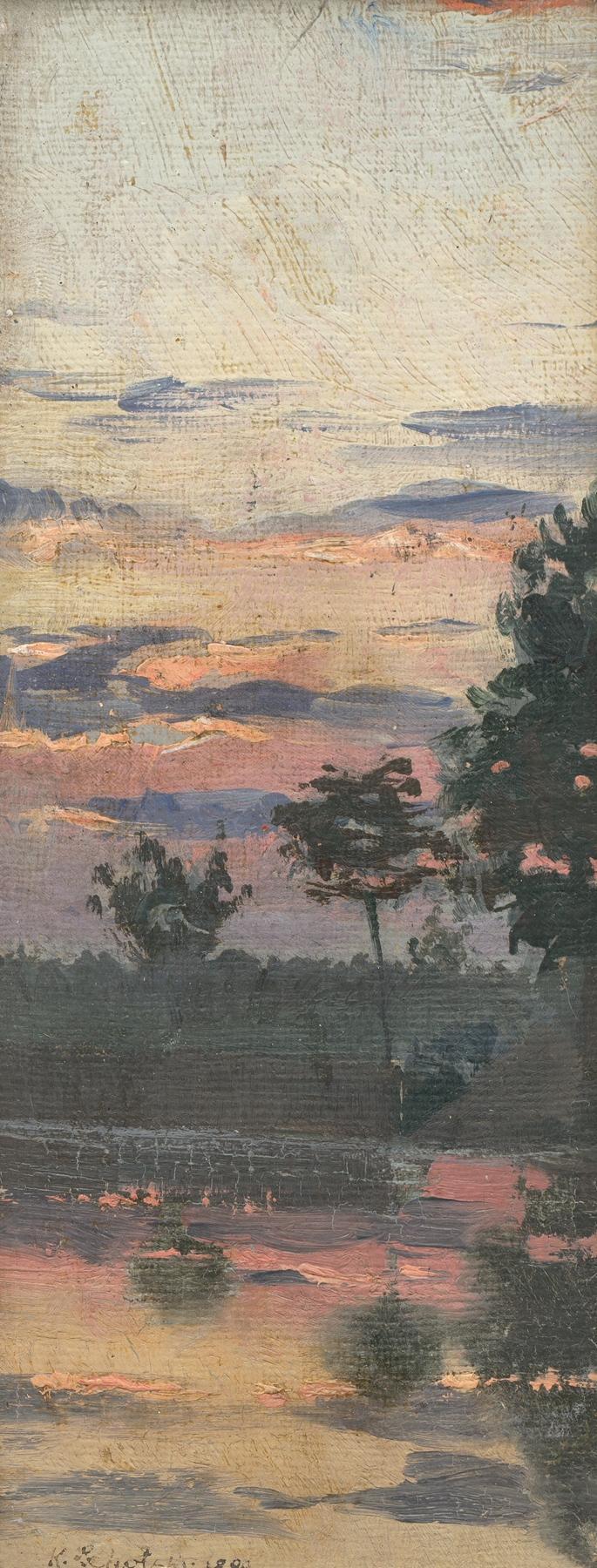
The balance between the tranquil river and the burgeoning structures embodies a tension that speaks to change. Yet it is in the details that this work reveals its deeper layers. The way the water reflects the sky’s transition from dawn to dusk suggests a cycle of rebirth; even as man-made creations rise, nature persists in its quiet beauty. The juxtaposition of solid architecture against fluid water embodies the struggle between permanence and transience, capturing the essence of a world on the precipice of transformation.
Each brushstroke ties together the familiarity of home and the inevitable march of progress. In the early years of the twentieth century, Petržalka Bank from the Danube was born amid the evolution of European art and society. Karol Miloslav Lehotský painted this piece in a time when modernism began to influence artistic expression, reflecting the shifting landscapes of urban life in Slovakia. As cities expanded and the Danube flowed relentlessly, Lehotský's work serves as a poignant reminder of both the beauty and complexity of his environment, marking a significant moment in his artistic journey.