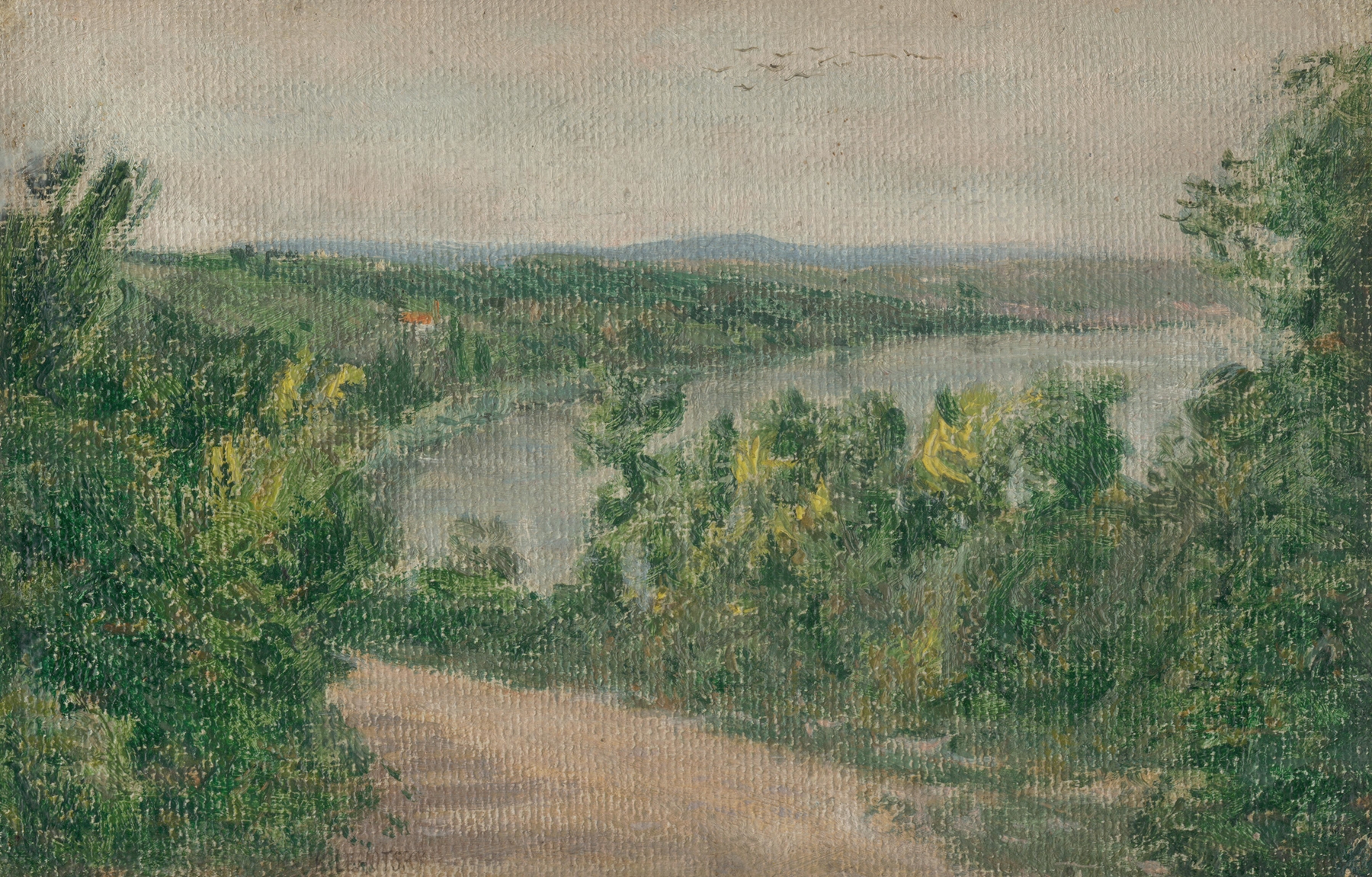
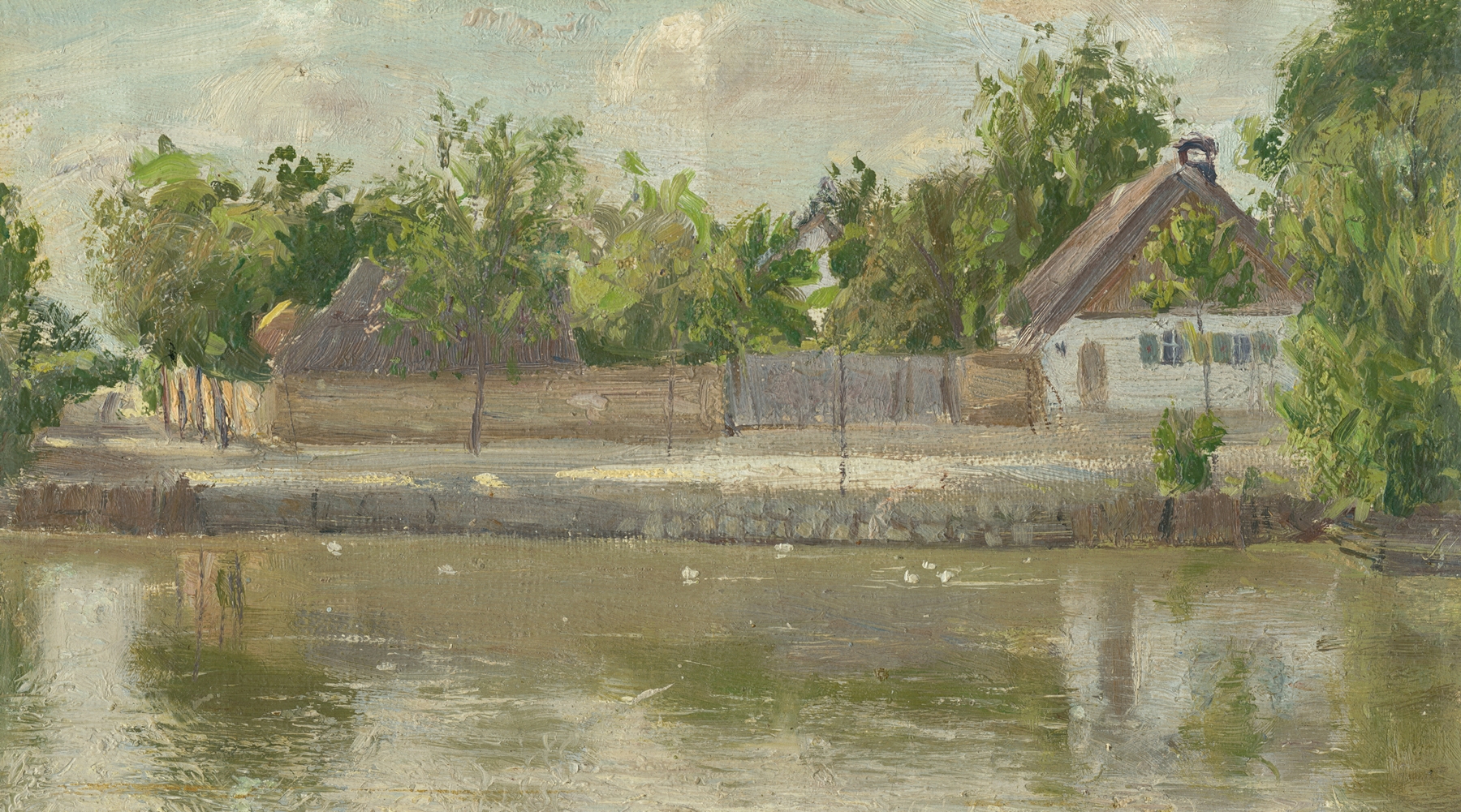
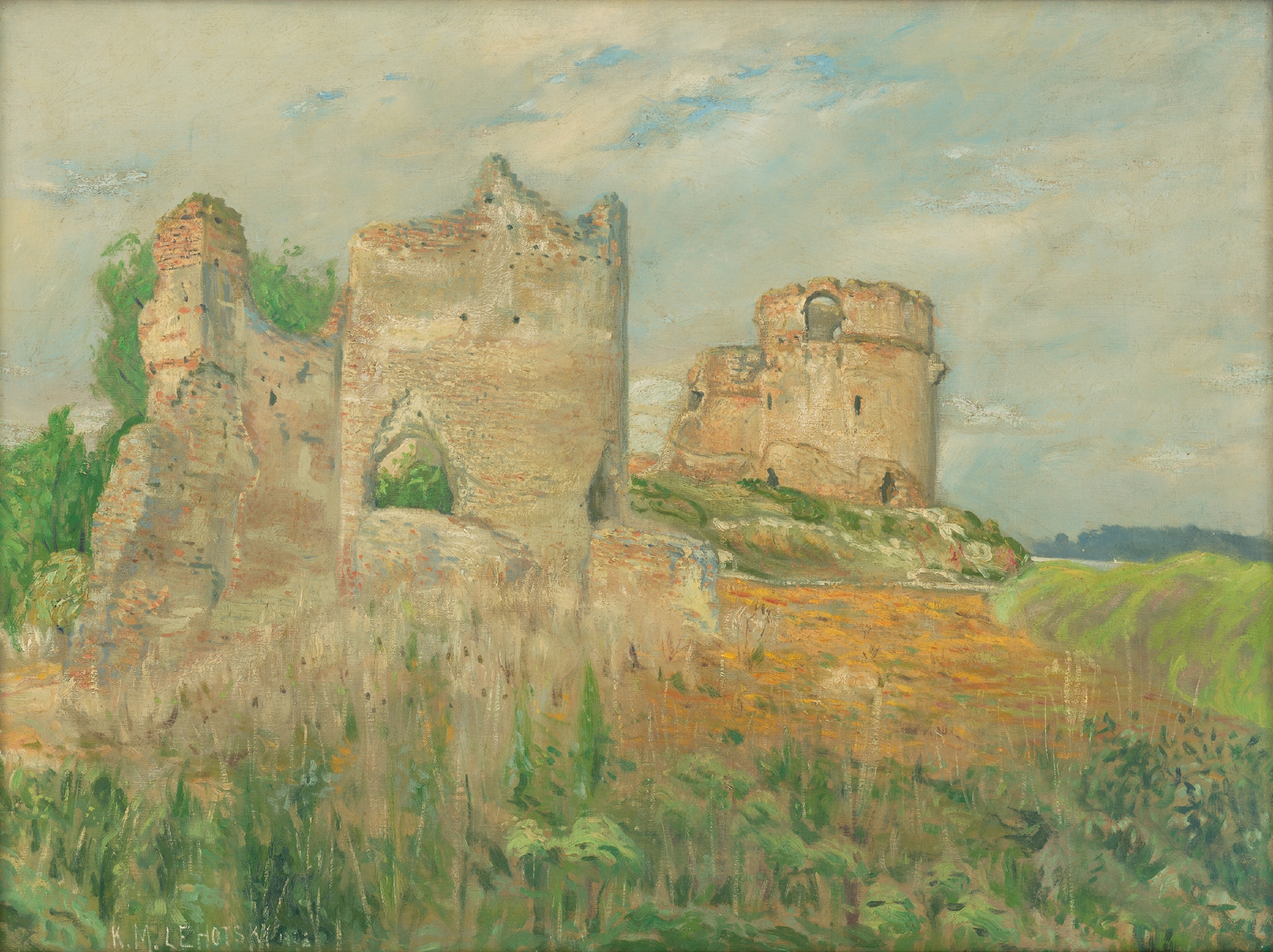
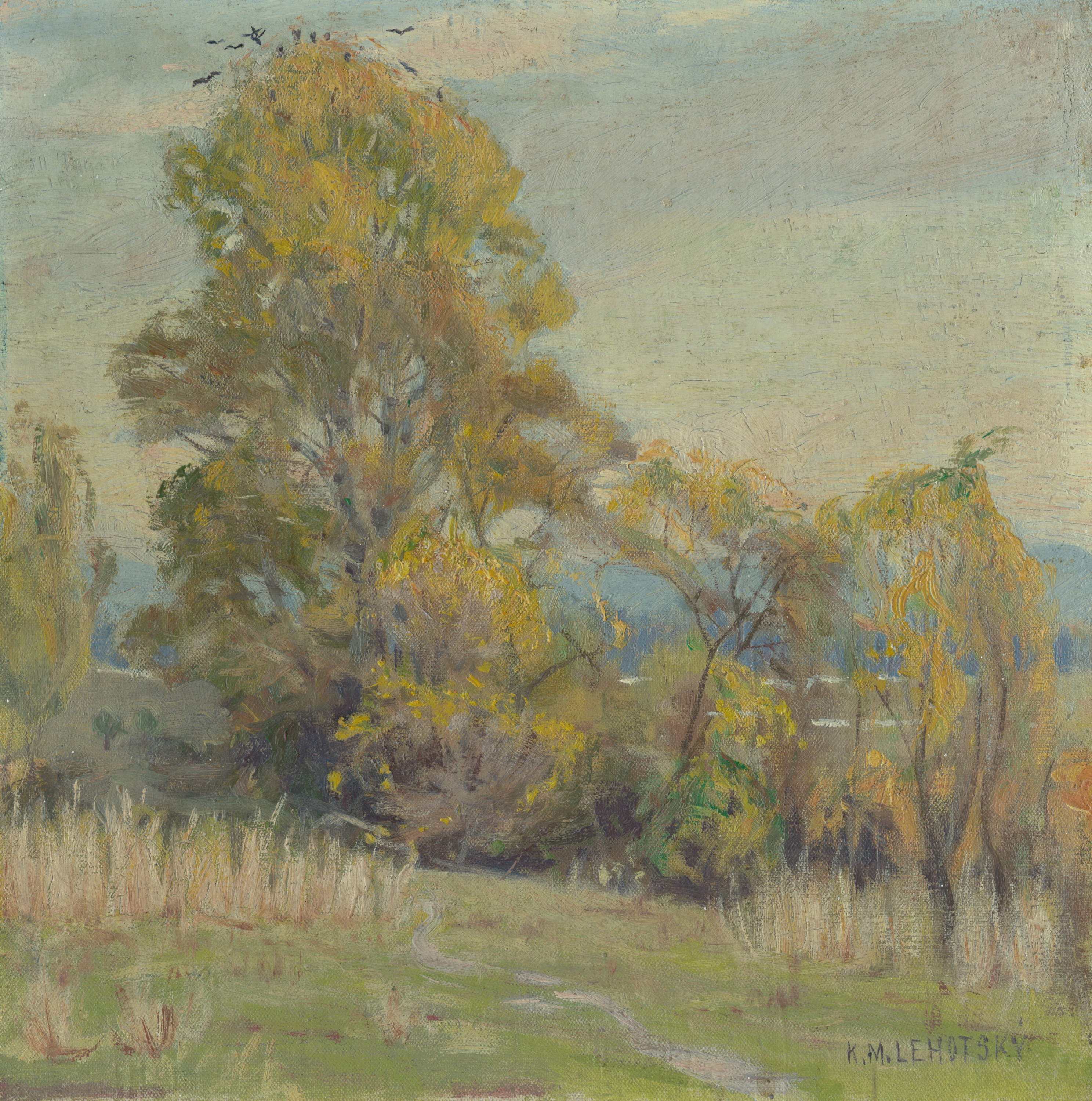
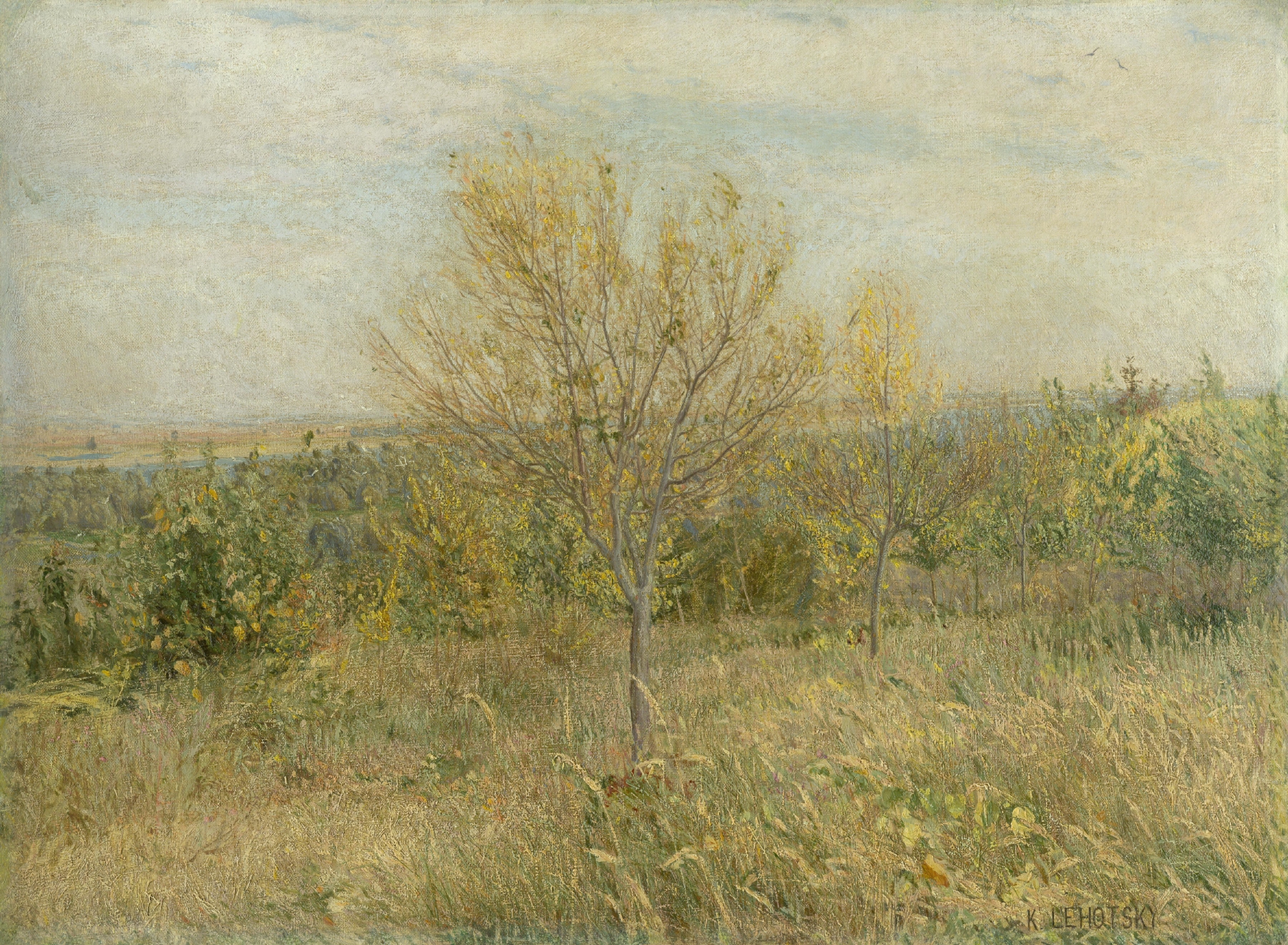
Still Life (Danube Bay) — History & Analysis
“To paint is to remember what time wants us to forget.” In a world where fleeting moments dissolve into the ether, the stillness of a single scene can reveal the chaotic undertones of existence. What madness lurks behind the serene façade of still life, whispering to us through the objects that remain? Focus your gaze on the delicate arrangement of fruits and vessels, where a golden light spills across the canvas, illuminating the textures and colors that dance together. Look to the left at the glistening apples, their polished skin reflecting a depth that draws you in, while a fragile glass stands resolutely at the center, capturing the viewer's attention with its subtle transparency.
Notice how the artist expertly blends warm ochres with deep greens, creating a sense of harmony that belies the tumultuous emotions simmering beneath the surface. Yet, what lies beneath this tranquil composition? The contrasting shadows play tricks on our perception, suggesting that beauty often harbors an unsettling duality. The lush fruits, symbols of abundance, may hide the decay of time, while the glass vessel, so fragile, stands as a reminder of life's inherent instability.
These small details resonate with the viewer, evoking a sense of nostalgia and an awareness of the madness that time can bring, as it sweeps away the vibrancy of now. During the years between 1890 and 1910, Lehotský found himself amidst a shifting artistic landscape, exploring the nuances of still life in the Austro-Hungarian Empire. This was a time marked by both cultural richness and existential uncertainty, as artists delved into the depths of human experience. Lehotský's meticulous approach to still life reflects not only his technical prowess but also a profound understanding of the interplay between beauty and the inevitable decay that shadows every moment.