Landscape with a Swamp — History & Analysis
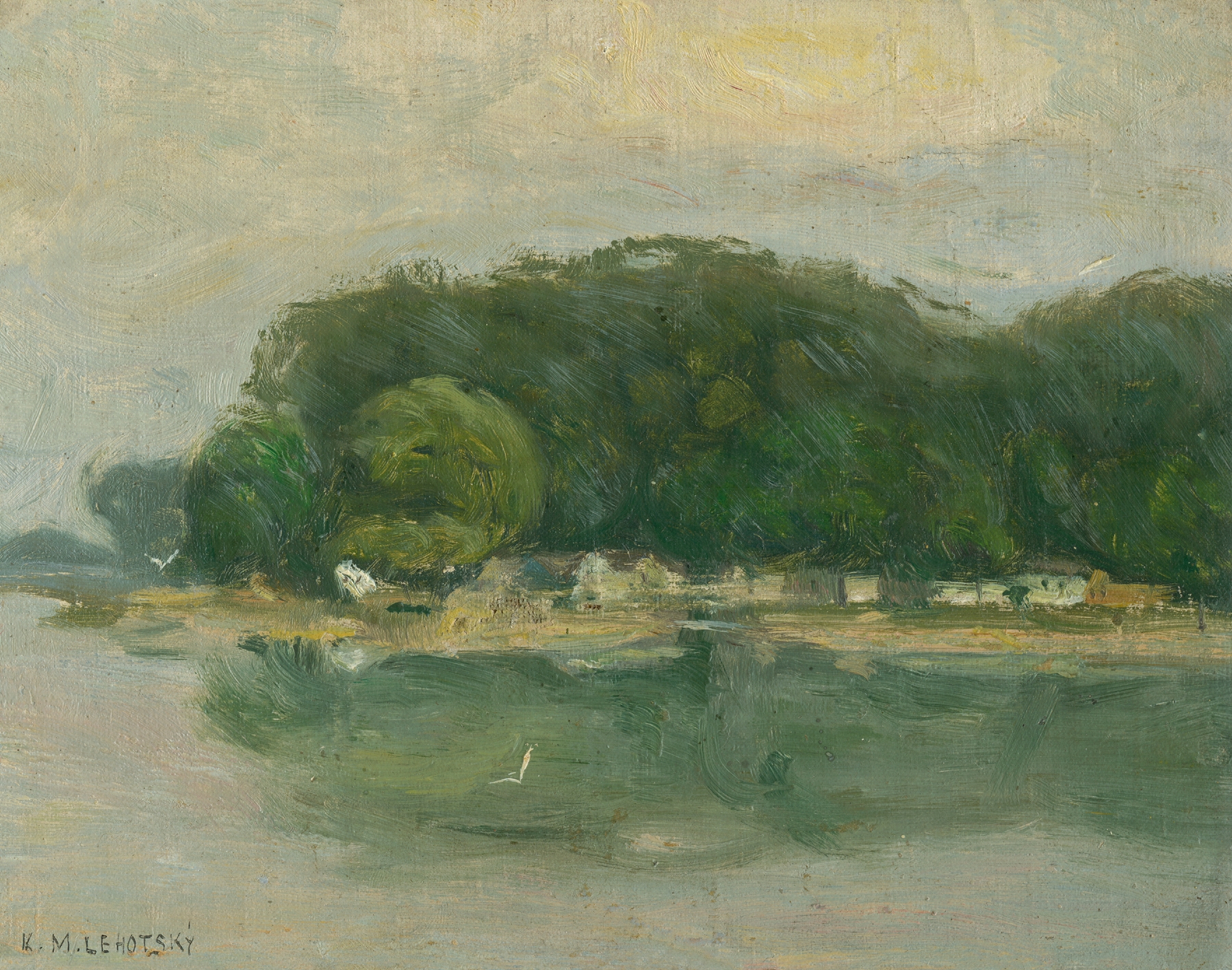
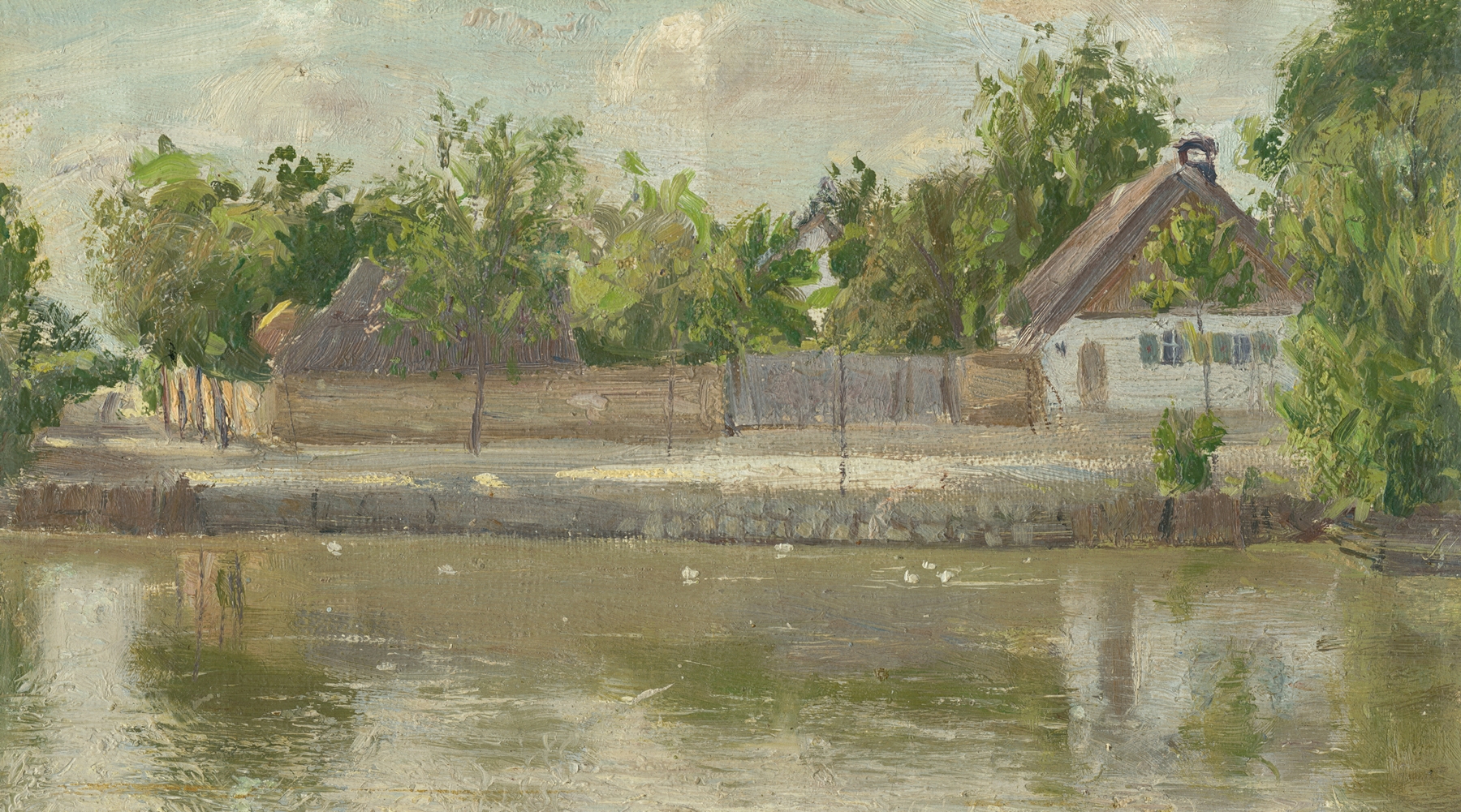
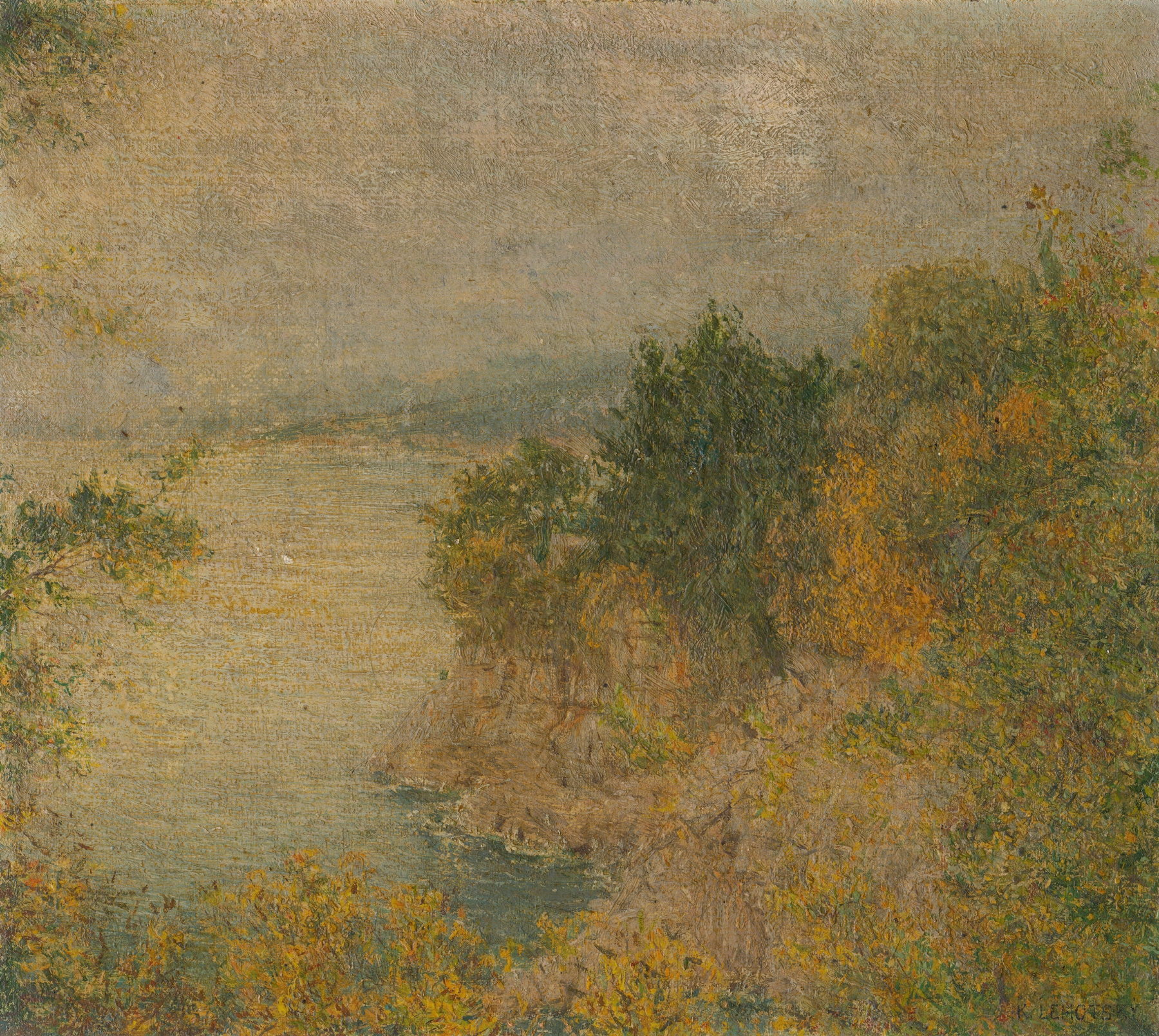
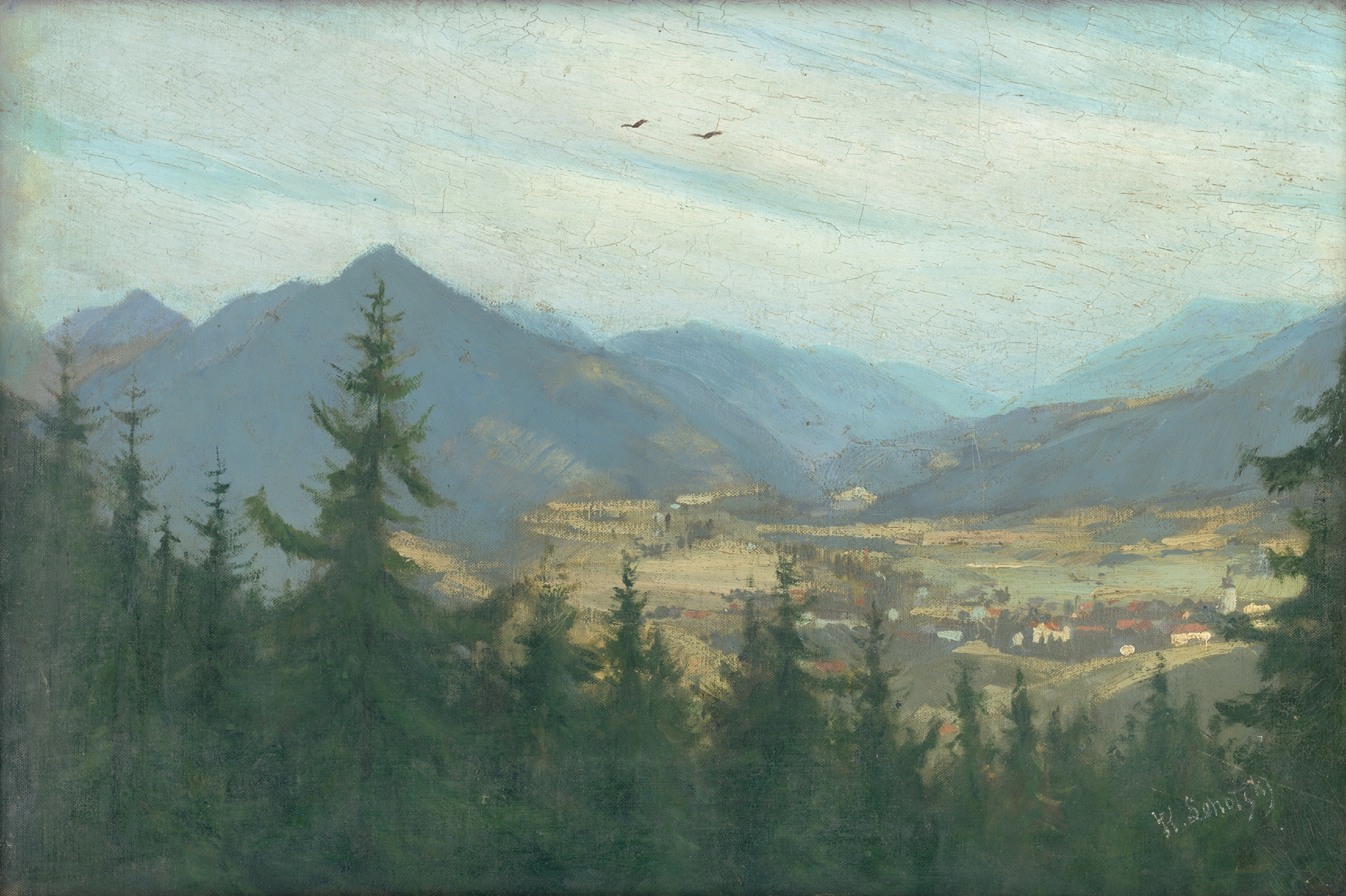
“Every silence here is a confession.” In the expanse of Landscape with a Swamp, the void is palpable, inviting contemplation. It beckons us to explore the unspoken narratives hidden within its depths and stillness. Look to the foreground where the swamp’s dark waters reflect the muted tones of the overcast sky. Notice the delicate brushstrokes that define the murky surface, evoking an otherworldly quality as they intermingle with the surrounding earth. The gentle palette—dark greens, browns, and soft grays—creates a somber atmosphere, while the sparse vegetation emerges like whispers from the void.
The composition draws the eye towards the horizon, where a faint line separates land from sky, suggesting a world that is both present and unknowable. Within this landscape, tension arises from contrasting elements—the stillness of the stagnant water juxtaposed with the distant trees that seem poised on the edge of freedom. Each stroke captures a fleeting moment, a balance between life and decay. The swamp is not merely a backdrop; it embodies the weight of memory and absence, inviting reflections on what lies beneath the surface, both literally and metaphorically.
Here, the void is filled with the echoes of the past, urging the viewer to confront their own silences. In 1900, Karol Miloslav Lehotský painted this work during a period of personal introspection and artistic exploration in Slovakia. As Europe grappled with a changing socio-political landscape, artists were beginning to break away from traditional forms, seeking new modes of expression. This creation reflects not only his individual journey but also a broader shift in the art world, as the tension between the known and the unknown began to color artistic interpretation.