A Village Brook — History & Analysis
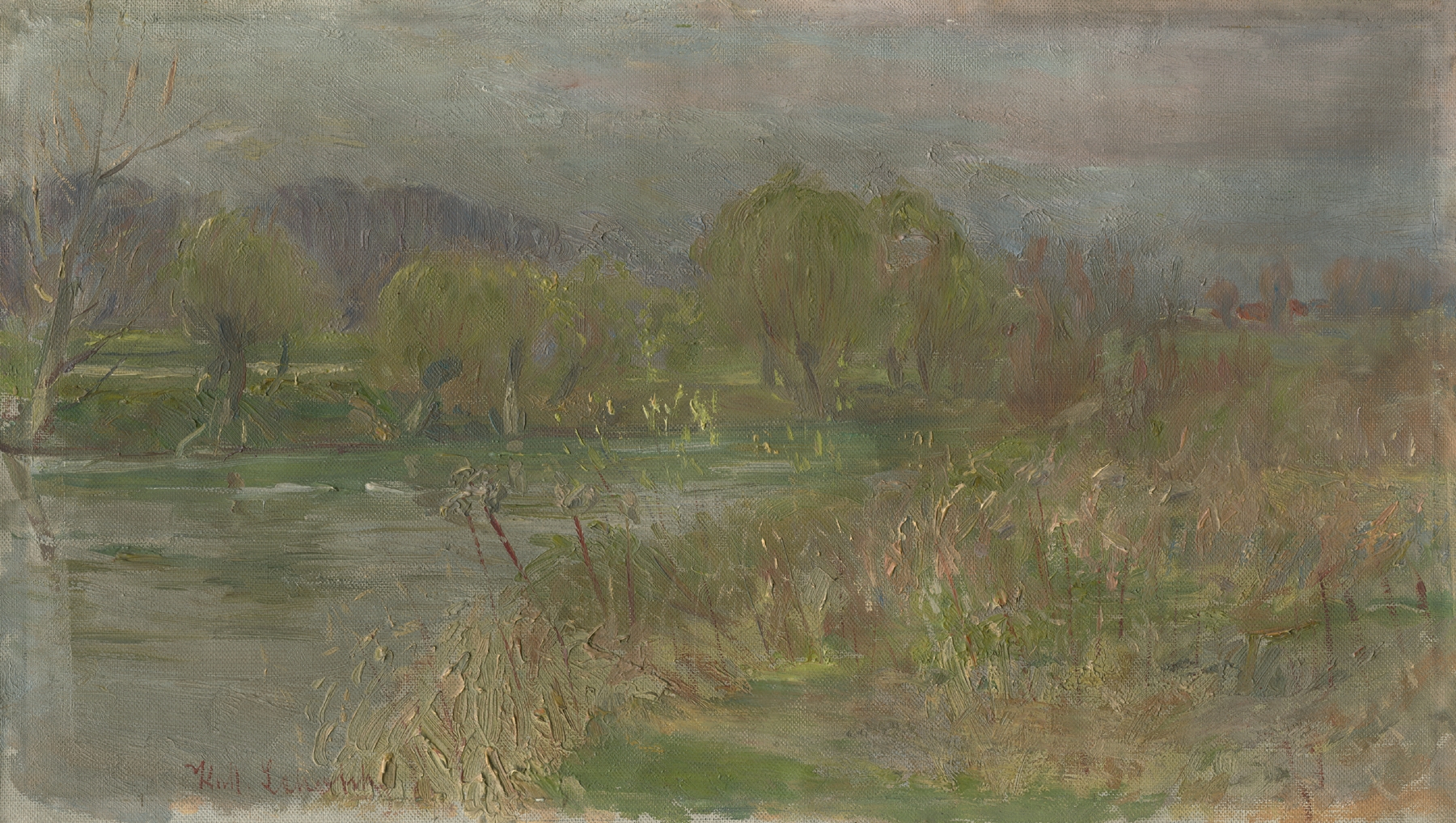
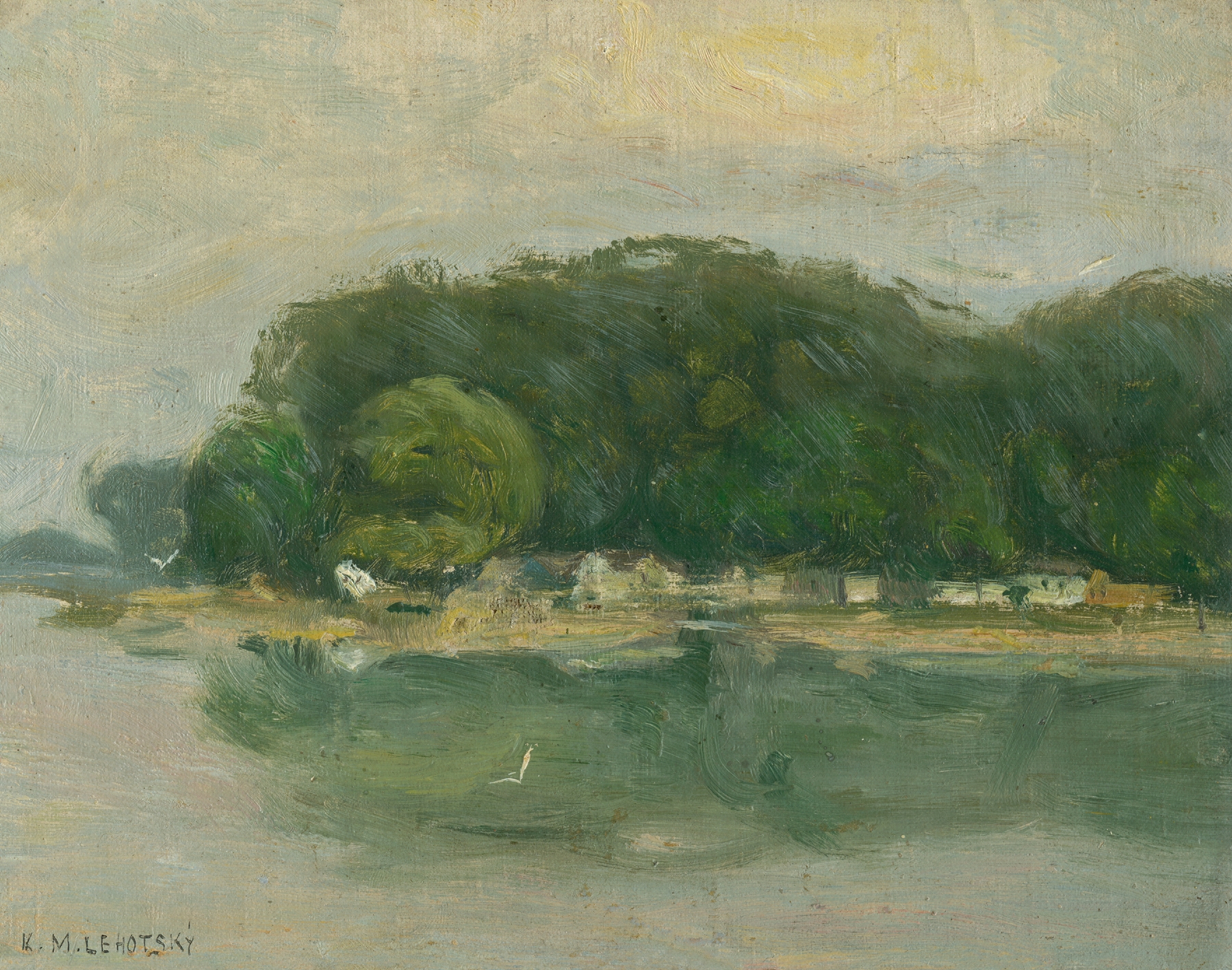
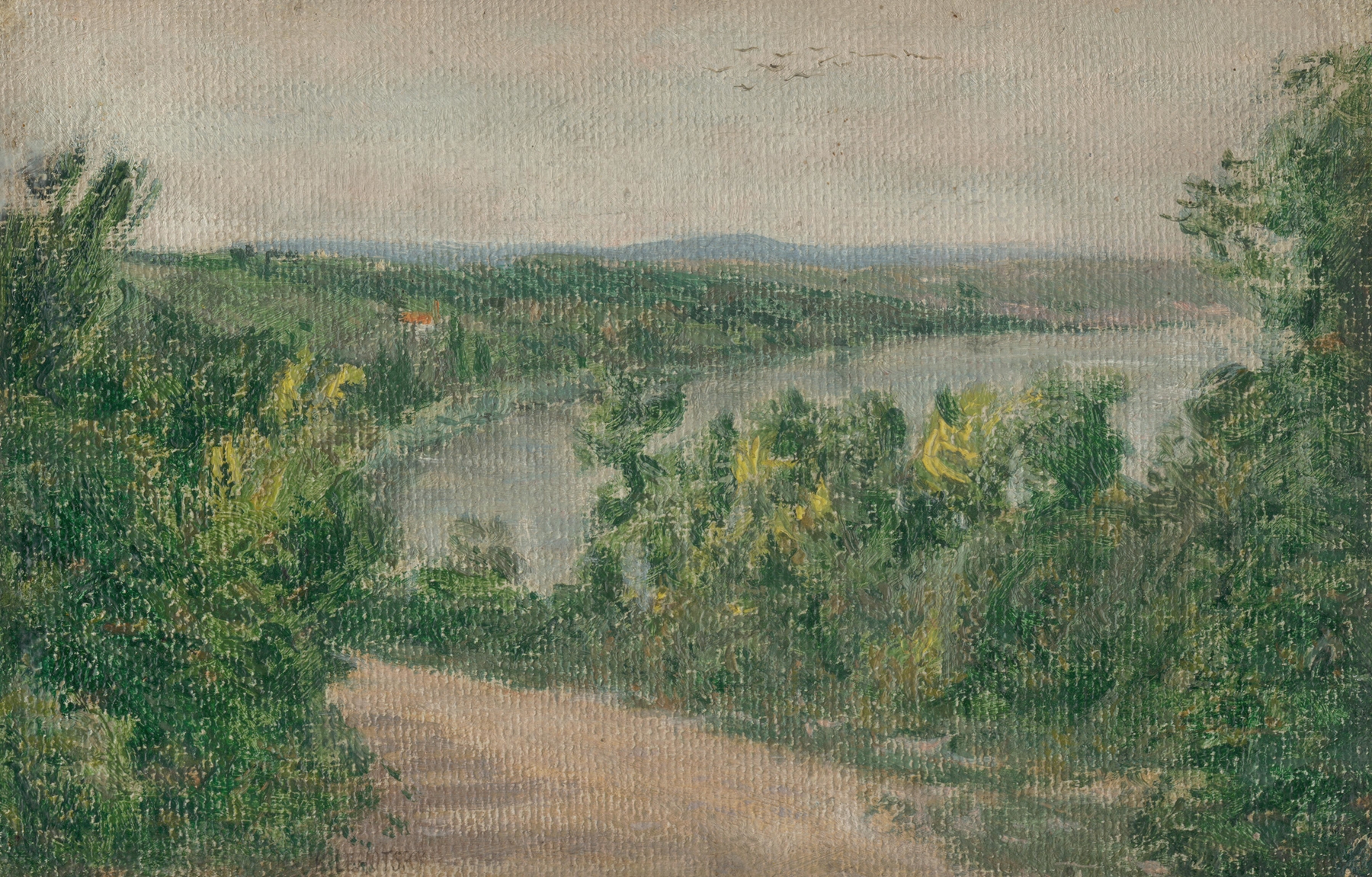
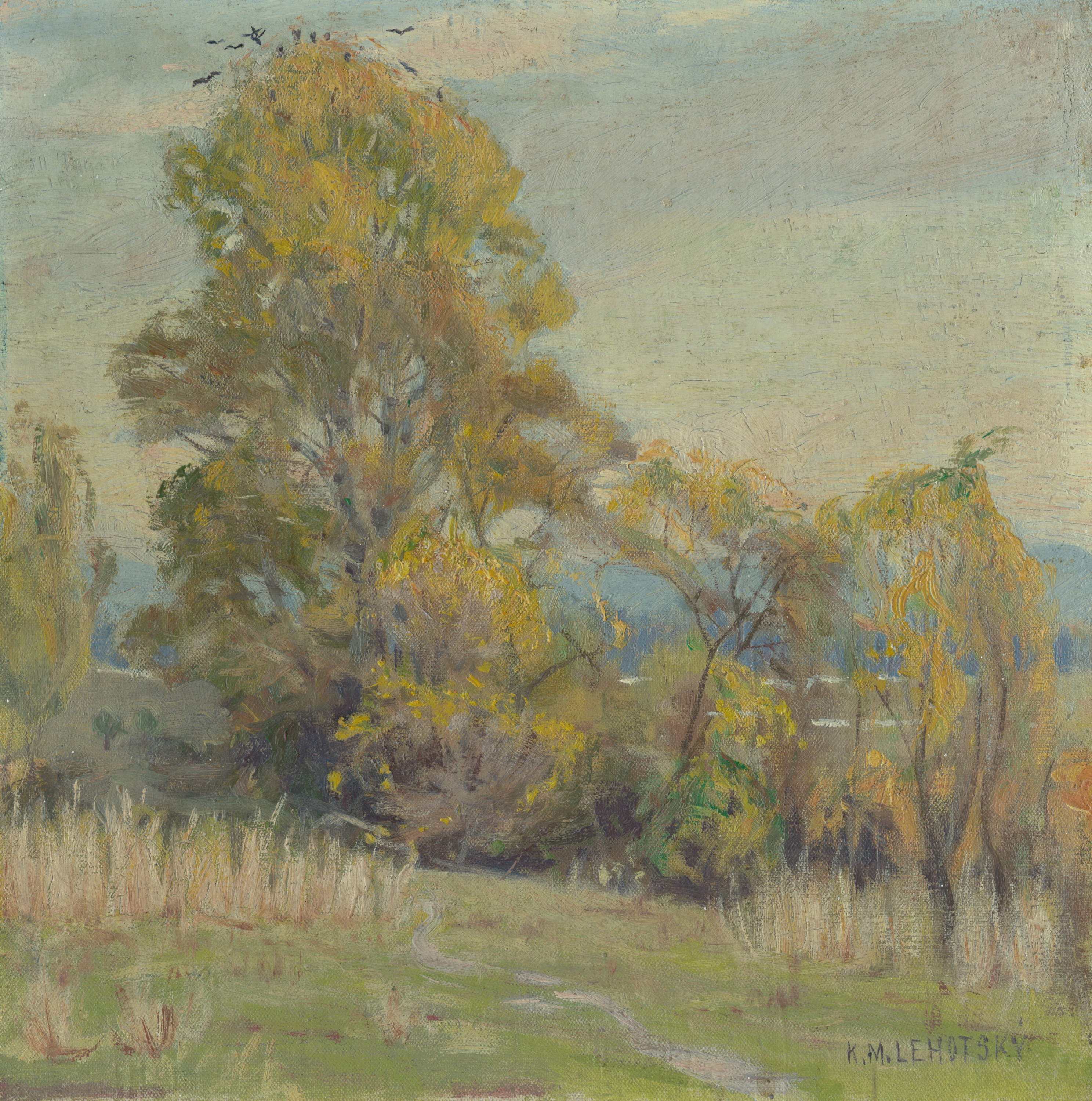
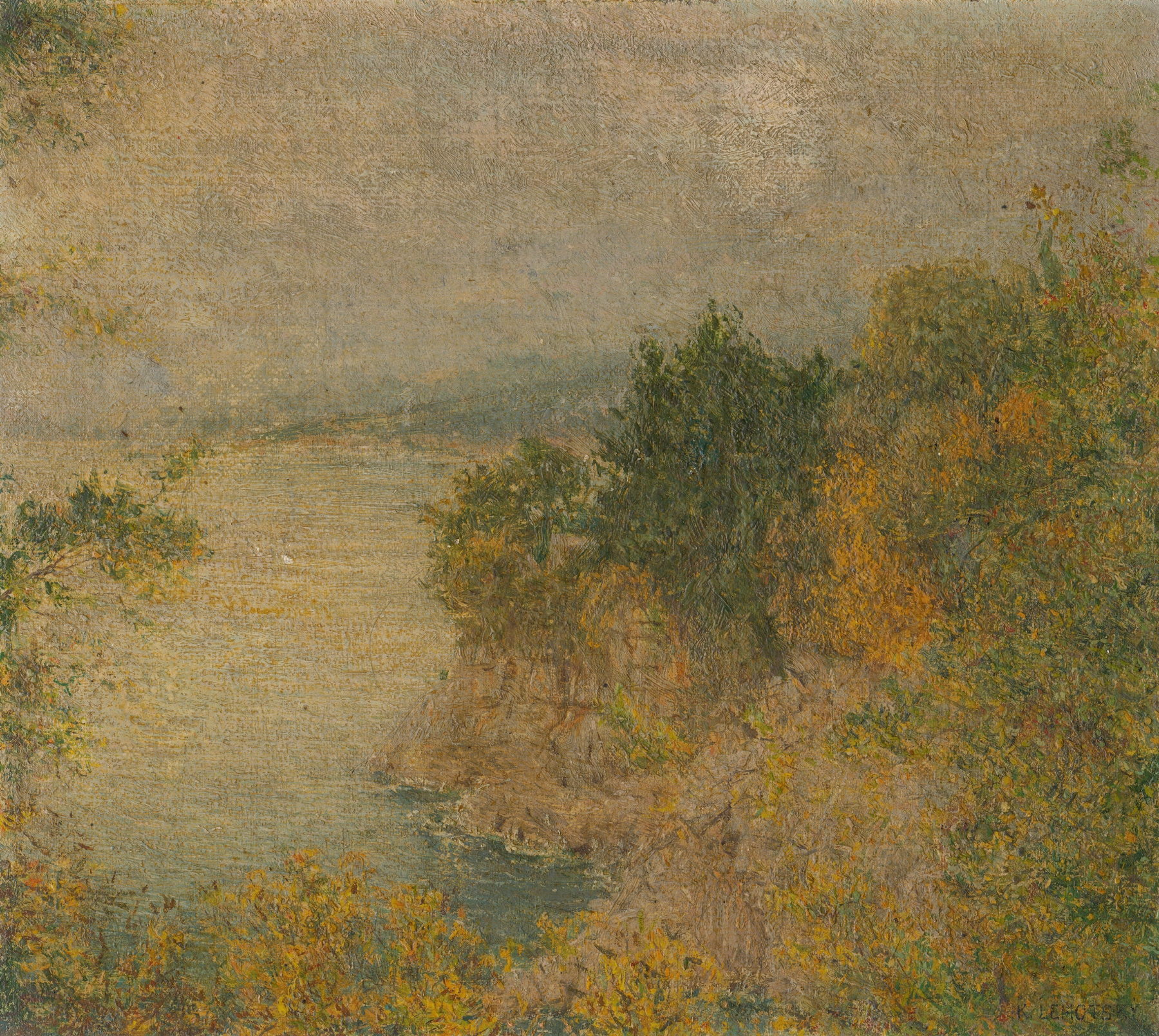
What if beauty was never meant to be finished? A fleeting moment, etched in memory, lingers just beyond our grasp, whispering secrets of serenity and nostalgia. Start by focusing on the gentle flow of water meandering through the scene. Observe how Lehotský employs soft, muted colors—a palette of greens and browns—that harmonize seamlessly, evoking the tranquility of nature.
Notice the delicate brushwork that captures the rippling brook, inviting the viewer’s gaze along its winding path while the dappled sunlight dances on the surface, creating a shimmering effect that breathes life into the stillness. As you delve deeper, the interplay between light and shadow reveals contrasting emotions. The brook, symbolizing the relentless passage of time, flows freely yet reflects the quiet stillness of the surrounding village, embodying both movement and pause. The scattered wildflowers, though vibrant, hint at the impermanence of beauty, a reminder of the fragility of memory.
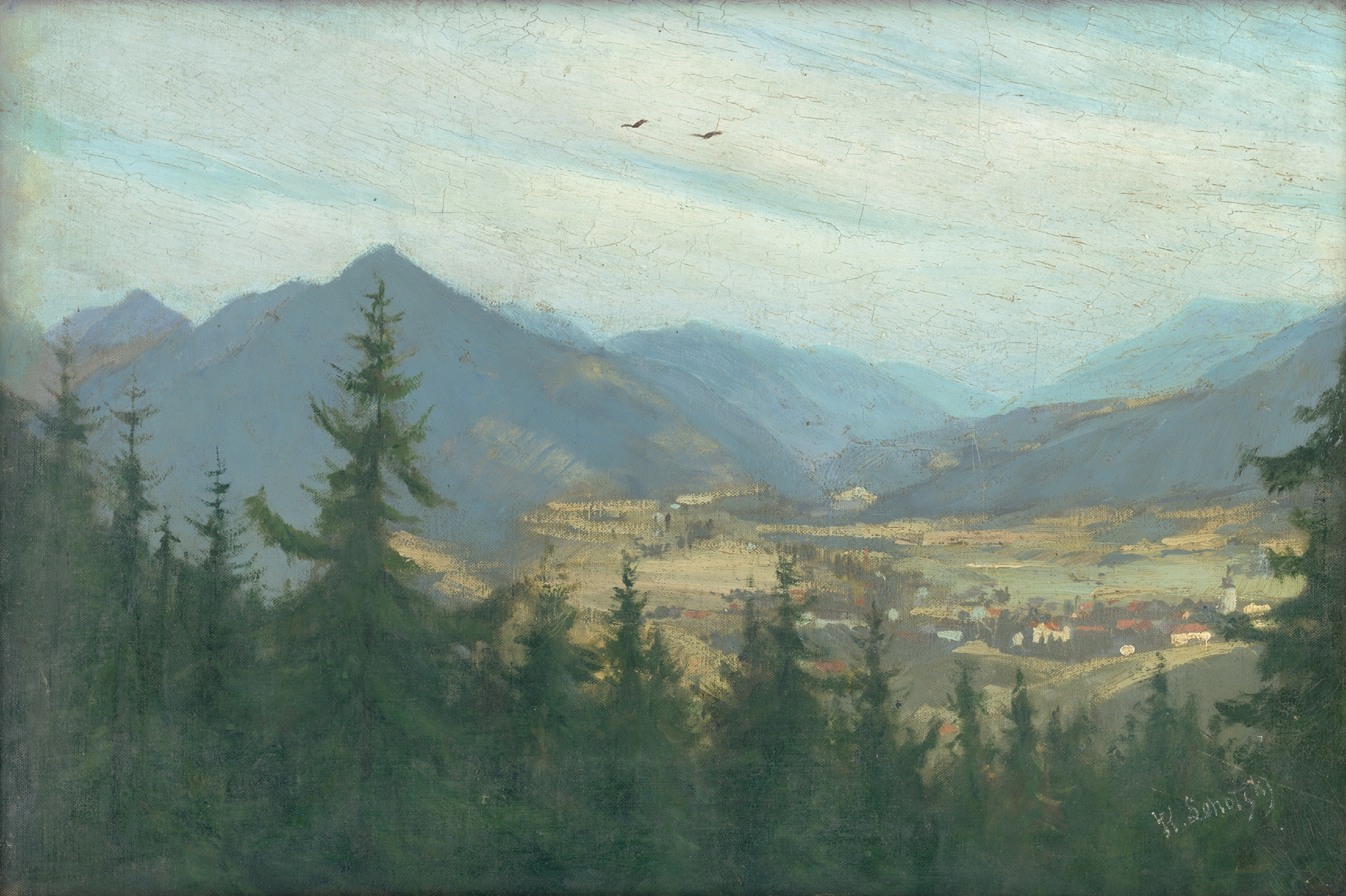
Each element in the composition, from the quaint cottages to the verdant landscape, invokes a sense of longing for simpler times—a subtle yearning for moments that slip away like water through fingers. In 1900, Lehotský painted this scene during a period of significant artistic exploration in Europe. Nestled in his native Slovakia, he embraced the natural world, seeking to capture the essence of rural life. This piece reflects a broader movement among artists who were turning away from the industrialization of their surroundings, opting instead to celebrate the beauty found in simplicity and tradition.