Autumn Landscape — History & Analysis
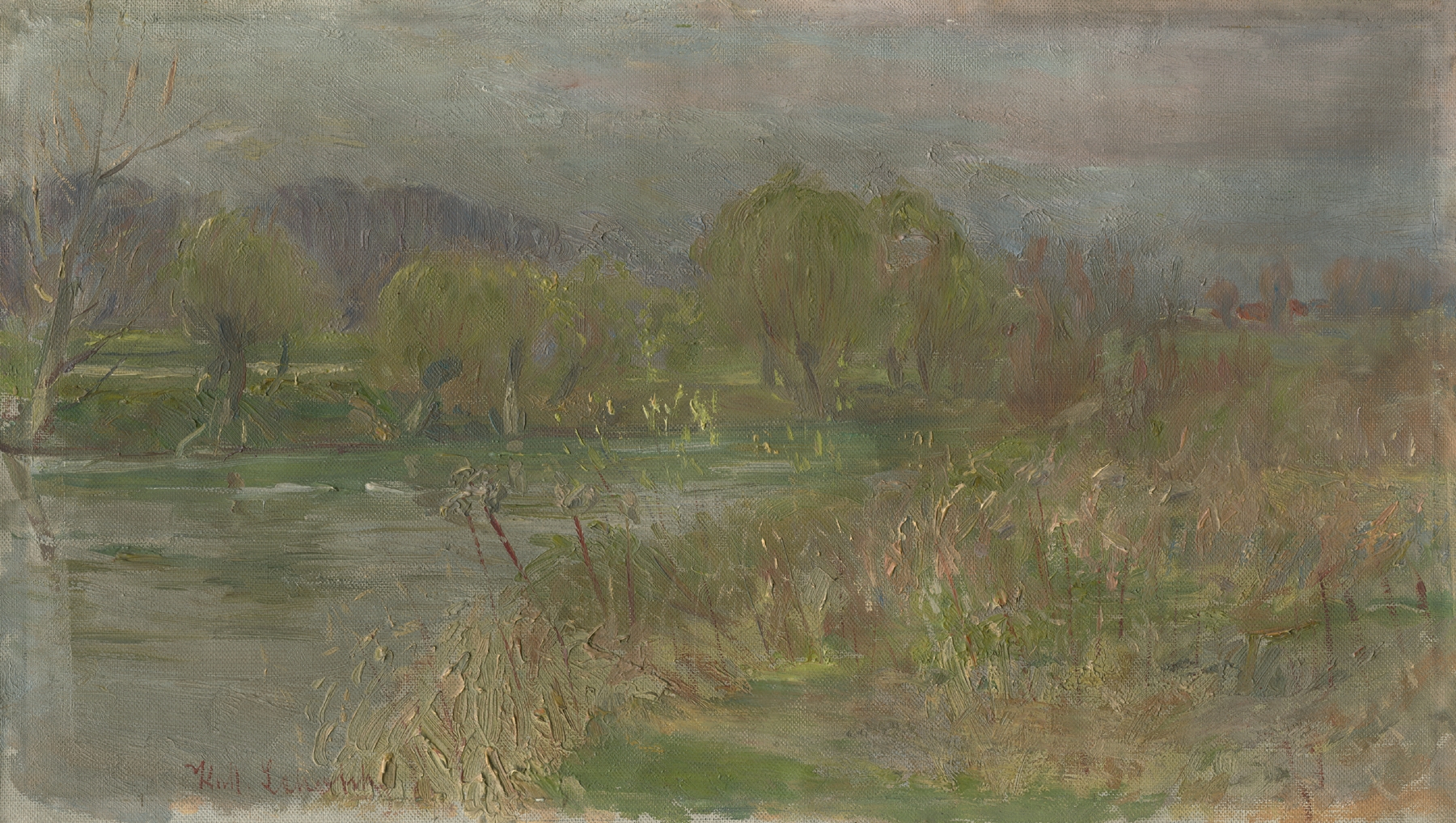
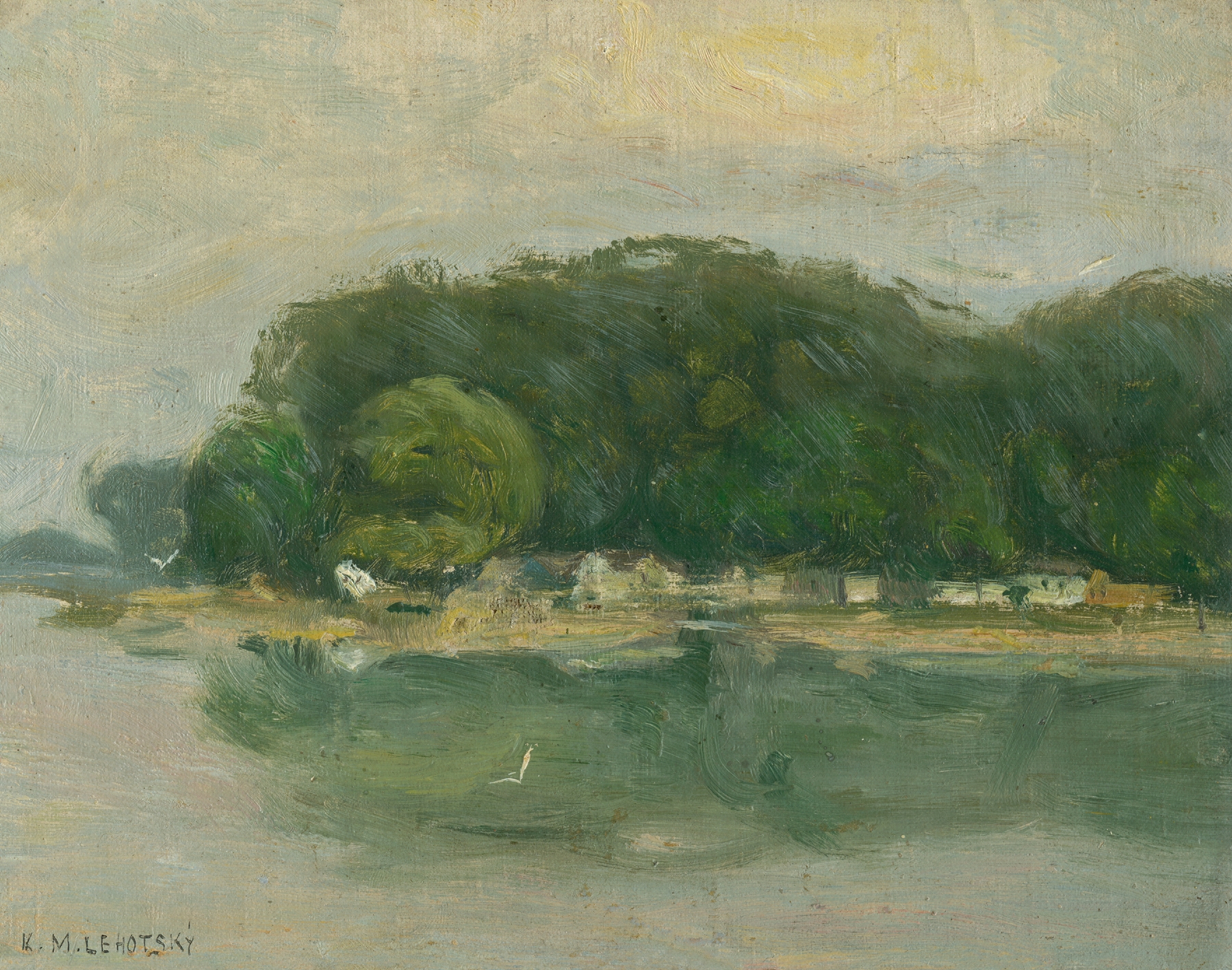
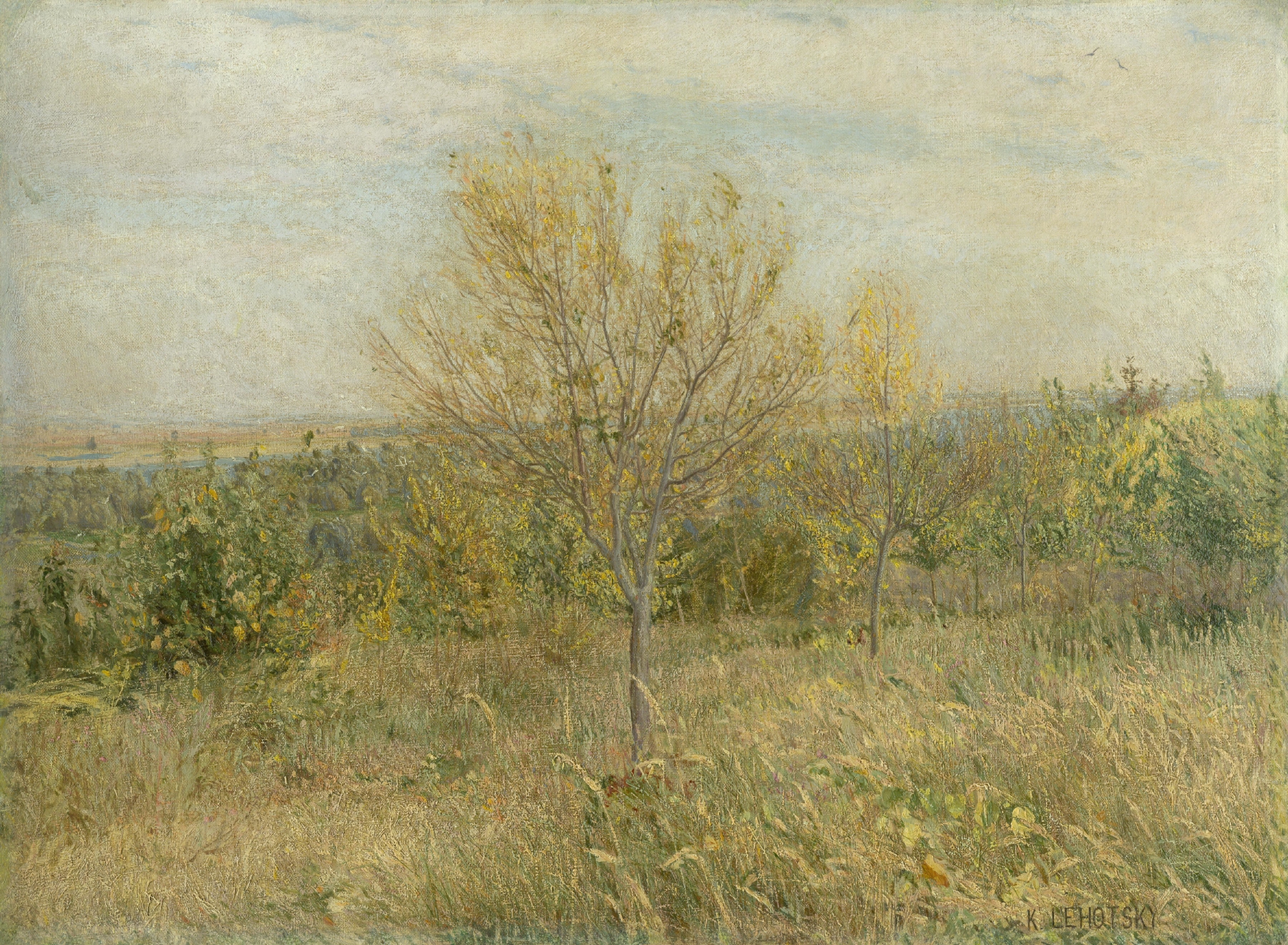
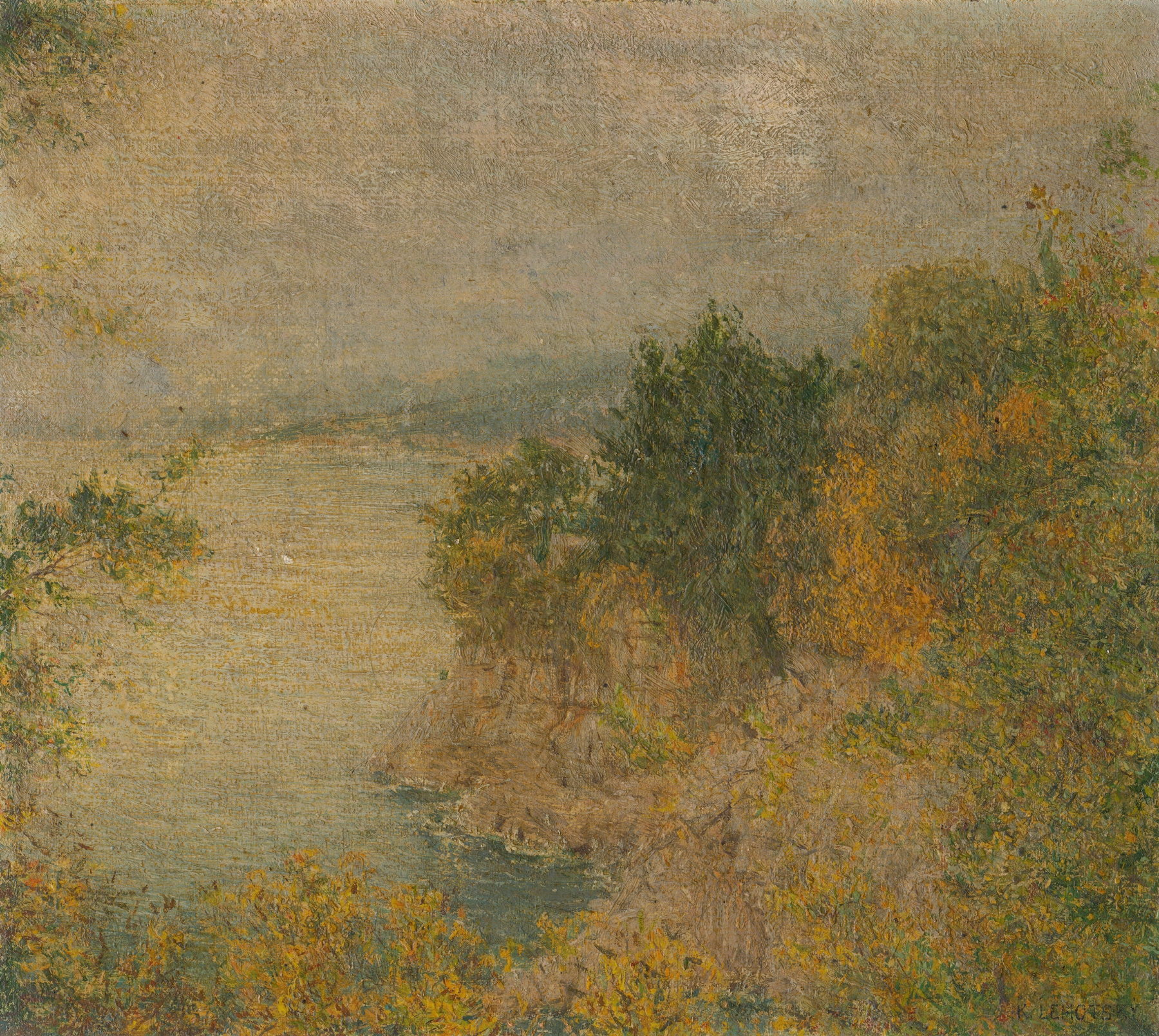
Can beauty exist without sorrow? The tranquil hues of Autumn Landscape beckon the viewer into a world where the warmth of vibrant foliage meets the chill of impending winter, evoking a sense of nostalgia that resonates deeply within the soul. Look to the left at the trees, their leaves a fiery mélange of oranges, reds, and yellows, seemingly ablaze against the crisp blue sky. Notice how the palette shifts seamlessly, with cooler tones creeping in, hinting at the fleeting nature of this autumn day.
The painter’s deft brushwork captures the gentle sway of the branches, while the soft light creates a dreamlike ambiance, drawing attention to the winding path that meanders through the foliage and invites exploration. Underlying this picturesque scene is a poignant contrast: the transient beauty of autumn juxtaposed with the knowledge that the season must yield to winter’s starkness. The interplay of light and shadow speaks to the inevitability of change, and the way the light filters through the trees suggests a longing for moments that, while lovely, are momentary. This tension between beauty and loss, presence and absence, speaks of that universal yearning for what has been, underscoring the bittersweet essence of memory.
Karol Miloslav Lehotský painted Autumn Landscape between 1900 and 1910, during a period marked by a return to nature and a growing appreciation for the fleeting moments of life. Living in a Europe that was undergoing both artistic and societal transformations, Lehotský found solace in the natural world, capturing not just landscapes but the emotional truths they evoke. His work reflects a deep connection to the environment, as well as a meditation on the passage of time that resonates with the viewer even today.