Quiet canal — History & Analysis
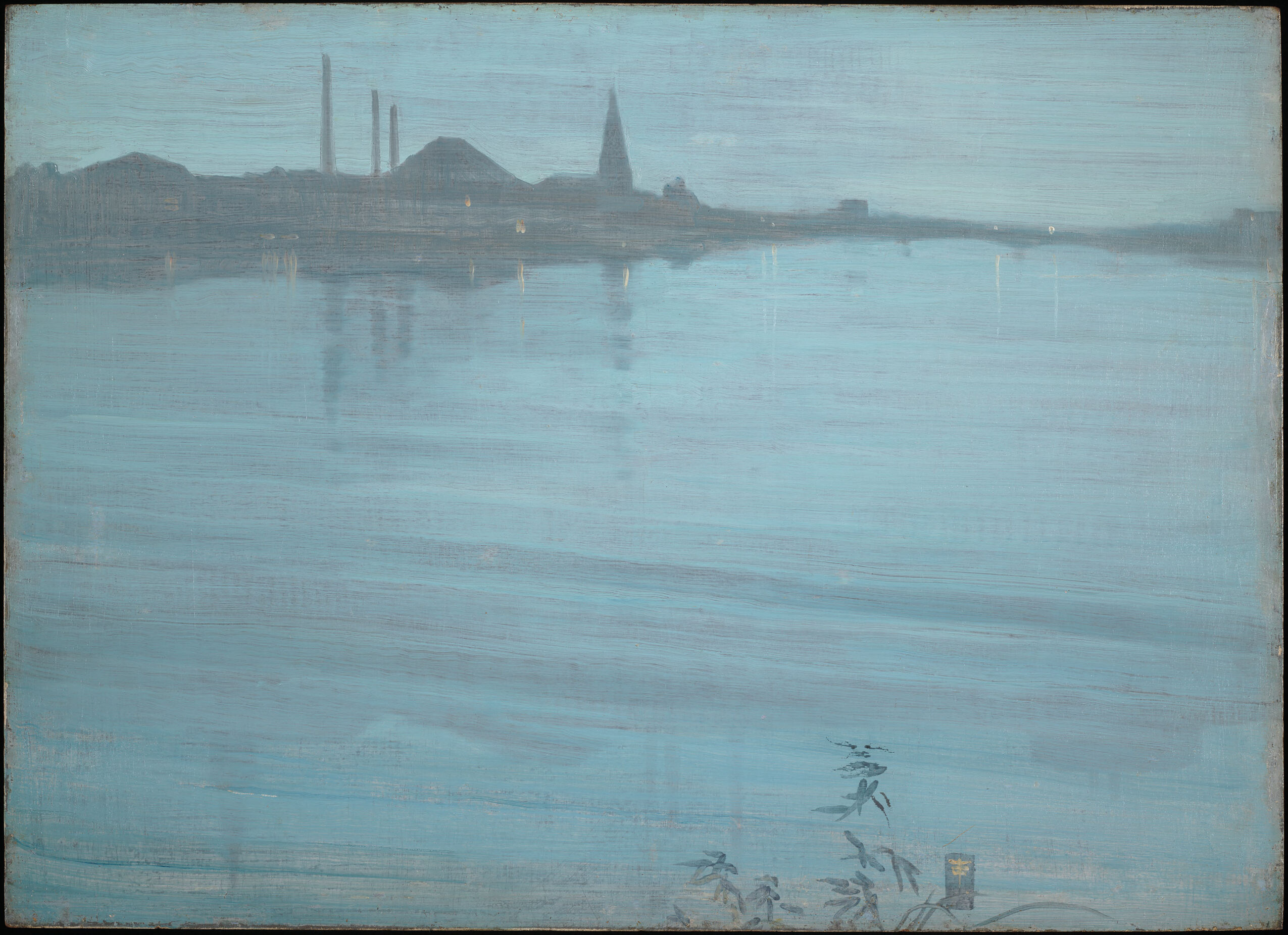
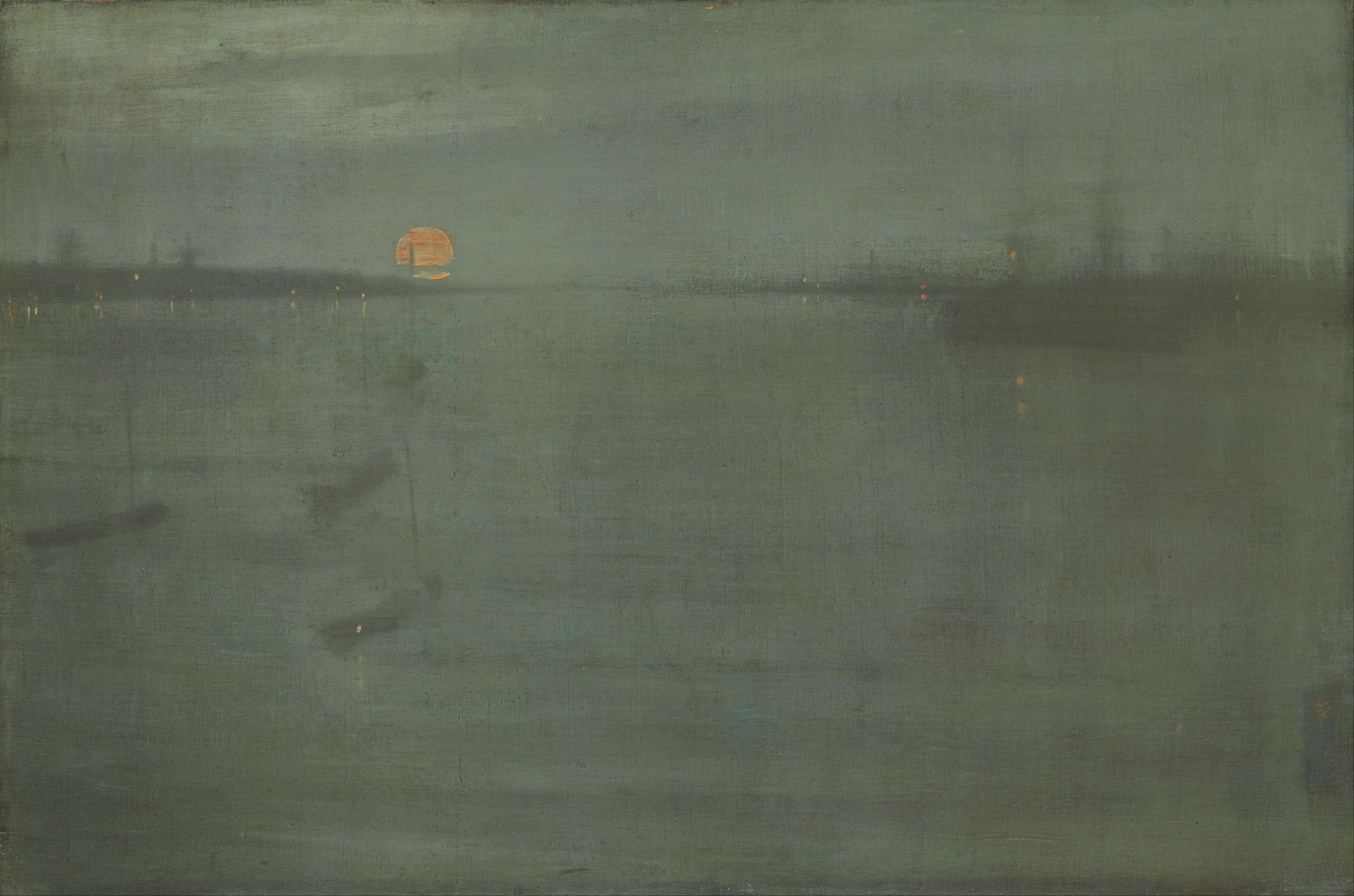
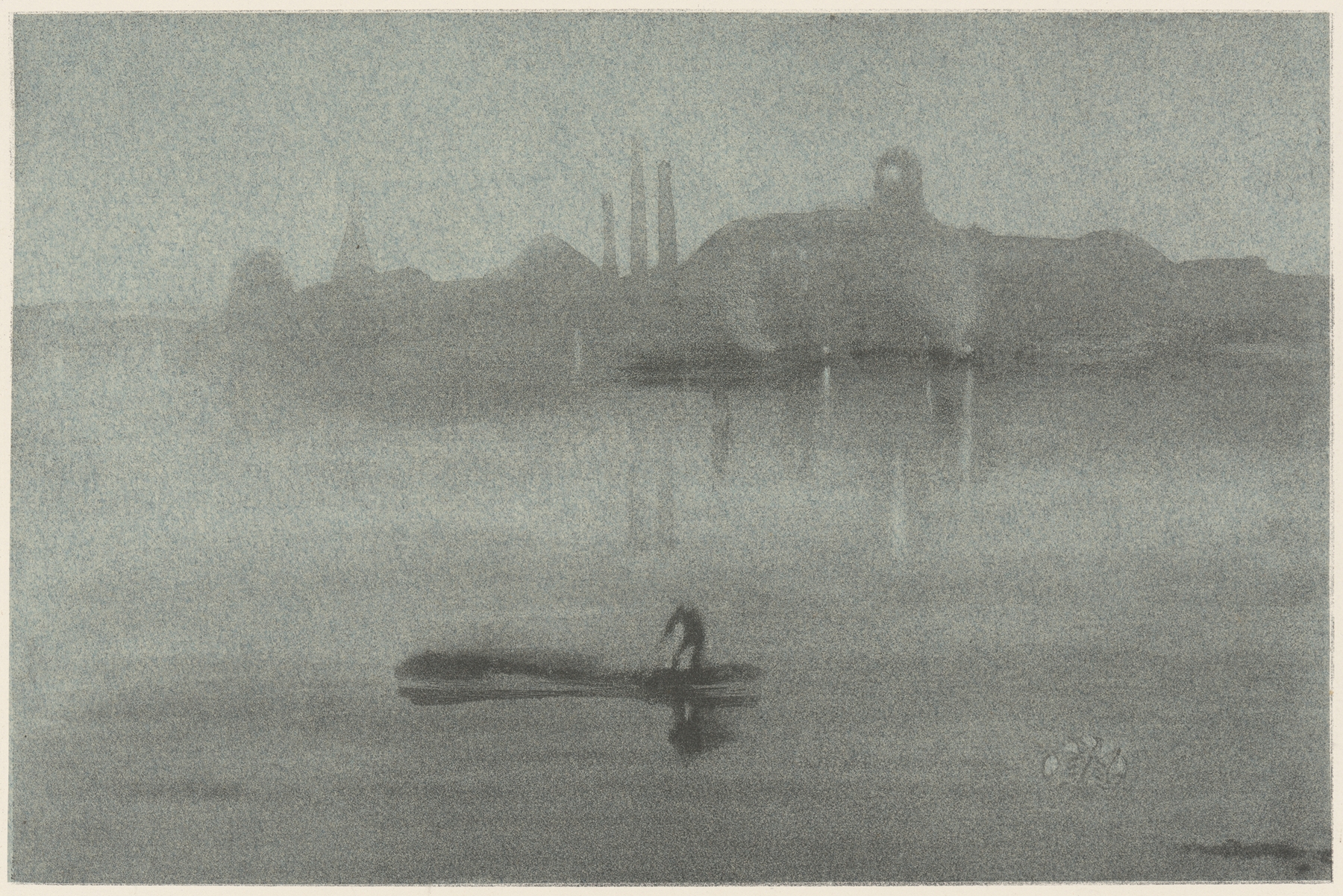
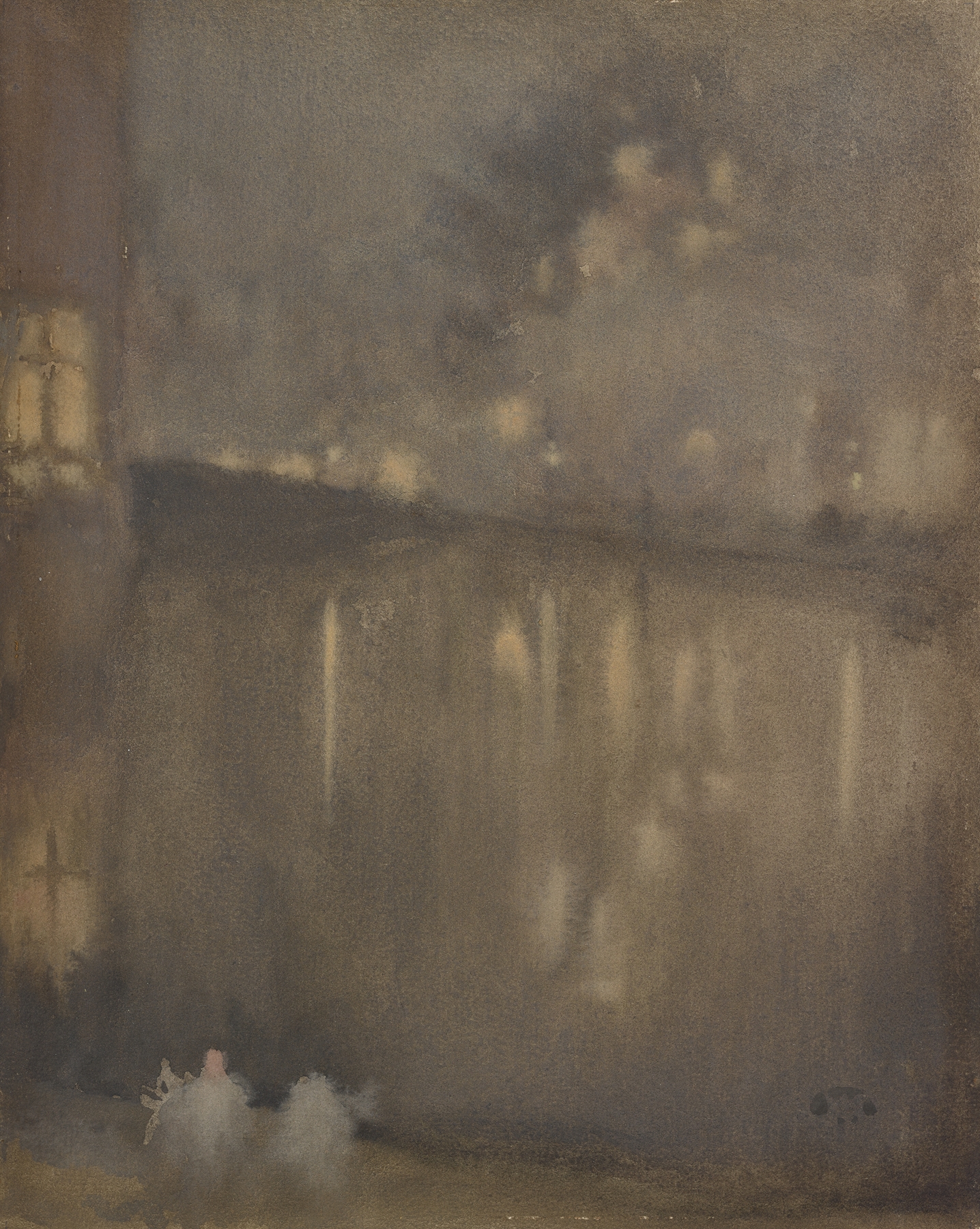
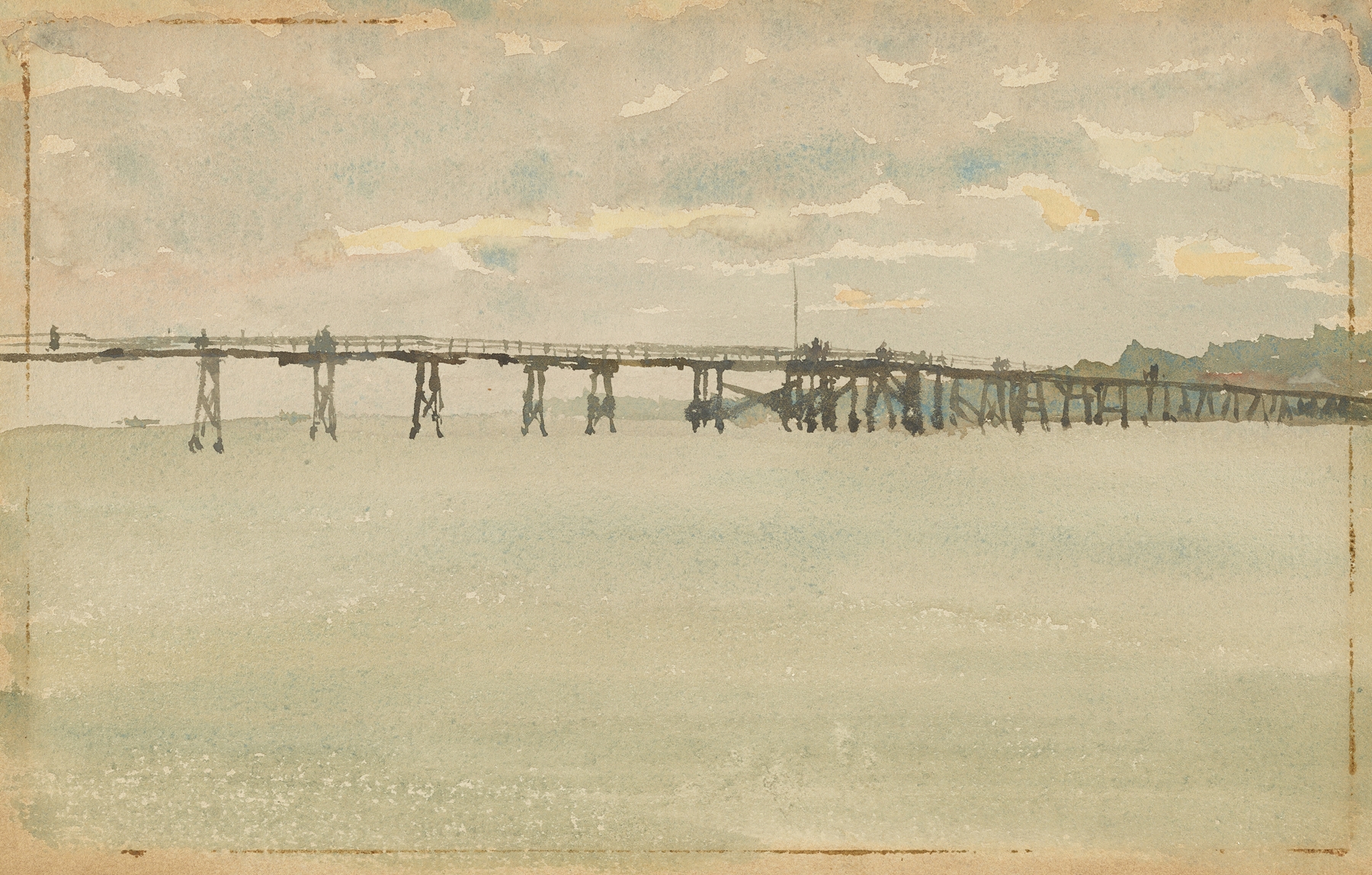
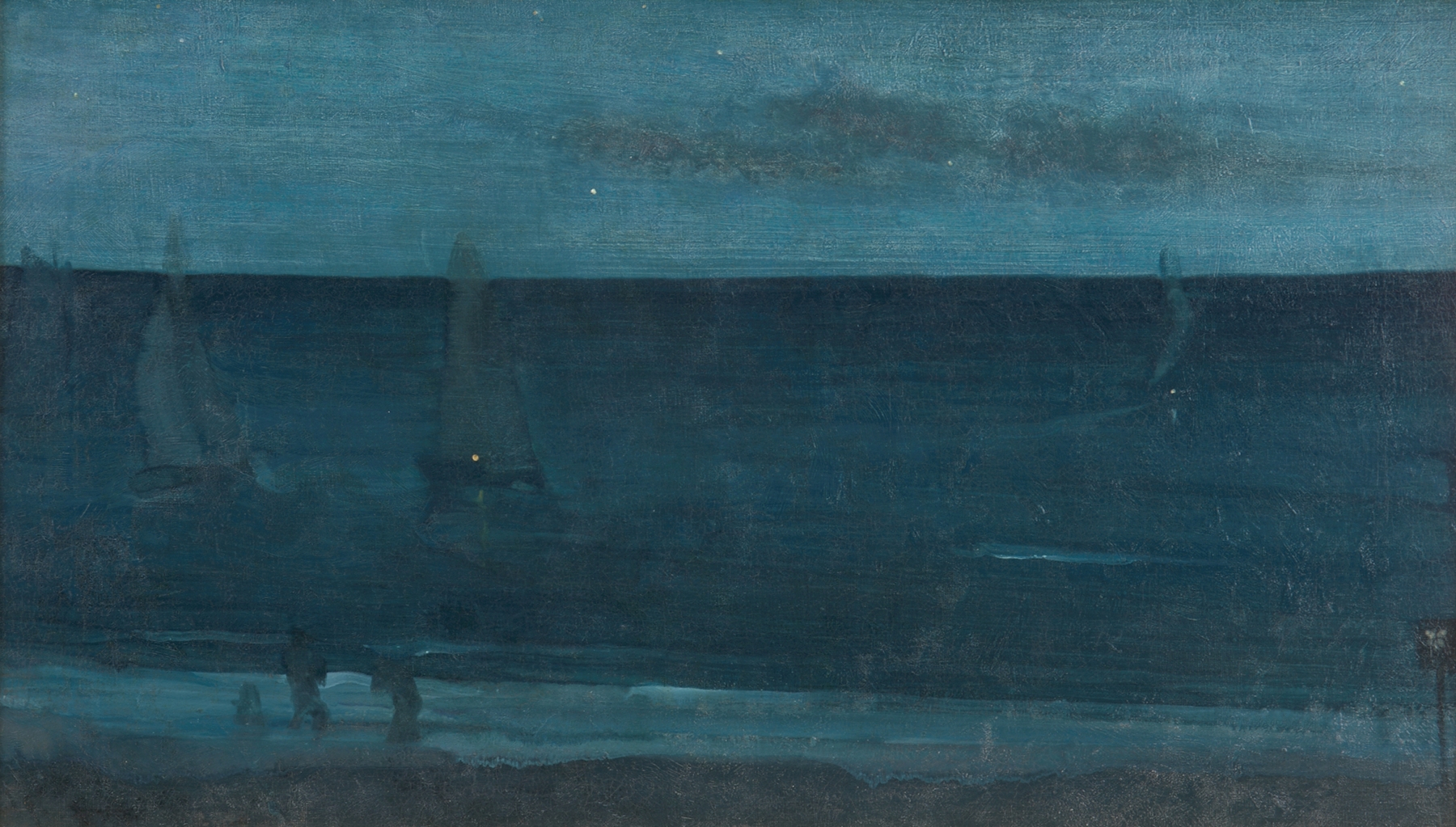
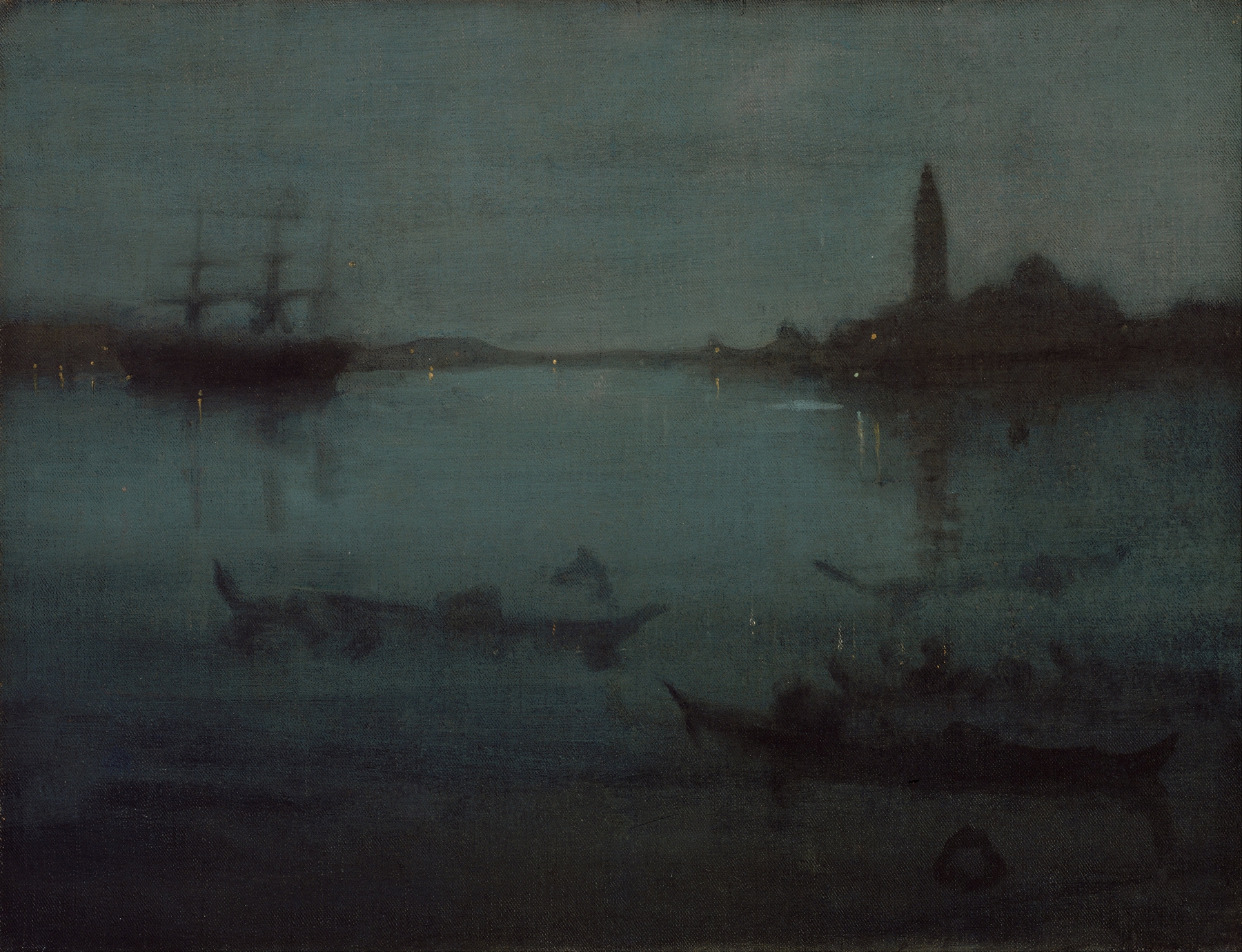
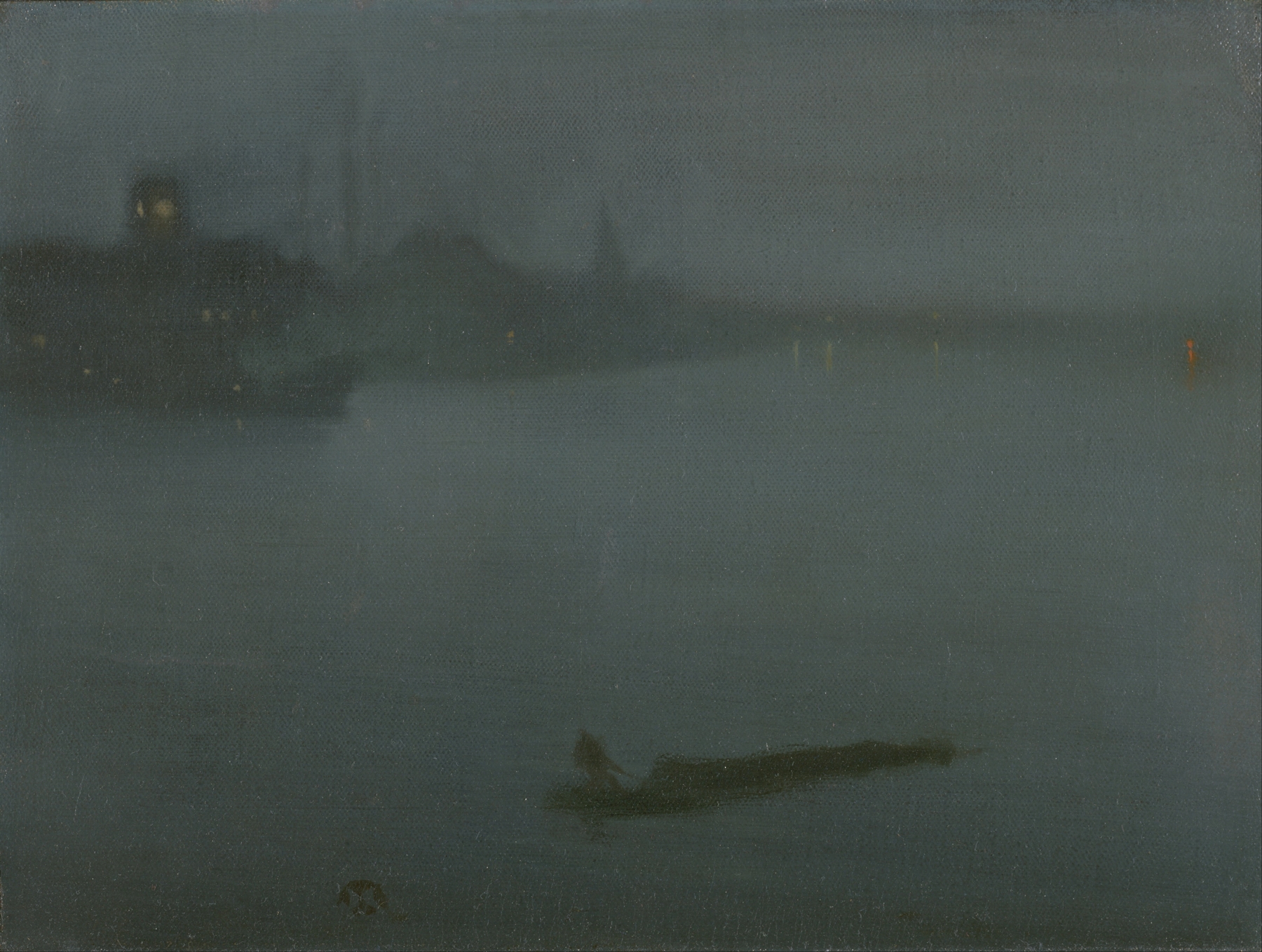
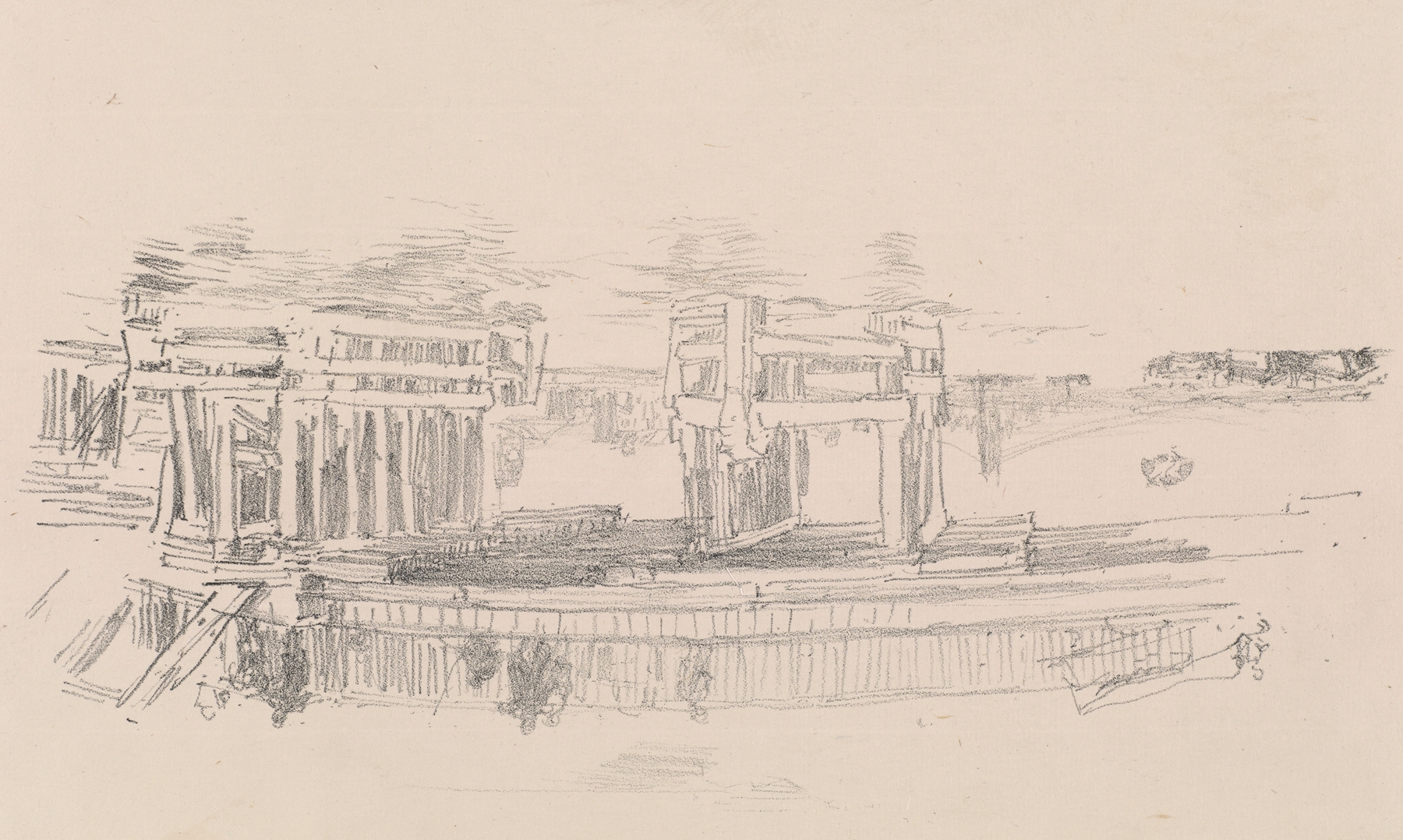
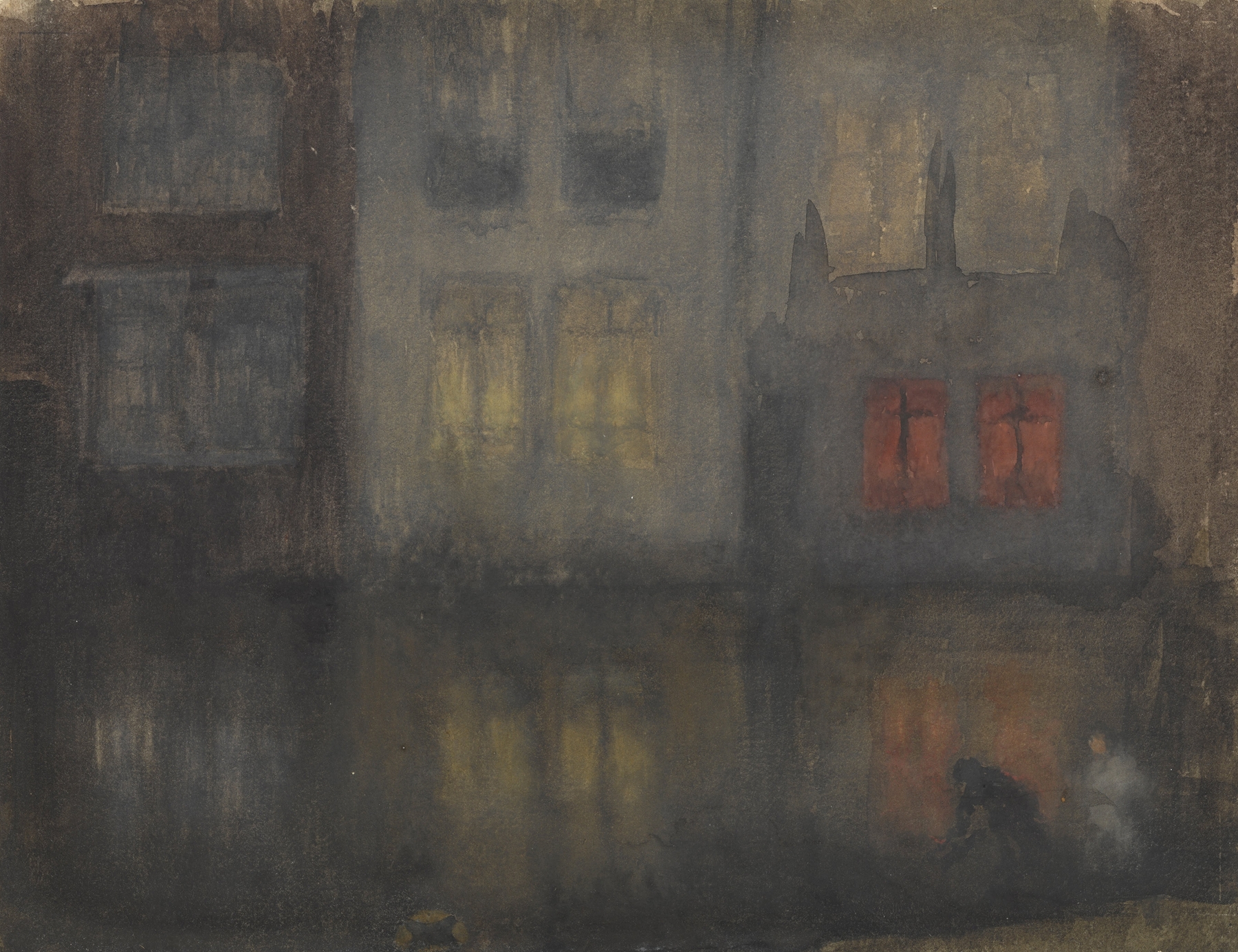
“The canvas doesn’t lie — it simply waits.” In Whistler’s world, color is the quiet whisper of truth, revealing layered depths beneath a serene surface. Look to the soft, muted palette that blankets the scene; shades of blue and grey wash over the canvas, creating an atmosphere thick with stillness. Notice how the light glows gently, illuminating the water and lending a reflective quality to the surface. The brushwork is delicate and fluid, guiding your gaze across the canal's mirror-like expanse, inviting you to lose yourself in its tranquil embrace.
Delve deeper, and you’ll uncover a subtle tension between nature and industry, as the distant silhouettes of structures loom on the horizon. The delicate interplay of light and shadow evokes a sense of solitude, while the overall composition hints at a fleeting moment, preserved in paint. Each stroke seems to hold a breath, capturing the nuanced essence of a place that exists between reality and imagination.
In 1879, Whistler painted this piece during a transformative period in his career, as he moved into a phase where color became paramount. Living in Paris, he was influenced by the Impressionist movement while simultaneously striving for a more personal expression of beauty. This work reflects his evolving philosophy on art, a dedication to capturing the essence of a scene rather than its exact likeness, marking a pivotal moment in the world of modern painting.