Quiet Seascape — History & Analysis
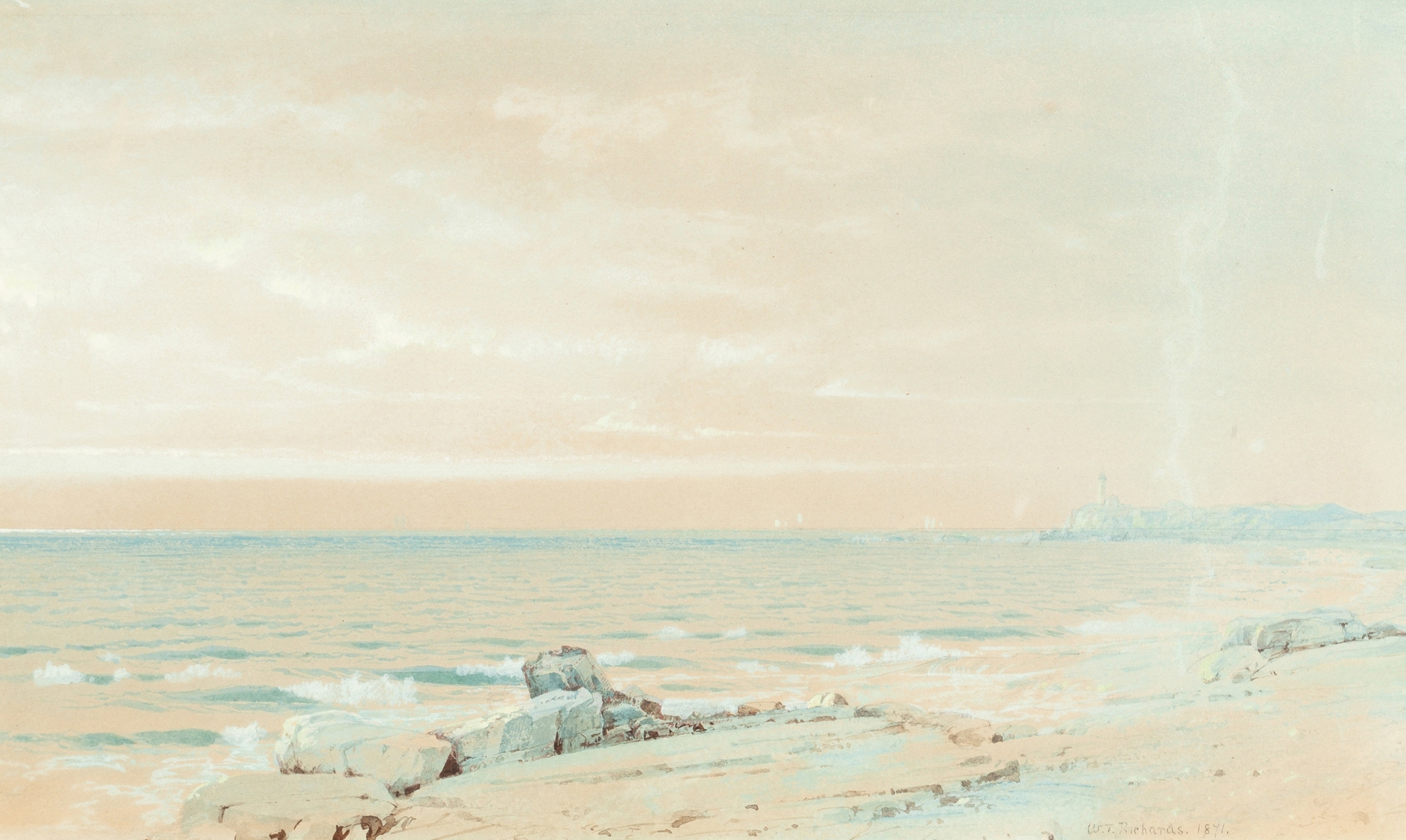
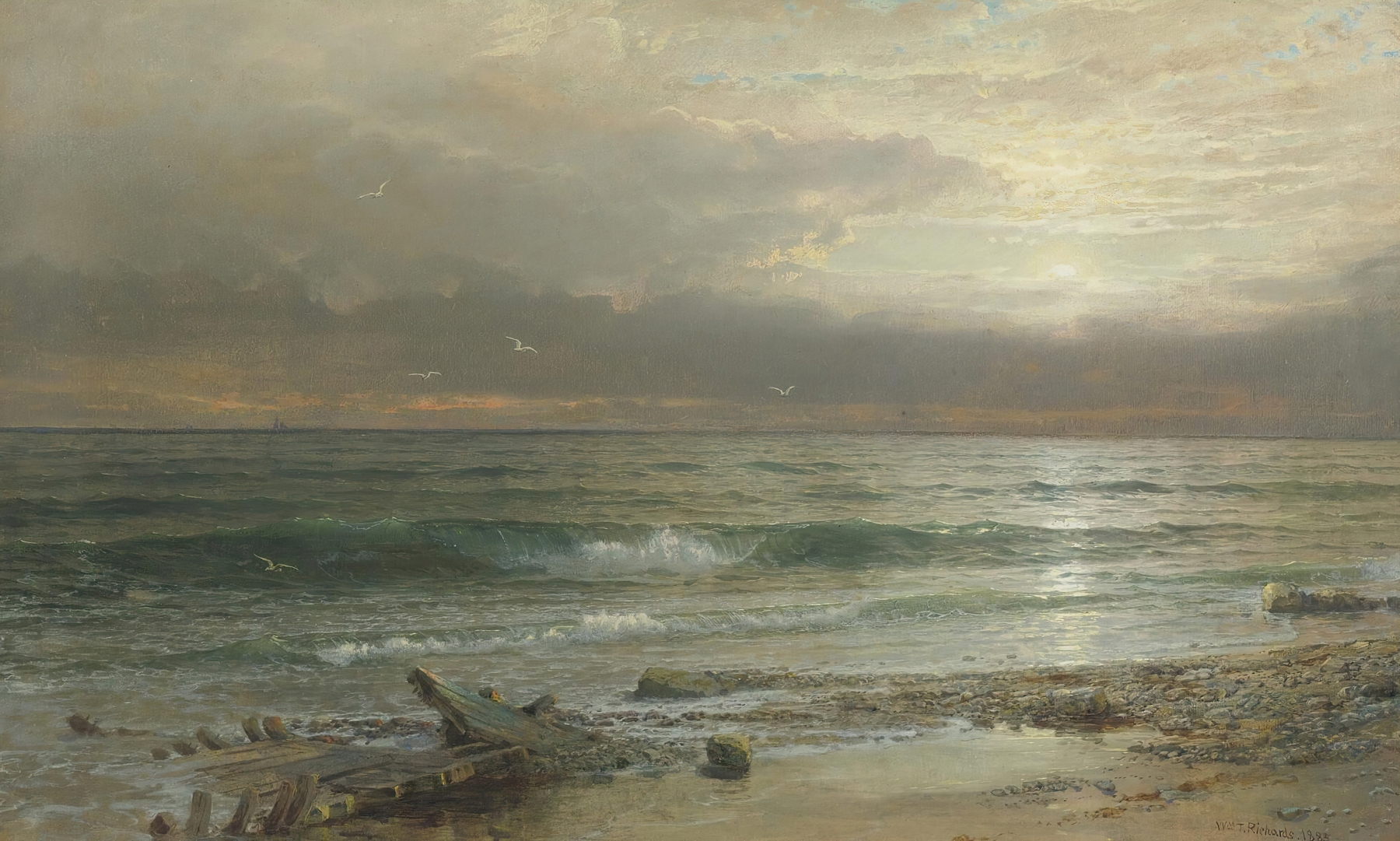
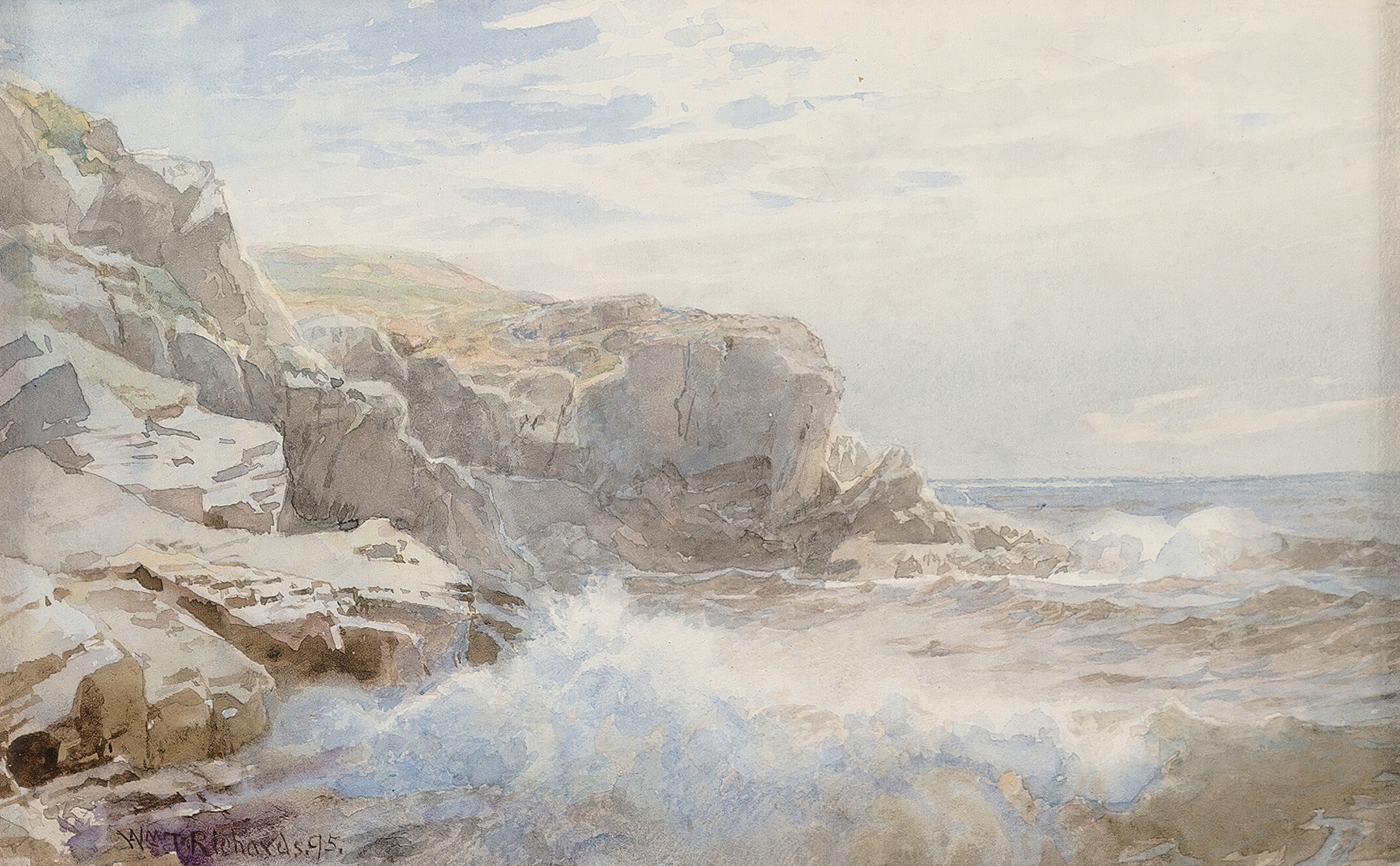
Could a single brushstroke hold eternity? In Quiet Seascape, the essence of innocence whispers through the serene waves, inviting the viewer to pause and reflect on the tranquility of nature. Focus first on the horizon, where soft blues and gentle whites blend seamlessly, creating a horizon that feels both infinite and intimate. The subtle variations in color capture the delicate interplay of light on water, while the textured strokes of the waves invite you to imagine the soothing sound of the sea.
Each brushstroke is deliberate yet loose, embodying an untroubled spirit, evoking the simplicity and purity of the natural world. Deeper truths emerge as you linger over the calm surface; the gentle undulations hint at unseen currents beneath, suggesting that even in moments of peace, life pulses with complexity. The distant shoreline, painted with muted earth tones, contrasts with the vibrant blues, symbolizing the interconnectedness of land and sea, innocence and experience. This interplay evokes a sense of longing, as if the viewer yearns to dive deeper into the mysteries hidden within the tranquil scene.
In 1883, William Trost Richards created Quiet Seascape while residing in Newport, Rhode Island, a place that profoundly influenced his work. During this period, he was exploring the themes of nature and light, reflecting the growing American interest in the natural landscape as a subject for serious art. His commitment to realism and the accurate portrayal of atmospheric effects positioned him as a vital figure in the American art scene of his time.