Ragland Castle, Monmouhshire — History & Analysis
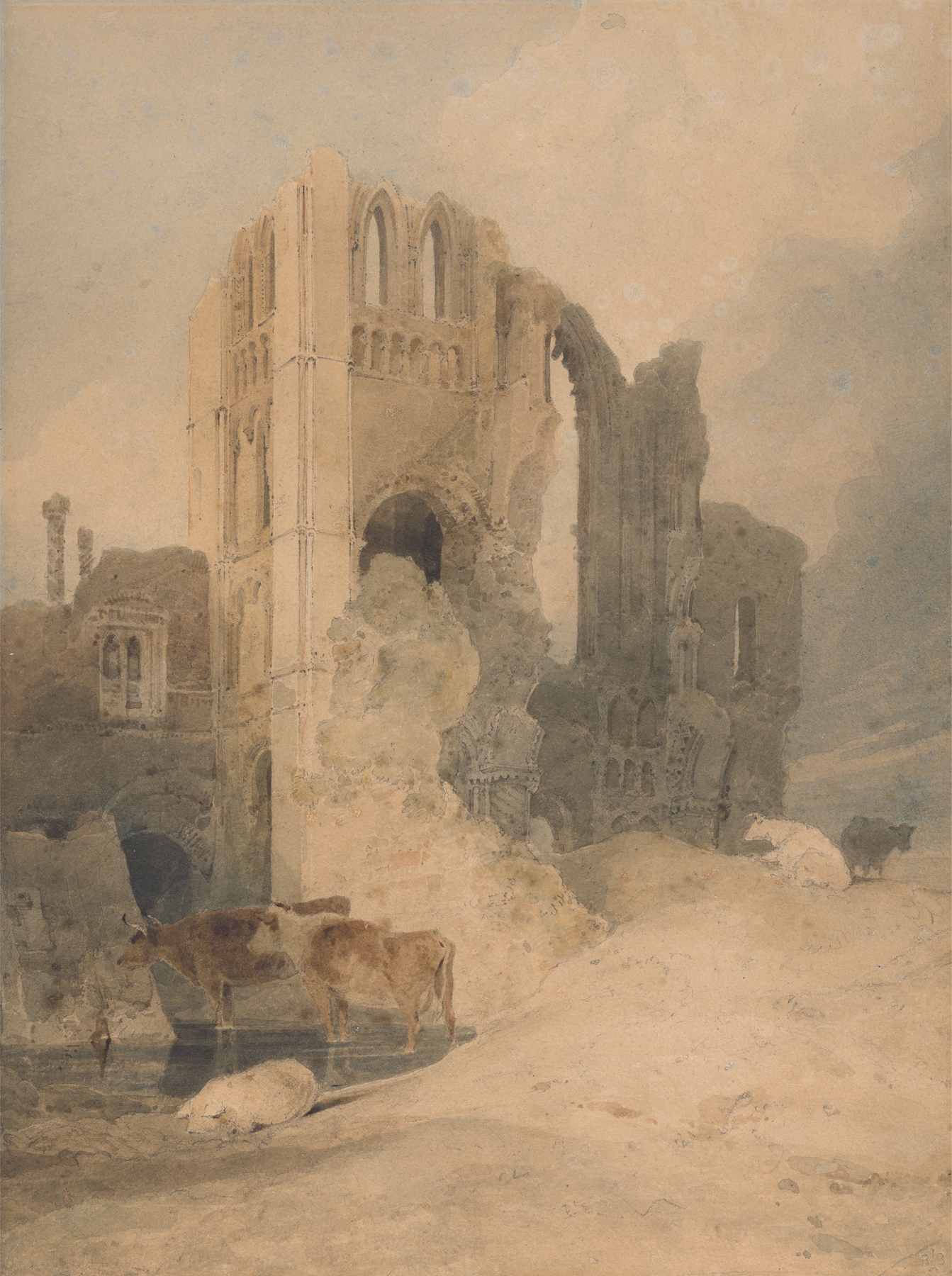
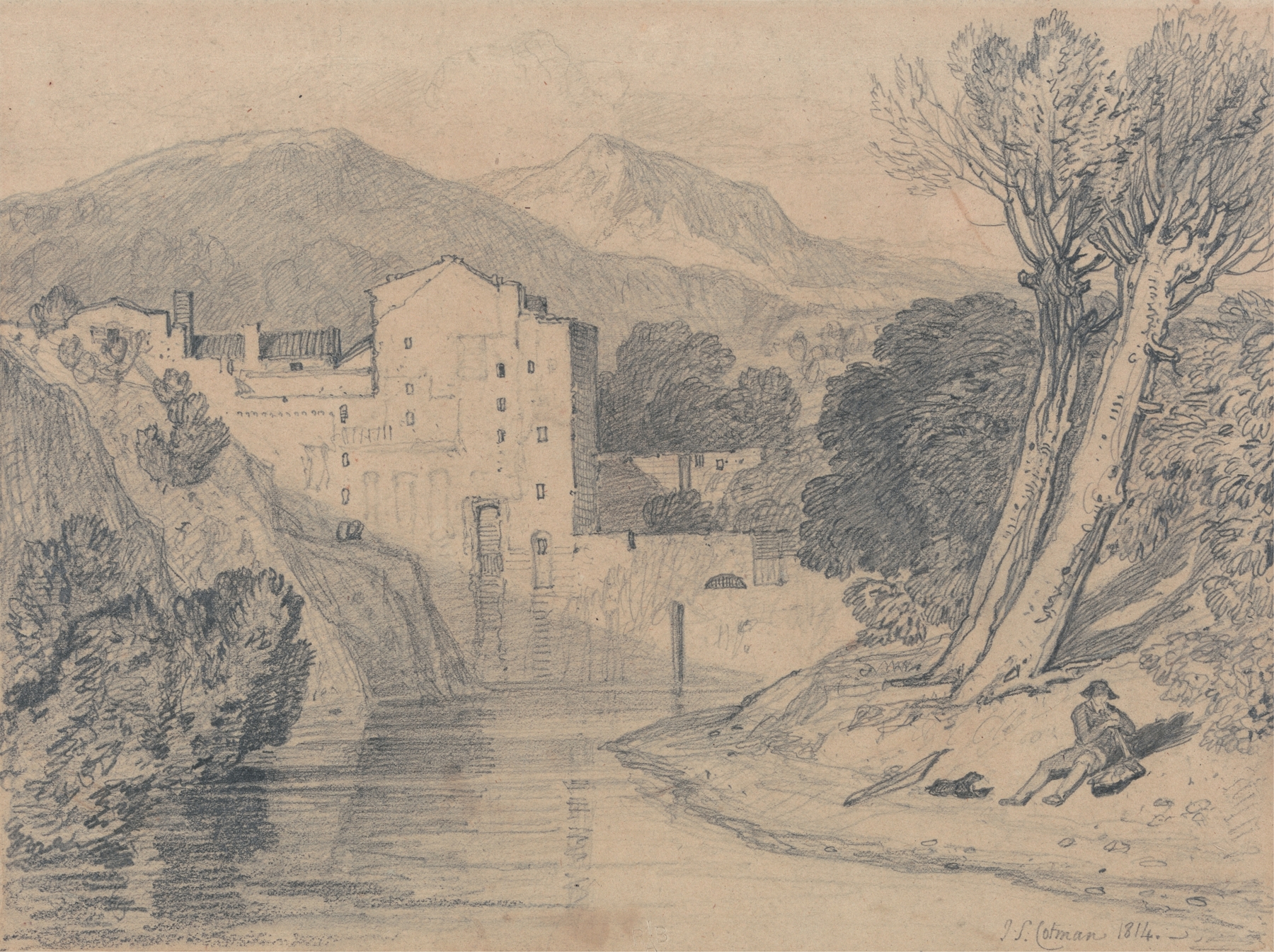
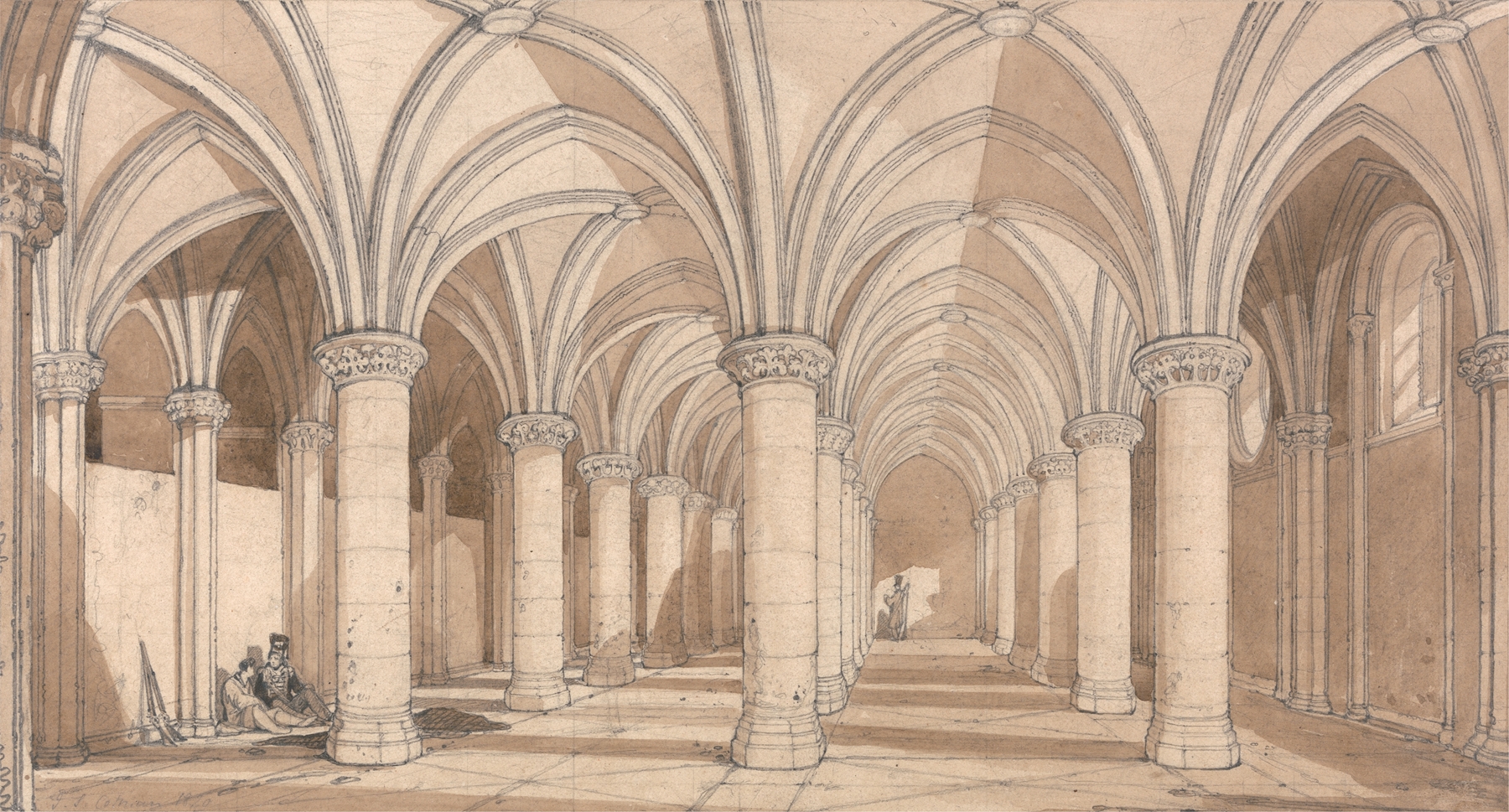
Can beauty exist without sorrow? In Ragland Castle, Monmouthshire, the delicate interplay of light and shadow invites us into a dreamlike world, where remnants of history whisper tales of both splendor and decay. Focus your gaze on the castle’s weathered facade, which commands the center of the composition. Notice how the soft hues of blue and grey blend seamlessly, capturing the ethereal quality of the landscape.
The gentle brushstrokes evoke a sense of tranquility while hinting at the passage of time, drawing viewers into a serene yet melancholic reverie. As your eyes traverse the painting, subtle contrasts emerge—lush greenery frames the stone structure, symbolizing life’s resilience against the backdrop of deterioration. The ethereal clouds above seem to float in a suspended moment, suggesting that the beauty of architecture is indelibly intertwined with the inexorable march of time. Each detail, from the finely rendered foliage to the desolate ruins, raises questions about legacy, memory, and the impermanence of grandeur.
In 1838, John Sell Cotman painted this evocative scene during a period of artistic exploration in Britain. At this time, the Romantic movement was gaining momentum, and artists were increasingly drawn to the sublime qualities found in nature and historical ruins. Cotman, deeply influenced by his travels and the picturesque charm of the Welsh landscape, sought to capture a moment that reflected both the beauty and the inevitable decline of human creation.