Railway Arch — History & Analysis
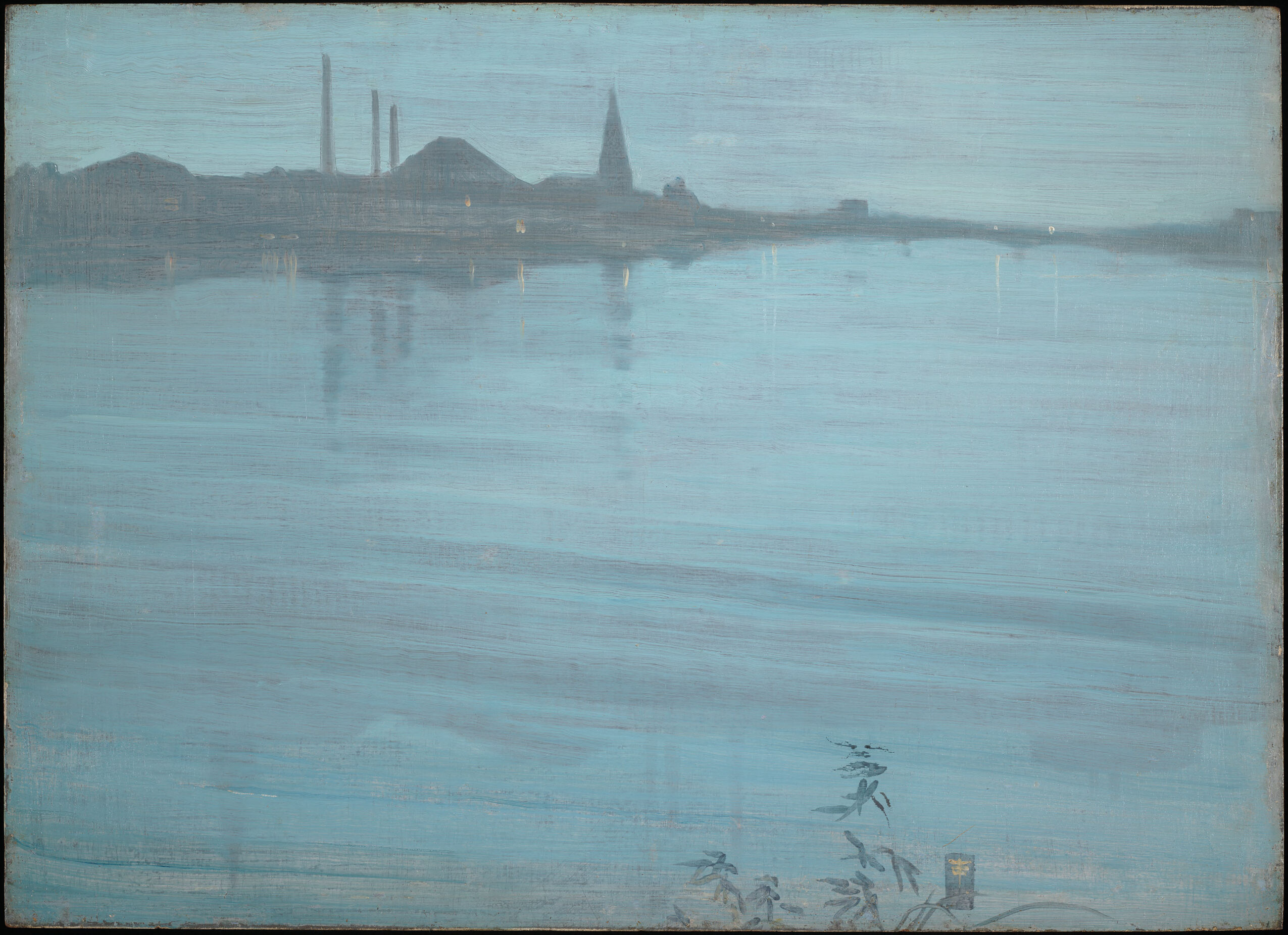
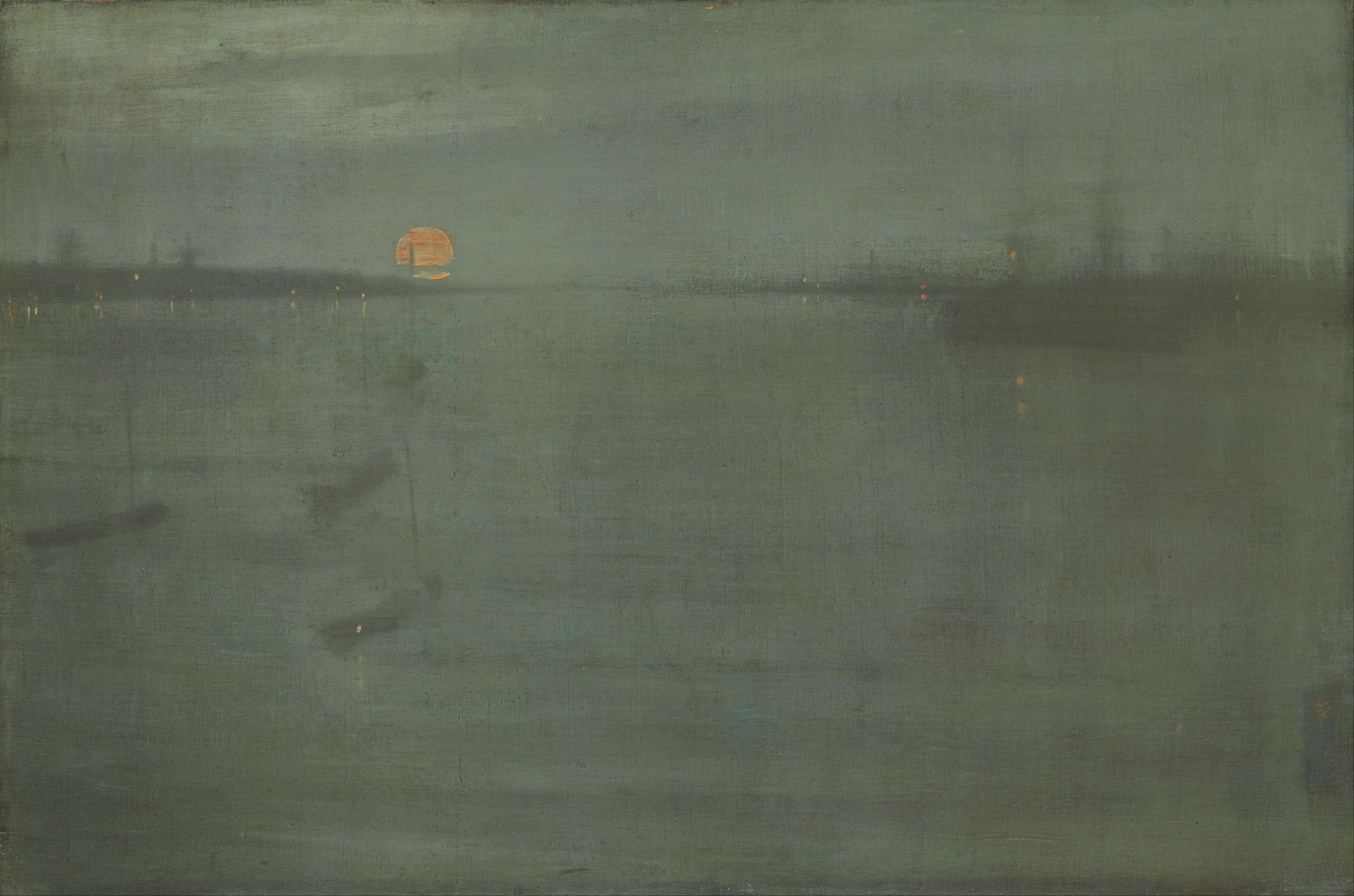
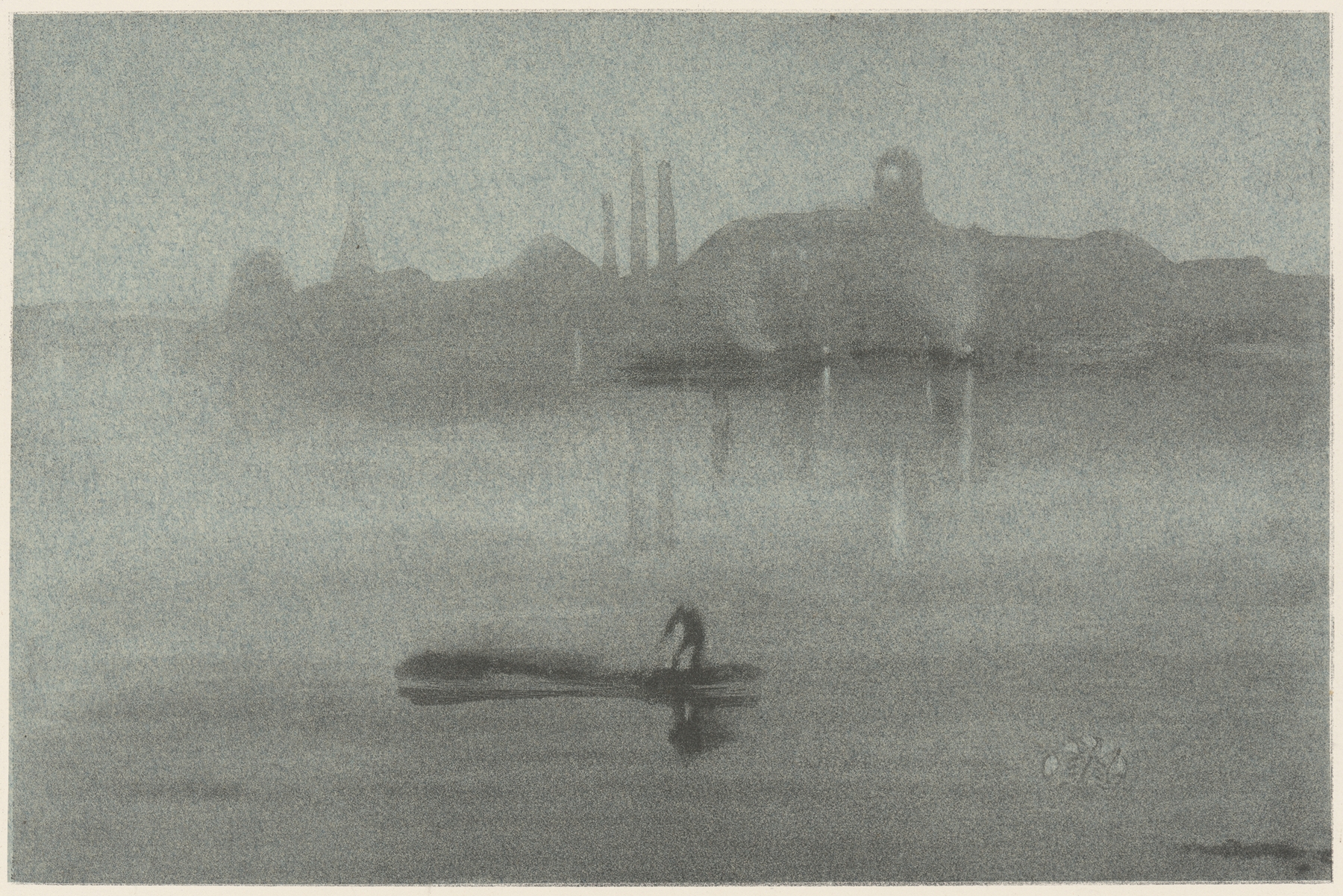
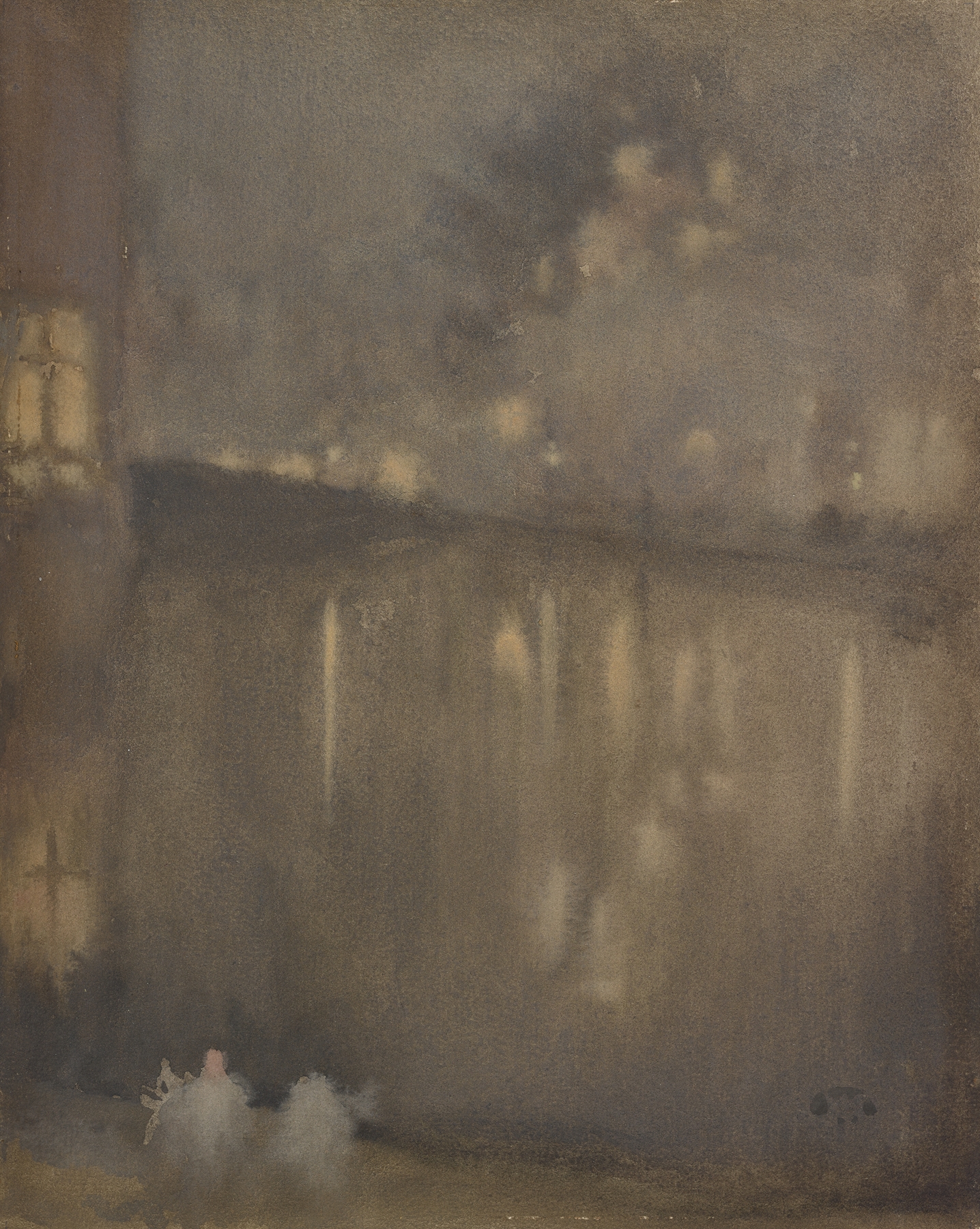
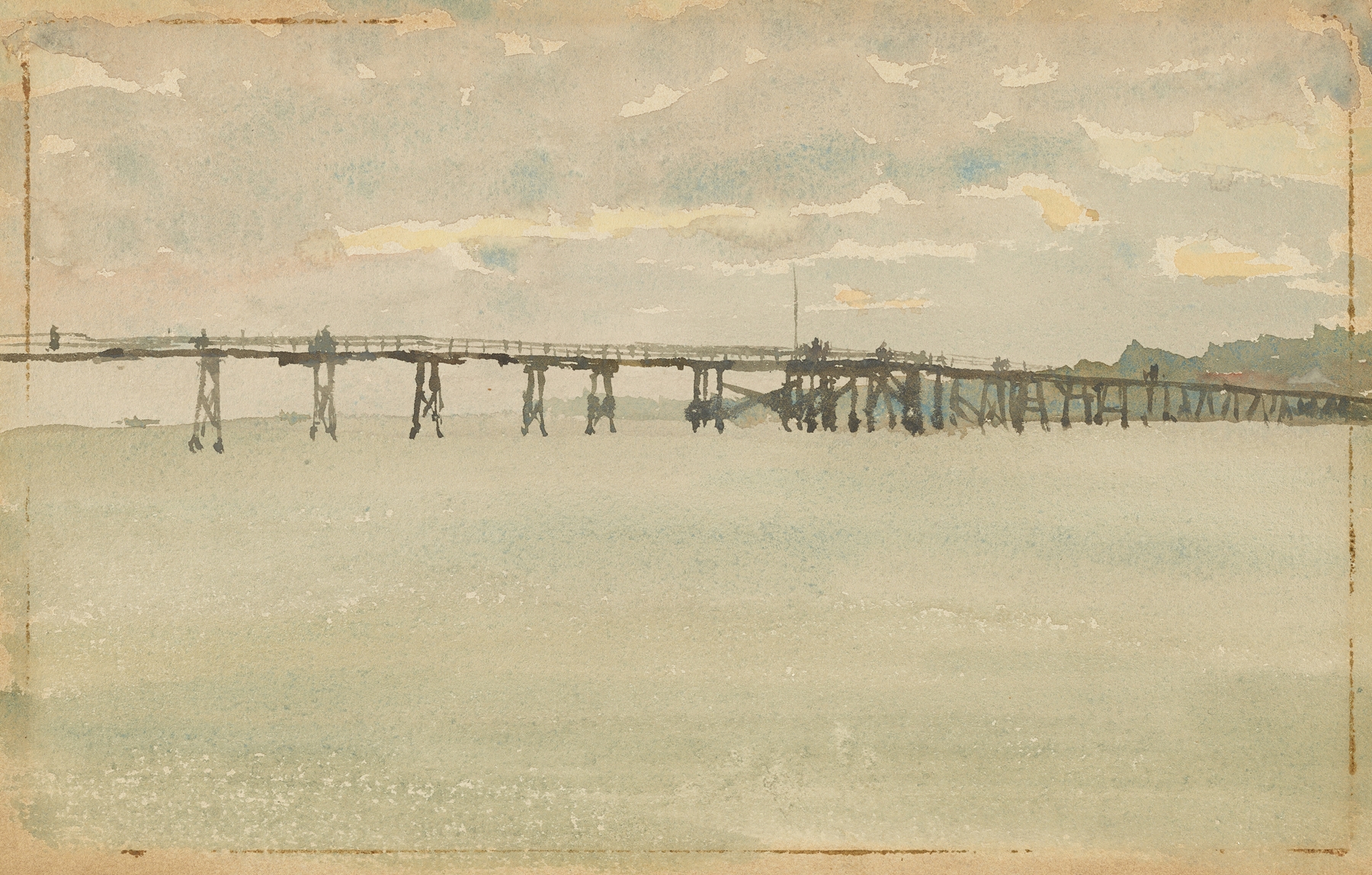
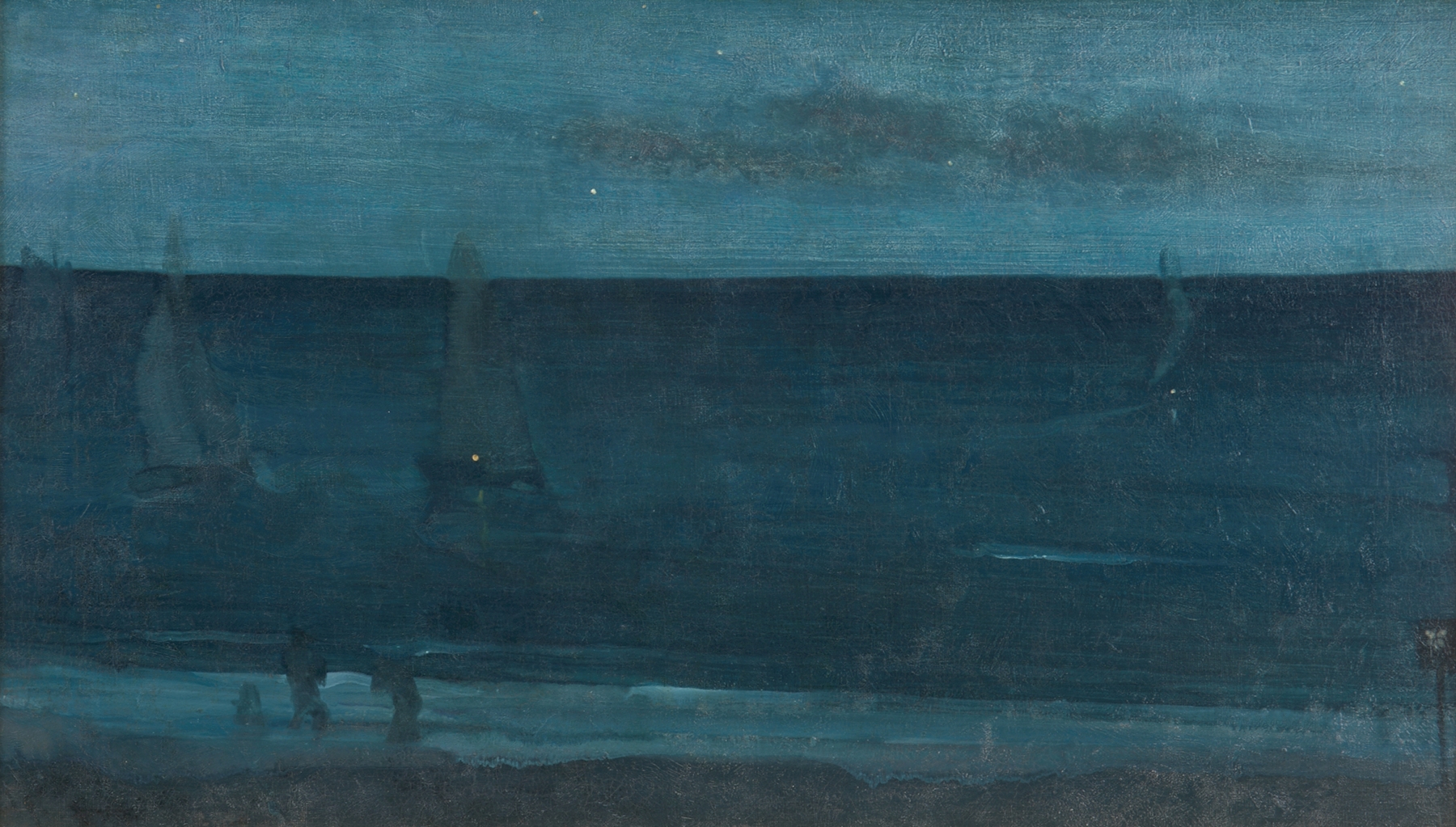
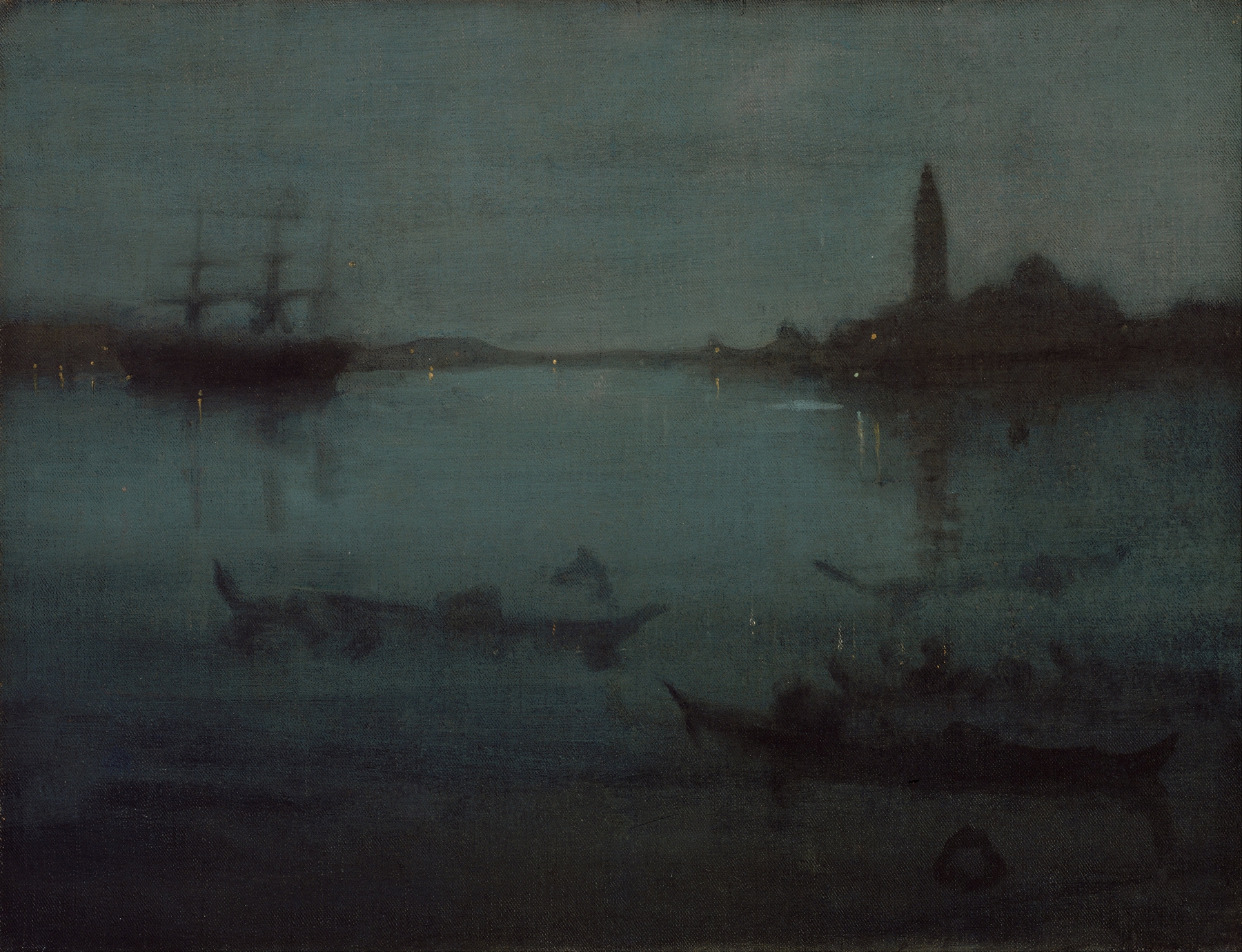
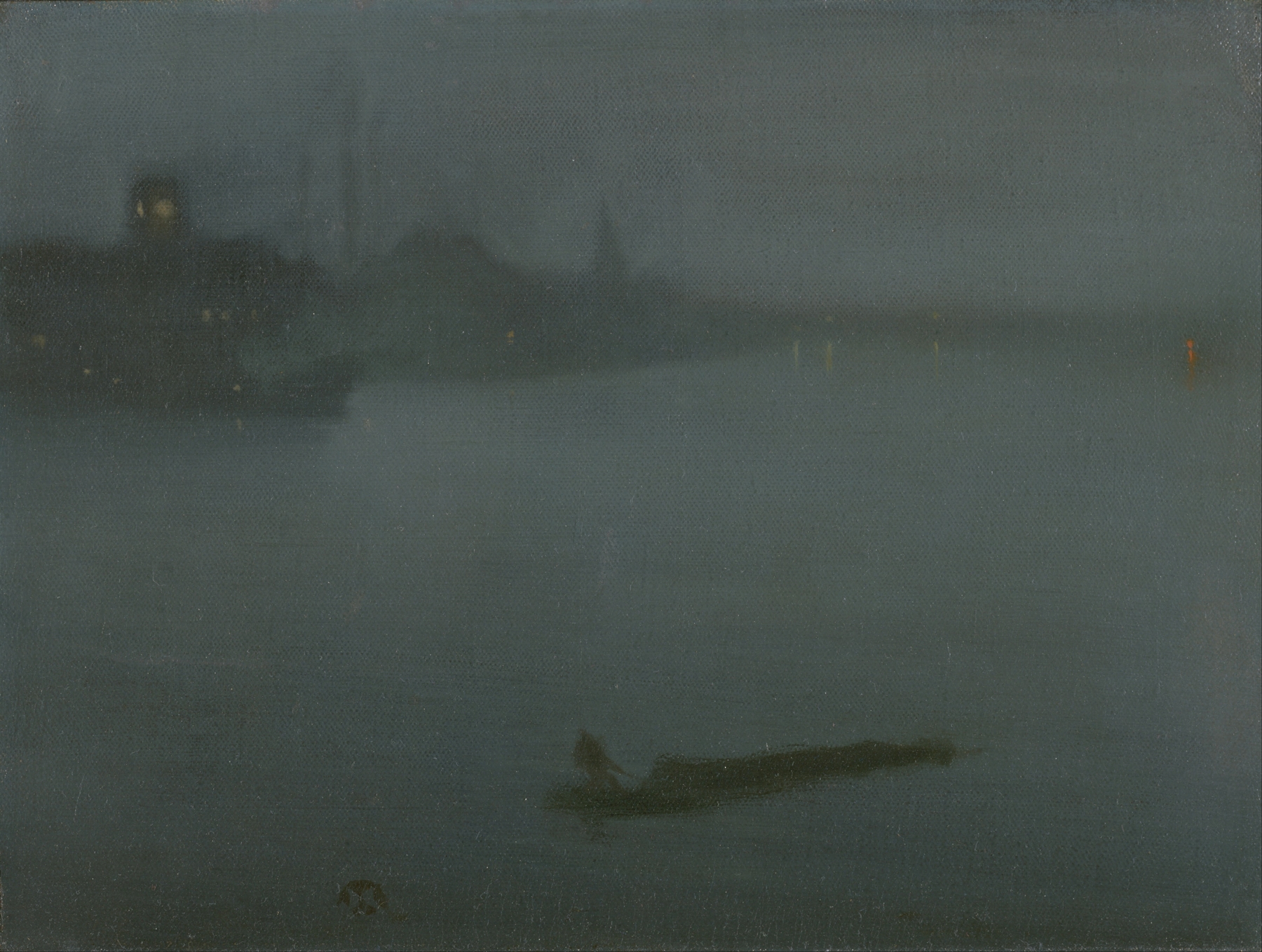
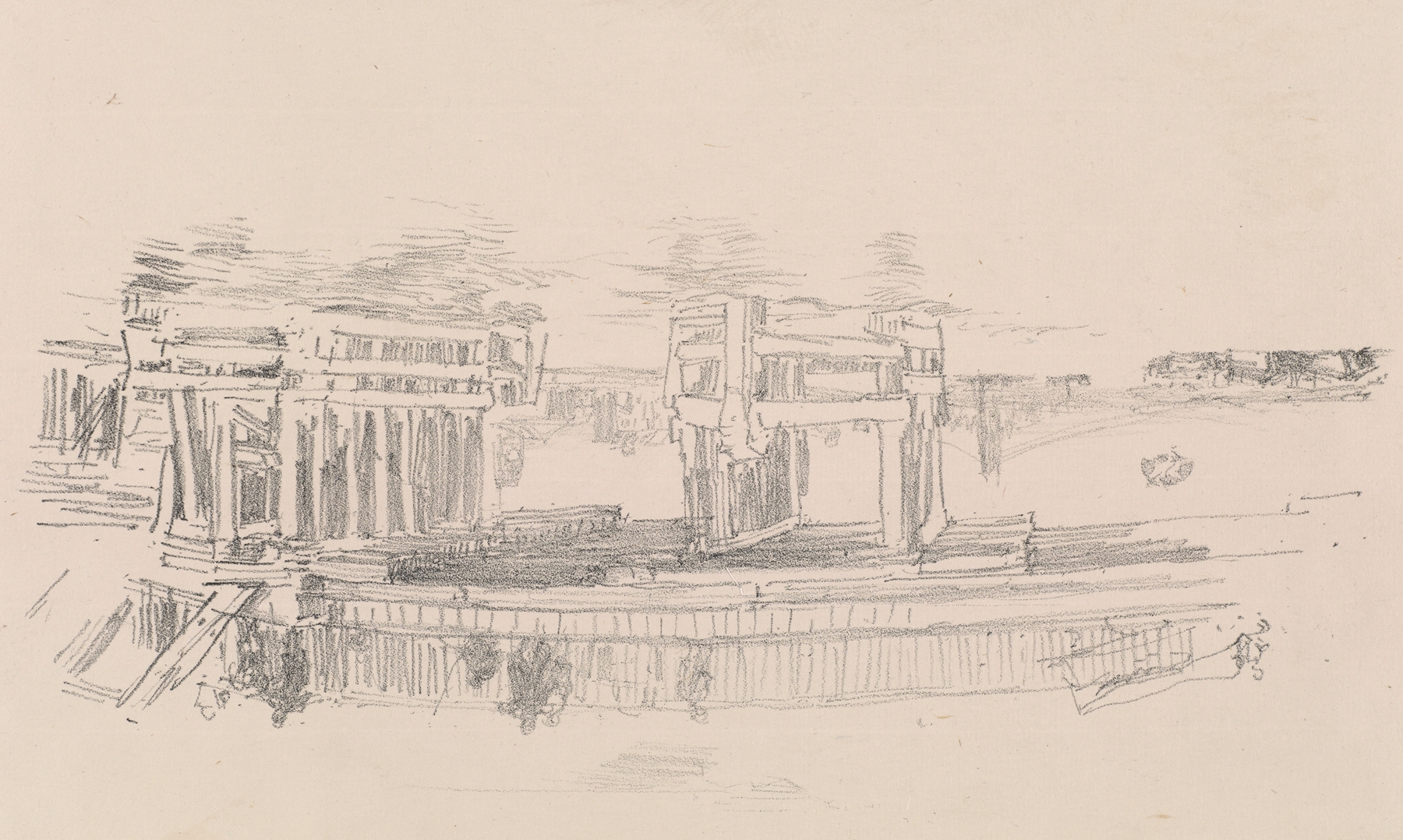
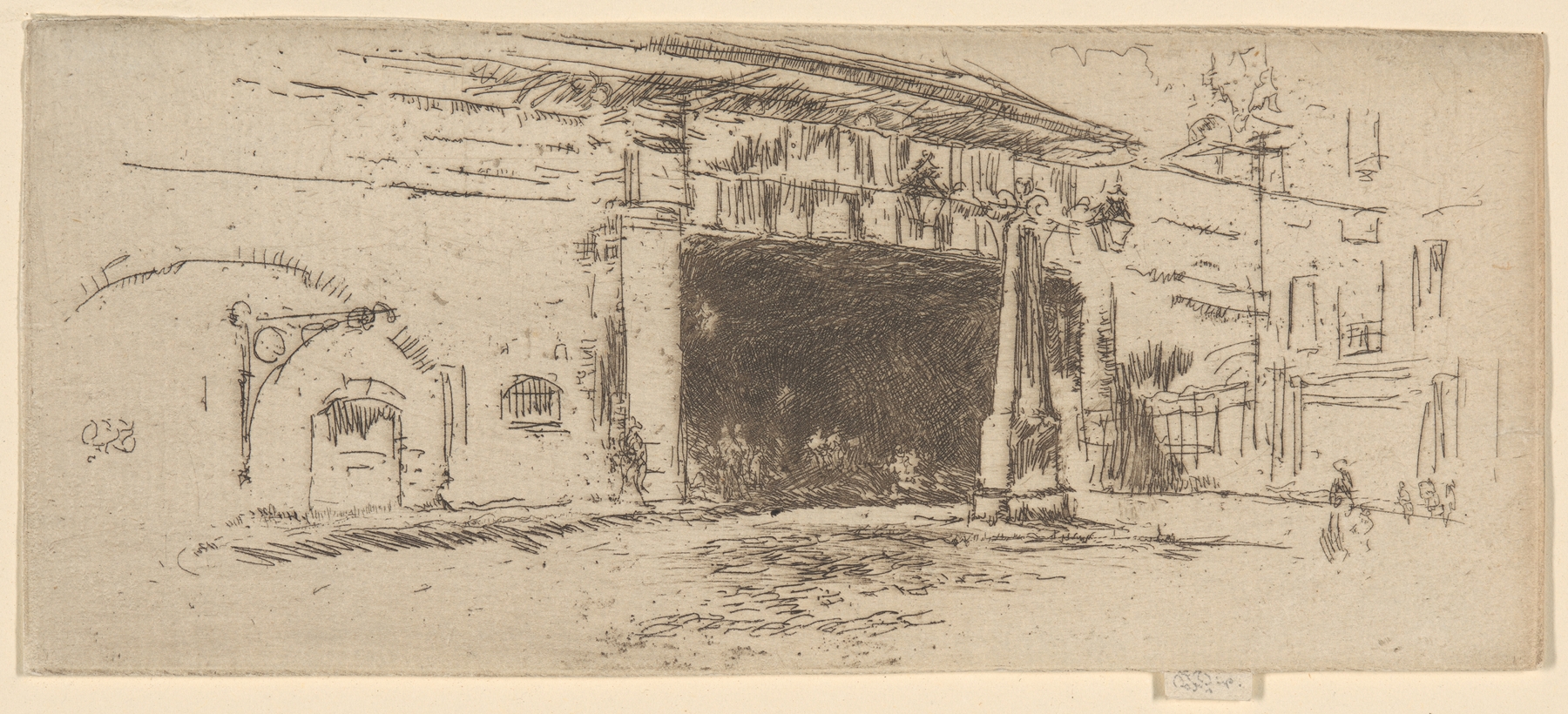
When did color learn to lie? In the world of Railway Arch, hues masquerade as shadows and light, weaving an intricate tale of illusion and reality that compels the viewer to question the very essence of perception. Look to the left at the vibrant tones of blue and green that seem to pulse with life, contrasting sharply with the stark, dark structure of the archway. Notice how the light falls upon the edges, gently illuminating the textured surface, while the shadows retreat into a symbolic abyss.
The composition is masterfully balanced, drawing your eye toward the center where the arch frames a glimpse of a scene beyond, a world partially obscured yet inviting. Within this canvas, the juxtaposition of color invokes a sense of transformation, suggesting both the passage of time and the interplay of industrial progress. The arch, a solid reminder of human ingenuity, stands against the fluid strokes that emulate the fleeting nature of light and movement. This duality resonates deeply, reflecting the tension between permanence and change, solitude and connectivity.
Created between 1887 and 1892, the work emerged as Whistler navigated a transformative period in his career, marked by a shift towards more abstract representations. Living in London, he was deeply influenced by the changing urban landscape and the burgeoning modernity surrounding him. At this time, artistic movements were beginning to explore new boundaries, and Whistler's innovative use of color and form positioned him at the forefront of those seeking to redefine visual art.