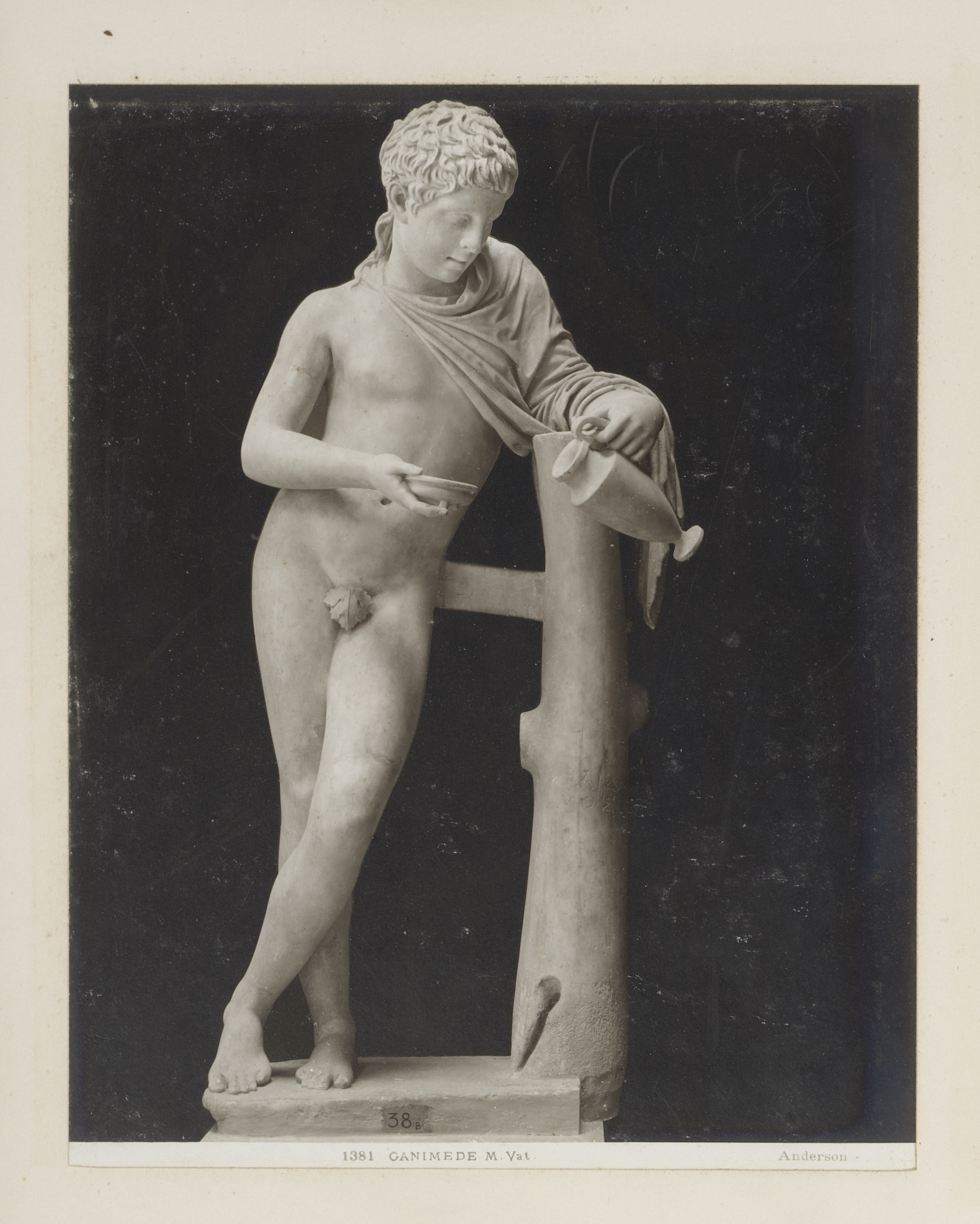
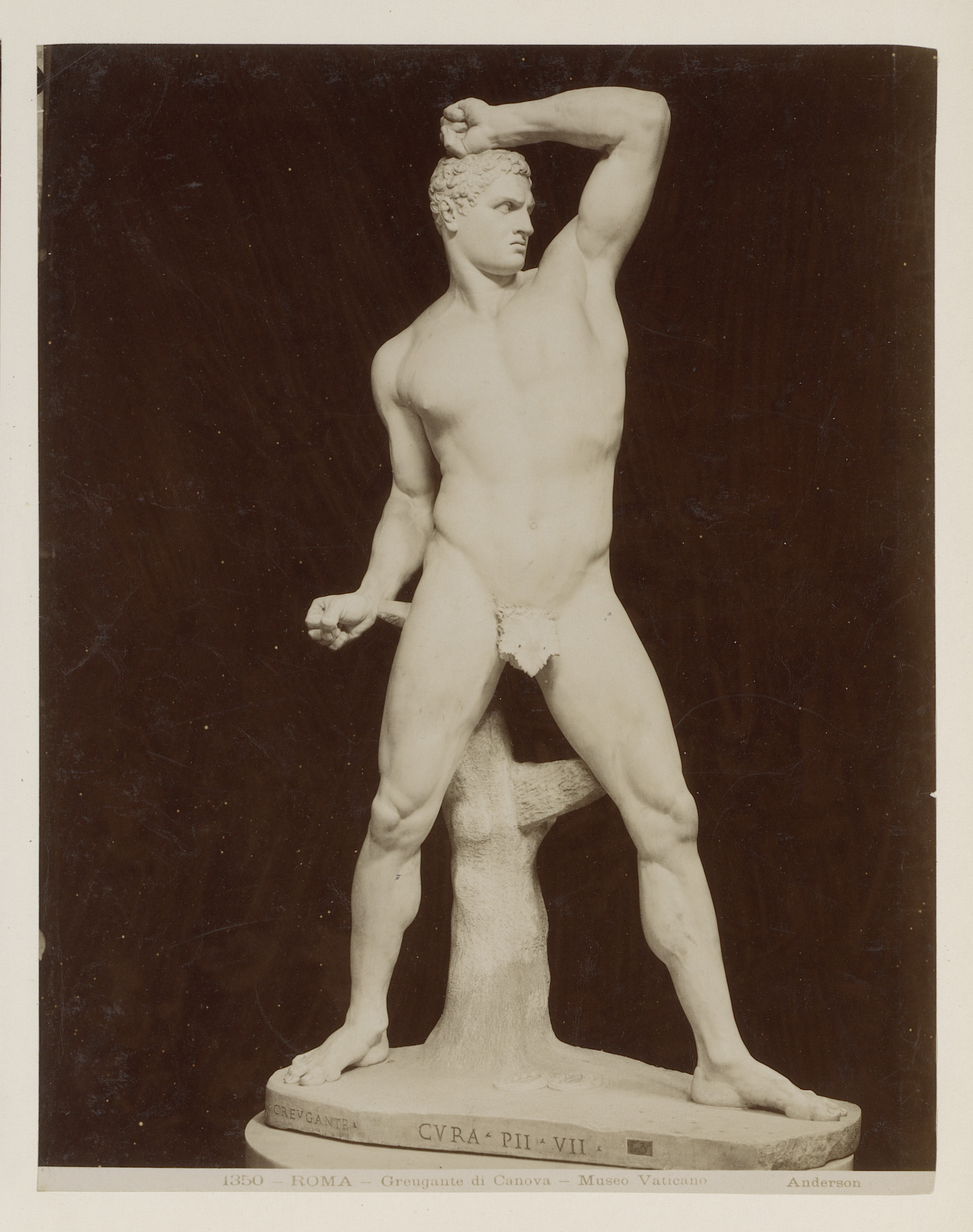
Reliëfs van Bacchus en Mercurius in de Tomba degli Anicii, Via Latina, Rome — History & Analysis
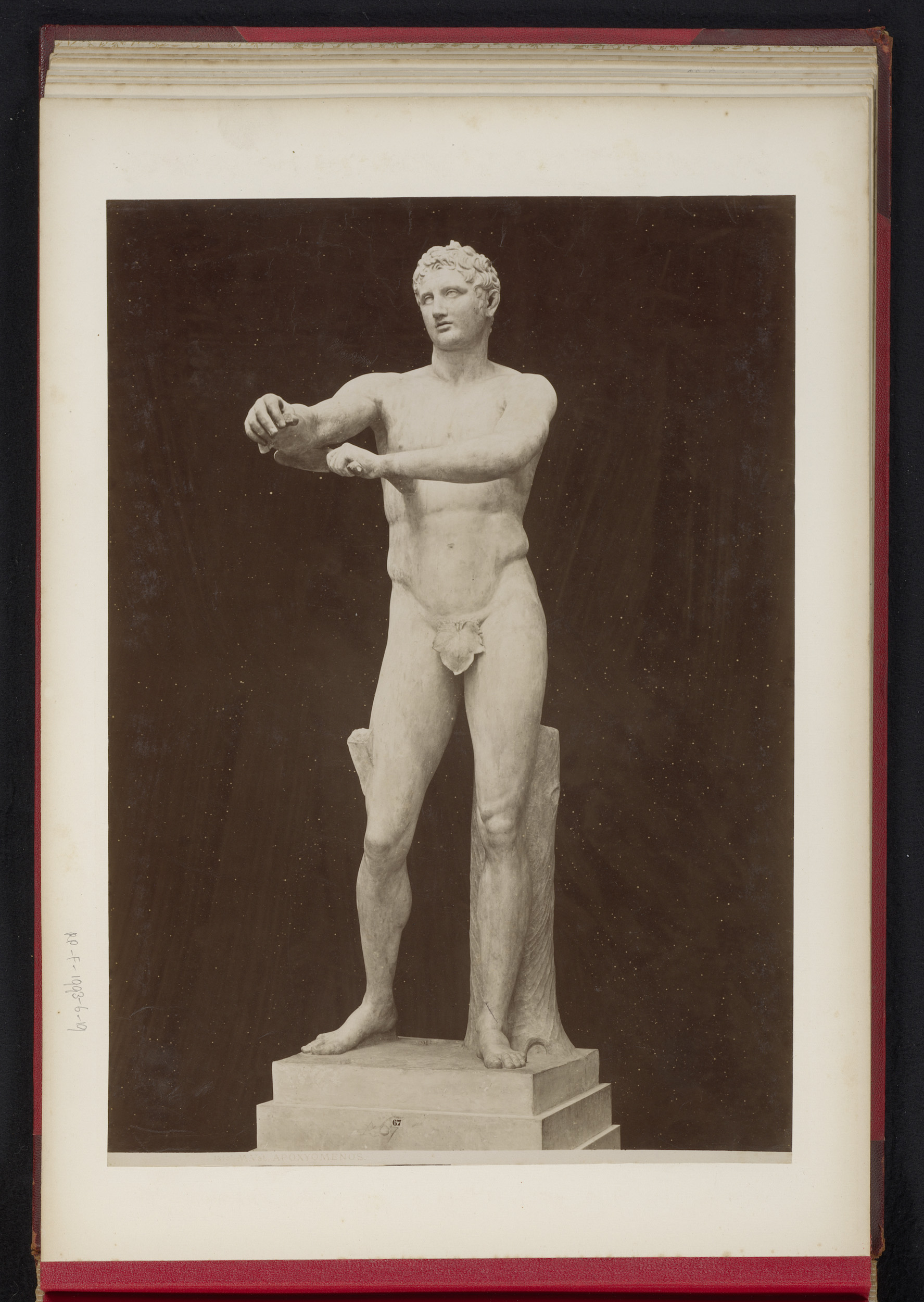
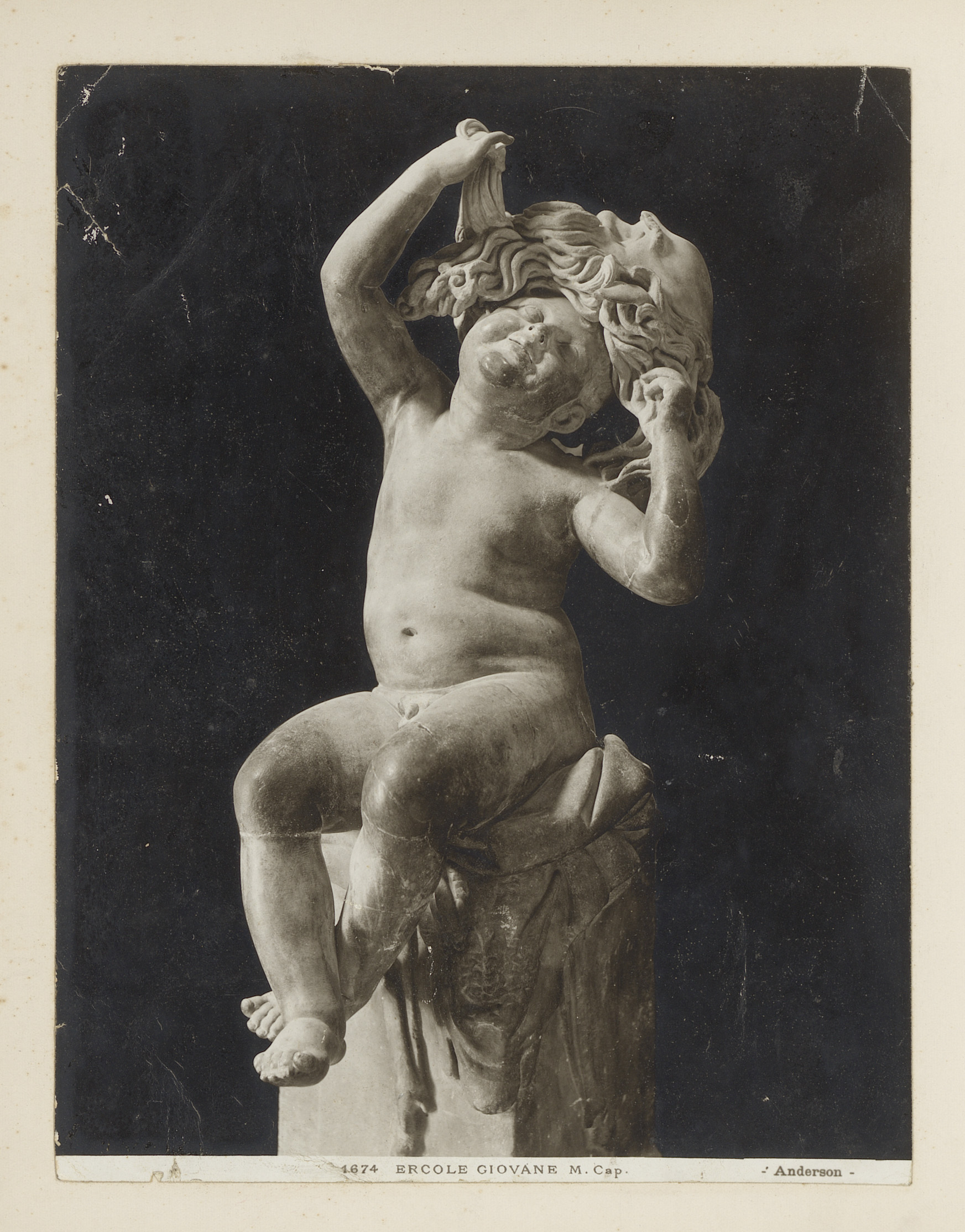
Could beauty survive in a century of chaos? Look closely at the intricate reliefs, where Bacchus and Mercury emerge from the stone with graceful fluidity. The meticulous detailing captures their essence – Bacchus, the god of wine, is enveloped in a vine of lush grapes, while Mercury, with his winged sandals, seems ready to take flight. Notice how the play of light across their forms creates a dynamic sense of movement, drawing the eye along the curves and contours of the figures, inviting us to explore the rich textures of the stone.
As you delve deeper into the reliefs, consider the contrasting themes of revelry and communication. Bacchus embodies transformation and ecstasy, his joyful demeanor a stark contrast to Mercury's poised, calculated posture. This interplay suggests a dialogue about the duality of existence: the chaos of indulgence versus the clarity of purpose. Each expression and pose tells a story of life's fleeting moments, encapsulating the beauty found in the transitory.
James Anderson crafted this artwork between 1890 and 1925, a period marked by rapid change and upheaval in both society and the art world. He worked in Rome during a time when the fascination with classical antiquity was being revived, reflecting a desire to reconnect with the beauty and harmony of the past amidst the turmoil of modern life. This era saw the emergence of new artistic movements, yet Anderson chose to honor the traditions of classicism, reinforcing the idea that beauty can endure even as times grow tumultuous.