Rhode Island Shore — History & Analysis
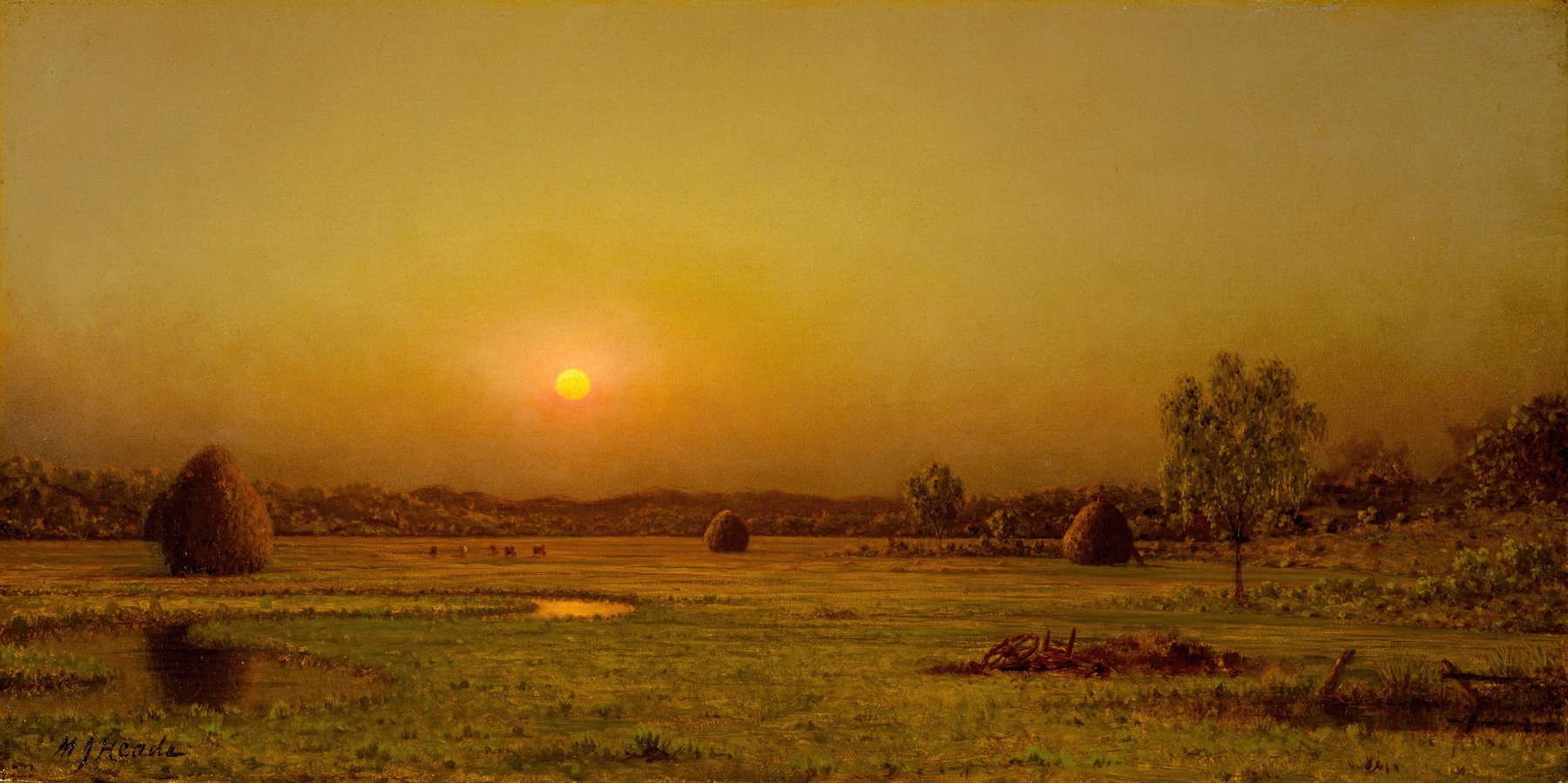
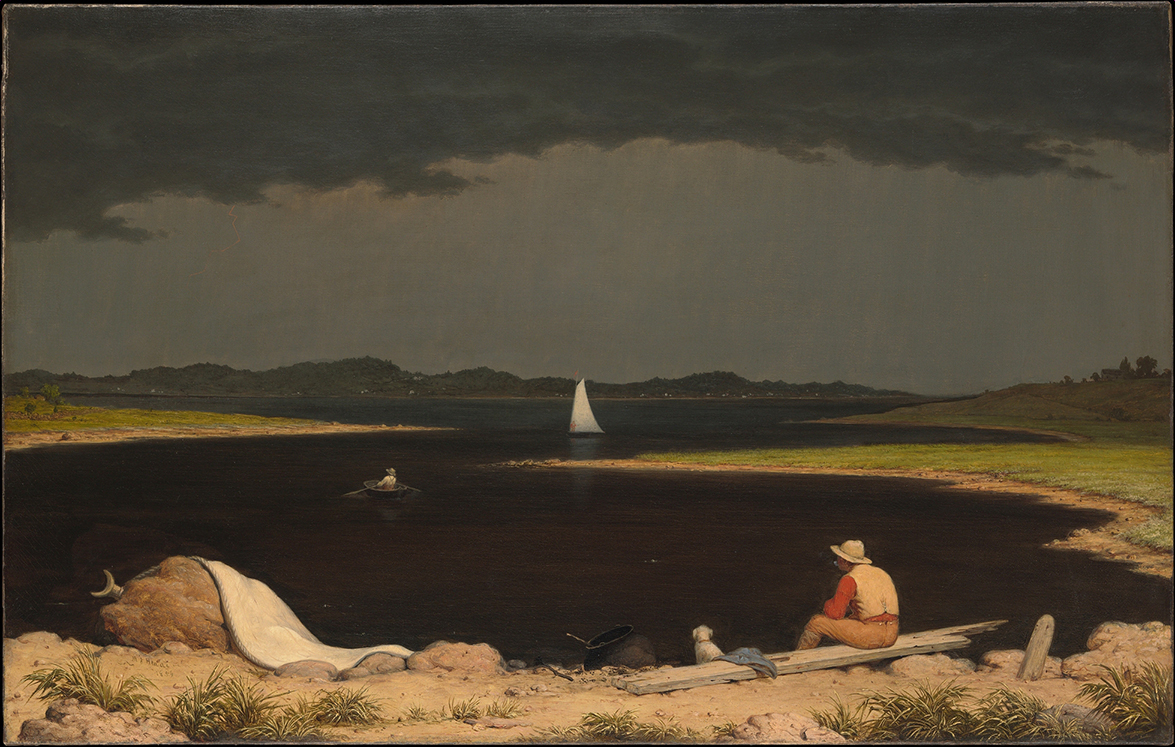
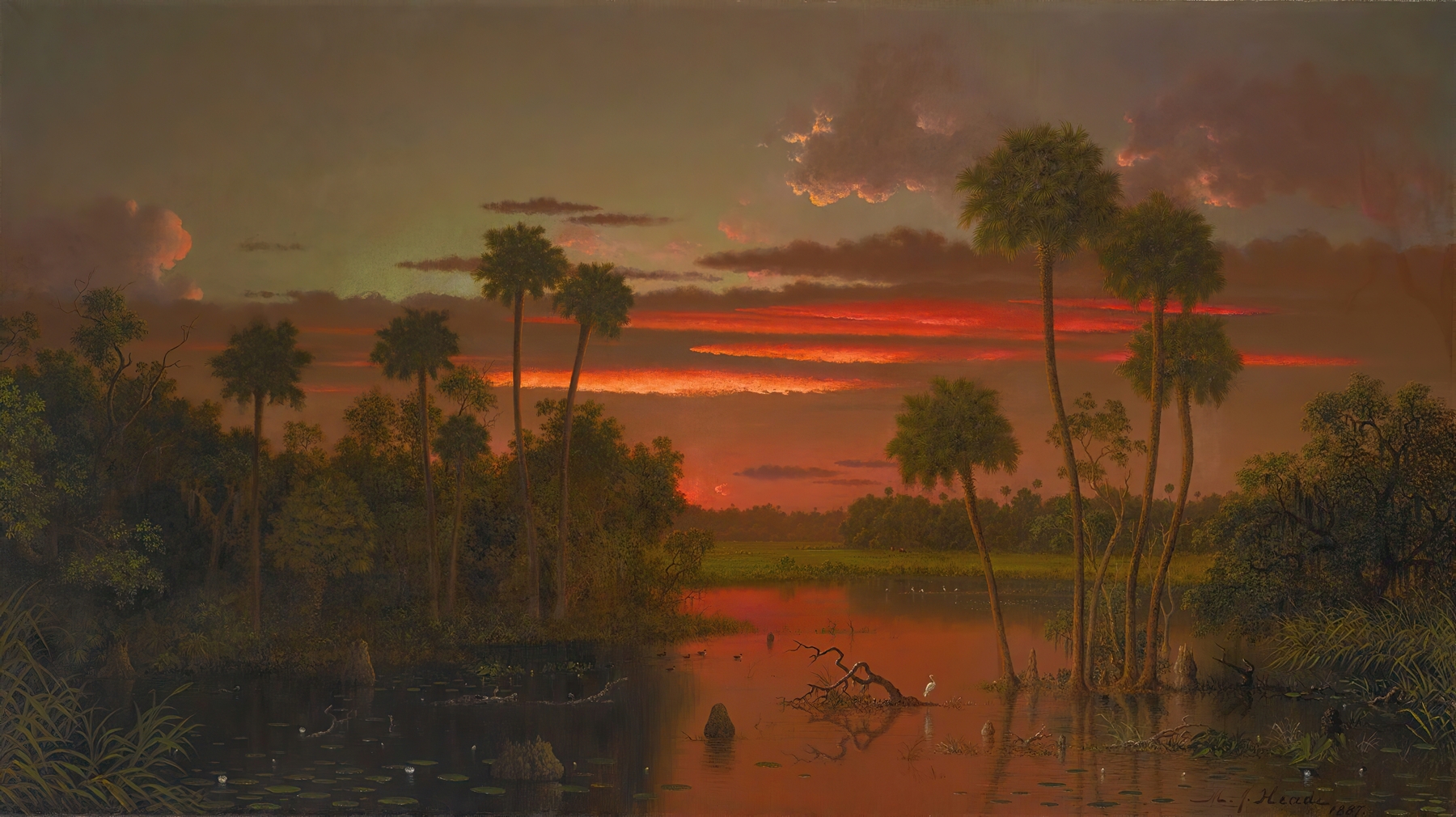
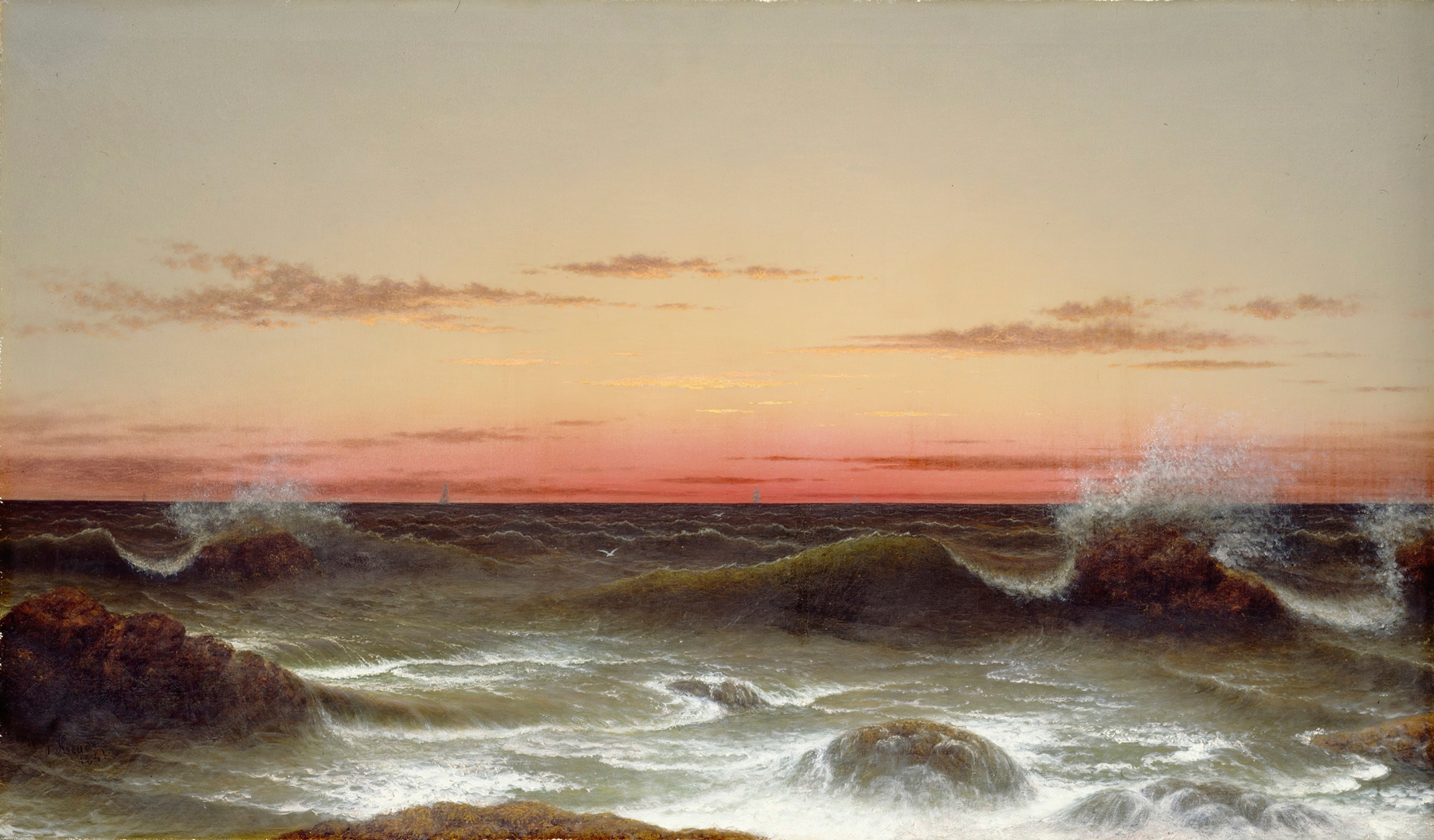
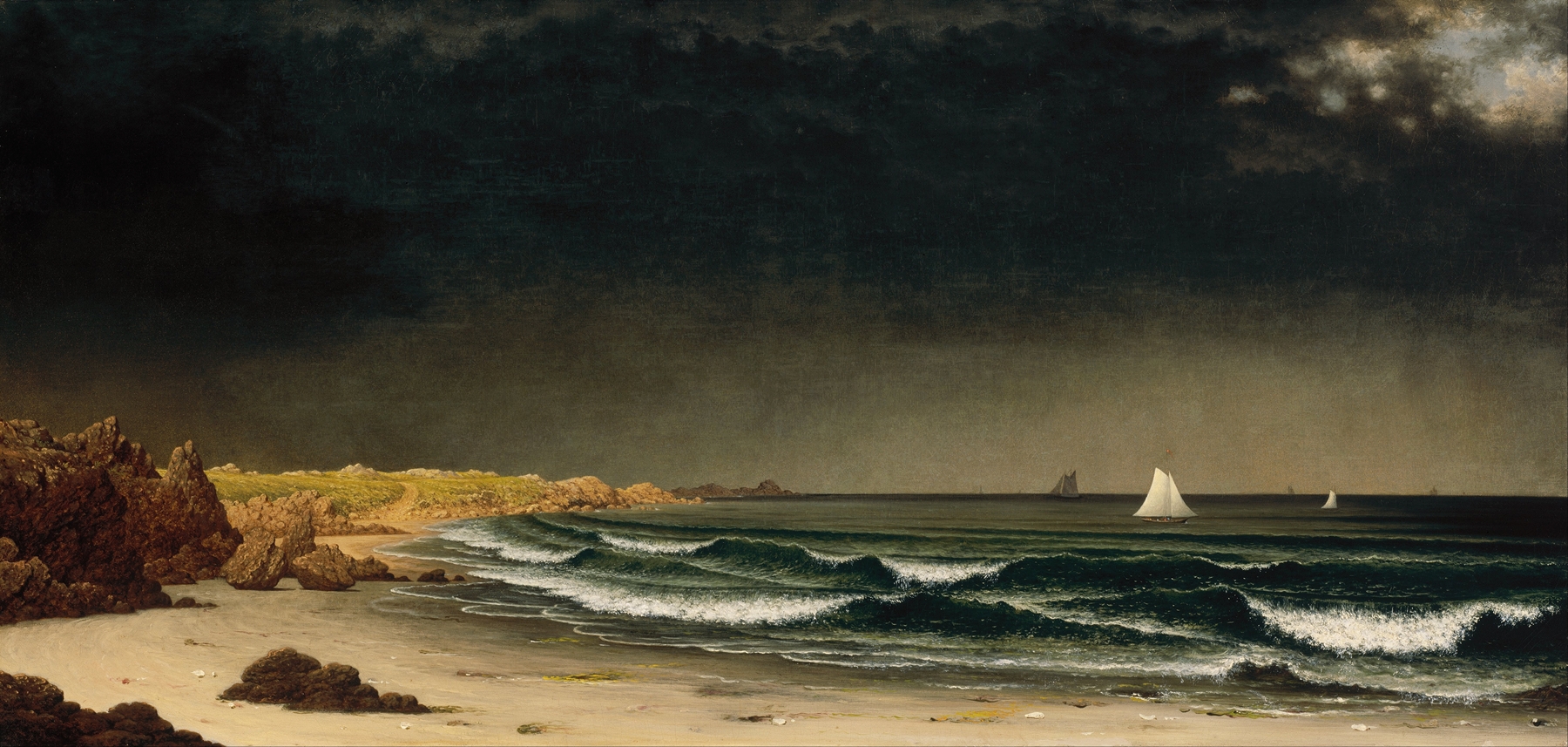
Who listens when art speaks of silence? In Rhode Island Shore, a tranquil moment unfolds, inviting viewers to embrace the ecstasy of nature’s quietude. Look to the horizon, where soft pastels blend into gentle waves lapping against a serene shore. The stillness of the scene is punctuated by the interplay of light and shadow, highlighting the delicate textures of the clouds above.
Notice how the warm hues of the setting sun cast an ethereal glow on the water, creating an inviting path that draws the eye toward the distant horizon, where sky and sea converge in harmonious unity. Within this peaceful tableau, deeper meanings emerge. The contrast between the vibrant sky and the subdued earth tones evokes a sense of transcendence, suggesting a refuge from the chaos of daily life. The solitary presence of the shore symbolizes both isolation and introspection, inviting the viewer to ponder their relationship with nature.
It’s a moment suspended in time, reflecting the artist's understanding of nature's meditative power and the profound beauty found in its stillness. In 1858, while painting this piece in his studio in New York, Martin Johnson Heade was influenced by the burgeoning American landscape movement. During this period, artists were beginning to explore the sublime beauty of the natural world, seeking to convey both its majesty and tranquility. Heade’s fascination with the interplay of light and atmosphere in coastal settings marked a significant development in his work, as he aimed not just to depict a scene, but to evoke an emotional response within his audience.