Rialto Bridge (Covered Bridge, Venice) — History & Analysis
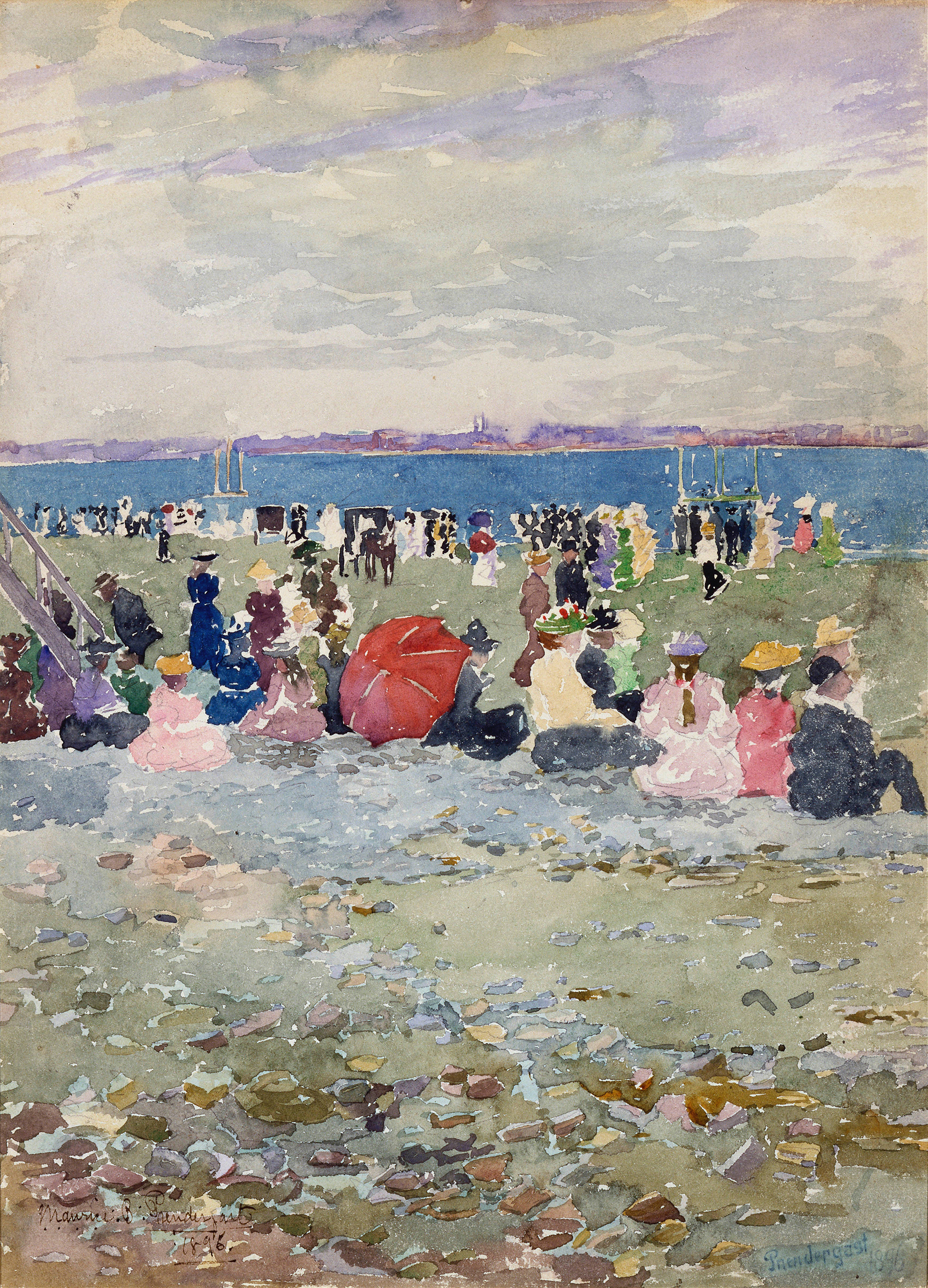
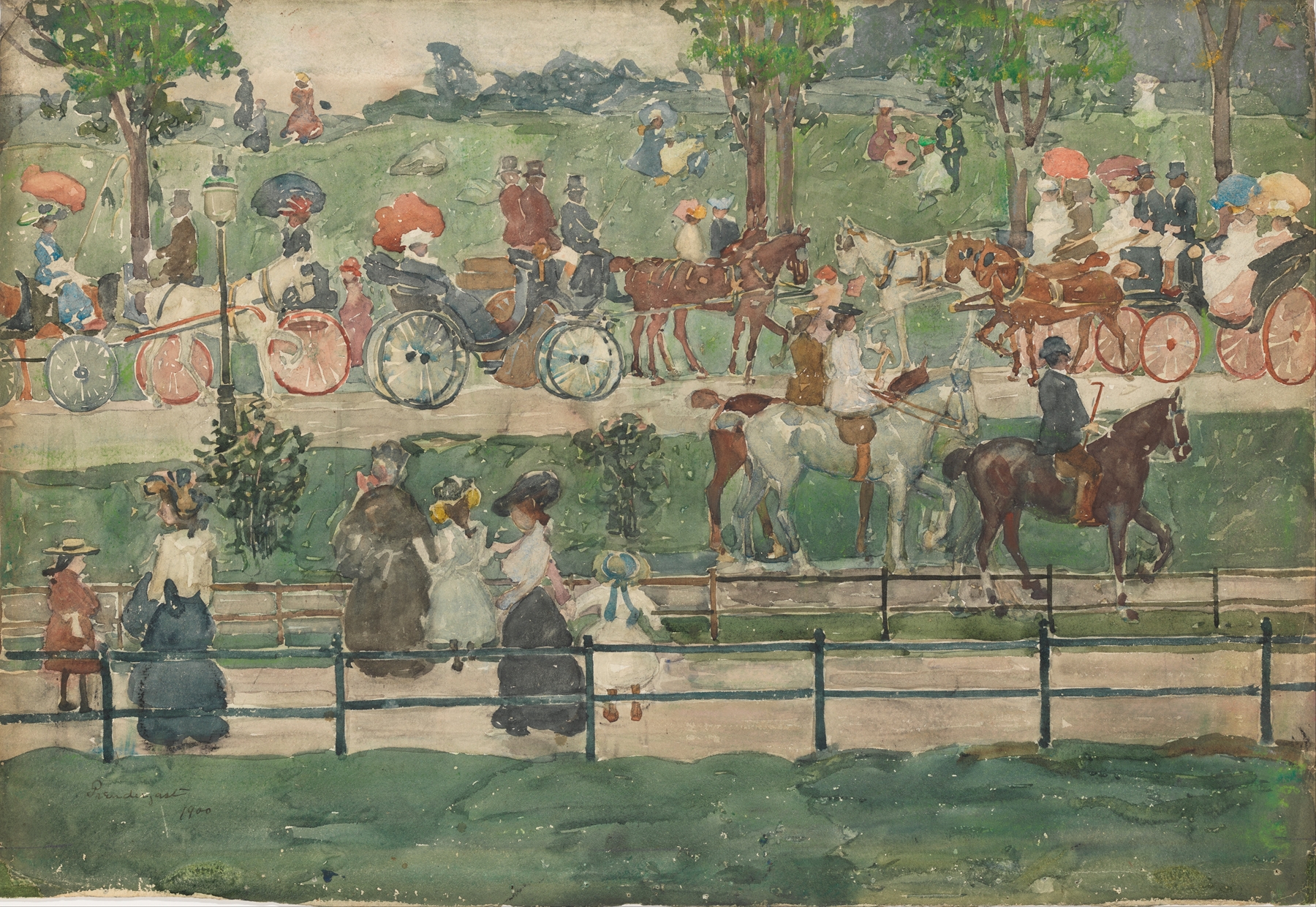
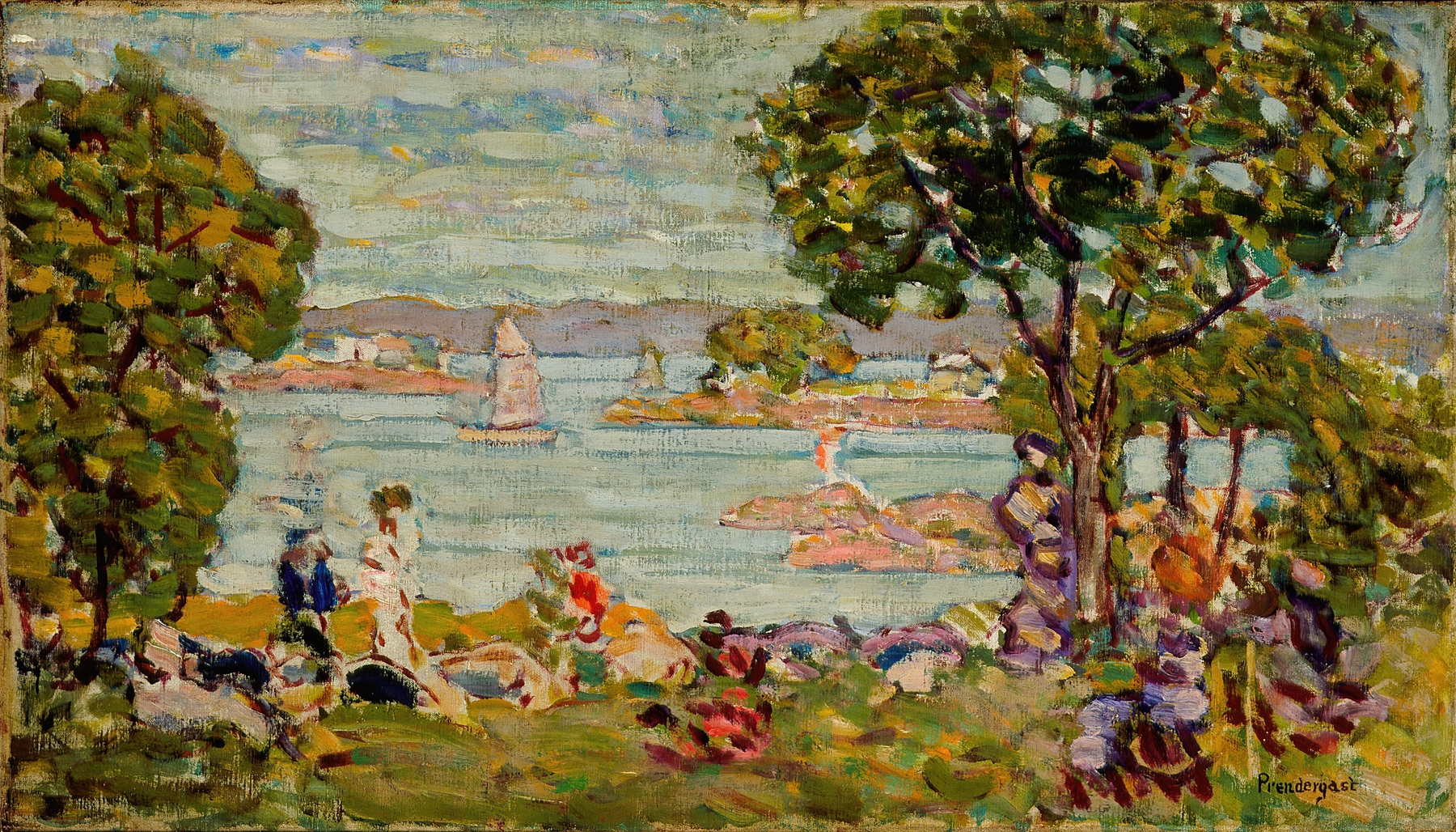
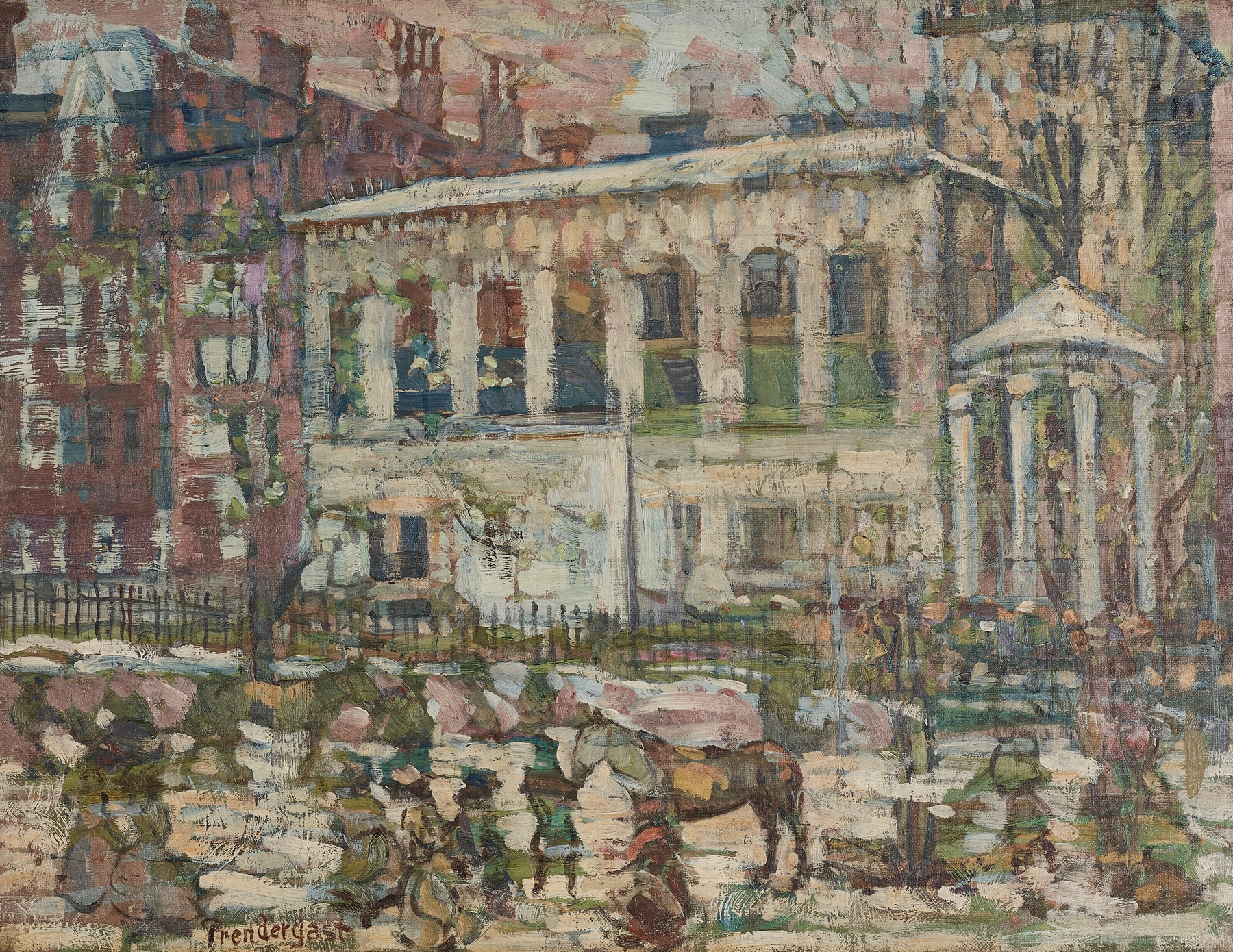
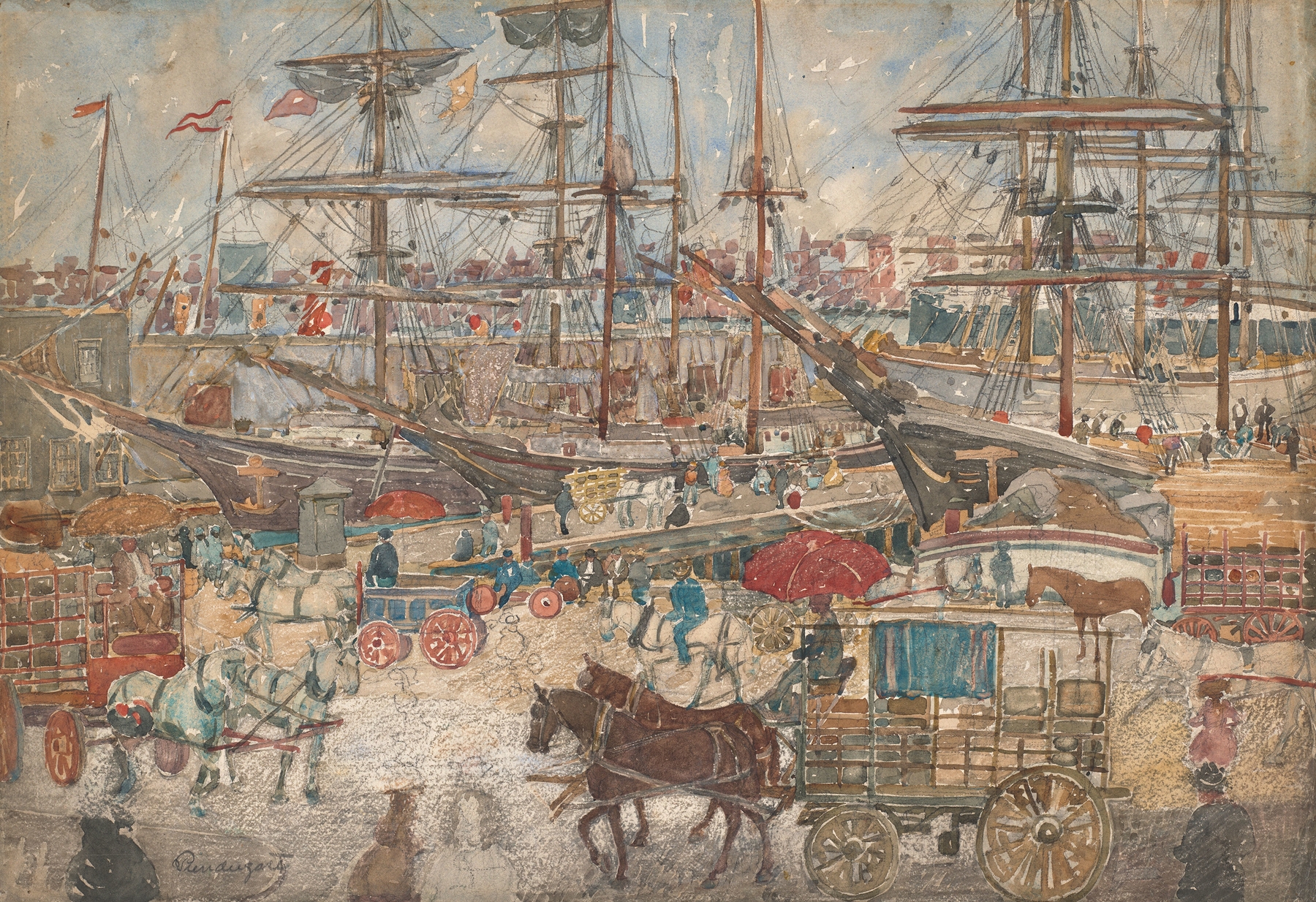
“Sometimes beauty is just pain, disguised in gold.” In the shimmering reflections of Rialto Bridge, a haunting emptiness lingers beneath its vibrant surface. The canvas invites a contemplation of what lies beyond the picturesque—an exploration of absence amid beauty. Look to the canvas's sweeping arcs, where the bridge looms majestically against the backdrop of serene waters. Notice how Prendergast employs a palette of soft pastels, infusing the scene with a dreamlike quality.
The brush strokes dance across the surface, creating a rhythmic harmony between the architecture and the gentle waves below, guiding your gaze seamlessly between the vibrant figures and the encompassing serenity. Yet, amidst the lively crowd, a palpable solitude whispers. The figures, though animated, appear disconnected, as if trapped in their own thoughts, accentuating the theme of isolation. The bridge itself, a symbol of connection, paradoxically becomes a barrier to genuine interaction, embodying the bittersweet essence of desire versus reality in the bustling yet empty streets of Venice.
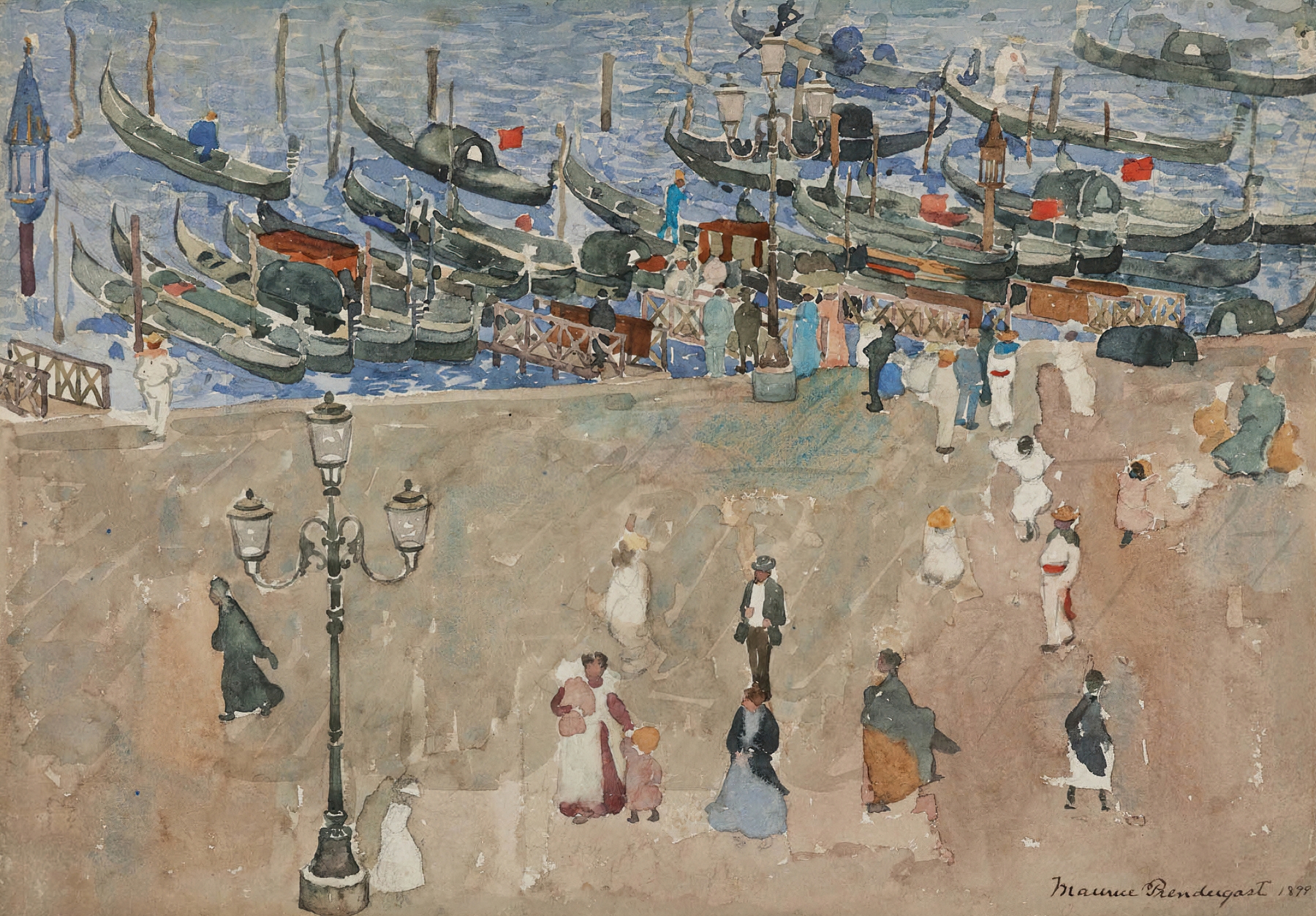
During the period between 1911 and 1912, Prendergast was deeply engaged with the Impressionist movement, inspired by his travels across Europe. Living in a time when the art world was shifting towards modernism, he sought to capture the fleeting moments of beauty and light. His experiences in Venice, a city dense with history but also a canvas for contemporary exploration, influenced his vibrant interpretation of urban life and solitude.